







How is the Ethiopia foreign exchange coffee sector being squeezed
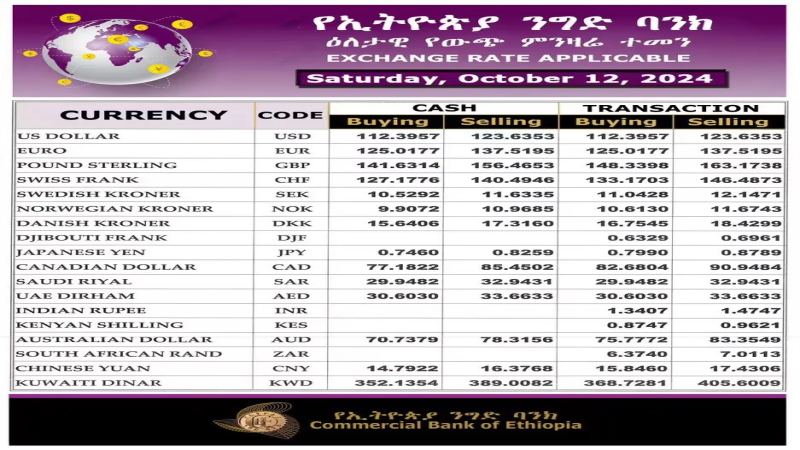
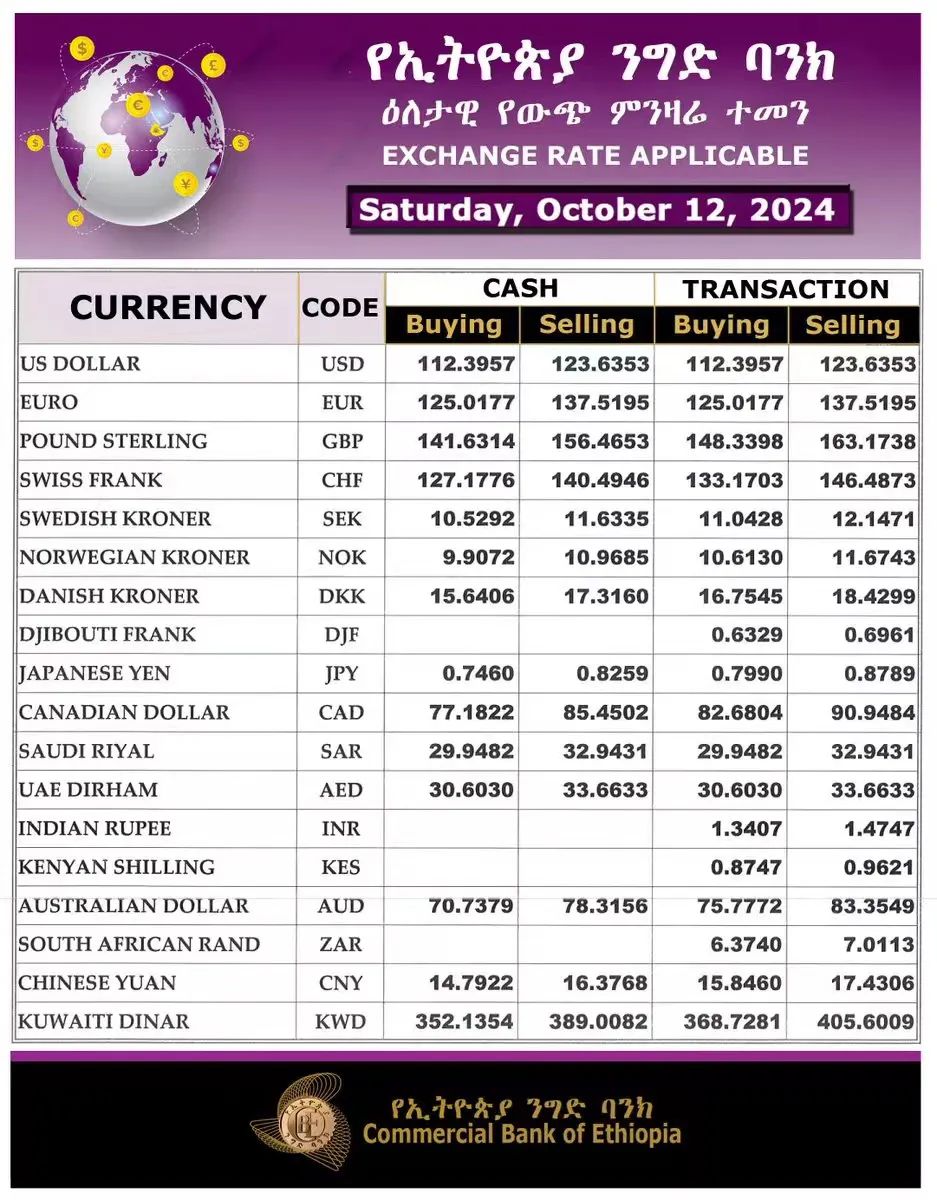
Ethiopia's foreign exchange shortage is pressuring its coffee industry. As of mid-October 2024, the official rate was 116.97 birr to the US dollar while the black market reached 140 birr, pushing import-dependent businesses toward risky currency deals. Planting costs have risen, and the minimum selling price across the board was raised by 2 percent. Port access and regional security remain uncertain.
The country began foreign exchange system reform in July, which initially narrowed the gap between official and parallel rates before convergence slowed again. Higher foreign currency costs get passed to consumers, feeding inflation. The government is also opening the logistics industry to foreign investment to ease transport bottlenecks, but outcomes for coffee exports stay unclear.
Since Ethiopia launched its foreign exchange system reform in July, the gap between the official exchange rate and the parallel market (black market) rate narrowed at one point, but recently there have been signs of slowdown again. As of mid-October 2024, the official exchange rate was 116.97 birr to the US dollar, while the black market rate was as high as 140 birr, and the foreign exchange shortage has forced businesses to take risky measures. Costs for import-dependent enterprises are climbing, inflationary pressure is being transmitted to the coffee industry, planting costs are rising, and the minimum selling price across the board has been raised by 2%. At the same time, the government is accelerating the opening up of the logistics industry, attempting to ease transportation bottlenecks by introducing foreign investment, but port access and regional security remain uncertain factors. This article will sort out the chain reaction among exchange rates, logistics, and coffee exports.
According to disclosures by local Ethiopian media, the country made major adjustments to its foreign exchange system in July, launching a series of transformation measures aimed at building a foreign exchange framework more in line with market principles, while also causing a significant depreciation of the Ethiopian currency, the birr. At the initial stage of the policy's introduction, it did indeed play a role in narrowing the gap between the official exchange rate and the parallel market (black market) exchange rate.
However, in recent months, although the price difference between the two markets once showed a narrowing trend, the speed of convergence subsequently began to slow. By mid-October 2024, the official exchange rate published by the National Bank of Ethiopia was 116.97 birr to the US dollar, while the black market rate reached 140 birr to the US dollar. This gap shows that the country is experiencing a severe foreign exchange shortage, prompting businesses and individuals to turn to black market trading even in the face of legal risks.
For Ethiopian enterprises that rely on imports, they must pay higher foreign currency costs in the black market, and these additional expenses will ultimately be passed on to end consumers, thereby pushing up the prices of some goods and triggering inflation. This has already become an urgent problem that Ethiopia needs to solve.
To this end, Ethiopia has recently significantly relaxed economic controls. According to local media reports, the country is currently in the final stage of opening its logistics industry to foreign investors in order to increase foreign exchange earnings. Previously, Ethiopia had already passed legislation allowing foreign investors to engage in finance, banking, import and export, as well as wholesale and retail trade businesses.
Recently, Ethiopia's Ministry of Finance issued an announcement declaring revisions to the policy, enabling foreign companies to participate more deeply in the logistics industry. According to Ethiopia's Minister of Finance, the government has been implementing multiple reform measures to improve the logistics industry, including increasing budget allocations, promoting policy reform, and strengthening international cooperation.
In addition, at the event "Logistics Transformation for Sustainable Growth and Prosperity," the Minister of Finance stated that strengthening Ethiopia's logistics capacity building is crucial to the country's future, especially in infrastructure areas such as road construction, which has already received substantial budget allocations. At the same time, the Minister of Finance revealed that the government is planning to build a new airport to enhance the country's freight capacity, and emphasized Ethiopia's efforts to strengthen its competitiveness in international markets, including improving logistics relations with Djibouti and trying to resolve port access issues.
At present, for Ethiopia's coffee industry, allowing foreign companies to invest in and participate in the logistics industry is greatly beneficial to industrial development, because coffee transportation problems have always been very severe. Previous reports have pointed out that transportation has been heavily disrupted because some roads have been affected by ongoing conflicts and attacks by armed militants.
In addition, Ethiopia is a landlocked country, and exports of goods such as coffee rely heavily on the port of Djibouti, so cargo transportation is crucial. The country's main railway is the Ethiopia-Djibouti standard gauge railway, which has always been owned by the Ethiopian government. Although this railway can transport 10 million tons of cargo annually, its transport volume is far below its potential capacity, and it faces obstacles from animals and people as well as safety issues, causing train speeds to drop to as low as 30 kilometers per hour. If foreign enterprises invest and participate, it could effectively strengthen the railway and import-export business and ease transportation pressure.
At present, under the influence of the parallel market (black market) and exchange rates, the local cost of living continues to climb, coffee planting costs have also begun to rise, and the minimum selling price across the entire coffee line has been raised by 2%. Once transportation pressure is somewhat eased, it will be able to reduce the burden of transportation costs.
However, Ethiopian coffee exports still face port difficulties. Earlier, the Houthi armed group claimed it would strengthen its maritime blockade, which led to a continued reduction in ships at the port of Djibouti. Moreover, Ethiopia is still in a tense relationship with its neighbor Somalia and cannot use Somali national ports, so the export problem remains one of the key difficulties the country must solve.
To learn more information about coffee origins, please scan the QR code to follow: Coffee Review
Long-press the QR code to follow:
The above content is compiled by CoffeeHunters, a coffee news website.


