







Search Results for: alternative

Choosing Blue Mountain-Style Coffee: Certification Information and Affordable Alternatives
The essence of authentic Blue Mountain lies in the certification and flavor profile of the Jamaican Blue Mountain region: soft acidity, balanced sweetness, and a clean cup. Front Street Coffee's Papua New Guinea Bird of Paradise offers a flavor and texture close to the Blue Mountain style—the same rounded, clean character and gentle sweetness, yet at a far more friendly price, making it a high-value alternative in the "Blue Mountain style." [more…]
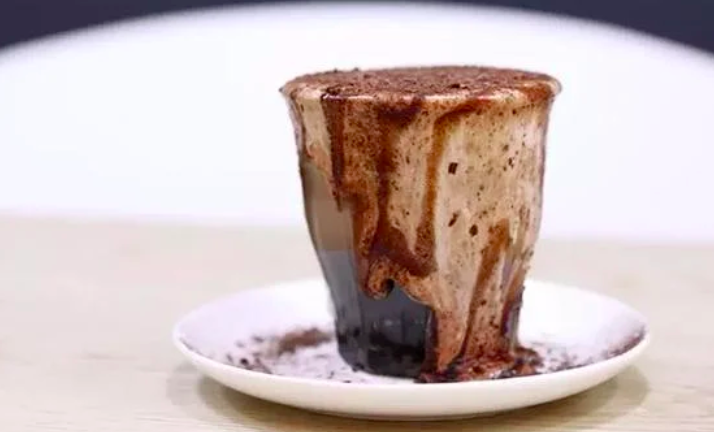
The Correct Way to Drink a Dirty Coffee | How Do You Make a Dirty with Distinct Layers? Does the Shape of the Cup Affect the Taste and Mouthfeel of a Dirty Coffee?
In recent years, a type of iced milk coffee called Dirty has become increasingly popular. The warm, rich espresso on top blends with the sweet, delicious cold milk, creating a unique mouthfeel of alternating hot and cold. Its photogenic good looks are an added bonus, and many cafés have added it to their regular menus. What is Dirty coffee? [more…]
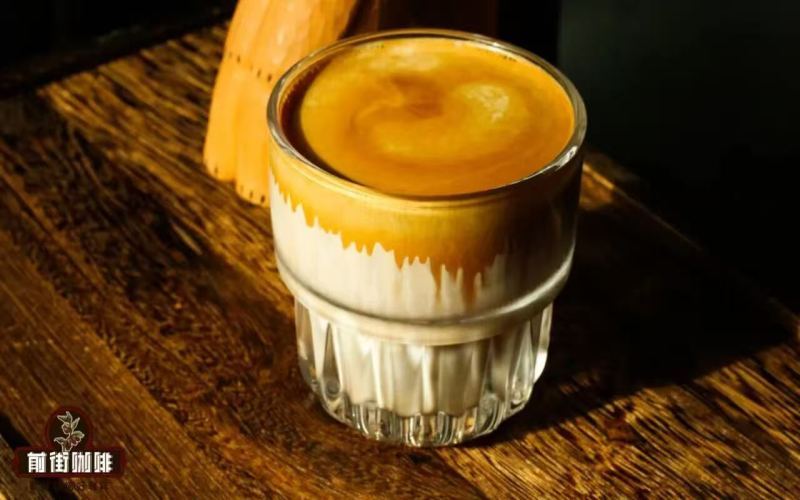
How to Make a Delicious Dirty: The Trio of Bean Selection, Milk, and Temperature
Dirty (dirty coffee) has been a perennial staple on café menus in recent years: hot espresso slowly sinks into iced milk, without stirring, and you drink it from top to bottom, so that in a single sip you get the alternation of hot and cold and the layering of milk and coffee. It looks simple, but between a delicious one and a mediocre one lies the gap of bean selection and details. The principle of Dirty: why [more…]
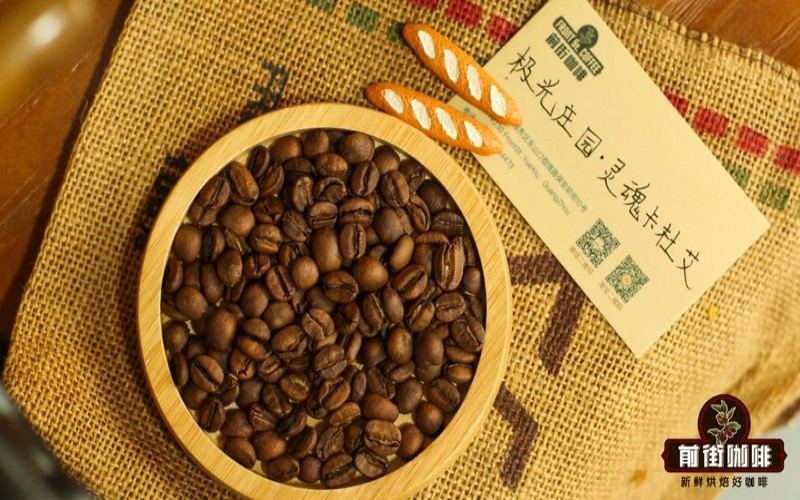
Coffee Machine Bean Selection Guide: Choosing the Right Cup by Roast Level
Espresso machines pull shots quickly and produce high concentration, and the roast level of the beans directly affects aroma, acidity, and body. If you mainly use a home espresso machine, super-automatic coffee machine, or capsule-based alternative, you can first determine your direction among light, medium, and dark roasts, then choose based on whether you usually drink espresso, Americano, or latte. This way, selecting beans will [more…]

How the Clever Coffee Dripper Works | What Are the Advantages of the Clever Dripper? How Does It Differ from the V60 Coffee Dripper?
Regarding pour-over coffee, Front Street says it is a brewing method that highlights the original flavors of specialty coffee. For beginners, choosing a suitable brewing device is especially important, and here Front Street recommends the Clever Cup. The reason for recommending this device is that it is very easy to use—you don't need too many brewing techniques. [more…]
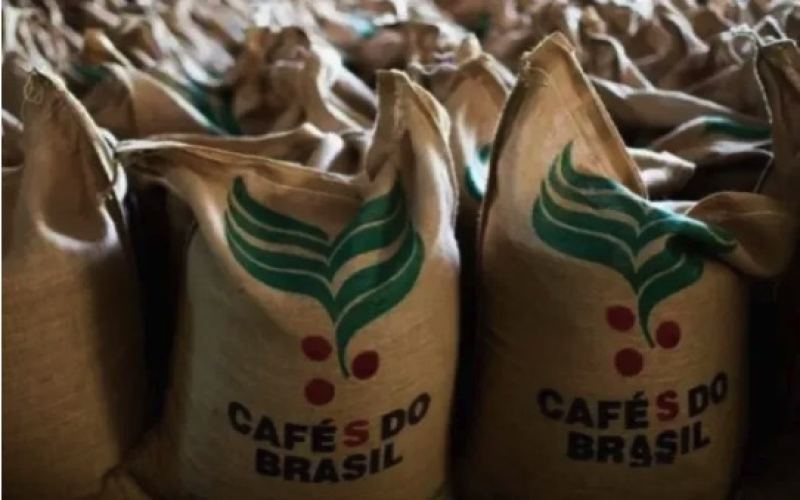
New tax policies in Brazil! Prices of agricultural products such as coffee will continue to rise.
Recently, according to local media reports in Brazil, earlier this week, the new administrative order submitted by the Brazilian government to the congress contains a new measure related to tightening tax exemptions. According to the Brazilian Minist [more…]

Exploring Single Origins for Home Espresso: How SOE Performs on Home Machines
Playing with SOE on a home semi-automatic machine is where many coffee enthusiasts find the joy of leveling up. SOE means making espresso from single-origin beans, and it delivers a strikingly distinct flavor profile that lets you taste the unique character of a growing region. Although home machines have limited extraction conditions, with the right beans and well-tuned parameters, SOE can still perform in a way that's well worth looking forward to. [more…]
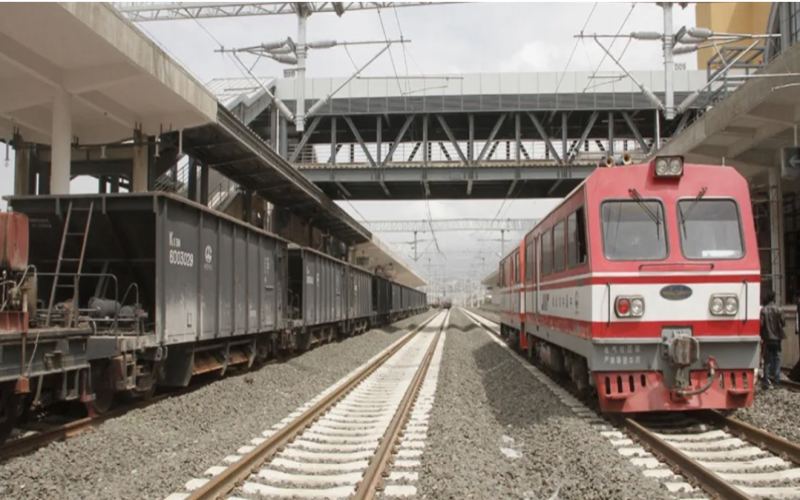
The internal war in Ethiopia has led to problems with coffee transportation, and it is considering using railways for diversion.
Due to the conflict in Ethiopia, there are problems with coffee transportation, and the government considers using railway transportation for diversion. Recently, according to the report of the Ethiopian Reporter Network, the current Ethiopian govern [more…]

Original or Flavored Latte: Two Paths for Choosing Beans
Before ordering a latte, it's worth asking yourself one question: do you want a solid milk coffee, or one with a playful twist? This question splits lattes into two paths, and also cleaves the direction of bean selection in half. If the path isn't decided, even the best beans won't deliver the mood you expect. The original-flavor path pursues a harmony of the beans' and milk's true essence. [more…]
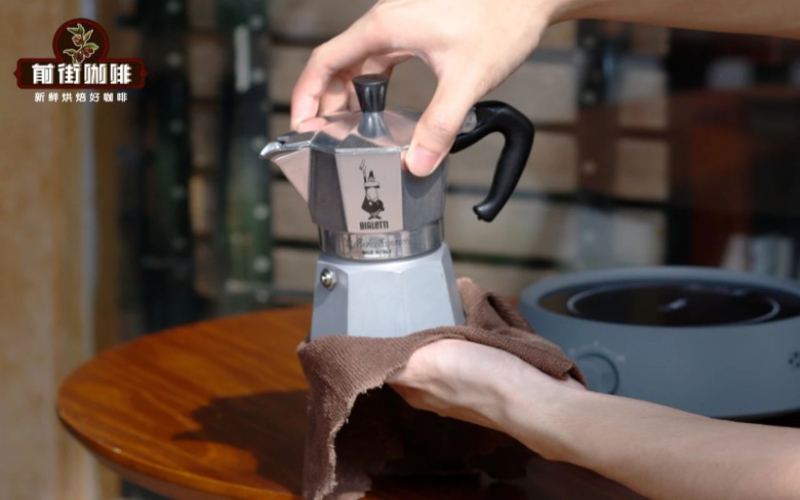
Moka Pot and Estate Beans: An Espresso-Style Experiment with Niche Varieties
Using a moka pot to brew estate-grade single-origin beans strikes many people as a waste of good coffee: shouldn't good beans be used for pour-over? But if you look at it from another angle, the moka pot is a very low-barrier high-concentration extraction device for home use, and expressing estate beans in a different way often reveals a side you can't see in pour-over. This round of experiments is about taking a few [more…]
Sourcing commercial beans: factor delivery lead time into your costs first
Many new shop owners only look at the price per kilogram when calculating bean costs, but they never factor in the cost of a supply cut-off. On a certain Sunday afternoon, the beans in the grinder ran out, the warehouse was empty, and what would they use to serve drinks during the next morning rush? Choosing commercial beans is half about flavor and half about supply. Flavor can be selected through tasting, but supply, however, [more…]

Choosing Beans for Cold Brew by Origin: Why Are Ethiopian Floral and Fruity Notes the Star of Cold Brew?
When it comes to choosing beans for cold brew, the question of origin is almost impossible to avoid. Coffee beans from different origins carry their own distinctive flavor genes, and the low-temperature, slow-extraction nature of cold brew happens to amplify the floral and fruity notes of certain origins to just the right degree. Ethiopian coffee beans have long been highly favored in the world of cold brew, and behind this lies the orig [more…]

Portable Mini Manual Coffee Maker Review: A Solution for Enjoying Freshly Brewed Hot Coffee Anywhere
For friends who love coffee but are often on the go, how to enjoy a freshly brewed cup while traveling has always been a challenge. The portable mini hand-press coffee maker was born precisely for this purpose—compact in size and simple in structure, yet capable of easily completing an espresso extraction outdoors. Through actual use, this article will demonstrate in detail the operation process and extraction performance of this device, from loading grounds and pouring water to pressing out the liquid, verifying step by step whether it can reproduce the rich taste of an espresso machine. If you are also looking for a lightweight outdoor coffee solution, why not follow our steps and see its true strength for yourself. The article also recommends Front Street Classic Blend and Commercial Blend coffee beans that pair well with it. [more…]
Beans for Both Espresso and Pour-Over: How to Configure a Single Machine for Two Brewing Methods
Players who have both an espresso machine and a pour-over kettle at home often fall into a kind of happy dilemma: when buying beans, they're always torn over "should this one be for pour-over or for espresso?" Actually, the mature approach is a dual-purpose bean lineup—within the same purchase batch, some beans are dedicated to espresso, some are dedicated to pour-over, and some can pull off both faces. This article talks about [more…]
Moka Pot Tutorial | What's the Difference Between Single-Valve and Double-Valve Moka Pots? Which SOE Espresso Beans Are Suitable for Making Moka Pot Coffee at Home?
Today, with espresso sweeping the globe, we are no longer unfamiliar with Italian-style coffee machines—even a passerby can name a few Italian specialty coffee drinks. But to this day, another device for making strong coffee—the moka pot—remains controversial. Some see it as a budget substitute for an espresso machine, [more…]
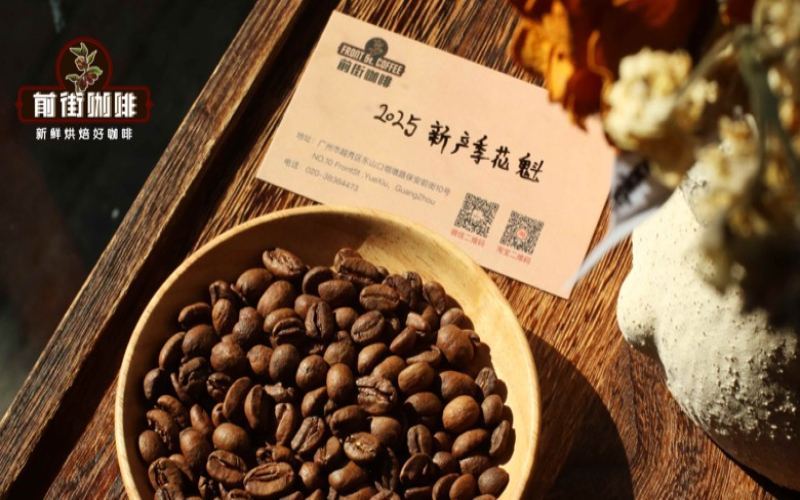
Arabica Espresso Origin Selection: A Comparison Between Ethiopian SOE and Central & South American SOE
When making espresso SOE with Arabica beans, the choice of origin directly determines the flavor direction of the espresso. Ethiopian SOE and Central-South American SOE are two entirely different paths, each with its own charm, suited to drinkers with different taste preferences. Ethiopian SOE takes the route of intense floral and fruity aromas. Huakui sun-dried beans [more…]

Homemade Latte Recipe | Did Latte Originate in Italy? What Is the Espresso-to-Milk Ratio for Making a Latte?
Latte originates from the transliteration of the Italian word "Latte." Latte coffee refers to coffee made by mixing a certain proportion of milk into espresso, and it is a type of fancy coffee. The original latte coffee originated in Vienna, the city of music. The Viennese began drinking coffee in the 17th century, when the Turkish army attacked [more…]
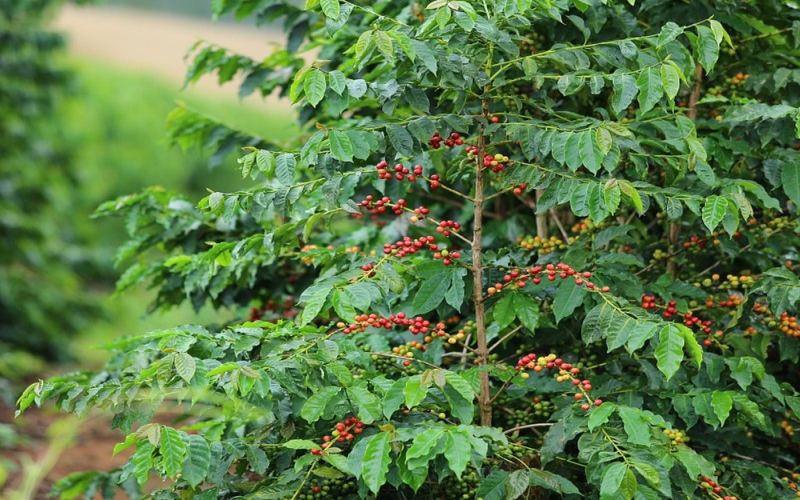
Choosing Americano coffee beans with prominent sweetness by roast level
If you want a noticeably sweet Americano, the roast level of the coffee beans directly shifts the balance in the cup. Light roasts tend to show fruit, florals, and bright acidity, feeling crisp and lively in an iced Americano; medium roasts balance caramel, ripe fruit, and tea-like notes, going down smoothly whether hot or over ice; medium-dark or dark roasts bring cocoa, nuts, and a roasty sweetness. [more…]
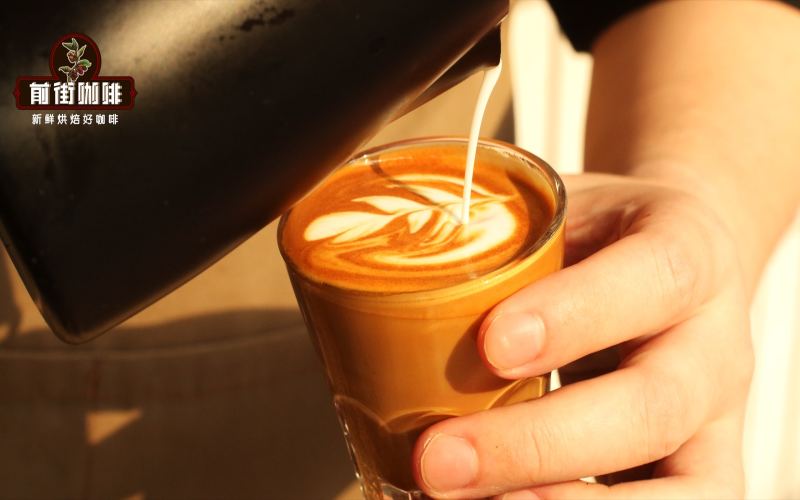
To make a tasty latte, cappuccino, or dirty coffee, first pick the right espresso beans.
The flavor of milk coffee depends seventy percent on the coffee and thirty percent on the milk. If the espresso is too weak, the milk coffee easily turns into a "milky drink"; if the espresso is too harsh, it will overpower the milk aroma. So when making lattes, cappuccinos, or Dirty coffee, choosing the right blend is crucial. The following three Front Street Coffee blends are all very suitable for milk [more…]
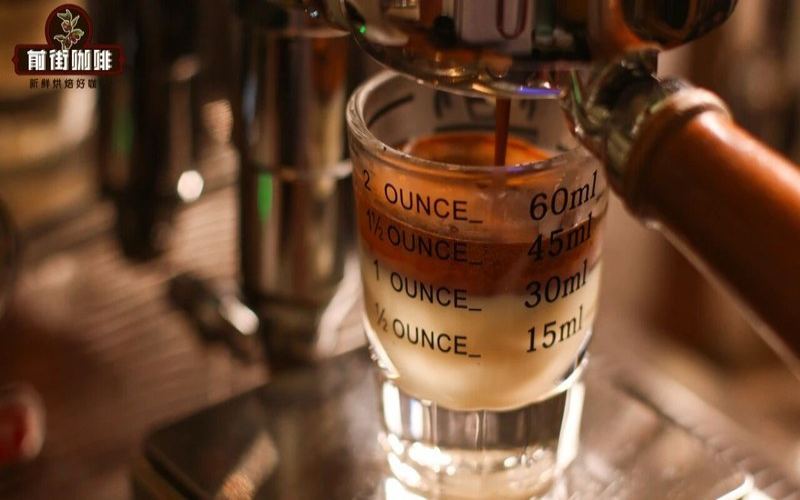
Choose cold brew coffee beans by roast level, with suitable options from crisp and refreshing to rich and full-bodied
Cold brew amplifies the smoothness of coffee after it enters the mouth, and also makes the bean's sweet aroma last longer. If you want a fresh, fruity flavor, you can start with a light roast; if you prefer a rounded, distinctly sweet taste, a medium roast is easier to adapt to; if you're used to cocoa, nuts, and a heavy mouthfeel, a medium-dark roast will be closer to your daily preference. Filter by roast level [more…]