







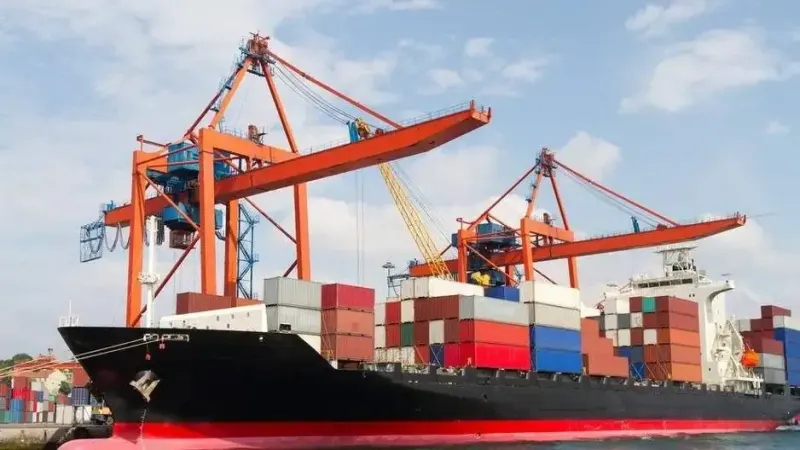
What a 70% freight rate drop means for the coffee industry
Shipping consulting firm Linerlytica forecasts container freight rates may fall by 70% over the next 12 months, a shift that matters to the coffee industry because it relies on maritime shipping. Lower rates would ease transport costs and supply chain tension, though coffee futures are still expected to stay high on reduced origin production and weather concerns.
The SCFI index shows freight rates declining since July, after an unusual spring rally driven by Red Sea tensions and pre-tariff shipments. Futures for Northern Europe routes trade more than 70% below spot, and the INE's CoFIF EC contract points to a similar drop by June next year, though analysts note the forecast rests on assumptions that may not hold.
Recently, shipping consulting agencies have predicted that container freight rates may drop sharply by 70% over the next year, which could be good news for the coffee industry that relies on maritime shipping. Lower freight rates are expected to ease pressure on transportation costs, alleviate supply chain tensions, and have a certain positive impact on coffee prices. However, coffee futures prices are expected to remain high due to reduced production in origin regions and weather concerns. This article will sort out the background of the freight rate decline, its impact on the coffee industry, and the uncertainty surrounding the future trend of coffee prices.
According to an analysis by shipping consulting firm Linerlytica, freight rates are expected to fall by 70% over the next 12 months. Data from the Shanghai Containerized Freight Index (SCFI) shows that shipping companies have failed to reverse the continuous decline in freight rates since July.
It is reported that this year's container shipping market has shown the characteristics of a busy off-season and a falling peak season. April is traditionally the off-season, but tensions in the Red Sea and some suppliers accelerating shipments before tariff adjustments combined to push container shipping prices higher all the way.
However, after entering July, although July to September is traditionally the peak season for container shipping, freight rates began to fall due to liner companies increasing capacity deployment and weakening market demand. Linerlytica believes that freight futures remain weak, with Northern Europe freight trading prices more than 70% lower than current spot prices. Although the decline is not as severe as at the end of 2022, current freight futures prices are expected to continue declining over the next 12 months. Although uncertainty remains over the Red Sea issue, freight rates will not rebound by the end of this year, nor will there be another sharp increase in early 2025 like this year.
In addition, long-term contract rates have the most significant impact on the global container shipping market. According to the latest CoFIF EC contract from the Shanghai International Energy Exchange (INE), container freight rates are expected to fall by more than 70% by June next year. However, the chief analyst at shipping benchmark platform Xeneta pointed out that the premise for a 70% drop in freight rates is that the Red Sea crisis is resolved and ships resume trade through the Suez Canal.
Nevertheless, this news is good for the coffee industry. Coffee transportation mainly relies on maritime shipping, and lower container freight rates can reduce transportation costs, especially given the recent rise in transportation costs and increased supply chain pressure caused by insufficient container capacity.
This helps ease supply chain pressure and may have a positive impact on coffee prices. Previously, because major global coffee-producing countries such as Brazil, Vietnam, and Indonesia reported reduced production, combined with high transportation costs, coffee prices rose accordingly, which to some extent dampened consumers' willingness to buy. Therefore, the current decline in freight rates is expected to stimulate market demand and have a positive effect on coffee production and sales.
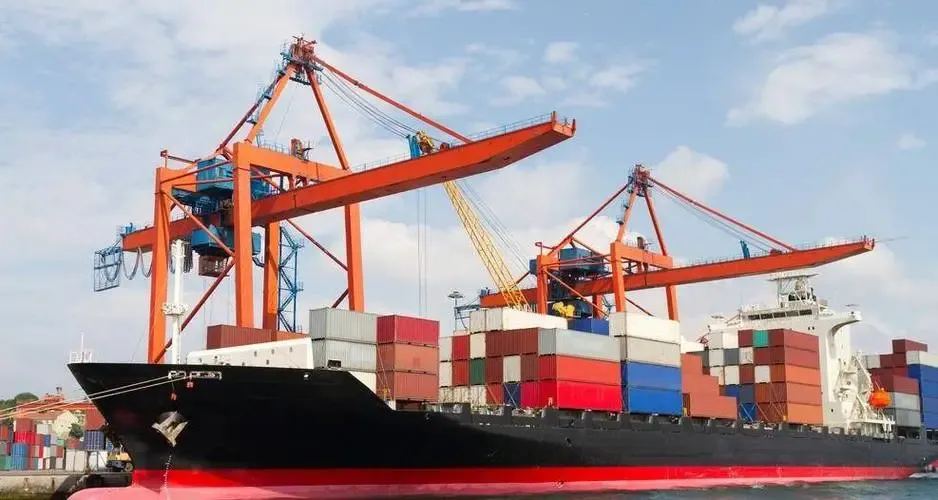
But a recent Reuters interview with 11 traders and analysts showed that due to concerns about worsening weather and reduced supply, both Arabica and Robusta coffee futures prices are expected to be higher than current levels by the end of 2024.
The main concern is a significant decline in production in several of the largest coffee-producing countries, and both Brazil and Vietnam are currently reported to be in drought conditions. The anticipated arrival of La Niña in September may worsen the current adverse situation and affect next year's new coffee crop, so prices will remain high and may continue to rise.
To learn more about coffee origin news and information, please scan the QR code to follow: Coffee Review
Long-press the QR code to follow:
The above content is compiled by CoffeeHunters, a coffee news website.


