








How should green coffee beans be stored and packaged?
Green coffee beans keep their quality through packaging and storage, not origin and processing alone. Jute bags remain the most common and economical option, but they block neither moisture nor odors, so beans inside can suffer in transit. Over the past decade, specialty roasters have driven faster shipping and more protective packaging to hold freshness, from vacuum bags to GrainPro-style bags and freezing.
The change was driven by necessity. Beans once traveled in containers for months before reaching roasters, and pre-shipment samples often arrived with quality damaged by poor atmospheric conditions. Many roasters, including small ones, now buy directly from farmers, share cupping and grading information, and ship faster in specially designed packaging. The cost is higher, but remains reasonable against rising specialty coffee prices. Seasonality, a recent focus, adds another layer to storage decisions.
The quality of green coffee beans depends not only on origin and processing method; their packaging and storage methods are equally crucial. From the most common jute bags to vacuum bags, grain bags, and even frozen storage, different packaging methods vary significantly in their protective effects and costs for green beans. Over the past decade, specialty roasters have driven innovations in packaging and transportation methods, using faster and more scientific approaches to lock in the freshness of green beans. This article will systematically review the pros and cons of common packaging, storage environment requirements, and explore the concept of "seasonality," which has gained much attention in recent years. Whether you are a roaster or a coffee enthusiast, understanding this knowledge can help you better assess and preserve coffee beans.
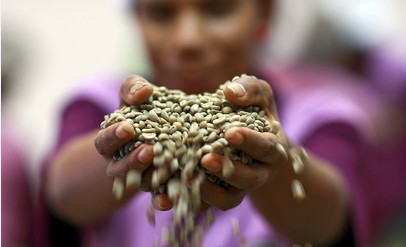
For more specialty coffee knowledge, please follow: Front Street Coffee (Frontsteet Coffee)
Until recent years, all coffee beans were packaged in jute bags and transported in containers, often taking several months after processing to reach roasters. If roasters and importers occasionally wanted to cup coffee beans from the origin, or taste "pre-shipment samples," they would receive beans whose quality had been ruined by poor atmospheric conditions during storage or transport.
Over the past decade, some small, quality-focused roasters took the initiative to change green bean packaging and transportation methods. Many roasting companies, even the smallest ones, now buy coffee beans directly from farmers, share cupping and bean grading information with them, and use faster transportation methods and specially designed packaging that preserves bean freshness and quality. These packagings can be expensive, but considering the continuously rising prices of specialty coffee, these shipping costs are still reasonable.
The following are the most commonly used packaging methods:
Jute bags, which can be seen everywhere in Front Street stores, are the most common and most economical choice for packaging and transporting green beans. Jute is a renewable resource, and jute bags are cheap and require no special skills or equipment beyond the capabilities of ordinary mills and export points. However, jute bags cannot block moisture and odors, so the coffee beans they contain are easily damaged during storage and transport.
Vacuum packaging is the best method for green bean packaging. Vacuum bags can isolate green beans from moisture, odors, and oxygen, and can greatly slow down the respiration process, thereby slowing the aging process of coffee beans. Before placing green beans into vacuum bags, close attention must be paid to the beans' water activity to avoid mold during storage. The cost of vacuum packaging is nearly $0.15-0.25 per pound (€0.45-0.75 per kilogram), and it requires special machines and skills, often delaying the transportation time of green beans, so this method is still cost-free and risk-free.
Jute bags and other sealed bags can isolate green beans from moisture and odors, and are cheaper and more convenient than vacuum bags. Grain bags protect green beans for much longer than jute bags, but only half as long as vacuum bags. The cost of grain bag packaging is $0.05-0.10 per pound (€0.15-0.30 per kilogram), making grain bags the most practical and best choice for quality-focused roasters. As with vacuum packaging, before placing green beans into grain bags, close attention must be paid to the beans' water activity to avoid mold or microbial growth during storage.
Frozen storage, which involves placing green beans in vacuum bags and storing them below 0°C (32°F), can preserve coffee bean flavor for several years. Some roasters freeze large quantities of specialty coffee beans for several years and sell them as vintage coffee beans, but current market demand for such beans is still very small. Cold storage can preserve the flavor of five-year-old green beans as well as one-month-old green beans, which is truly surprising, but this method is still too expensive, and some even consider it wasteful. However, in some high-temperature regions, freezing is still a method worth considering, because most green beans will be damaged after a few days in extremely hot environments.
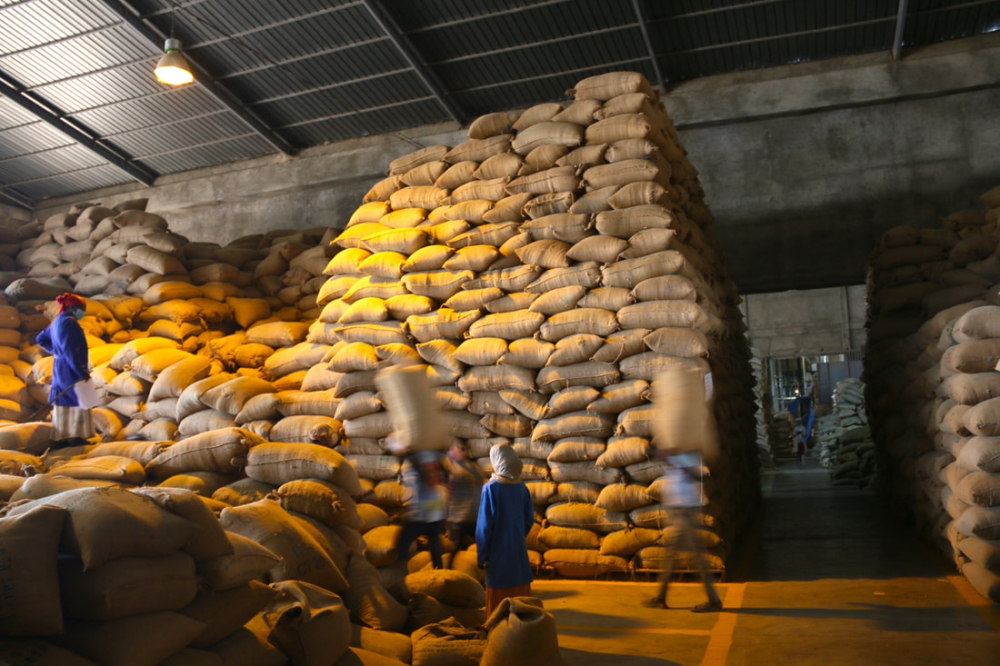
No matter which method roasters choose, action must be taken to ensure the warehouse has a stable storage environment year-round. Extremely hot or humid environments, storing green beans in high places where temperatures may be higher than imagined, or storing green beans too close to the roaster—all these situations can affect the quality of green beans.
Seasonality
In recent years, some roasters have emphasized providing only "seasonal" coffee beans. As with many other concepts in the coffee industry, there is no universally accepted definition of seasonality. Some believe that only recently harvested green beans can be considered seasonal, while others define the harvest time of seasonal green beans less strictly.
Here is a definition proposed by professional green bean buyer Ryan Brown: "We focus on seasonality precisely because we focus on coffee quality. As long as the coffee tastes vibrant, can express its acidity, and has no signs of being 'old,' then the beans can be called seasonal—it's that simple."
The above content is compiled by CoffeeHunters, a coffee news website.


