







Can Sailing Cargo Ships Carry Green Coffee Beans Again?
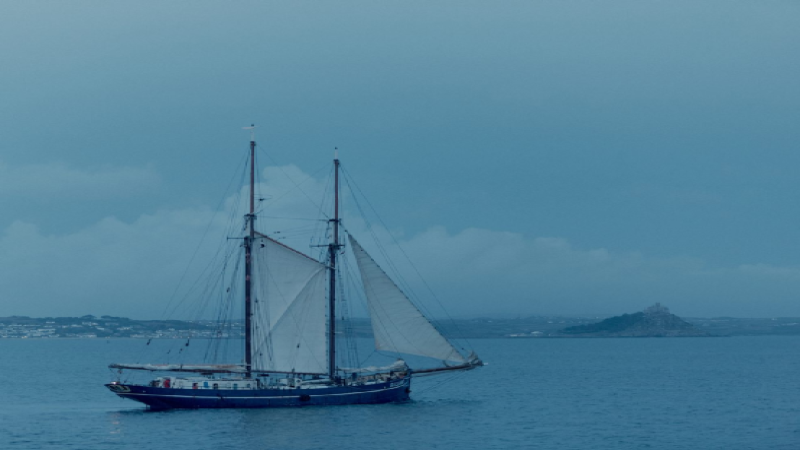
A British experimental company, NEW DAWN TRADERS, is chartering sailing ships and dropping fuel engines to move green coffee beans from places like Colombia back to the UK. The voyage takes more than five months and covers about 7,000 nautical miles. It is far slower than conventional freight, but carbon emissions fall sharply because no fossil fuel powers the crossing.
Rising interest in whether coffee is organic and how much carbon it takes to reach the cup is driving the idea. Since producing and consuming countries are separated by oceans, tens of thousands of tons of beans normally travel by air or sea on fossil fuels. Canada's Café William and Sailcargo are also building zero-emission sailing cargo vessels, with plans to begin service in 2023.
After the COVID-19 pandemic, consumers are paying more attention to how environmentally friendly coffee is—from green bean cultivation to the coffee in their cup, carbon emissions are being taken into account. Coffee-producing countries and consuming countries are mostly separated by oceans, and tens of thousands of tons of coffee beans rely on air or sea freight, with fossil fuels being an unavoidable source of power. British experimental enterprise NEW DAWN TRADERS is trying to change this situation: they charter sailing ships, abandon fuel engines, and transport green coffee beans back to the UK from places like Colombia. The voyage lasts more than five months and covers about 7,000 nautical miles. Although it takes much longer, it significantly cuts carbon emissions. Meanwhile, Canada's Café William and Sailcargo are also building zero-emission sailing cargo ships, with plans to put them into operation in 2023. This article will review the glorious history of sailing cargo ships and explore the possibilities of this ancient mode of transport in the modern coffee industry.
After the COVID-19 pandemic broke out, people's attention to environmental protection has clearly increased. Even for a daily cup of coffee, people have begun to care about whether it is organic, whether it is environmentally friendly, and how much carbon emissions are generated in the process from green beans to brewed coffee. As is well known, the transportation of coffee beans mostly relies on fuel-consuming vehicles, and coffee-producing countries and coffee-consuming countries are often separated by oceans. This means that whether tens of thousands of tons of coffee beans are transported by air or sea, their power source cannot be separated from fossil fuels.
However, this situation is being rewritten. A British experimental enterprise named NEW DAWN TRADERS believes it has found a solution—abandoning fossil fuel engines in international freight and using sailing ships to transport coffee beans instead.
Founded in 2013, the company adopted ecologically conscious international freight methods from the very beginning. According to Atlas Obscura, they do not currently own their own ships; all ships currently in service are chartered. Each year, the company charters two sailing ships, departing from the UK for Portugal, Costa Rica, the Caribbean, and Colombia, transporting a variety of cargo including honey, wine, rice, olive oil, and naturally, green coffee beans.
On one of its transatlantic voyages, NEW DAWN TRADERS set sail from Las Brisas in Tolima, Colombia, loaded with a shipment of green coffee beans. The journey lasted nearly more than five months and covered about 7,000 nautical miles, carrying these green beans across the ocean to a small port in Cornwall, UK.
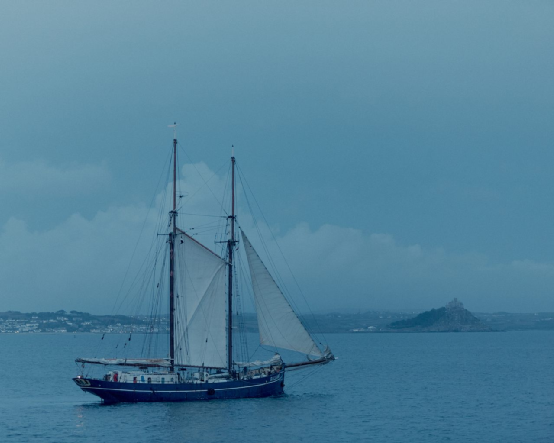
It must be admitted that without the power provided by modern and contemporary technology, transportation time is greatly extended. However, this oldest form of shipping, powered by wind, makes the entire transport team proud because it minimizes carbon emissions.
Coffee Workshop reported last year that Canadian coffee roaster Café William and its partner Sailcargo are building zero-emission sailing cargo ships and plan to put them into operation in 2023.
Sailing cargo ships once had glorious years. In the 19th century, in order to bring the freshest tea back to Europe, Europeans made many technical improvements to sailing ships, even giving rise to a race to test speed. That year, the clipper Cutty Sark set off from Hankou, fully loaded with Chinese tea, and arrived in London in only 109 days. Cutty Sark was the last clipper built in the UK and also the fastest one.
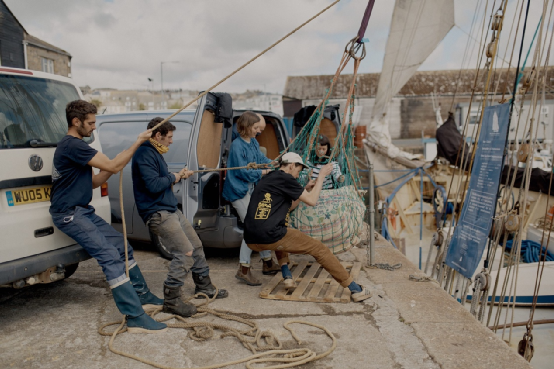
Later, after the Suez Canal opened to navigation in 1869, steamships gradually replaced sailing ships in transportation due to their faster speed and the advantage that sailors did not need special training.
With development up to the present, modern shipping vessels cause considerable environmental pollution. In order to achieve carbon neutrality goals as soon as possible, some companies have begun to re-examine sailing shipping trade. Although all beginnings are difficult, sailing transport may not necessarily replace today's traditional transport methods.
However, in today's world with such advanced technology, there are still people willing to pick up the method from more than two hundred years ago to transport coffee beans. This may sound unrealistic, but for those who miss the Age of Discovery, it is still an interesting thing.
Image source: Internet
For professional coffee knowledge exchange and more coffee bean information, please follow Coffee Workshop (WeChat public account: cafe_style)
For more specialty coffee beans, please add the private WeChat of Front Street Coffee (FrontStreet Coffee), WeChat ID: qjcoffeex
The above content is compiled by CoffeeHunters, a coffee news website.


