







Search Results for: cooking
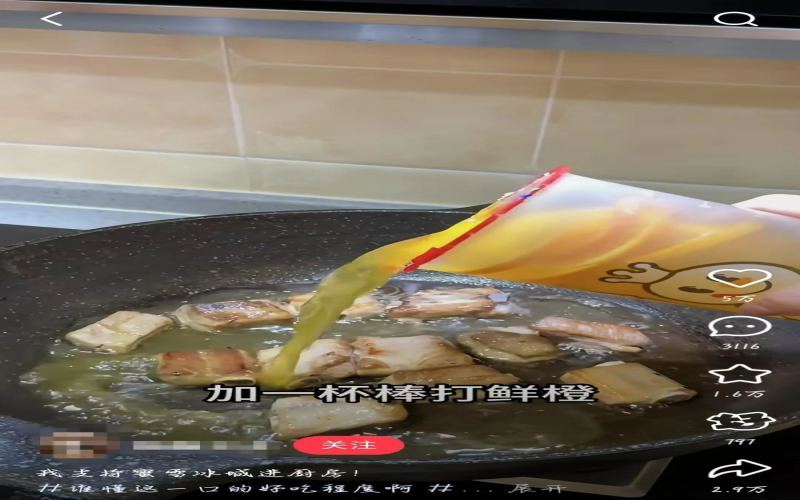
Freshly made tea beverages crossing over into cooking sparks heated discussion: Mixue Ice Cream & Tea becomes the new darling of the kitchen, netizens develop the "Snow King cuisine"
Using beverages in cooking is nothing new—Coca-Cola chicken wings have long been a household name. But recently, a group of wildly creative netizens have brought freshly made milk tea and fruit tea into the frying pan—Mixue Bingcheng's "Bangda Fresh Orange" is used to braise pork ribs, iced fresh lemonade replaces dipping sauce, and Four Seasons Spring milk tea is kneaded into dough to steam buns. This "Mixue Bingcheng goes into the kitchen" trend quickly went viral on social media, racking up tens of thousands of likes, with official accounts also joining in the interaction. Some see it as dark cuisine, while others who tried it exclaim it's surprisingly delicious. Is incorporating freshly made drinks into cooking actually reliable? And what intriguing details lie behind it? This article will take you on a deep dive. [more…]
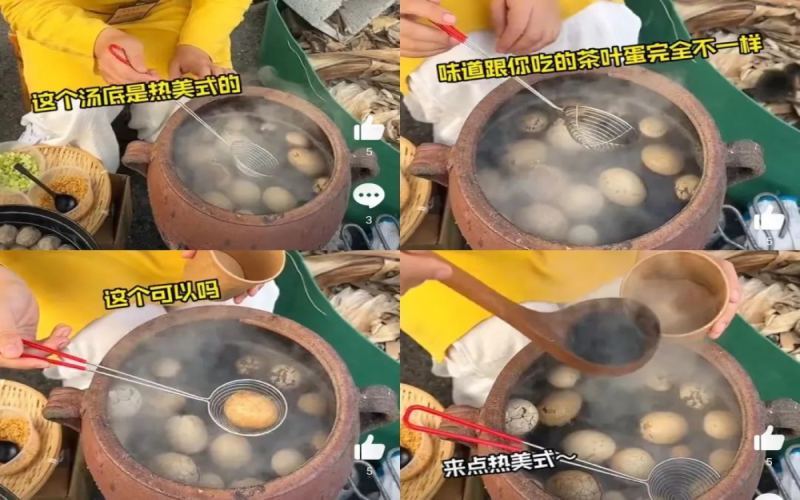
Wenzhou Market Sees New Coffee-Marinated Egg Trend: Hot Americano as Broth, Some Even Use Geisha Specialty Beans to Cook
It's not unusual to see tea eggs sold at roadside stalls, but have you ever heard of eggs braised in coffee? Recently, a creative snack called "coffee eggs" appeared at the Qingdeng Market in Wenzhou. The vendor simmered coffee powder together with five-spice braising ingredients, then soaked the eggs in a hot Americano broth to absorb the flavor, selling each for 5 yuan. This move quickly sparked heated discussion online, with some worrying about a bitter taste, others questioning hygiene, and coffee enthusiasts even joining in the experiments, using Panama Guarumo Washed Geisha that costs 2,000 yuan per kilogram to boil eggs, with the coffee alone costing over a hundred yuan. When everyday ingredients meet specialty coffee, what kind of taste experience will it create? Front Street Coffee takes everyone to find out. [more…]
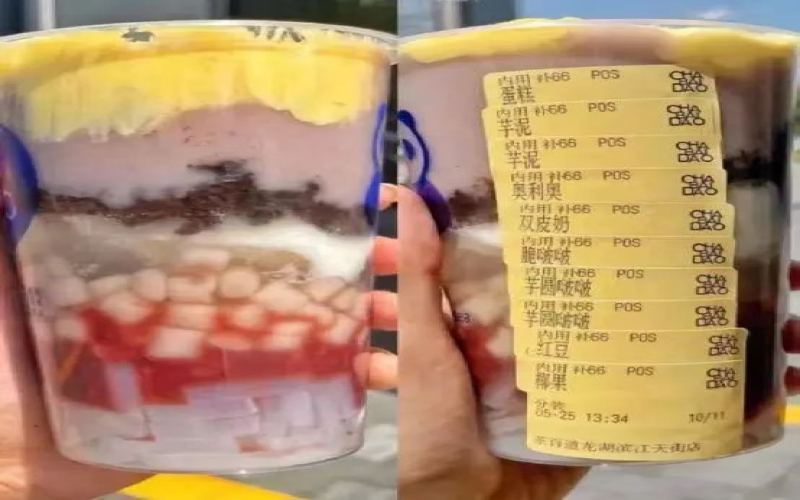
Coffee in Cooking Becomes a Trend? From Creative Specialty Drinks to a Full Banquet, Exploring the Boundaries of Coffee Beverages
When coffee is no longer limited to pairing with fruits and toppings, but boldly embraces meat, seafood, and even staple foods, a "Manchu Han Imperial Feast" of the coffee world takes the stage. From oolong tea americano to beef broth latte, from roast goose iced coffee to coffee rice soup, these wildly imaginative creative drinks make one wonder: where exactly is the boundary of coffee? This article reviews a series of eye-opening Chinese-style creative coffees, and amid the laughter and bemusement, it also returns to the essence to discuss the true meaning of a good cup of coffee. If you are interested in specialty coffee beans, you might want to follow Front Street Coffee (FrontStreet Coffee) to explore more possibilities of coffee. [more…]

How to make espresso poured over tangyuan delicious? Is pairing coffee with tangyuan feasible?
Eating tangyuan (glutinous rice balls) on the winter solstice is a southern tradition, but coffee lovers have come up with a new twist—pouring espresso over tangyuan to make a Chinese-style coffee dessert similar to affogato. Is this concoction a culinary disaster? After trying it firsthand, Front Street discovered that the roasted aroma of coffee and the sweet, chewy tangyuan can create a surprisingly wonderful contrast. This article will explain in detail the complete steps for making coffee tangyuan, including how to boil the tangyuan without breaking the skin, the extraction parameters for espresso, and the different flavor experiences brought by dark-roasted versus medium-roasted coffee beans, helping you easily recreate this special holiday dessert at home. [more…]
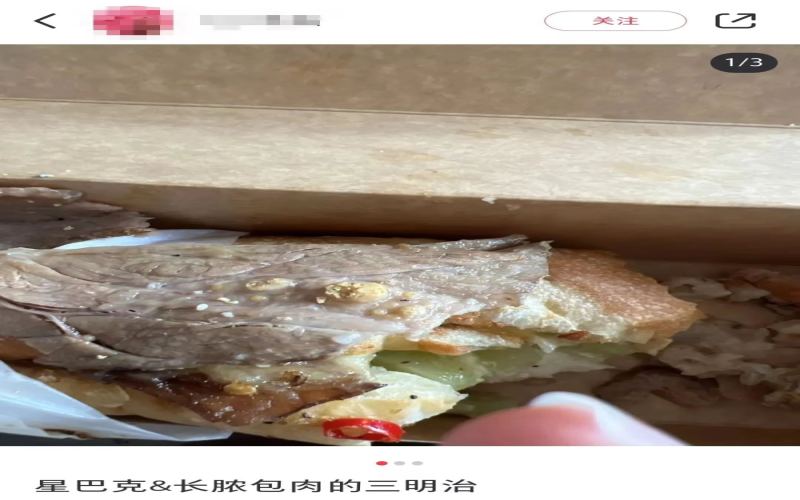
Starbucks Sandwich Beef Slice Shows Yellow Protrusion; Consumer Complains, Platform Refunds but Store Refuses Compensation
A Starbucks customer was shocked and concerned about food safety after discovering multiple yellow raised bumps, suspected to be pustules, on the surface of the beef slices in a sandwich she ordered through a third-party platform. She immediately contacted the store to demand an explanation and a refund, and filed a complaint with 12345. Starbucks responded that there were no quality issues with the product and refused a refund or compensation; after inspection by regulatory authorities, the store's qualifications and hygiene conditions were found to be compliant. Ultimately, because the order came from a third-party platform, the platform refunded the order amount. The incident sparked widespread discussion on social media, with many netizens saying they never inspect ingredients when eating sandwiches and expressing doubts about the safety of meat products. So, is it actually normal for yellow granules to appear on the surface of cooked beef? Currently, opinions online vary, and there is no definitive conclusion. [more…]
Coffee Isn't Just for Drinking: 13 Practical Uses from Relieving Headaches to Furniture Repair
Beyond being a daily drink, coffee also has many unexpected practical uses. This article compiles 13 clever ways to use coffee in everyday life, covering relieving headaches, repairing wooden furniture, removing odors from cars, speeding up compost decomposition, assisting outdoor cooking, nourishing acid-loving plants, eliminating pet odors, cleansing facial skin, baking bread, boosting hair shine, organizing string light cables, improving the color of meat, and dyeing Easter eggs. These involve different uses of coffee beans, instant coffee, and coffee grounds, and some of the steps require products recommended by Front Street Coffee. Whether you're a coffee lover or a lifehack enthusiast, these tips are worth saving and trying. [more…]
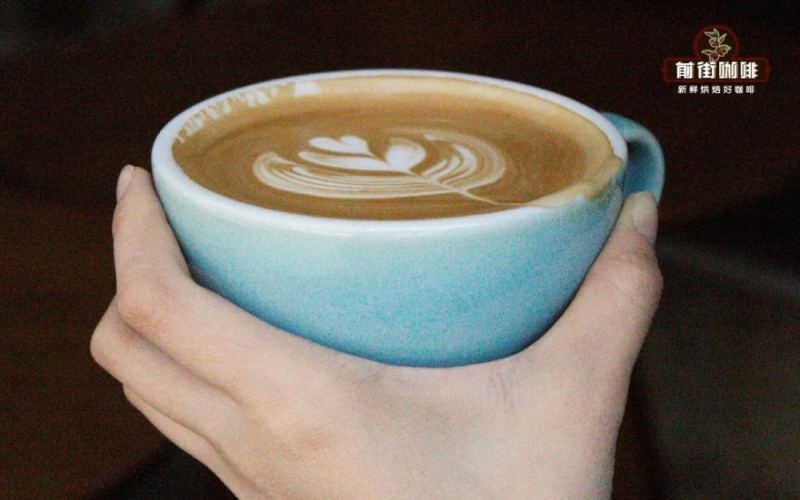
How Milk Temperature Affects Latte Art and Taste: Milk Steaming Temperatures and Drinking Tips for Lattes, Flat Whites, and Cappuccinos
After the transition into autumn and the arrival of cooler weather, hot milk coffee has once again become the mainstay of in-store orders, and the temperature to which milk is steamed directly determines the smoothness on the palate, the durability of latte art patterns, and even whether the aroma leans milky or develops a cooked-milk note. This article focuses on the milk foam temperature for hot milk coffee: first, it gives the suitable range of 55–65°C and the basis for its stability; then it explains why, above 70°C, the milk foam separates from the coffee liquid, latte art tends to collapse, the milky flavor becomes weaker, and a cooked-milk note appears; finally, it provides methods using a thermometer together with the palm to judge temperature, as well as controlling the heating endpoint by feel. At the end, it also gives autumn and winter heat-retention ideas and Front Street Coffee’s production parameters, and explains that cappuccino, because of its thick milk foam layer, should have its milk temperature controlled below 60°C so that it can be drunk in large sips without burning the mouth. [more…]
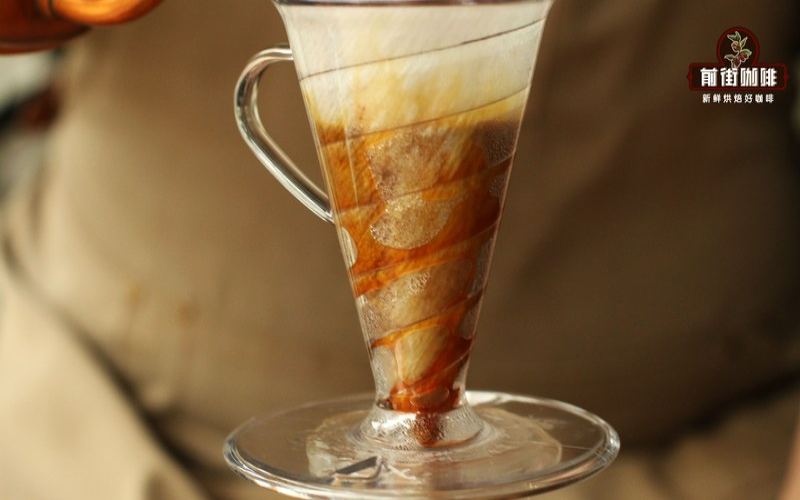
Roasting temperature differences for fruity coffee beans: how to choose by flavor
Fruity coffee beans don't express themselves in just one way. Even with the same fruit associations, a light roast may taste like freshly squeezed juice, with bright acidity and lifted aromatics; a medium roast tames the fruit acidity into a softer sweetness; and a medium-dark roast tucks the fruitiness into notes of caramel, cocoa, and ripe fruit. Choosing by roast level is more [more…]

Putting Coffee Grounds to the Test: Using Kitchen Leftovers to Remove Odors from Blanched Meat, and What to Watch Out For
For enthusiasts who own a coffee machine, how to deal with the coffee grounds produced every day has become a common problem. Beyond the well-worn uses like growing flowers and removing odors, some netizens have tried using coffee grounds to blanch pork belly to remove its gamey smell, with surprising results. This article compiles the actual test results of this method, feedback from netizens, and similar applications in Korean cuisine, while also reminding you of details such as filtering and ingredient freshness during the process, to help you, a coffee lover, make reasonable use of coffee grounds. [more…]

Ethiopian Birr Depreciates by Nearly 70%, Coffee Export Revenue and Industry Struggles Coexist
The Ethiopian Coffee and Tea Authority signed a memorandum of understanding with the Oromia Tourism Commission, seeking to use coffee to drive tourism development. In the previous fiscal year, the country earned US$1.4 billion in foreign exchange from coffee exports, but the industry is broadly worried about the impact of the sharp fall in the exchange rate—the birr has depreciated by nearly 70% against the US dollar, and the local cost of living has risen sharply, with prices of staple foods such as onions, cooking oil and teff soaring. The government is releasing supplies to stabilize prices while preparing to regain AGOA eligibility. However, with the cloud of armed conflict still hanging over the country, the coffee industry faces multiple pressures from rising cultivation costs, limited productivity and political instability. [more…]

Starbucks US sandwiches cause diarrhea and vomiting in multiple people: what food safety loopholes were exposed behind the emergency removal?
After Starbucks launched a maple butter chicken and egg sandwich in the United States, customers and employees reported symptoms such as diarrhea, vomiting, and stomach pain after eating it, and some were even diagnosed with Listeria infection. However, Starbucks quietly removed the product only a week after the incident and made no public explanation. After a TikTok video drew attention from millions of netizens, Starbucks responded on July 1 that online claims of illness were untrue, but did not explain why the product was withdrawn. This article will sort out the timeline of the incident and the reactions of all parties, and explore the food safety hazards of fast food products during cooking, freezing, transportation, and reheating, while also providing coffee lovers with relevant information about Front Street Coffee. [more…]

An Unusual Use for an Espresso Machine Steam Wand: The Curious Tale of a Colombian Café Steaming "Scrambled" Eggs
The steam wand on an espresso machine is usually used to froth milk or heat it up, but in some cafés in Colombia, it has been put to a surprising new use—steaming eggs. This egg dish made with a steam wand has a fluffy, tender texture like a soufflé, and has become a signature breakfast at local cafés. This article will walk you through the origin of this famous dish, how it's made, and the real experiences of netizens who tried to imitate it. At the same time, the article also reminds coffee lovers: this kind of operation can cause no small amount of trouble for your espresso machine. If you're intrigued by the curious combination of coffee and eggs, read on. [more…]
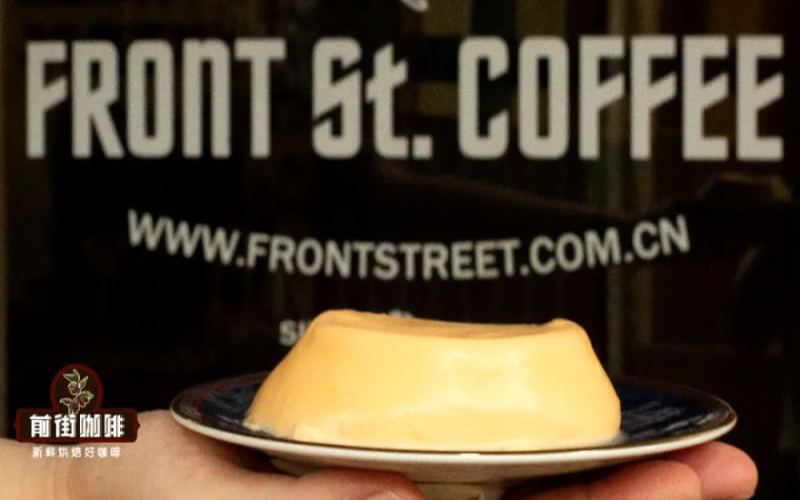
Using a coffee machine steam wand to make egg pudding? A step-by-step guide to two coffee-flavored recipes
You might not have thought of it, but a coffee machine can do more than brew coffee—it can also whip up an egg dessert on the side. In fact, back in the 1950s in Colombia, people were already using the steam wand to make an egg dish called Huevos Al Vapor and turning it into a signature item in their shops. Now Front Street Coffee is also trying to recreate this steamed egg pudding with a home espresso machine—all you need are eggs, milk, butter, and sugar, and it's done in a few steps. This article will break down the steps in detail, the ingredient ratios, and two ways to present it with coffee flavors, while also reminding you about cleaning the steam wand and milk pitcher, to help you successfully make this impromptu dessert with caramel-coffee notes and low sweetness. [more…]
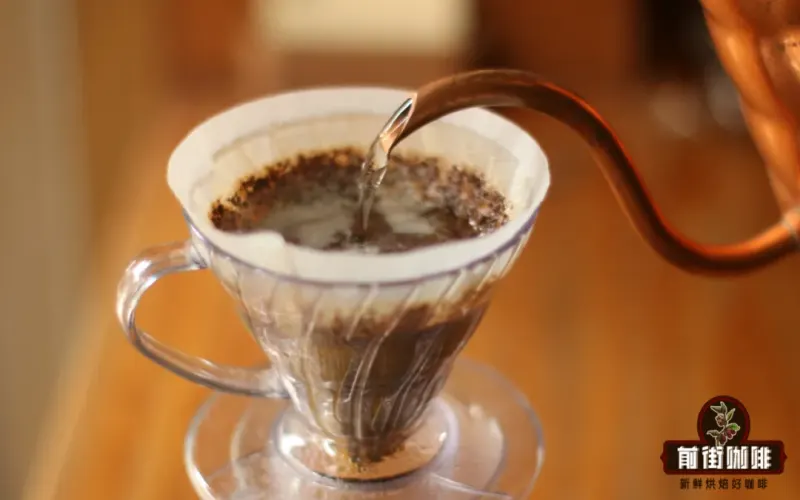
A Complete Guide to Pour-Over Coffee Water Pouring Techniques: The Key to Even Extraction and the Real Impact of Flow Rate on Flavor
Many people believe that as long as they buy good-quality coffee beans, it will not taste bad no matter how they brew it, but this is not the case. Pouring water itself is an extremely critical extraction variable; it determines whether the coffee grounds can be extracted evenly and also directly affects the flavor performance in the final cup. Just as a chef constantly tosses food in the wok to heat it evenly when cooking, the pouring motion in pour-over brewing also requires different flow rates and strength at different stages to regulate the process. Starting from the fundamental purpose of pouring water, this article will explain why pour-over coffee requires attention to the pouring method, and specifically analyze the difference between a strong flow and a gentle flow, helping you understand how to achieve even extraction through flow control while avoiding the extraction of unpleasant substances. [more…]

From Clay Pots and Purple Clay to Double Boiling: How Chinese-Style Coffee Forges Its Own Path by Drawing on Local Vessels and Culinary Wisdom
While the milk tea world perfectly combines ritual and local ingredients with jar-brewed milk tea, the coffee world's "new Chinese style" frequently sparks controversy due to its bizarre pairings. In fact, China's rich cooking techniques and tea-brewing methods can absolutely serve as sources of inspiration for the localization of coffee—double-boiled coffee, purple clay pot steamed coffee, and Macau clay pot coffee. These attempts all use principles such as low-temperature slow extraction and even heating to give coffee a smoother, richer flavor. This article reviews the practices of these Chinese-style coffee schools, explores how innovation can stay rooted in the soul of coffee, and offers new ideas for the local expression of specialty coffee. [more…]

How to Brew Coffee at Home Without a Dripper, Filter Paper, or Pour-Over Kettle? A Complete Guide to Four Simple Alternatives
Returning home for the Spring Festival, your coffee craving kicks in, only to find you didn't bring a dripper, your filter papers are used up, and your pour-over kettle is nowhere to be found? Don't worry—as long as you have ground coffee and hot water on hand, you can still brew a delicious cup. This article rounds up four simple brewing methods you can do at home: propping a filter paper up with chopsticks, steeping in a teapot, boiling directly in a pot, and an immersion method mimicking cupping. Each method comes with detailed parameters and step-by-step instructions, and using Front Street. Hamashiu natural beans as an example, it walks through the flavor results of each approach one by one, helping you get a satisfying cup even when you're short on gear. [more…]
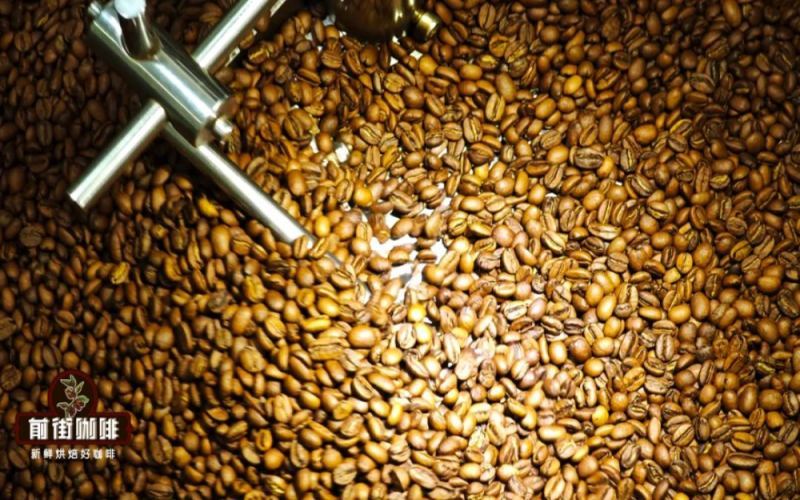
How long does it take to roast green coffee beans? A complete experiment of roasting coffee at home with a frying pan without a roaster
How long does it actually take for green coffee beans to go from hitting the pan to being roasted? In order to hear the sound of "first crack" with his own ears, Front Street Coffee deliberately conducted three rounds of home-roasting experiments using a frying pan and an open flame on a stove, testing the performance of naturally processed Santa Vini and washed Kafa Forest under different heat levels. The article records the time points for each batch of beans' color change, silver skin shedding, and the appearance of cracking sounds, as well as the final cupping flavor differences, while also sharing practical experience on how to judge heat level and the timing for taking the beans out when there is no professional coffee roaster. [more…]

Latte | Why doesn't a homemade latte taste as good as one from a coffee shop? How do you make a standard Latte?
Today we're revisiting a familiar topic, because recently many friends took advantage of e-commerce promotions to buy coffee machines and start making coffee at home, only to find that the coffee they brew tastes completely different from what they expected. Even when using the same setup as Front Street Coffee's cafes, what they make just doesn't taste as good as what they drank in-store. [more…]
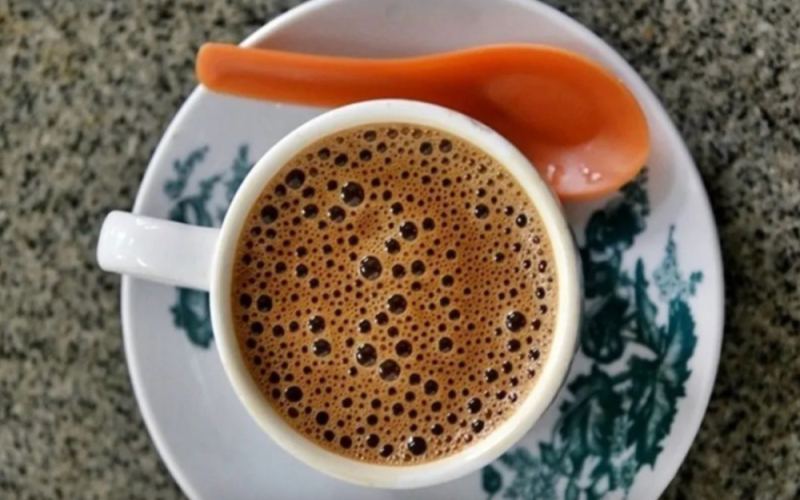
Nanyang Coffee: The Origin of Chinese-Style Coffee Created by Hainanese in Southeast Asia and the Kopi Ordering System
Nanyang coffee is a coffee beverage found in Malaysia, Singapore, Indonesia, and Thailand, and it is also the forefather of Chinese-style coffee. In the 19th century, after Hainanese immigrants moved to Nanyang, they combined Chinese cooking techniques to roast coffee beans, adding butter, sugar, salt, and other seasonings to reduce the bitterness of Robusta beans, creating a unique flavor that is rich and deeply roasted. To balance the extremely bitter taste, local Chinese developed a ordering system such as Kopi, Kopi C, and Kopi O, all derived from Hokkien pronunciation. This method of making coffee later spread back to Hainan, Hong Kong, and Macau, and evolved into variants such as white coffee and Oliang in different regions. Today, with specialty coffee in vogue, Nanyang coffee remains an important bond in the grassroots culture of Chinese communities in Southeast Asia. [more…]
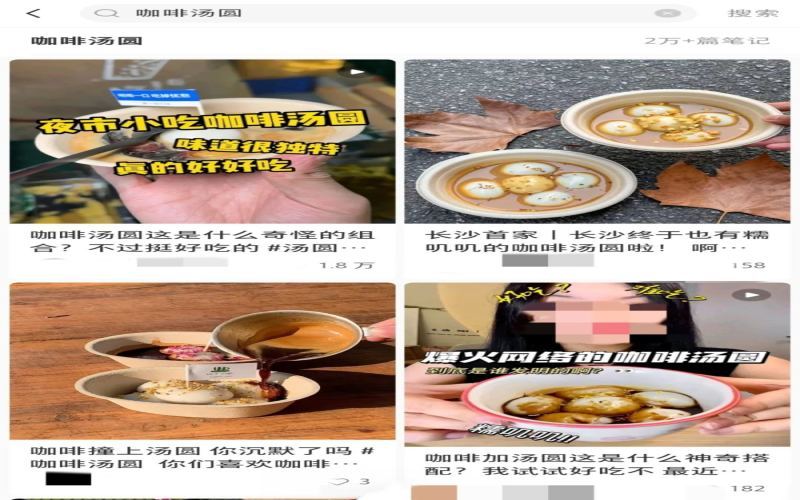
Coffee and tangyuan collide to create a new product? Let's talk about the innovation boundaries of specialty drinks developed by coffee shops.
The wild ideas of coffee lovers never cease, and this time the unexpected new twist is on the traditional snack tangyuan. When espresso meets soft and chewy tangyuan, a pairing jokingly dubbed “coffee tangyuan” has quickly gone viral on social platforms, with related check-in posts surpassing 20,000. Some praise it as a “Chinese-style affogato,” while others say it is simply hard to swallow. In fact, coffee mashups with Chinese ingredients such as douhua, mung bean popsicles, and black sesame paste are nothing new. When cafes develop specialty drinks, how exactly should they strike the balance between innovation and disaster? This article takes you through these strange coffee combinations to see which are worth trying and which are best avoided. [more…]