







How Are Red Sea Disruptions Raising Swiss Coffee Shipping Costs?
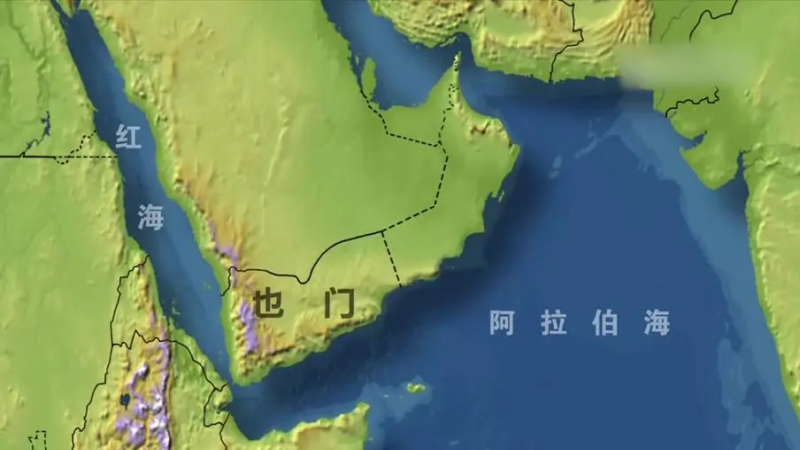
Red Sea and Gulf of Aden security problems have pushed most shipping lines to skip the Suez Canal and sail around the Cape of Good Hope, adding two to three weeks to transit times. In its January 2024 logistics report, Swiss coffee trader Sucafina noted rising risk near the Bab-el-Mandeb Strait, and carriers including CMA CGM and Maersk have announced war risk surcharges.
Longer routes cut container turnover and tighten vessel capacity, which can lift freight rates further. In East Africa, truck and fuel shortages in Burundi and congestion at Dar es Salaam delay coffee exports. Vietnam coffee prices have edged lower, but Brazilian coffee keeps climbing on drought concerns, so supply chain pressure is passing from shipping to consumers.
Recently, the security situation in the Red Sea and the Gulf of Aden has remained tense, causing most shipping companies to suspend or adjust routes through the Suez Canal and instead divert around the Cape of Good Hope. In its latest monthly logistics report, Swiss coffee trader Sucafina noted that frequent armed attacks have sharply increased risks near the Bab-el-Mandeb Strait. Some carriers have resumed transits, but several companies, including CMA CGM and Maersk, have announced they will impose war risk surcharges. Route changes have extended shipping times by 2 to 3 weeks, reduced container turnover efficiency, and tightened capacity, which may further push up freight rates. Meanwhile, in East African producing regions, truck and fuel shortages have hindered coffee transportation, with severe congestion at ports such as Dar es Salaam. Although Vietnamese robusta coffee prices have edged lower, Brazilian coffee prices continue to rise amid drought concerns. Front Street Coffee notes that supply chain pressure is transmitting from the shipping side to the consumer side, and coffee prices still face upward risks in the short term.
The latest logistics report for January 2024 released by Swiss coffee trading company Sucafina shows that, due to ongoing armed attacks around the Bab-el-Mandeb Strait linking the Red Sea and the Gulf of Aden, the vast majority of shipping companies have chosen to suspend Red Sea routes or reroute around the Cape of Good Hope. However, some companies such as CMA CGM and Maersk have recently begun to resume voyages through the Suez Canal. At the same time, multiple carriers have invoked force majeure and announced additional war risk surcharges.
Affected by blocked passage through the Suez Canal, cargo has been forced to be diverted, increasing overall transit time by 2 to 3 weeks. Container turnover rates have therefore declined, and shrinking capacity may push up freight rates and prompt surcharges to take effect. In addition, service network adjustments and ships taking detours have also caused a marked deterioration in schedule reliability.
In East Africa, Burundi faces truck and fuel shortages, causing delays in coffee exports. Tanzania's Dar es Salaam port is severely congested, disrupting vessel berthing and shipping schedules.
The Red Sea situation has also prompted a large number of companies to reroute around the Cape of Good Hope, with vessels leaving the Red Sea one after another and sailing along the coasts of South Africa and West Africa. The surge in traffic has caused severe congestion at bunkering ports around Africa. As a result, vessel capacity has declined at Kenya's Mombasa port, Tanzania's Dar es Salaam port, and Djibouti port; port infrastructure is under enormous pressure, and transit times have been greatly extended. Equipment shortages and tight space are expected in the coming months.
On the other hand, the Vietnam Coffee and Cocoa Association recently said that the current coffee price is 70 million to 71 million Vietnamese dong per ton, down from the previous 72 million to 73 million Vietnamese dong per ton. There are reports that some coffee buyers are avoiding importing robusta coffee beans from Vietnam. Because Houthi armed attacks on ships in the Suez Canal have raised freight costs for imports from Vietnam, many importers have turned to Brazil to buy robusta coffee beans, as Brazil has an advantage in shipping costs and shorter transit times.
However, in Brazil, coffee prices are still climbing, with the market worried that recent dry weather may damage the coffee crop. According to a report by Somar Meteorologia, rainfall in Brazil's Minas Gerais state over the past week was 70.9 millimeters, only 85% of the historical average. Combined with reduced production and low coffee inventories, upward pressure on prices persists.
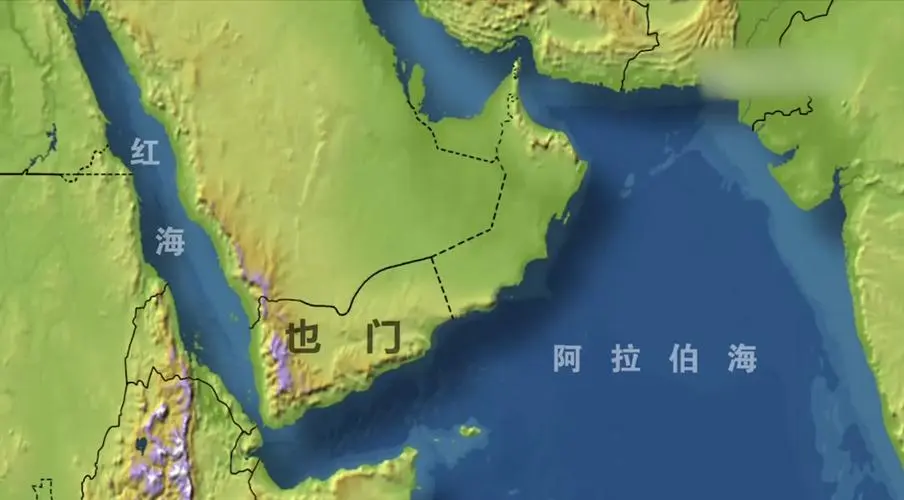
Front Street Coffee reminds that the Red Sea route problem will be difficult to fully resolve in the short term, and war risk surcharges and capacity tightness caused by rerouting will continue to support coffee prices. Consumers and traders need to pay attention to weather changes in major producing regions and port congestion so they can adjust purchasing strategies in a timely manner.
The above content is compiled by CoffeeHunters, a coffee news website.


