







How Do Typhoons Affect Vietnam Coffee Harvests?
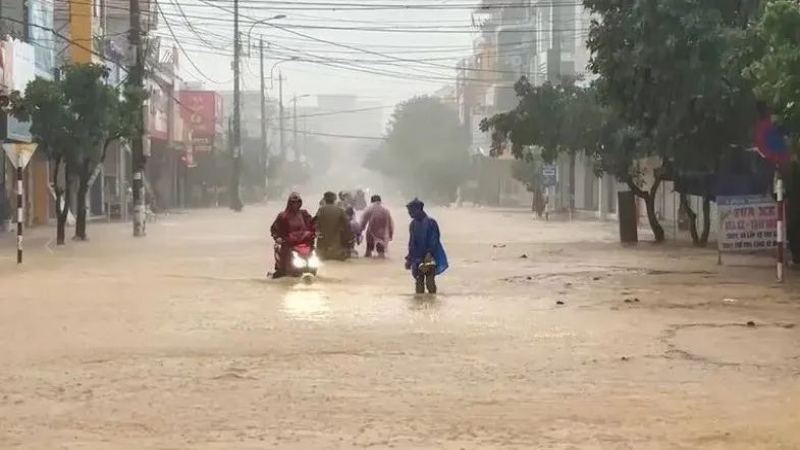
Typhoon Trami made landfall in central Vietnam near Da Nang and Hue with winds of 88 km/h, flooding roads, shutting four airports, and stalling the new coffee harvest. The storm followed Typhoon Yagi and the worst drought in nearly a decade, so coffee picking started late across the Central Highlands and export volumes fell.
Roughly 431 hectares of crops were submerged, with rainfall of 150 to 250 mm in most affected cities and over 800 mm in some areas. Even so, the Vietnam coffee industry saw export value reach a record high on rising prices, while roads and ports stayed under pressure and left supply tighter for the season.
Central Vietnam was hit by strong winds and heavy rain after Typhoon Trami made landfall, damaging dikes, houses, farmland, and transportation and logistics, just as the new coffee harvest season was getting underway. Looking back over the year, Vietnam's coffee industry first endured its worst drought in nearly a decade, and was then affected by two typhoons in succession, Typhoon Yagi and Typhoon Trami, with strong winds and heavy rain also hitting the main growing areas in the Central Highlands. Delayed harvesting, blocked roads, and closed ports combined to make supply even tighter in the new crop season; yet even as export volumes fell, export value hit a record high on rising prices. This article reviews the disaster impact, production and export data, and looks at where prices may go next.
According to Vietnamese media reports, this year's 20th typhoon, Trami, recently made landfall in central Vietnam around Da Nang and Hue, with wind speeds of 88 kilometers per hour. The strong winds snapped some trees, huge waves damaged dikes, and widespread rainfall destroyed more than 290 houses and triggered landslides in many places. Reports so far list 7 people dead, injured, or missing, and about 431 hectares of crops and fruit trees have been submerged, causing considerable economic losses.
It is reported that Typhoon Trami reached peak intensity before making landfall in Vietnam, when its wind force reached level 12 (wind speeds of about 133 km/h). However, as the typhoon gradually approached the Vietnamese coast, its intensity weakened somewhat, but the heavy rainfall that followed still caused considerable damage to Vietnam.
According to statistics, among the cities in central Vietnam affected by the typhoon, most recorded rainfall of between 150 and 250 millimeters, but some provinces still saw heavier rain, with rainfall exceeding 400 millimeters, and in some areas reaching more than 800 millimeters at the highest.
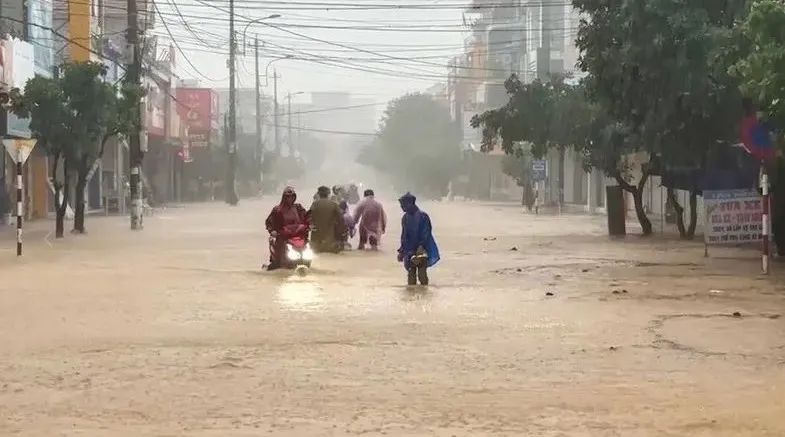
In addition, strong waves damaged many sections of dikes, and multiple cities reported a series of incidents of snapped trees and collapsed houses. Several cities and coastal areas near the storm were flooded. Heavy rain also caused river levels to keep rising, with a risk of flooding, and warnings of landslides and flash floods are currently in place for 8 areas. Governments in various places are now taking action on disaster relief and recovery and reconstruction work.
Moreover, this storm severely affected transportation and logistics in Vietnam. In addition to many roads being flooded, four airports in central Vietnam suspended operations. The port of Da Nang was also forced to close temporarily, and the huge waves brought by the typhoon damaged the dikes, posing a threat to the port's safety and operations.
This is the second typhoon to hit Vietnam this year. The first was Typhoon Yagi in September, which had an extremely severe impact on central and northern Vietnam. According to official Vietnamese statistics, Typhoon Yagi caused 226 deaths, many people missing, and severe economic losses in Vietnam.
This has made the year very difficult for the important coffee industry. In the period from March to May at the start of this year, Vietnam suffered its worst drought in nearly a decade, and this coincided with the early flowering stage of Vietnamese coffee. Because of the severe drought and lack of water, some coffee trees showed dry, yellowing leaves, ultimately leading to reduced production.
According to the chairman of the Vietnam Coffee and Cocoa Association (VICOFA), in the 2023/2024 season (October 1, 2023 to September 30, 2024), Vietnam's coffee exports were about 1.46 million tons, down 12.1% from the 2022/2023 season. However, because other coffee-producing countries all reported reduced coffee output, which pushed coffee prices higher, Vietnam's coffee export value rose 33.1% even as export volume fell, breaking the $5 billion record for the first time and reaching $5.43 billion.
In September and October, Vietnam experienced two storms. Although neither typhoon struck the coffee-growing areas head-on, the coffee regions were still affected, and the main coffee-growing areas in the Central Highlands experienced strong winds and heavy rain.
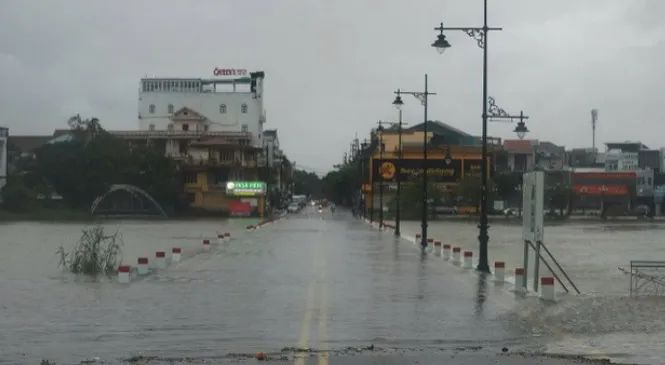
In October, Vietnam entered the coffee harvest season, so coffee picking and drying were both affected, further delaying an already late harvest and further obstructing supply from the new crop season. Currently, only 7% of farms have begun harvesting coffee, and torrential rain and strong winds may knock down ripe cherries, further affecting output. In addition, blocked roads to ports and port closures are affecting exports of coffee and other goods.
Coffee prices are currently staying high, and some industry insiders say that due to severe supply disruptions in countries such as Vietnam and Brazil, coffee prices may rise further.
To learn more about coffee origin news and information, please scan the QR code to follow: Coffee Review
Long-press the QR code to follow:
The above content is compiled by CoffeeHunters, a coffee news website.


