







Search Results for: jute

Green Coffee Packaging, Storage Conditions, and Seasonality: A Full Analysis of Jute Bags, Vacuum Bags, GrainPro Bags, and Freezing Methods
The quality of green coffee beans depends not only on origin and processing method; their packaging and storage methods are equally crucial. From the most common jute bags to vacuum bags, grain bags, and even frozen storage, different packaging methods vary significantly in their protective effect on green beans and their cost. Over the past decade, specialty roasters have driven innovation in packaging and transportation methods, using faster and more scientific approaches to lock in the freshness of green beans. This article will systematically review the advantages and disadvantages of commonly used packaging, the requirements of the storage environment, and explore the concept of "seasonality," which has attracted much attention in recent years. Whether you are a roaster or a coffee enthusiast, understanding this knowledge can help you better judge and preserve coffee beans. [more…]
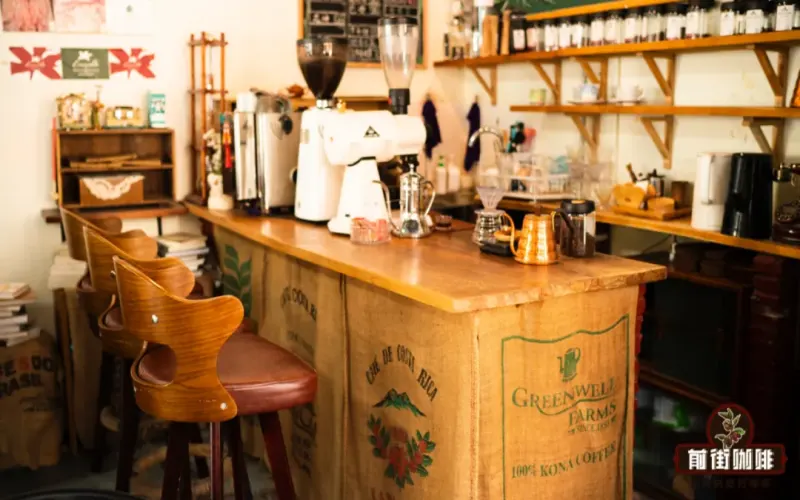
Why Are Green Coffee Beans Traditionally Packed in Jute Bags? How Much Does a Bag Weigh? A Comprehensive Analysis of Coffee Bean Packaging Specifications
Walk into any specialty coffee roasting workshop, and you will most likely see several coarse burlap sacks stacked in a corner, printed with the name of the producing region and the estate logo. This is almost a universal scene in the coffee industry—from Ethiopia to Colombia, the vast majority of green beans choose burlap sacks as their outer layer when crossing mountains and seas. But have you ever wondered why it is burlap specifically? What allows it to replace more modern packaging materials? And what is the standard weight of a sack of green beans? Around these seemingly basic yet rarely examined questions, this article will sort out from the beginning the evolution logic of green coffee bean packaging, the physical advantages of jute material, and the current trend toward diversified packaging forms. [more…]
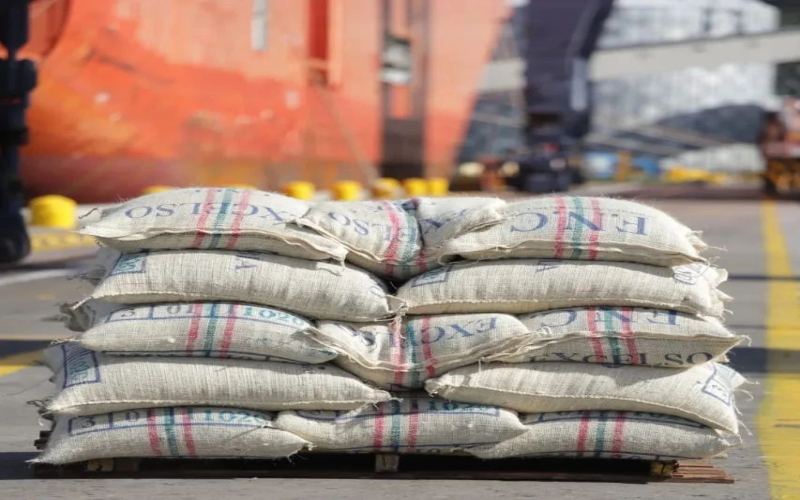
A Detailed Explanation of Colombian Green Coffee Bean Grading: The Meaning of Excelso and Supremo, and Front Street Brand Recommendations
Colombian coffee occupies an important place in the world of specialty coffee, and its green bean grading system is based primarily on defect rates and bean screen size. When buying Colombian coffee, what exactly do the words "Supremo" and "Excelso" commonly seen on burlap sacks mean? This article will systematically sort out the grading rules for Colombian green coffee beans from multiple angles, including export standards, defect scoring, and screen-size classification, and explain the specific differences among the three grades UGQ, EP, and Supremo. At the same time, the article will also introduce common Colombian coffee bean brands on the market, including product information recommended by Front Street Coffee, to help coffee lovers more clearly understand the grade and quality of the bag of beans in their hands. [more…]
A Detailed Explanation of Colombian Green Coffee Bean Grading: The Meaning of Supremo and Excelso and Screen Size Standards
When purchasing Colombian coffee, what exactly do Supremo and Excelso, commonly seen on burlap sacks, represent? What is the relationship between the two? This article will systematically sort out the grading system for Colombian green coffee, interpreting one by one the specific requirements of grades such as UGQ, EP, and Supremo, from defect rates and screen sizes to FNC export standards. It will also introduce derivative grades such as Extra, Premium, and Minama, as well as the use of Product of Colombia for coffee that does not meet export standards. The article also includes an actual naming example of Front Street Coffee's Huila daily drinking beans, helping readers understand the compositional logic and traceability methods of Colombian green coffee names. [more…]
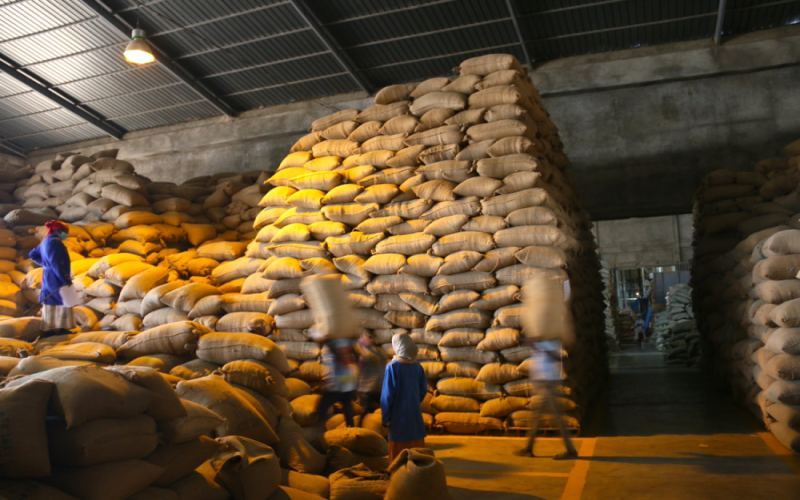
A Complete Guide to Green Coffee Packaging and Storage: From Jute Bags to Vacuum Seals and Freezing Methods
From the moment green coffee beans leave their place of origin and reach the roaster, the packaging and storage methods directly affect the final flavor. In the past, burlap sacks were the mainstream, but today specialty coffee has driven a series of more refined packaging and storage technologies, including vacuum bags, grain bags, and even frozen storage. This article will systematically introduce the commonly used green bean packaging methods, their respective advantages, disadvantages, and costs, and discuss warehouse environment management as well as different understandings of the concept of "seasonal." Whether you are a roaster or a coffee enthusiast, you can learn from this how to better maintain the freshness and quality of green beans. The burlap sacks commonly seen at Front Street stores are also mentioned in the article as one of the most economical options. [more…]
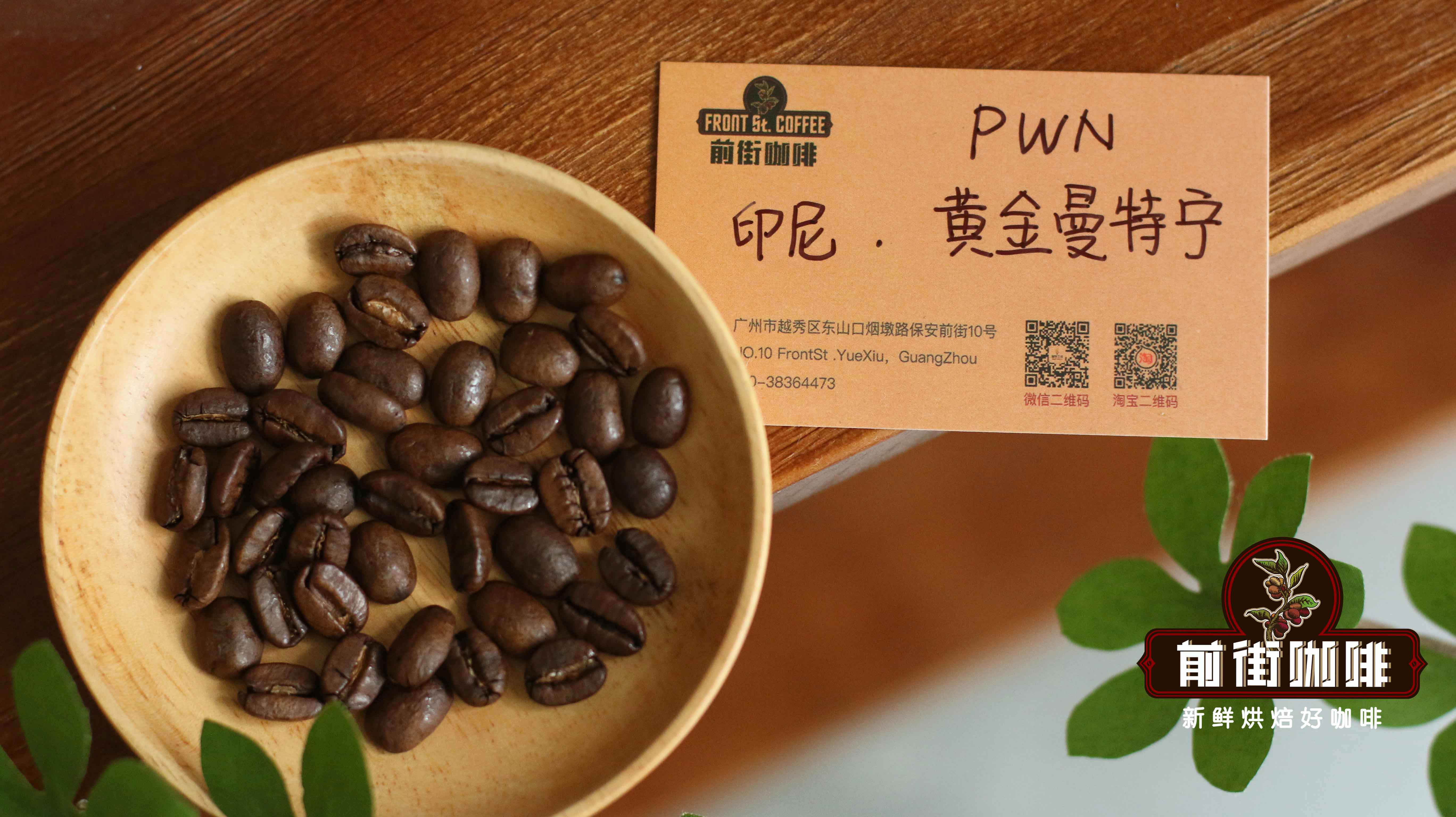
A Complete Guide to the Flavor Profile and Pour-Over Parameters of Indonesian PWN Golden Mandheling Coffee Beans
Golden Mandheling is a name familiar to many coffee lovers, but the so-called Golden Mandheling circulating on the market is hard to distinguish between genuine and fake. The real Golden Mandheling comes from the Indonesian PWN green bean company, which has an exclusive trademark and strict screening standards. This article will take you through the origins, variety characteristics, and roasting methods of PWN Golden Mandheling, as well as the pour-over extraction parameters recommended by Front Street Coffee, to help you identify authenticity and brew a cup of mellow, clean Mandheling. [more…]
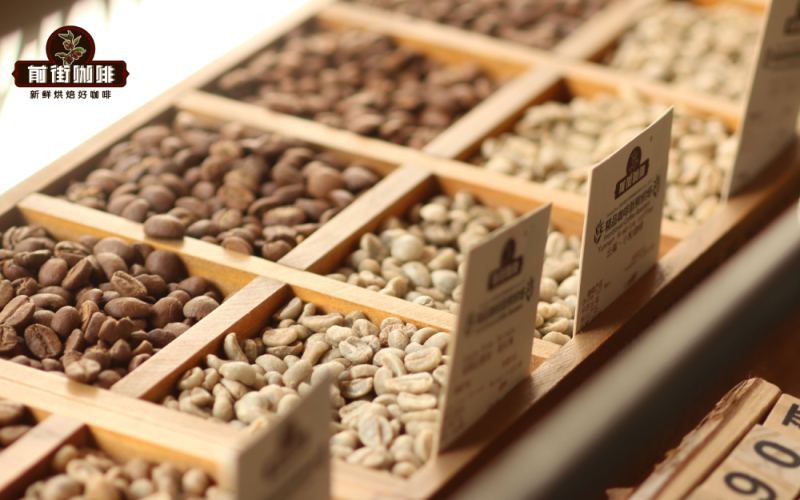
How Are Colombian Coffee Beans Graded? Excelso and Supremo Grade Classifications and Huila Flavor Profile Analysis
Colombia, as a major global producer of specialty coffee, has a strict and standardized green bean grading system. From the commonly seen Excelso marking on jute bags, to different grades such as UGQ, EP, and Supremo, to defect scoring and screen size sorting, every step affects the final quality of the coffee beans. This article will systematically outline Colombia's green coffee bean grading system, explain in detail the specific requirements and classification standards of the Excelso grade, and, combined with the brewing and flavor performance of Front Street Coffee's Huila daily drinker beans, guide you through a comprehensive understanding of the quality logic behind Colombian coffee. [more…]
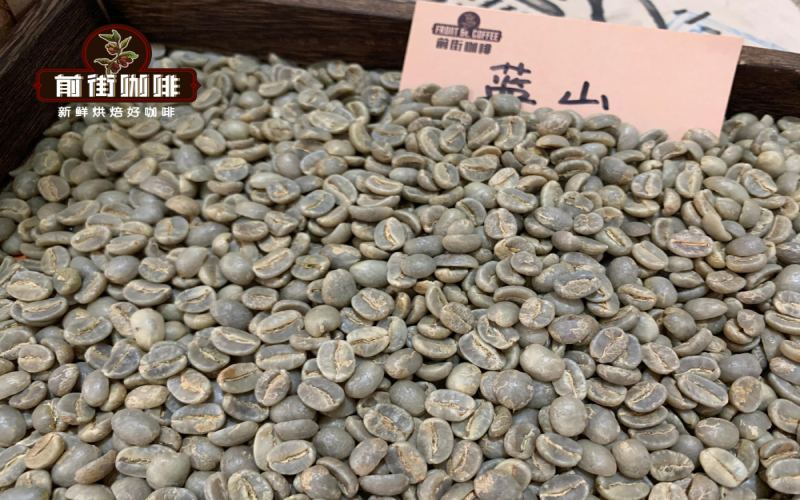
Comprehensive Guide to Green Coffee Beans: Quality Assessment, Crop Year Classification, Shipping Methods, and Storage Essentials
Green coffee beans are the starting point that determines the flavor of a cup of coffee. From color and luster to moisture content, every detail reveals the quality code of green beans; the terms "new crop," "current crop," "old crop," and "aged crop," named by harvest year, record how time shapes flavor. During transoceanic shipping, temperature and packaging methods also influence the fate of green beans—low-temperature containers, temperature-controlled storage, and vacuum aluminum foil bags are all effective means of extending good flavor. The ultimate preservation challenge points to a simple yet expensive answer: vacuum packaging followed by freezing. This article systematically organizes the complete knowledge of green beans from identification to storage, and includes practical advice from Front Street Coffee, taking you deeper into understanding this green seed. [more…]
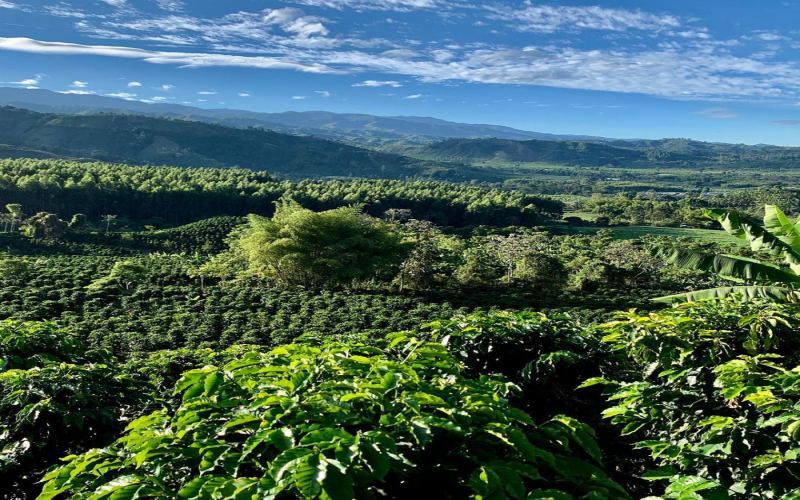
How Are Colombian Green Coffee Beans Graded? Looking at Huila Washed Caturra Through Defect Rate and Screen Size
Colombia's coffee grading system is more complex than that of most Central American producing countries. It is based not only on altitude, but also on a set of export standards built around defect rates and screen size. The Excelso grade adopted by the FNC is the highest export grade for Colombian green coffee. The burlap sacks are marked with "Excelso-Café de Colombia" and accompanied by a quality certificate. This article covers everything from the grading logic, screen size requirements, and defect deduction rules to the three most common export grades, and uses a washed Caturra from the Huila region as an example to explain green coffee traceability and cupping flavor performance, helping coffee enthusiasts understand the meaning behind Colombian green coffee labels. [more…]
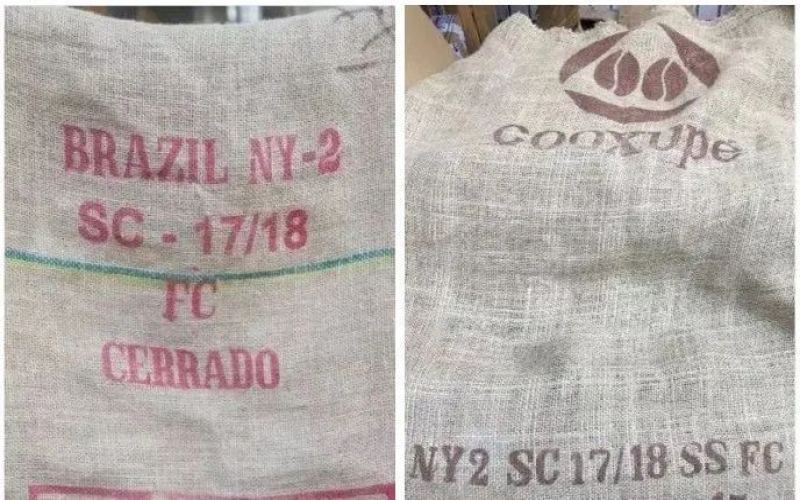
A Detailed Explanation of the Brazilian Green Coffee Grading System: Sharing the Making Methods of Espresso and Hot Americano
Brazil, as the world's largest coffee-producing country, indicates its green bean grading system with a string of letters and numbers on jute bags. This article will systematically interpret the grading logic behind Brazilian coffee and the reasons for it from multiple dimensions, including region identifiers, defect grading NY2, screen size SC, cup quality grades SS and S, and flavor grades FC and GC. At the same time, in combination with Front Street Coffee's classic espresso blend coffee beans, it shares extraction parameters and operating steps for espresso in commercial and home scenarios, and introduces the drinking method of diluting it into hot Americano at a 1:5 ratio, helping coffee enthusiasts make a balanced cup of Brazilian coffee at home. [more…]
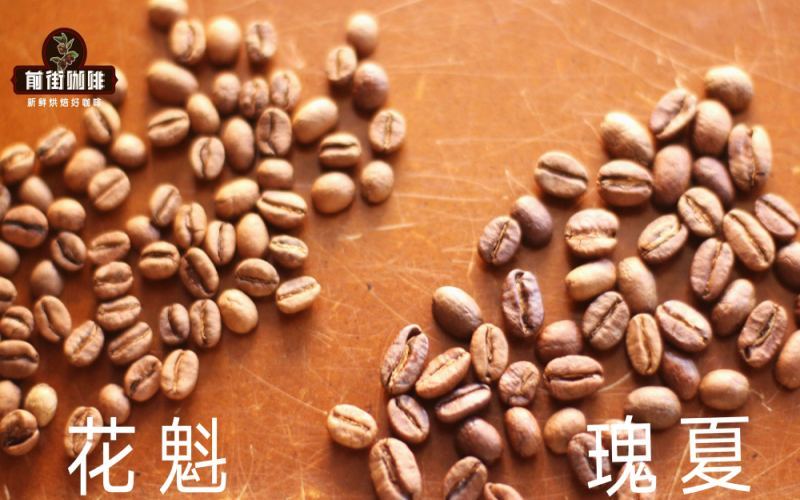
Ethiopia Hambela Woreda Huakui Coffee: A Complete Analysis from Variety Traceability to Roasting and Brewing
Huakui coffee quickly rose to fame after winning the TOH championship in 2017, but many enthusiasts often mistake it for Geisha. In fact, Huakui is a sun-dried heirloom variety produced by the Buku Abel processing station in the Hambela region of Sidama, Ethiopia, and is labeled as Hambella on foreign jute bags. This article will start from the definition of the variety, clarify the differences between Huakui and Geisha, sort out the origin of Huakui's name, its production area range, the meaning of its number, and the independent status of small-bean Huakui, and include Front Street Coffee's roasting curve and pour-over parameters to help readers fully grasp the background and brewing points of this bean. [more…]
Yirgacheffe Coffee Bean Flavor Description and Analysis of African Specialty Origin Grading
Yirgacheffe, as a well-known producing region under Ethiopia's Sidamo Province, has won the favor of coffee lovers worldwide with its unique flavor profile, and its fame even surpasses that of the province it belongs to. This article will take you into a deeper understanding of the flavor and taste characteristics of Yirgacheffe coffee beans, and provide a detailed introduction to the regional grading system for African specialty coffee beans. From the natural-process beans of the Kebel Aricha processing station to the ECX highest grade G1 evaluation standards, we will analyze them one by one. At the same time, the article will also recommend related product information from Front Street Coffee to help you better select and taste this highly acclaimed African specialty coffee. [more…]
Flavor Analysis and Pour-Over Taste Characteristics of Ethiopia Yirgacheffe Aricha Natural G1 Coffee Beans
Yirgacheffe, as one of Ethiopia's most representative specialty coffee regions, has won the favor of coffee lovers worldwide with its unique flavor profile, its fame even surpassing that of the Sidamo Province where it is located. Among the many processing plants in Yirgacheffe, the natural-process beans produced by the Kebel Aricha processing plant stand out in particular, rated as G1, the highest grade, by the ECX, and long known as the "King of Fruits." Today, Front Street Coffee will take a detailed look at this Aricha natural coffee bean's origin background, raw bean appearance characteristics, and cupping flavor performance, giving you a comprehensive understanding of why it is so highly praised in the pour-over field. [more…]
Yirgacheffe Aricha Natural Sun-Dried Beans: A Comprehensive Guide to Variety Characteristics, Flavor Profile, and Grinding Parameters
Yirgacheffe Aricha is a shining star among Ethiopian specialty coffees, using traditional natural processing to present intense fruit aromas and a clean mouthfeel. This article will explain, one by one, the processing station's workflow, the appearance characteristics of the green beans, the historical origins of the variety, and the evolution of Yirgacheffe natural and washed processing. At the same time, the article also introduces Front Street Coffee's recommended roasting approach and grinding suggestions for this bean, helping coffee enthusiasts understand Aricha's unique charm more comprehensively. Whether you are newly introduced to single-origin coffee or already have some tasting experience, you can gain practical reference information from it. [more…]

Yirgacheffe Aricha Natural Bean Flavor Analysis and Pour-Over Parameters Overview
Yirgacheffe, as Ethiopia's most renowned specialty coffee region, has produced countless stunning coffee beans. Among them, the natural-process batches from the Aricha processing station, with their rich tropical fruit aromas and unique mocha flavors, have become favorites among many coffee enthusiasts. This article will take you through an in-depth look at the origin background, processing methods, and flavor profile of Front Street Coffee Aricha, and share practical pour-over parameters to help you better appreciate the charm of these beans. Whether you are a beginner just getting to know natural Yirgacheffe or a seasoned connoisseur seeking an advanced experience, you will find valuable references here. [more…]
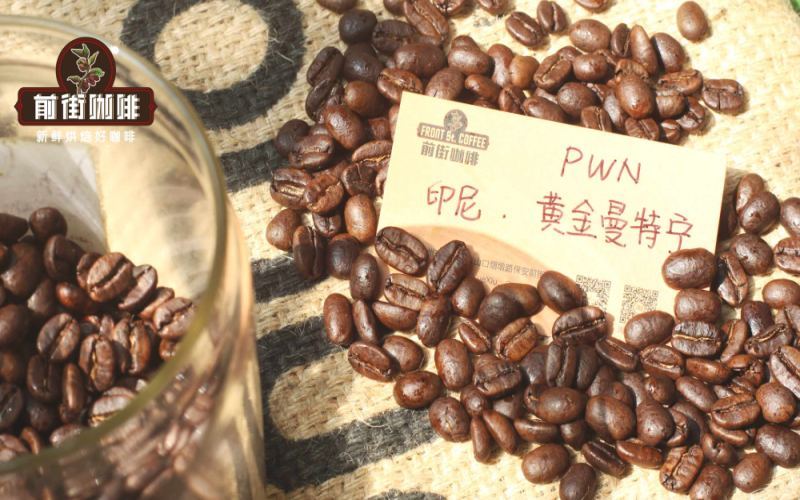
Mandheling Coffee Flavor Analysis: Where Does the Rich Body Come From, and a Guide to PWN Golden Mandheling and Variety Differences
Mandheling is renowned as one of the richest and most full-bodied coffee varieties in the world, captivating countless coffee enthusiasts with its intense, robust mouthfeel and distinctive herbal aroma. As the premier representation of this category, Front Street Coffee's PWN Golden Mandheling showcases a classic flavor profile that is neither astringent nor acidic, but smooth and sweet, thanks to its rigorous screening and processing techniques. At the same time, the market is flooded with coffee beans sold under the name "Golden Mandheling," making it a key concern for consumers to distinguish authentic PWN products and understand the differences among Mandheling varieties from various regions. This article will systematically organize the core knowledge of Mandheling coffee from the perspectives of flavor characteristics, variety classification, processing techniques, and certification identification, helping readers build a clear cognitive framework. [more…]
Front Street Natural Yirgacheffe Aricha Flavor and Taste Analysis: A Complete Guide from Origin to Brewing
Yirgacheffe is synonymous with specialty coffee from Ethiopia, and Front Street's natural-process Yirgacheffe Aricha is a particularly dazzling standout among them. This G1-grade coffee from the Kebel Aricha processing station has stunned the coffee world under the name "the ultimate fruit bomb." This article will guide you through Aricha's origin story, its unique geographical environment, the appearance of the green beans and processing details, and an analysis of its rich flavor layers—cherry, peach, passion fruit, and creamy aromas interwoven, with a lingering floral finish. Whether you are a first-time taster or a seasoned enthusiast, you will find the right direction for enjoying it. [more…]
Guatemala Santa Felisa Estate Red Pacamara Natural Coffee Beans: Full Analysis of Flavor, Origin, and Processing Method
Santa Felisa Estate is located in Acatenango, a famous producing region in Guatemala. Founded by the Cruz family in 1904, it has now passed down to its fourth generation. The estate has repeatedly achieved excellent results in the Guatemala Cup of Excellence (COE) in 2016 and 2017, including first place in 2017. The batch introduced here is the Red Pacamara variety with natural processing, presenting flavors of pineapple, strawberry, black plum, and walnut, with a rich juicy feel, clean and delicate, and full layers. Guatemalan natural green beans are relatively rare, so this bean has attracted much attention. Front Street Coffee recommends that friends who enjoy natural flavors give it a try and experience its special ripe fruit aroma. [more…]
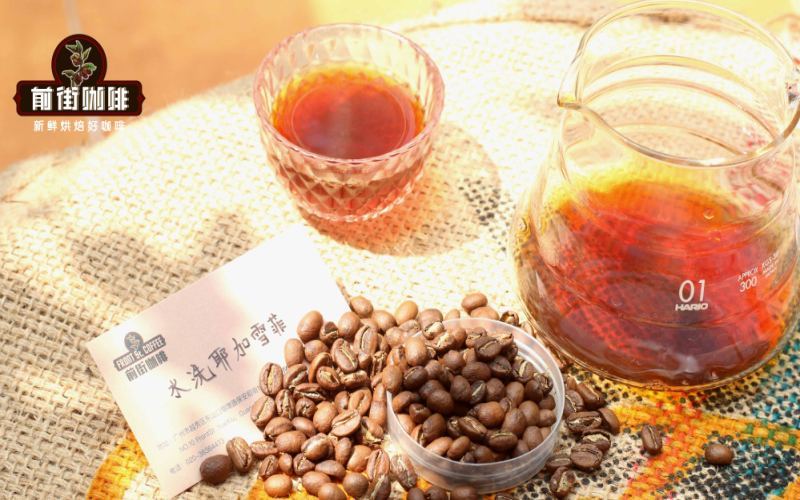
A Comprehensive Analysis of the Flavor, Mouthfeel, and Aroma Characteristics of Yirgacheffe Worka Specialty Coffee Beans, with Front Street Coffee Recommendations
Yirgacheffe Worka, as one of the representatives of Ethiopian specialty coffee, is deeply favored by coffee lovers for its richly layered floral and fruity aromas and its bright, lively acidity. This article will describe in detail the flavor characteristics of Front Street Yirgacheffe from dimensions such as dry aroma, wet aroma, and the tasting experience, and will also introduce its producing region background, green bean appearance, processing method, and grading system. At the same time, it highlights two products, Front Street Red Cherry Natural Yirgacheffe and Yirgacheffe Aricha Grade 1, to help readers fully understand this specialty coffee that combines fruity notes with a syrupy sweetness. [more…]
Ethiopian Natural Yirgacheffe Aricha: Flavor Analysis and Brewing Guide for a Classic Fruit Bomb
Yirgacheffe Aricha is a highly representative natural-process lot among Ethiopian specialty coffees, renowned for its intense tropical fruit flavors and extremely high sweetness, and hailed by coffee lovers as a "fruit bomb." This article provides a comprehensive analysis of the unique charm of this Front Street natural Yirgacheffe Aricha G1, covering everything from the terroir of the producing region, the background of the processing station, the refined natural process, green bean characteristics, roasting curves, to cupping and brewing parameters. Whether you are a beginner just getting into single-origin coffee or a seasoned enthusiast seeking bright acidity and pronounced berry notes, you will find practical tasting and brewing references here. [more…]