







Why Is the Colombian Coffee Crop Stuck at Ports?
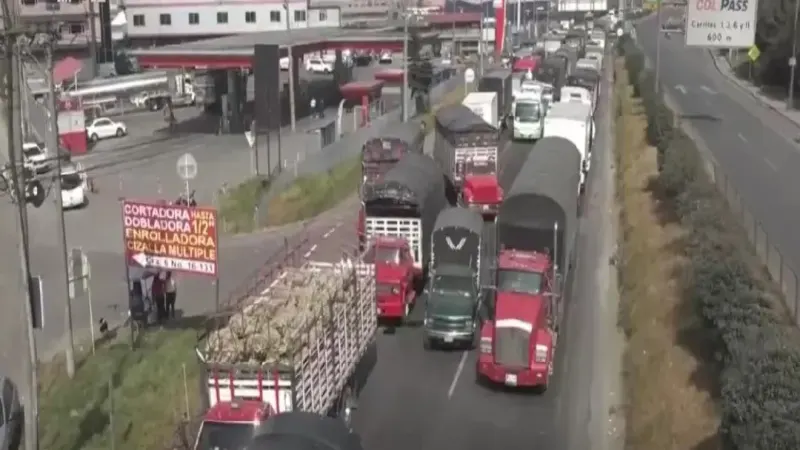
Truck drivers in Colombia began blocking roads on September 2 to protest the phase-out of fuel subsidies and a diesel price rise of 1,904 pesos per gallon. The protests grew to 136 road blockades nationwide, affecting nearly 1.6 million travelers and leaving coffee bean and fruit shipments sitting at ports in dry-season heat.
The disruption is compounding for the coffee sector: logistics costs are climbing, truck drivers are in short supply, and wildfires in Cauca Department have damaged coffee fields. Colombia's Ministry of Mines and Energy says diesel prices may keep rising, so the coffee beans origin country faces continued pressure on exports and domestic supply.
Colombia has been hit by a truck drivers' road-blocking protest since September 2, triggered by the government's decision to gradually phase out fuel subsidies and raise the diesel price by 1,904 pesos per gallon. The protests have continued to escalate, with 136 road blockades reported nationwide, nearly 1.6 million people affected in their travels, and schools suspended in many places. Goods are piling up at ports and airports, and agricultural products such as fruit and coffee beans are rotting faster due to the high temperatures of the dry season. Colombia's Ministry of Mines and Energy says diesel prices may continue to rise in the future, and although the government is willing to talk, its stance remains tough. Factors including rising logistics costs, a shortage of truck drivers, and wildfires in Cauca Department that have destroyed coffee fields are compounding, pushing Colombian coffee prices ever higher and putting the supply chain at risk of further deterioration.
According to local Colombian media reports, the country is being severely hit by a wave of strikes, with roads blocked in many parts of the country. This road-blocking action was launched by truck drivers on September 2 to protest the government's gradual removal of fuel subsidies and a 1,904-peso increase in the diesel price per gallon.
The protests are currently escalating. As truck drivers set up barricades and continue to expand the scope of the road blockades, Colombia's national transportation and logistics systems have been severely disrupted.
Local sources say that due to the truck drivers' road blockades, goods are piling up seriously at ports and airports, and food and goods supplies in many cities are facing severe challenges. Among the worst hit are agricultural products such as fruit and coffee beans, because Colombia is in its dry season and high temperatures in some areas are accelerating the rate at which these products rot. As the protests intensify further, the situation may continue to worsen, posing a major test for many industries.
According to local sources, 136 road blockades have been reported nationwide, public transportation has been severely disrupted, nearly 1.6 million people have been affected in their travels, and many schools have been forced to suspend classes.
It is understood that the removal of fuel subsidies and the increase in the diesel price per gallon is a policy confirmed for implementation on the 2nd of this month. The Minister of Colombia's Ministry of Mines and Energy (MEM) said the government had been granting diesel subsidies for many years, which kept Colombia's diesel prices lower than those of other Latin American countries, and the subsidies were not even removed during the COVID-19 pandemic. In addition, Colombia had not adjusted diesel prices for nearly five years, so the new policy is reasonable.
The diesel price increase decree has drawn widespread opposition from people working in automobile-related industries. A small number of them began holding demonstrations, and then implemented road blockades in the capital, Bogotá, which already caused a certain impact at the time.
Despite the ongoing protests, the Minister of Colombia's Ministry of Mines and Energy (MEM) still said that diesel prices will continue to rise in the future. No specific date for the increase has yet been set, and after evaluation, a further price increase in 2025 may be considered. This news has led drivers to continuously expand the scale of their demonstrations and road blockades.
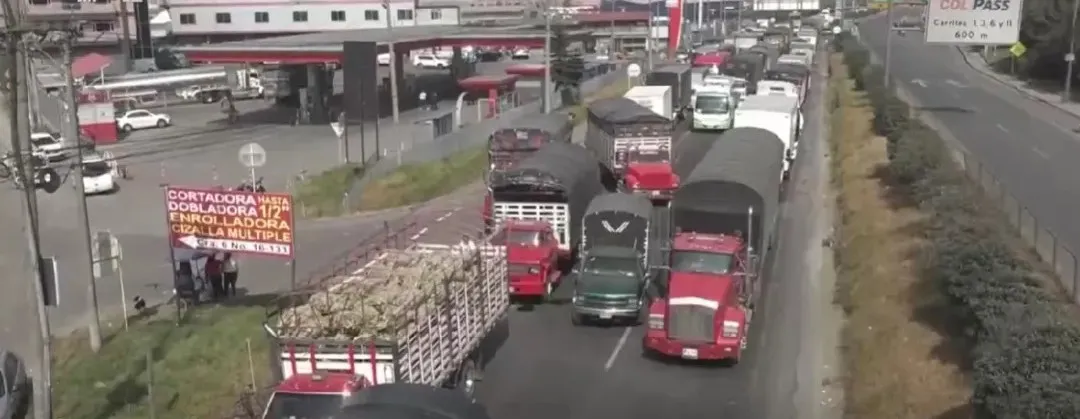
Because of the severe impact, the President of Colombia immediately held a security committee meeting at Casa de Nariño to discuss the truck drivers' road-blocking strike. After the meeting, the Minister of the Interior issued a notice to the transport workers' union, saying that "the government's concessions have reached their limit," and called on truck drivers to protest peacefully and not to affect the normal travel of citizens and businesses, adding that the price increase will not take effect immediately but will be phased in over four months, and that the government is willing to hold dialogue. In addition, the government is preparing to take measures against the organizers of the road-blocking protests.
At present, the demonstrations and road blockades are still ongoing, and the government has no intention of canceling the diesel price increase decree and plans to take measures, which may exacerbate the dissatisfaction of truck drivers and lead to even more serious conflicts.
The road blockades have affected many industries in Colombia, especially agricultural products such as fruit and coffee. These industries have a large demand for logistics and transportation and need truck transport for turnover and distribution. At present, due to problems such as rising oil prices, higher transportation costs, and a shortage of truck drivers, the cost of transporting coffee has increased, which may also lead to further deterioration of the supply chain.
In recent times, armed conflicts have continued in Colombia and have led to severe wildfires in Cauca Department, destroying large areas of sugarcane and coffee fields and affecting the output of crops such as coffee. Local coffee prices in Colombia are currently rising continuously, and this situation may continue to push prices higher due to the wildfires and the current transportation problems.
To learn more about coffee origin news and information, please scan the QR code to follow: 咖评
Long-press the QR code to follow:
The above content is compiled by CoffeeHunters, a coffee news website.


