







Why are green coffee beans packed in jute bags?
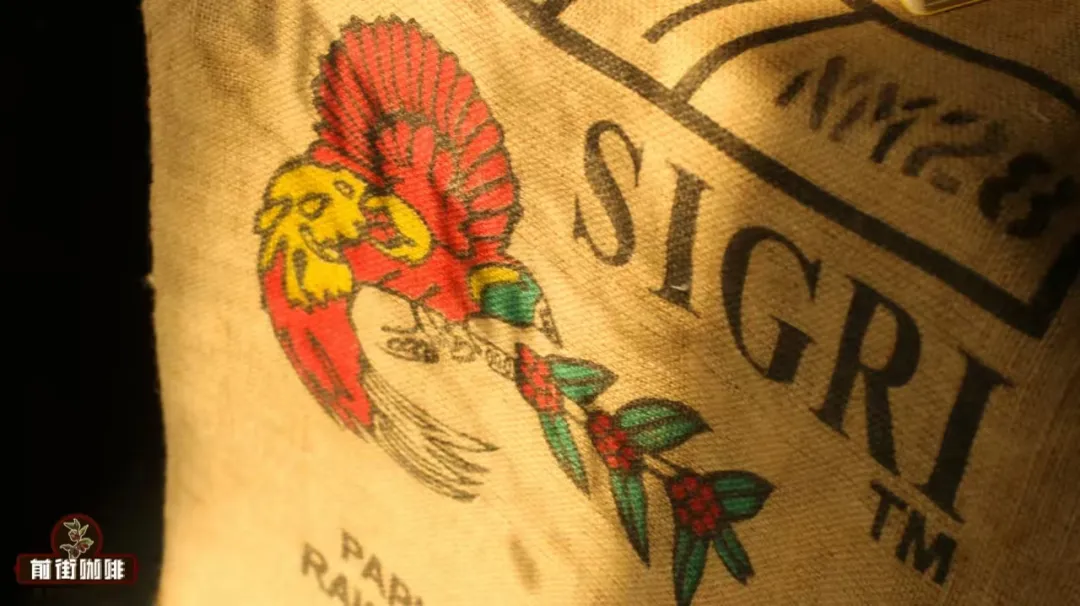
Green coffee beans are traditionally shipped in jute burlap sacks because the material protects quality during long transport, not simply because it is cheap. Walk into most roasting workshops and you will see these sacks stacked in a corner, printed with producing regions and estate logos, from Ethiopia to Colombia.
Burlap remains the mainstream packaging across the coffee industry: roasters buy in bulk from green bean suppliers and the beans stay in the same sacks through shipping. Afterward, the well-made sacks are often reused as shop decor or merchandise. Smaller purchases are usually repackaged by the supplier into other containers instead.
Walk into any specialty coffee roasting workshop, and you'll most likely see a few rough burlap sacks stacked in a corner, printed with the names of producing regions and estate logos. This is an almost universal scene in the coffee industry—from Ethiopia to Colombia, the vast majority of green beans choose burlap sacks as their outer layer when crossing mountains and seas. But have you ever wondered why it has to be burlap? What allows it to replace more modern packaging materials? And what is the standard weight of a sack of green beans? Around these seemingly basic yet rarely examined questions, this article will sort out from the beginning the evolution logic of green coffee packaging, the physical advantages of jute material, and the current trend toward diversified packaging forms.
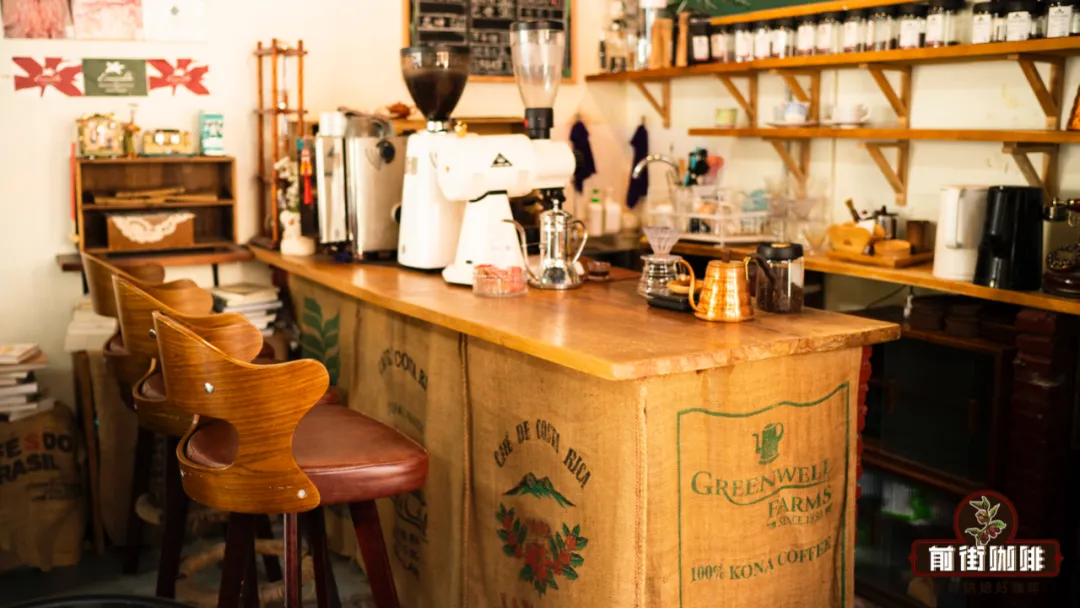
Burlap sacks are currently the mainstream packaging for green coffee beans. In the vast majority of producing regions, burlap sacks are used as the storage container for green coffee beans when exporting them. When a roaster purchases green beans in large quantities from a green bean supplier, the green coffee beans will be stored directly and untouched in burlap sacks and shipped to the roaster along with them (if purchased in small batches, the green bean supplier will use other packaging to repackage the green coffee beans) .
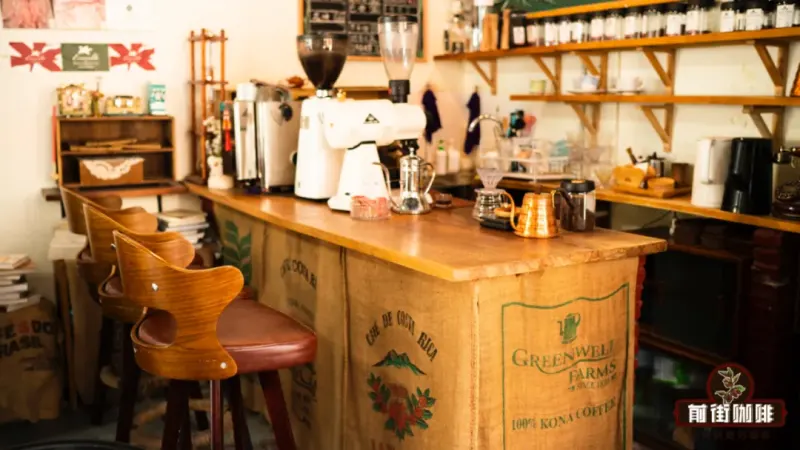
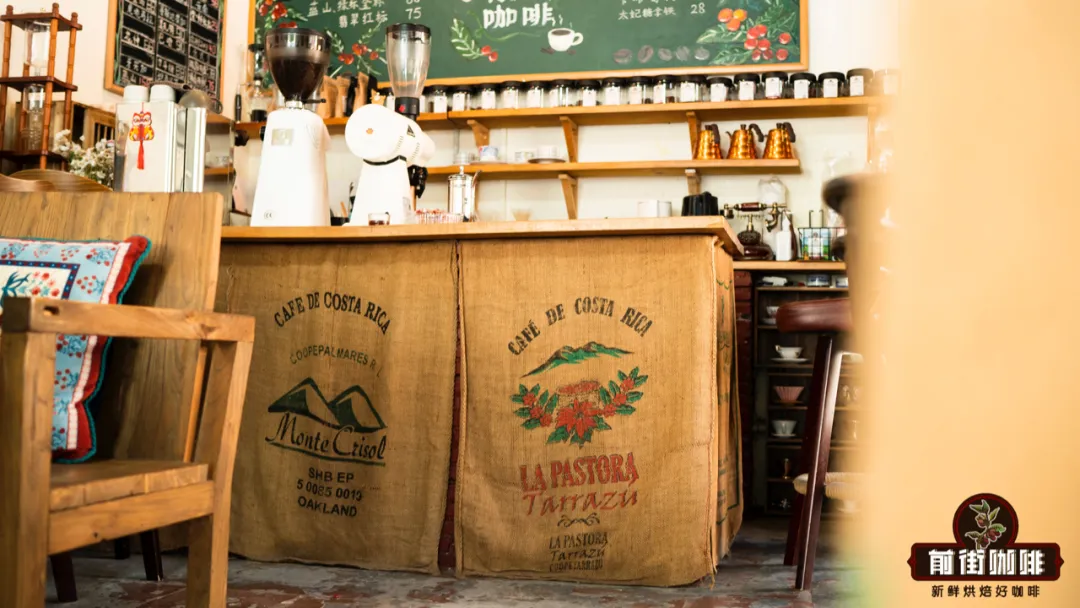
And after burlap sacks have completed their role in storage and transportation, because they are well-made and come in widely varying styles, they are often used by roasters as decorations in their shops, or made into merchandise to sell to others. The bar counter and walls of Front Street's store are decorated with coffee bean burlap sacks. So one day, a customer friend who visited the store asked: "Why do green coffee beans from so many producing regions all use burlap sacks?"
Why are green coffee beans packed in burlap sacks? Because coffee beans are a internationally traded agricultural product, the guarantee of their quality depends not only on a good growing environment and meticulous processing, but also very much on quality preservation during transportation. And the packaging of green coffee beans is precisely a factor with an extremely prominent impact on quality during the transportation of coffee beans. So from here we can catch a glimpse of some clues: the reason for using burlap sacks must not be as simple as just being cheap (although being cheap is also a major
) .
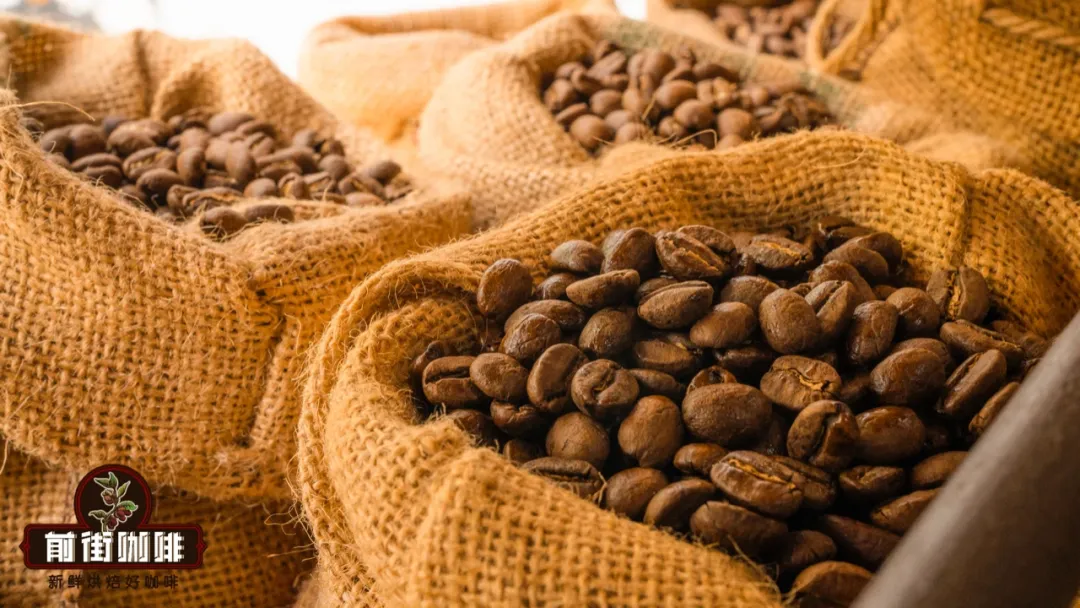
(The picture shows roasted beans) At present, the burlap sacks used to store green coffee beans are mainly made of jute, and jute is a natural fiber plant originating from South Asia. In South Asian countries, especially in India, it has the title of "soft gold." Because jute can be grown and produced, and the cultivation cost is very low, textiles made from it are very affordable. For agricultural products that require large amounts of transport packaging, this is a major advantage of choosing it. In addition, jute fibers are long and tough, and burlap sacks made from them have quite strong "pressure resistance," can withstand the pressure of heavy objects well without being easily damaged, and are very suitable as packaging for bulk agricultural products such as coffee beans. At the same time, burlap sacks also have very good breathability and moisture absorption. During long-distance transportation, the thing people fear most is coffee beans becoming moldy. But as it happens, burlap sacks woven from jute have loose holes, excellent breathability, and a certain degree of moisture absorption. This prevents water vapor from continuously remaining in the coffee beans, can keep the coffee beans nicely dry, and makes it less likely to trigger negative situations such as mold.

Finally, there is the cushioning effect! Coffee beans are continuously subjected to bumps during long-distance transportation, and the softness and elasticity of burlap sacks can play a shock-absorbing role. This can effectively reduce cracking damage to coffee beans caused by vibration during transportation, and also make manual handling more convenient. Not all green coffee beans use burlap sack packaging! As Front Street also mentioned, nowadays burlap sacks are used as packaging only by the majority, not all. In the early days, due to various limitations, green coffee bean packaging was mainly based on burlap sacks. But as the economy has become more developed, green coffee bean packaging has also undergone more and more changes. For example, the top-grade Blue Mountain coffee that Front Street shared some time ago used oak barrels as green bean packaging. Or some more expensive coffee beans use vacuum-sealed packaging plus air transport, so that the product can maintain its original "appearance" as much as possible when delivered to the roaster...
The above content is compiled by CoffeeHunters, a coffee news website.


