







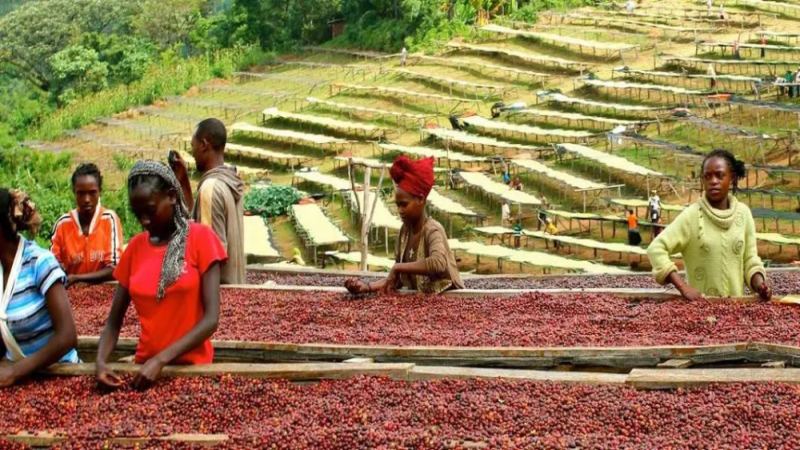
Why Are Famous Ethiopian Coffee Exports Facing Shipping Delays?
Ethiopia's coffee exports are being disrupted because truck drivers on overland routes face frequent attacks, kidnapping and robbery, especially in Amhara State and parts of Oromia. Since coffee accounts for roughly 30 to 35 percent of export earnings, the delays threaten inflation and slower economic activity. The government is now studying a shift to rail freight and plans to let private companies take part.
The country's main exports, including coffee, leather and gold, plus imported goods, move through the port in Djibouti, and the East Shewa route is a necessary link that the Heavy Truck Drivers Association now labels a dangerous zone. Rail offers an alternative, but existing lines run at about 30 kilometers per hour with capacity far from fully used, so production of coffee beans and shipments abroad stay exposed to the unrest.
Ethiopia's domestic security situation remains tense, with truck drivers frequently attacked, severely disrupting overland transport of major exports such as coffee. Since coffee exports account for 30% to 35% of the country's export earnings, transport problems could exacerbate inflation and economic recession. The government is considering shifting to rail transport and plans to allow the private sector to participate in rail freight to reduce logistics costs. However, existing railways face challenges including speeds of only 30 kilometers per hour and capacity that is far from fully utilized. This article will review the background, impact, and possible future solutions, along with related product recommendations from Front Street Coffee.
According to recent reports from Ethiopia's Reporter network, the country is currently plagued by ongoing civil unrest, and the security situation is worrying, with kidnapping, robbery, and even murder occurring frequently, especially in Amhara State and western and northern Oromia. Faced with this situation, the Ethiopian government is considering switching to rail transport and is also studying allowing private companies to participate.
In fact, although the parties to the country's civil war signed a peace agreement in 2022, violent incidents still occur from time to time. Because coffee exports bring in U.S. dollar foreign exchange that can be used to purchase weapons on the international arms market, Ethiopia's coffee production and exports have maintained growth since the Tigray war broke out, but domestic transport links are now clearly disrupting imports and exports.
Recently, multiple incidents of drivers being extorted, violently attacked, or even killed have been exposed, causing heavy casualties and property losses and dealing a serious blow to the economy. This situation has greatly affected the country's transport industry, with freight truck and public transport operators both suffering greatly.
Due to frequent armed attacks, Ethiopia's Heavy Truck Drivers Association has marked sections such as East Shewa in the Oromia region as "dangerous zones." This situation poses a major threat to Ethiopia's economy. The country's main exports, including leather, gold, and coffee beans, as well as imported goods, all need to pass through the port in Djibouti, and the route through the East Shewa area is a necessary passage to the port. Coffee exports account for 30% to 35% of Ethiopia's export earnings. If the transport difficulties continue, they may further push up inflation and worsen the economic recession.
However, the Ethiopian government has begun addressing the freight problem and started considering rail transport options. Officials from the Ministry of Transport and Logistics are studying allowing the private sector to participate in rail freight in order to reduce transport costs and thereby lower market commodity prices. Previously, because rail transport took too long, many traders were unwilling to choose this method.
At present, Ethiopia's railway infrastructure and operations are entirely state-owned. The largest rail transport enterprise, the Ethio-Djibouti Standard Gauge Railway Transport Company, is 75% owned by the Ethiopian government, while the Djibouti government holds a small stake. Recently, the railway sector has been conducting feasibility studies to explore the possibility of private sector participation in rail transport, and many coffee traders have shown strong interest in this. In addition, executives at the state-owned Ethiopian Railway Corporation believe that the entry of private enterprises can minimize the impact of logistics and transport obstacles on commodity prices. According to government reports, costs may account for as much as 45% of current commodity prices.
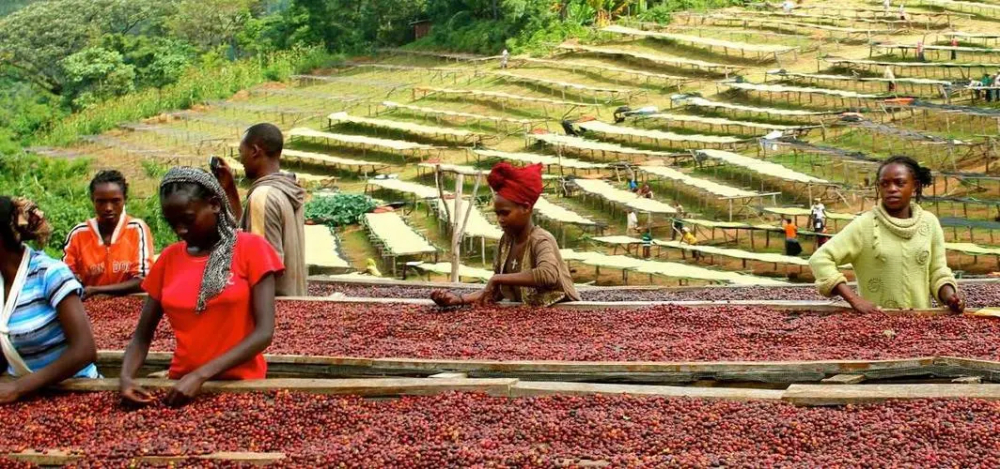
However, this railway still has many problems. The Ethiopia-Djibouti railway can transport 10 million tons of cargo per year, but actual traffic is far below its potential, and it faces obstacles caused by animals and people as well as safety hazards, causing train speeds to slow to 30 kilometers per hour. If private companies can invest, the transport and logistics sector will benefit, and import and export logistics will also be strengthened.
For coffee lovers, while paying attention to developments in producing regions, they can also taste high-quality coffee from Ethiopia. The washed Yirgacheffe recommended by Front Street Coffee comes from the country's famous Yirgacheffe region and has bright citrus acidity and floral aromas, making it a good choice for experiencing the charm of Ethiopian coffee.
The above content is compiled by CoffeeHunters, a coffee news website.


