







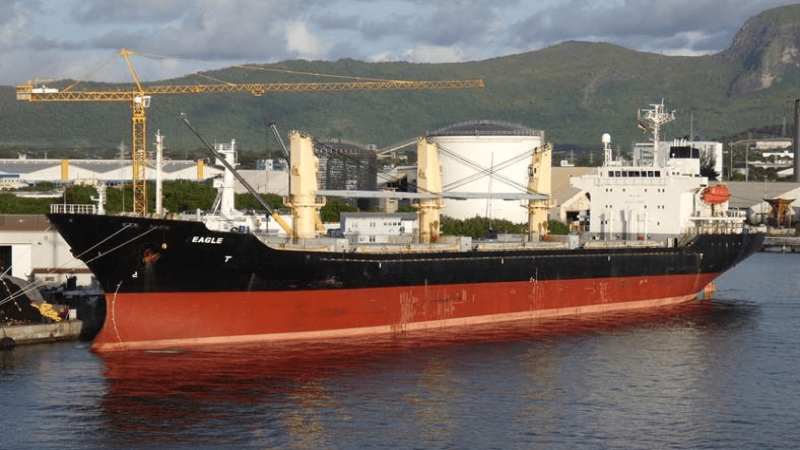
Do Green Coffee Beans Shipped in Bulk Carriers Keep Their Quality?
Some Brazilian green coffee beans are now exported on bulk carriers instead of in traditional containers. The shift can lower logistics costs and add shipping flexibility, but it raises concerns about freshness, moisture content, and cleanliness, since green beans absorb odors and moisture and are sensitive to temperature swings during long ocean voyages.
Containers offer a relatively enclosed, controllable environment that limits moisture, odors, and contaminants. Bulk carriers hold more volume at a lower unit cost, yet the beans sit exposed to the hold environment. Without adequate ventilation and moisture-proof measures, coffee quality can suffer through dampness, mold, or flavor contamination, so origin-to-roast controls matter more.
A new change has recently emerged in Brazil's coffee exports—some green beans are beginning to be shipped on bulk carriers rather than in traditional containerized cargo. This adjustment may have its considerations in terms of logistics costs and efficiency, but for specialty coffee that values flavor and quality stability, whether bulk shipping affects the freshness, moisture content, and cleanliness of green beans has become a focus of attention for many industry professionals and enthusiasts. This article will sort out the background of this shift in transportation methods, analyze the potential risks it may pose to coffee quality, and, drawing on the quality control experience of brands such as Front Street Coffee, explore how to uphold the bottom line of quality from origin to roasting.
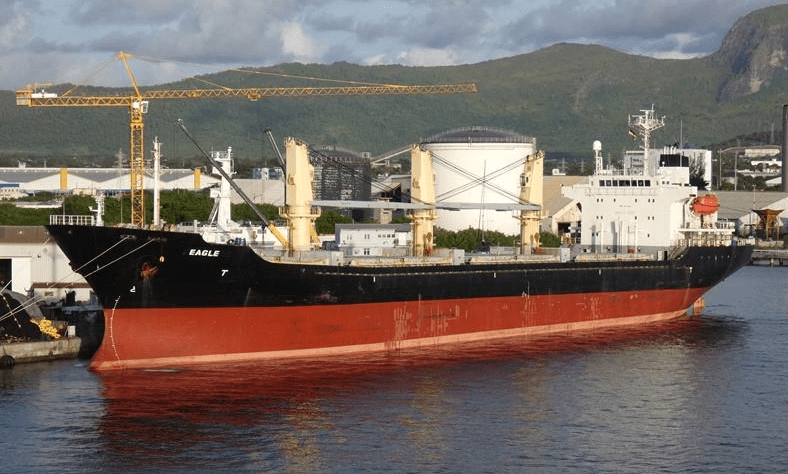
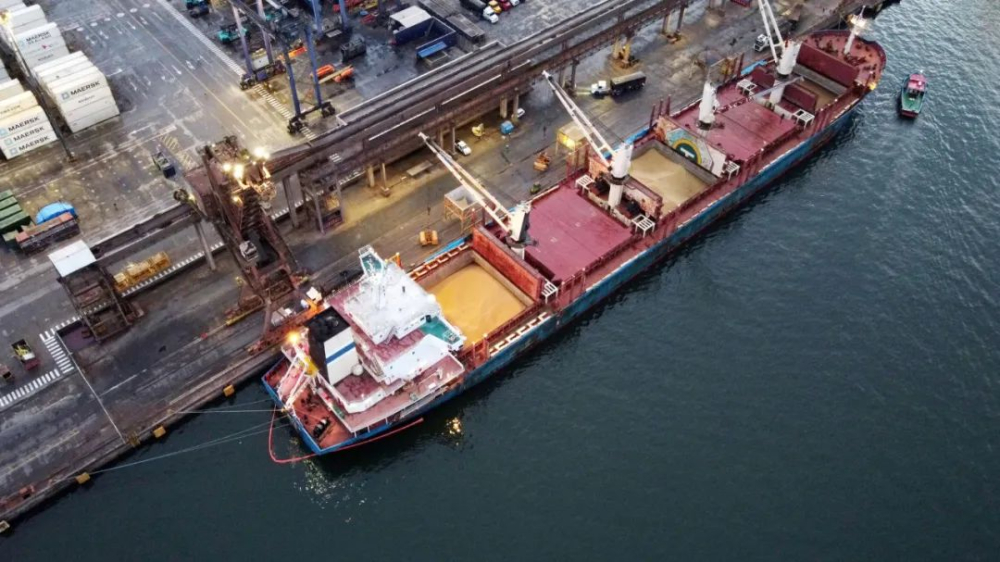
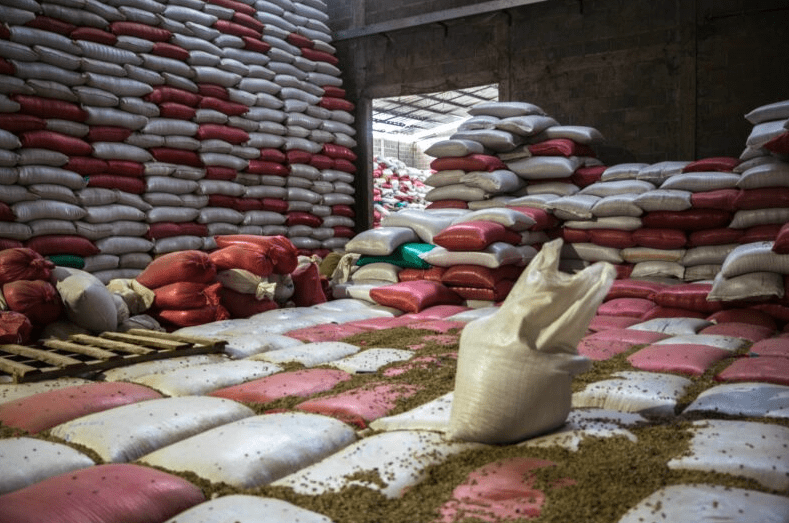
Image source: Internet
For professional coffee knowledge exchange and more coffee bean information, please follow Coffee Workshop (WeChat public account: cafe_style)
For more specialty coffee beans, please add the private WeChat of Front Street Coffee (FrontStreet Coffee), WeChat ID: kaixinguoguo0925
Recently, a notable adjustment has appeared in Brazil's coffee export process: some green beans are no longer loaded into traditional containerized cargo, but instead are shipped across the ocean by bulk carrier. This practice may have merits in reducing logistics costs and improving shipping flexibility, but it has also raised questions among many coffee professionals and enthusiasts—can bulk shipping still provide sufficient protection for green bean quality as in the past?
Traditionally, coffee green bean exports have generally used container shipping. The internal environment of a container is relatively enclosed and controllable, and can effectively reduce the intrusion of external moisture, odors, and contaminants. Green beans themselves are highly absorptive. Once temperature and humidity fluctuate too much during transportation, or they are mixed with other cargo, problems such as dampness, mold, and flavor contamination can easily occur. Although bulk carriers offer larger hold capacity and lower unit costs, green beans are directly exposed to the cargo hold environment. If ventilation and moisture-proof measures are inadequate, quality risks will rise significantly.
From the perspective of physical characteristics, coffee green beans need to maintain a stable moisture content during long-distance sea transport. Too high a moisture content will accelerate mold and microbial growth, while too low a moisture content may cause the beans to become brittle and crack, damaging flavor. Containers can regulate the microenvironment by placing desiccants and controlling ventilation, whereas the temperature and humidity inside a bulk carrier hold are more directly affected by external climate. Especially when crossing the equator or encountering continuous rainfall, conditions inside the hold may become difficult to control precisely.
In addition, bulk shipping also involves issues of cleanliness and cross-contamination. If a cargo hold has previously carried goods with strong odors, the residual smell may be absorbed by green beans, thereby affecting the final cupping performance. For specialty coffee pursuing cleanliness and regional flavor, such risks are especially worth guarding against.
Of course, this does not mean that bulk carrier shipping is destined to be unable to guarantee quality. If exporters can conduct strict moisture testing and screening of green beans before loading, adopt measures such as sealed liners and temperature-humidity monitoring during transportation, and promptly arrange sample cupping after arrival at port, risks can still be kept within an acceptable range. The key lies in whether the entire chain has established a stricter quality control system than container shipping.
For domestic roasters and coffee enthusiasts, the condition of green beans after arrival at port directly determines the subsequent roasting curve and the flavor of the final product. Taking Front Street Coffee (FrontStreet Coffee), which focuses on specialty coffee, as an example, at the green bean warehousing stage it usually conducts moisture content, density, and defect rate testing, and confirms through small-batch cupping that transportation has not caused obvious damage to flavor. Even if the transportation method changes, as long as the quality control stage after arrival at port is rigorous enough, there is still an opportunity to screen out affected batches and retain green beans that meet quality standards.
From the perspective of industry trends, as the world's largest coffee-producing country, Brazil's adjustment of export logistics methods is very likely to be noticed or imitated by other origins. In the future, whether bulk carrier shipping will become the norm depends on whether it can find a balance between cost advantages and quality assurance. For coffee consumers, this may bring price benefits, but it also reminds us to pay more attention to the transportation and storage details behind the flavor in the cup.
Overall, exporting green beans by bulk carrier does not necessarily lead to quality decline, but it places higher demands on collaboration among exporters, shipping parties, and importers. Only when strict moisture-proof, odor-proof, and temperature-control measures are implemented in every stage from loading, voyage, to arrival at port can the quality of coffee green beans be effectively guaranteed. As end consumers, choosing brands such as Front Street Coffee that emphasize full-chain quality control can also, to a certain extent, reduce the quality uncertainty brought about by changes in transportation methods.
The above content is compiled by CoffeeHunters, a coffee news website.


