







Search Results for: fine particles settling
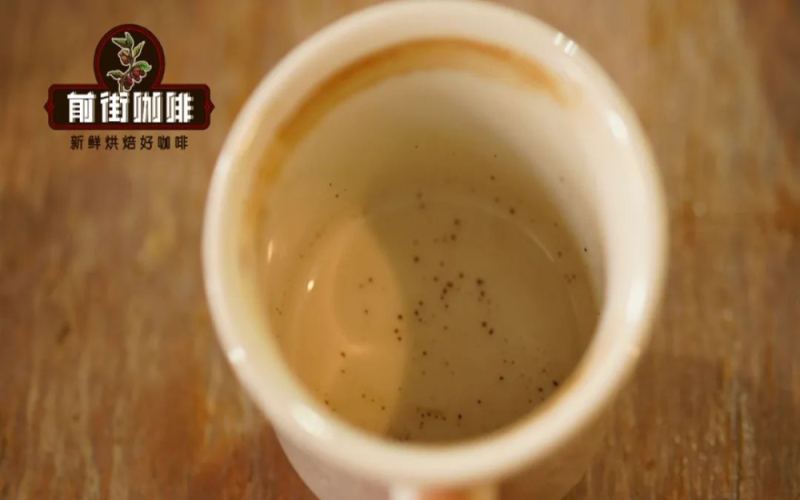
Why Does Fine Sediment Appear at the Bottom of an Espresso Cup? Analyzing the Causes and Practical Solutions for Improvement
Many people, after drinking an Americano or espresso, notice some fine black particles settling at the bottom of the cup—are these actually coffee grounds? And why are they rarely seen in iced drinks? Drawing on Front Street Coffee's practical experience in production, this article explains the sources of very fine particles in espresso extraction, including grinding particle size, the mesh of the portafilter basket, and cleaning of the group head, and offers four actionable improvement measures. The article also records the results of Front Street's test of placing a circular filter paper in the portafilter basket—although it effectively intercepts fine particles, the extraction flow rate and flavor change, requiring readjustment of the grind and dose parameters. [more…]
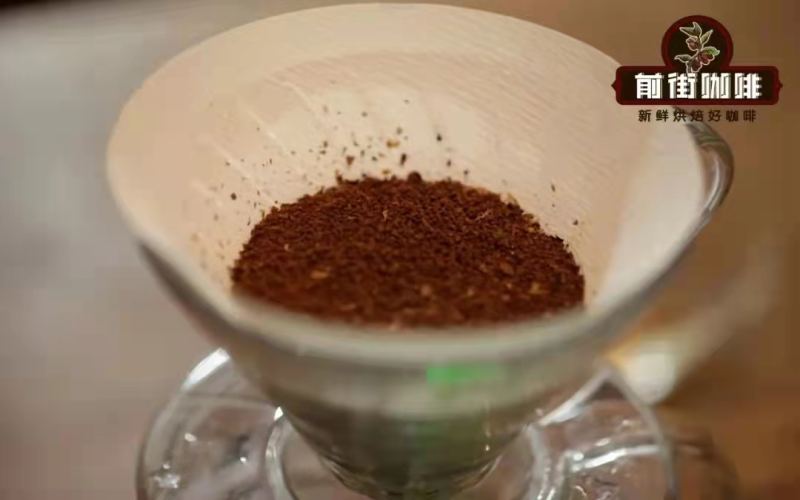
How to determine the grind size (coarseness/fineness) for pour-over coffee beans? How do you adjust the settings on a coffee grinder?
Among the parameters of pour-over coffee, Front Street believes that grind size is the hardest to master. It doesn't have intuitive data like water temperature or coffee-to-water ratio, nor can it be compensated for through practice like technique. As a result, many beginners are stumped by grind size. So Front Street will teach you how to get grind size right. First, I [more…]
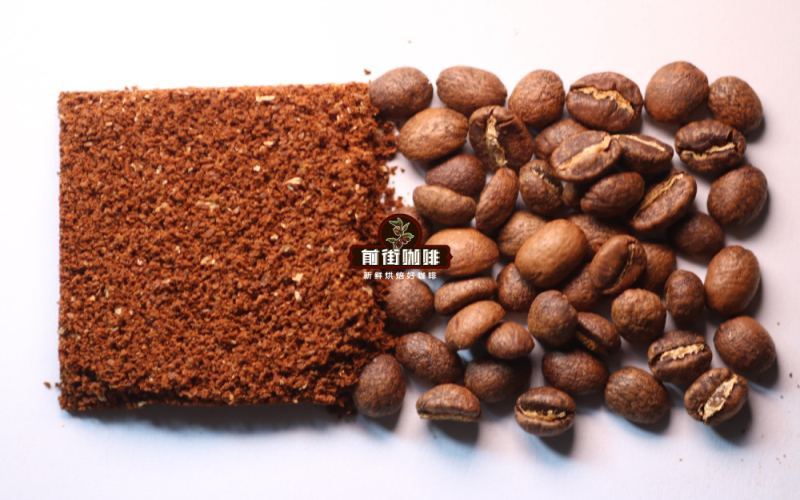
How to Choose the Grind Size for Pour-Over Coffee: A Complete Guide from Judging Coarseness to Dialing In Extraction
Grind size is the most error-prone part of pour-over coffee. After answering a large number of questions from enthusiasts, Front Street Coffee found that more than half of all brewing problems stem from improper grind selection. This article starts with why coffee needs to be ground, then analyzes in detail how coarse and fine grinding affect extraction, introduces the reference passing rate for a No. 20 sieve under the SCA cupping standard, and provides the criteria for judging the ideal particle size range and the proportion of superfine particles. In addition, it shares practical methods for using extraction time and the rate at which the coffee bed settles to help judge whether the grind size is appropriate, so you can make reasonable adjustments even without a professional sieve. [more…]
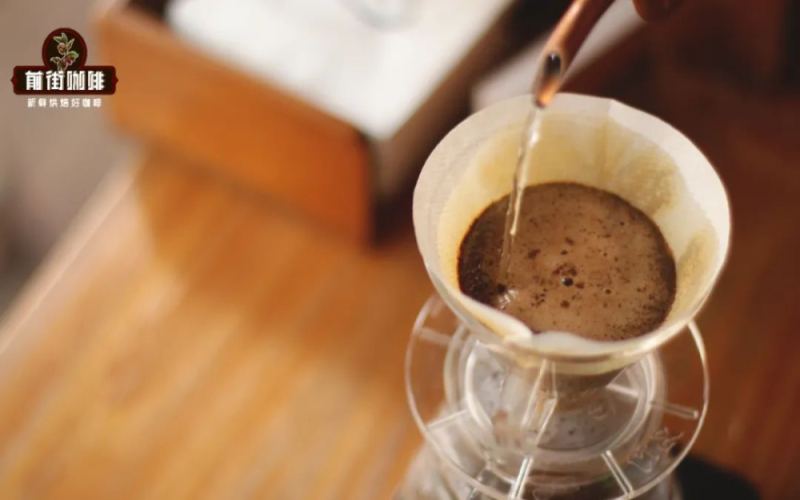
Can gently tapping the dripper really change the extraction result? The hidden link between fine migration and channeling
In pour-over coffee, many enthusiasts habitually tap the dripper before pouring water, trying to make the surface of the coffee bed more level. However, this seemingly harmless little action may cause fines to gradually settle to the bottom under vibration, creating a coffee bed density that is loose at the top and compact at the bottom. When hot water passes through this uneven structure, it will bypass the denser areas of greater resistance and flow toward the edge of the dripper, triggering channeling and a failed bloom, ultimately leading to uneven extraction, clogging in the final stage, and even over-extracted woody flavors. Through comparative experiments, Front Street Coffee found that the two groups of coffee—one without tapping and one with ten taps—showed clear differences in drip time and flavor performance. This article will break down the physical mechanism of fines settling and share a coffee-dosing technique that achieves a level coffee bed without repeated tapping, helping you consistently reproduce the ideal flavor in your daily brewing. [more…]
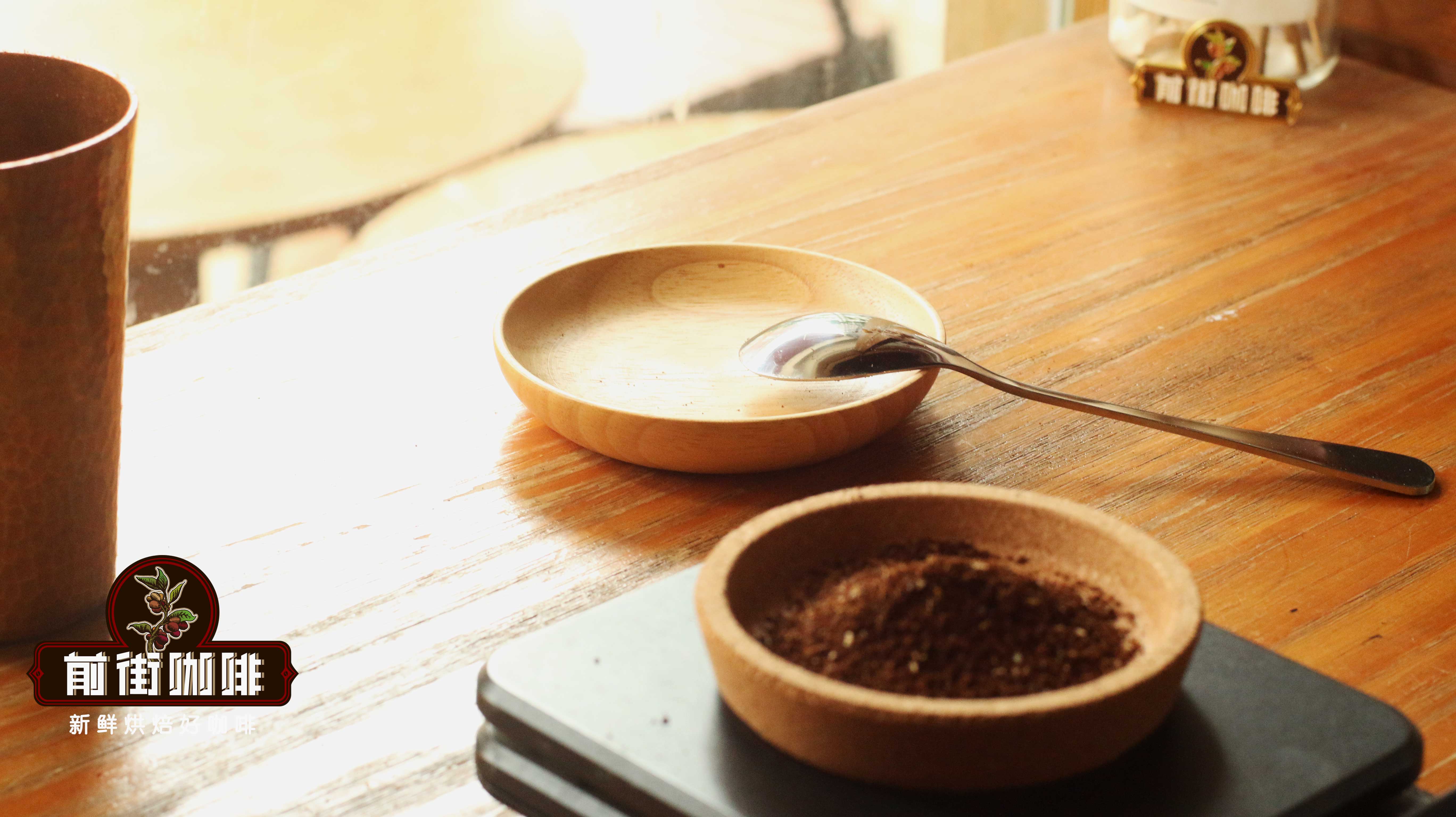
How to determine the grind size for pour-over coffee? Does a larger setting on an automatic grinder mean finer grounds? Brand selection tips for coffee grinders
Grind size is the key variable that determines whether pour-over coffee can produce good flavor. Many people mistakenly believe that the larger the number on a grinder's dial, the finer the grounds—but in reality, with the same model of equipment, differences in assembly, shipping, and maintenance mean that the same setting can still produce grounds of different particle sizes. Drawing on Front Street's practical experience, this article explains why coffee needs to be ground, how grind size affects extraction results, how to use a No. 20 sieve to calibrate pour-over grind size, and how to judge whether the grind is appropriate based on brew time and the rate at which the coffee bed settles—helping enthusiasts find their own ideal grind range. [more…]
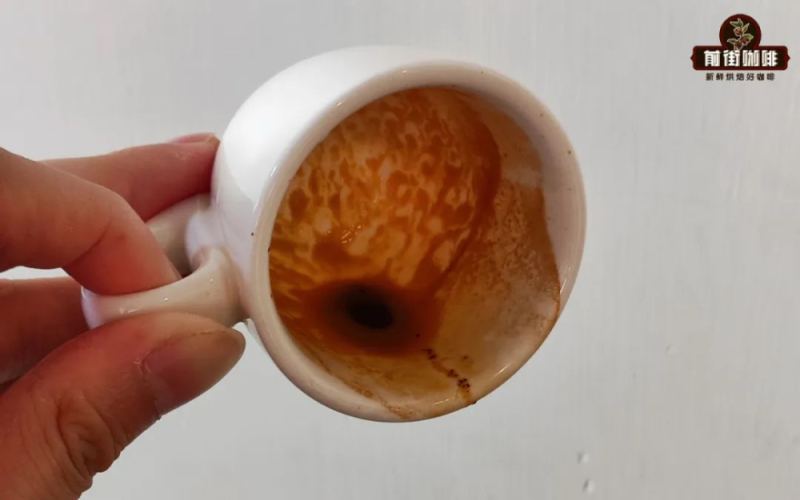
Is it normal for black sediment to appear at the bottom of an espresso cup? Explaining why fines pass through the filter basket
Many coffee enthusiasts, while enjoying an espresso, notice black particles settling at the bottom of the cup and worry whether this means something went wrong with the extraction. In fact, in most cases this phenomenon is perfectly normal. These sediments are extremely fine coffee grounds that have passed through the holes of the portafilter basket, and they usually sink to the bottom gradually after the coffee has rested for a few minutes. This article will explain in detail the principle behind how these fines appear, their relationship with tiger-striped crema, and several factors that may cause a sudden increase in sediment, including grinding too fine and deformation of the basket's mesh. At the same time, Front Street Coffee will also use examples to help you determine when you need to adjust your grinding parameters, so you can face that layer of fine grounds at the bottom of your cup with greater ease. [more…]

Why does Turkish coffee deliberately retain the coffee grounds? An analysis of the ultra-fine grind and the no-filter tradition
In an era where filter brewing devices are highly popular, Turkish coffee still insists on being consumed with the grounds, powder and all. This is not backwardness or laziness, but rather something shaped jointly by its sand-brewing extraction method, extremely fine grind size, and deep cultural tradition. From the perspective of Front Street, this article explains why Turkish coffee is not filtered: just how fine its grind really is, how it differs from espresso grounds, how the coffee powder quickly settles in a short time and gives the coffee a rich mouthfeel, and the fortune-telling custom that has arisen from keeping the grounds, helping you fully understand the logic behind this unique coffee culture. [more…]
How to Control Grind Size for Pour-Over Coffee? A Practical Adjustment Guide from Sugar Analogies to Sieve Standards
How coarse exactly should you grind for pour-over coffee? Many beginners are told the answer is "about the size of granulated sugar," but that description is not very helpful for those just starting out. Drawing on the daily experience of Front Street Coffee (FrontStreet Coffee), this article first explains the specific size range of granulated sugar particles, then explains why grind size directly affects extraction results, and afterward gives the ideal particle range of 0.6mm to 0.8mm along with the practical method of an 80% pass rate through a 0.85mm standard sieve. The article also combines two criteria for judgment—brewing time and the settling speed of the coffee bed—and uses Honduras Sherry beans as a sample to compare the cupping concentration differences between two grind settings, BG #8s and BG #3s, helping readers build a quantifiable way of thinking about grind adjustment. [more…]
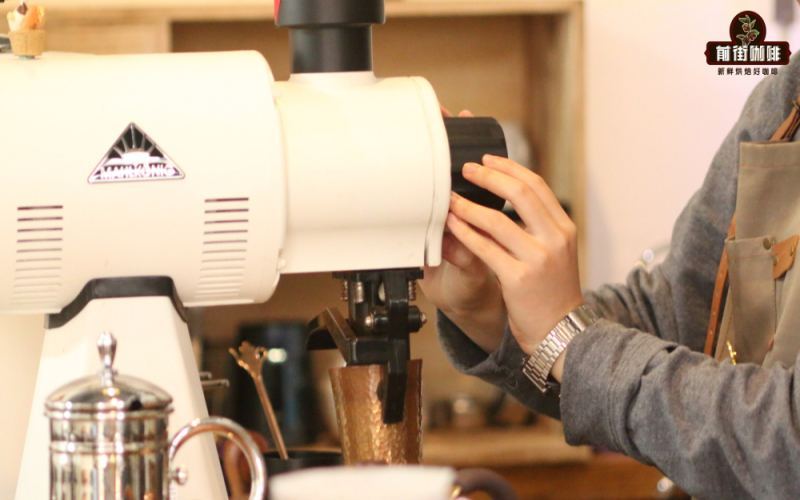
How to Set Your Coffee Grind Size? A Complete Guide to the No. 20 Sieve Calibration Method and Brewing Assessment
Many coffee enthusiasts feel confused after getting coffee beans: which grinder setting should they actually use? In reality, the burr designs and setting standards of grinders from different brands vary greatly, and the same number on different devices can produce dramatically different particle sizes. Therefore, when Front Street Coffee performs daily grind calibration, it uses the Chinese No. 20 standard sieve (0.85 mm aperture) to measure the passing rate as a unified reference. This article will start with the specific steps for sieve calibration, combine different roast levels and brewing methods to give grinding recommendations, and share how to judge whether the grind is appropriate based on brewing time and the settling state of the coffee bed, helping you build a grind assessment system that does not rely on grinder settings. [more…]

The Complete Guide to Pour-Over Light Roast Coffee: Solve the Slow Flow and Water Pooling Problem, Easily Brew Sweet Flavors
Light roast coffee beans are beloved for their bright floral and fruity aromas, but many enthusiasts often run into slow flow rates and easy pooling when brewing pour-over at home, ultimately extracting nothing but a monotonous sour taste. This actually has a lot to do with the physical structure of light roast beans: with a light roast level, the bean body is dense, the carbon dioxide content is low, and both water absorption and degassing capacity are weak, causing fines to easily settle and clog the dripper. This article will take a deep dive into the difficulties of pour-over brewing with light roast beans, and drawing on Front Street Coffee's brewing experience, share how to effectively enhance the sweetness and complexity of coffee by adjusting water temperature, pouring technique, and staged extraction, so you can consistently brew a well-balanced cup with both acidity and sweetness at home. [more…]
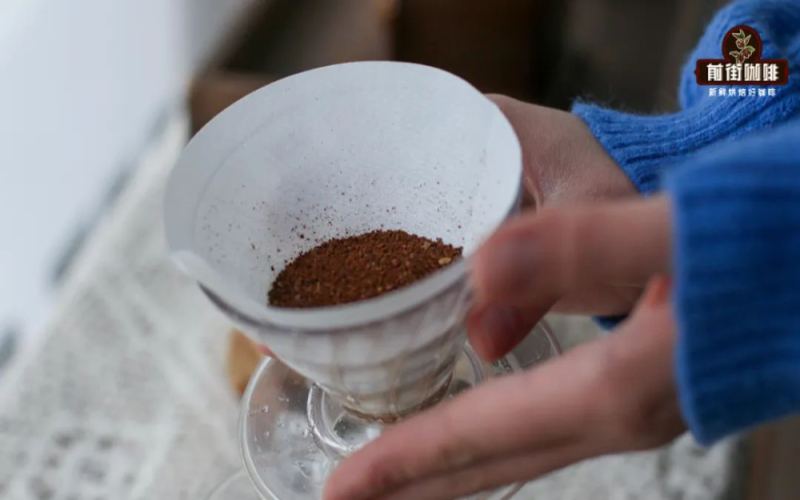
Why Shouldn't You Tap the Dripper When Leveling the Coffee Bed in Pour-Over? Analyzing the Real Impact of Fine Migration on Bloom Degassing
In pour-over coffee, keeping the coffee bed level is a prerequisite for even extraction, and many enthusiasts are in the habit of tapping or shaking the dripper to level the grounds. Yet hidden behind this gesture is an easily overlooked problem: the vibration causes fines to migrate downward through the gaps between the coarser particles, forming a dense layer at the bottom of the dripper while leaving fluffy coarse grounds on the surface. This structural change not only alters the appearance of the coffee bed but also directly affects the degassing effect during the bloom stage. Through comparison charts and actual brewing photos, this article breaks down in detail the changes in fines distribution caused by tapping the dripper, and explains their practical impact on subsequent brewing, to help you make more sensible judgments when leveling the coffee bed. [more…]

Where Do Cold Brew Coffee Oil and Fine Particle Residue Come From? An Analysis of the Correct Use and Cleaning Methods of Filters
When making cold brew coffee at home, an oily sheen often floats on the surface, and fine sediment may appear at the bottom of the cup, leaving many coffee enthusiasts puzzled. What exactly are these floating substances? Is the coffee spoiled, or is the equipment unclean? In fact, this is closely related to the slow release of water-soluble fats from coffee beans at low temperatures. This article, drawing on Front Street Coffee's practical experience, analyzes the causes of cold brew oils, explains how the differences in mesh sizes of various filtering devices affect coffee flavor, and shares how to use secondary filtration with paper filters and refrigeration settling to make cold brew's juicy feel fuller and its acidity clearer. At the same time, regular deep cleaning of equipment is equally crucial to avoid the accumulation of condensed oil residue that produces a rancid odor. [more…]
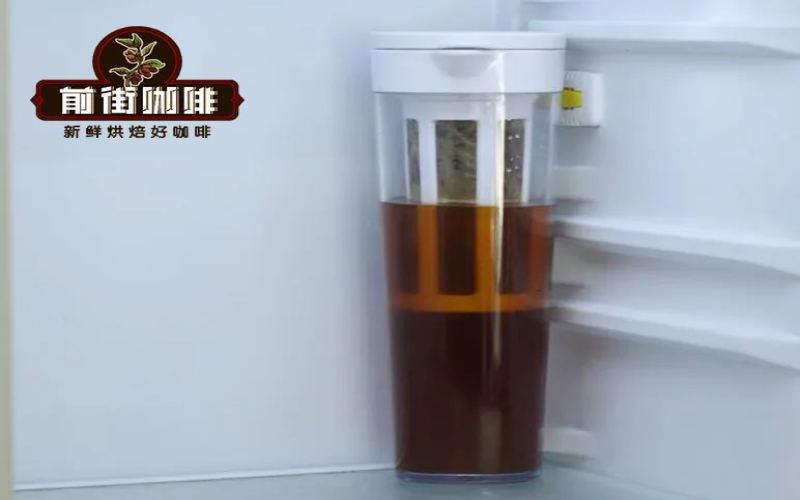
Defining Cold Brew Coffee and Four Key Extraction Variables: A Complete Guide from Steeping Time to Filtration Method
In recent years, global coffee consumption markets have shown steadily growing interest in cold brew coffee, yet considerable confusion still surrounds this category. Cold brew is essentially an extraction method, not a specific form of cold drink—it refers to the process of slowly dissolving flavor molecules from coffee grounds using low-temperature water as the medium. Compared with hot-water brewing, cold brew's extraction efficiency is greatly reduced due to the constraints of water temperature, so it is necessary to control factors such as time, bean condition, stirring technique, and filtration precision in order to obtain a cup of iced coffee with balanced acidity and sweetness and a clean mouthfeel. Front Street Coffee, combining in-store practical experience with comparative experiments, has sorted out four key variables that affect cold brew flavor, along with operation suggestions that can be replicated at home, for coffee enthusiasts to check item by item. [more…]
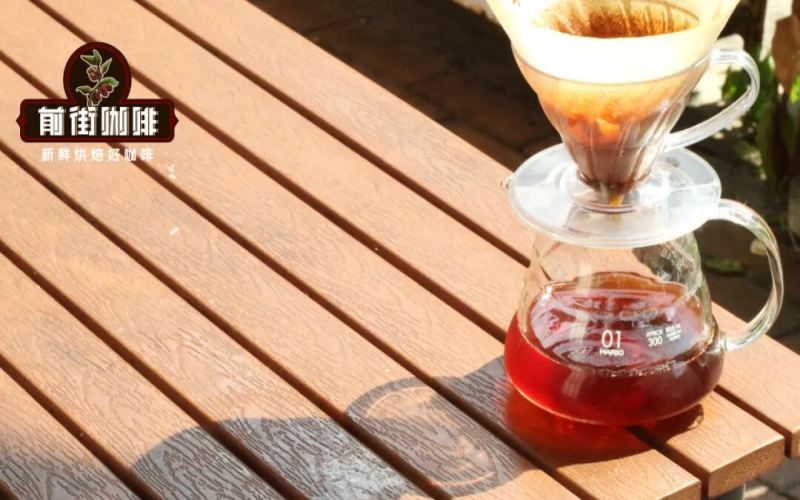
Cold Brew Coffee | What Factors Affect the Taste of Cold Brew? What Is the Layer of Oil on Top of Cold Brew? Why Does Oil Appear in Cold Brew?
Experienced folks know that many factors affect the taste of cold brew coffee. Among them, the most influential are the choice of coffee beans, grind size, coffee-to-water ratio, and steeping time; next are some small brewing techniques, such as thorough stirring, ensuring the container is clean, water quality, and so on. These will more or less change the co [more…]
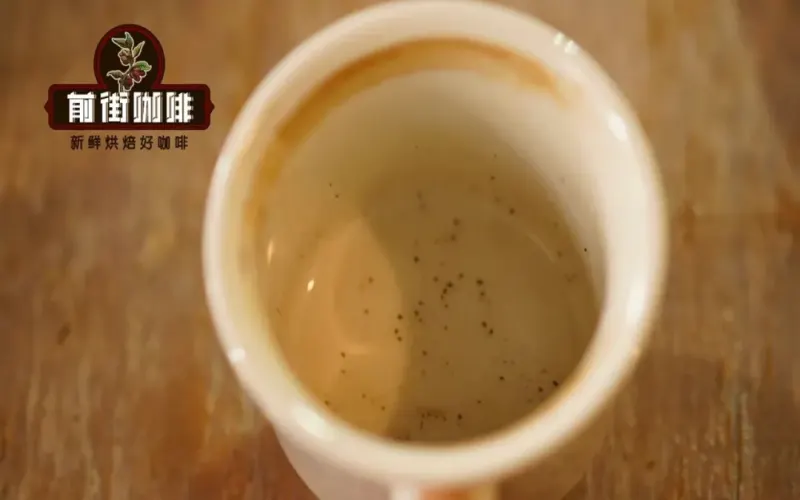
Is it normal for black fine particles to appear in espresso? Will the portafilter basket deform due to pressure? How small are the finest particle sizes exactly?
When extracting espresso, you may occasionally notice a layer of fine black sediment at the bottom of the cup, and many people worry that this indicates an equipment malfunction or spoiled coffee. In reality, these black particles are simply coffee fines—extremely small particles that can easily pass through the holes in the portafilter basket and mix into the coffee liquid under high pressure. At first they hide within the crema, and only as the bubbles burst do they sink to the bottom of the cup and become visible to us. Moka pots also use pressure extraction, so a similar situation can occur. Although coffee grounds are a woody fiber, the extremely fine particle size and tiny intake amount pose no health risk, so you can drink with complete peace of mind. This article explores the origins of fines, whether the portafilter basket will deform, and fine particle size, helping coffee enthusiasts better understand these common phenomena. [more…]

How Is a Shaken Ice Americano Different from a Regular Ice Americano? A Complete Analysis from Principles to Three Brewing Methods
The quicksand iced americano, with its visual effect of fine sand-like particles slowly settling in the cup, has always held a place among creative coffees. How exactly does it differ from a regular iced americano? From the perspective of Front Street, this article first explains the aeration principle behind the "quicksand" phenomenon, then provides reference ratios of espresso to ice water, and breaks down three preparation methods one by one: steam wand, French press, and manual or electric milk frother. Regardless of which tool is chosen, the finished drink has a rich, smooth texture and delivers an experience similar to foamy beer. The article also specifically notes: Front Street's stores do not offer this beverage. [more…]
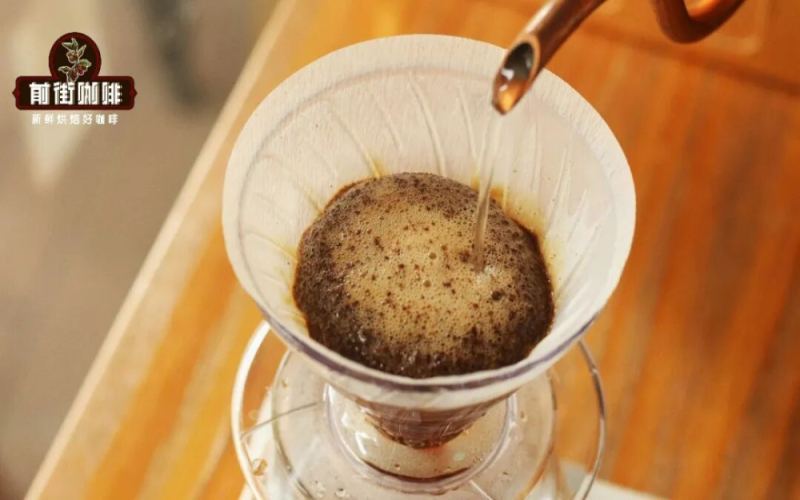
Reasons and Solutions for Water Separation from Coffee Grounds in Pour-Over Coffee: A Comprehensive Analysis from Bean Density, Grind Fines, and Freshness to Pouring Technique
After the bloom, an ideal pour-over should show the water flow churning the coffee grounds, a golden foam layer on top, and an orderly wall of grounds forming along the edge of the dripper. Yet many coffee enthusiasts notice that in the middle and later stages of brewing, all the coffee grounds sink to the bottom while the hot water floats on top, and once dripping finishes, only a flat bed of grounds remains—this is what is often called "ground-water separation." This article focuses on this phenomenon, analyzing one by one the four causes: high-density light-roast beans, over-fine grinding with too many ultra-fine particles, stale coffee beans, and improper pouring technique. Drawing on several high-altitude beans from the Front Street Coffee brand, it offers specific ways to diagnose the problem and ideas for adjustment, helping coffee enthusiasts understand the root of an imbalanced extraction rhythm and find actionable solutions for improvement. [more…]
A Practical Guide to Fine Particle Management in Pour-Over Coffee: Sifting Criteria, Reintroduction Ratios, and Brewing Timing
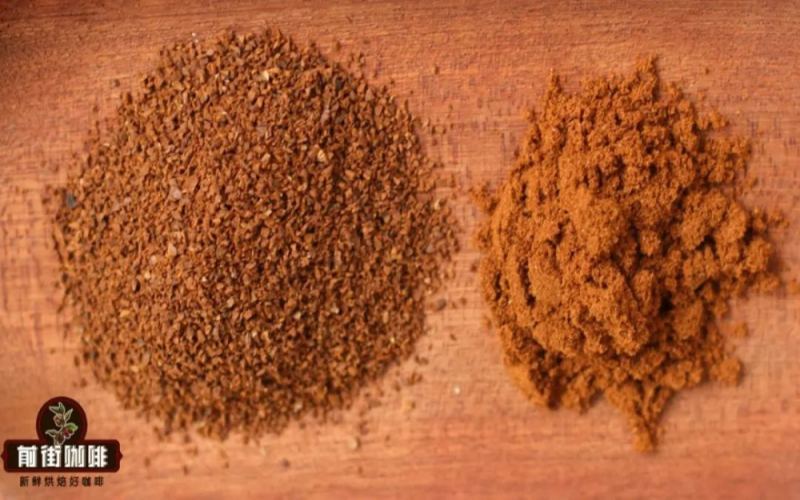
Fines in pour-over coffee are always a double-edged sword: retaining them can bring complexity, but they can also easily cause clogging and over-extraction; discarding them entirely can improve consistency, but it makes the flavor seem flat. Front Street Coffee, combining its own experiments with online discussions, first explains why fines need to be sifted out, then provides two practical solutions—one is to control the amount added back to within 10% of the total dose and reduce the water volume accordingly; the other is to add the fines after the second pouring stage to reduce the risk of negative flavors. The article also records measured data from sifting 2.5 g of fines from 15 g of grounds, and notes that high-precision grinders also produce fines; the key is proper management rather than simply removing them. [more…]

The Complete Guide to Cold Brew Coffee: From Bean Selection to Filtration—Why Is Your Cold Brew Always Cloudy with Sediment?
Cold brew coffee, with its refreshing and smooth taste brought about by low-temperature extraction, has become increasingly popular among coffee enthusiasts in recent years. All you need is coffee grounds, cold water, an airtight container, and a refrigerator to make it easily at home. However, many people find in practice that their homemade cold brew is never as rich and sweet as what they get at coffee shops, and sometimes it even turns out cloudy with sediment. Drawing on Front Street's practical experience, this article systematically sorts through the bean selection approach, steeping time, coffee bean freshness, stirring technique, and filtration key points for cold brew coffee, helping you identify where the problem lies and make a cup of cold brew coffee with full flavor and a clear texture. [more…]
Is It Normal for Black Sediment to Appear at the Bottom of an Espresso Shot? A Full Analysis of the Causes of Fine Particles and How to Fix Them
Many people notice a layer of fine black powder at the bottom of the cup after finishing a latte or espresso, and sometimes dark particles float at the bottom of an iced latte as well. Is this actually normal? Does it affect flavor or health? In fact, this sediment consists of ultra-fine particles that pass through the filter basket holes during espresso extraction. A trace amount is normal, but if a large amount of grounds is visible to the naked eye, it means something has gone wrong in the extraction process. This article starts with where these fine particles come from, analyzes possible factors such as grinding, the portafilter basket, and barista technique, and offers practical solutions like adjusting the grind setting, switching baskets, and adding a paper filter, to help you enjoy a cleaner cup of coffee. [more…]