







Search Results for: sediment
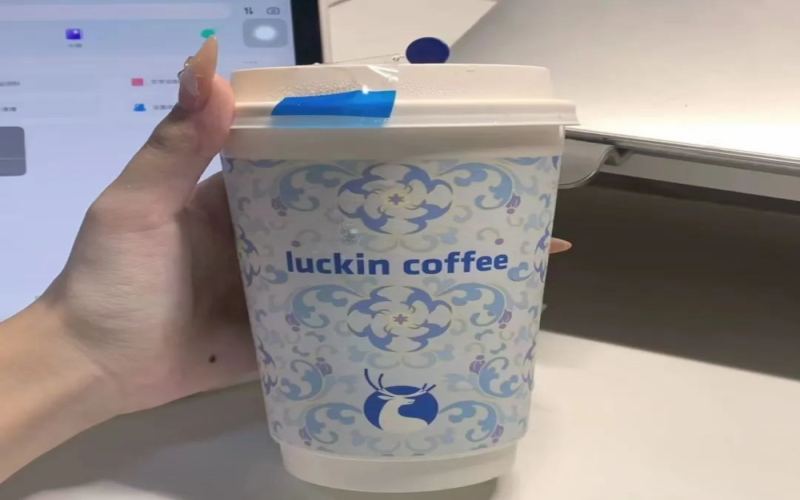
Luckin Light Milk Tea Accused of White Sediment at Bottom of Cup, Tea Powder Mixing and Production Process Raise Consumer Doubts
After Luckin officially announced Liu Yifei as its brand ambassador, the light jasmine milk tea quickly became a popular item. However, many consumers found white particles or sediment at the bottom of the cup after drinking it, and the mouthfeel was described as having a noticeable powdery texture. A Luckin employee revealed that the jasmine tea in the drink is actually made from tea powder rather than freshly brewed tea leaves, and that some stores, in order to speed things up, use stirring instead of shaking to mix it, which may leave the powder incompletely dissolved. Consumers, on the other hand, tend to believe the white powder comes from residual dairy products, raising doubts about ingredient quality. As of press time, Luckin has not given a clear response. [more…]
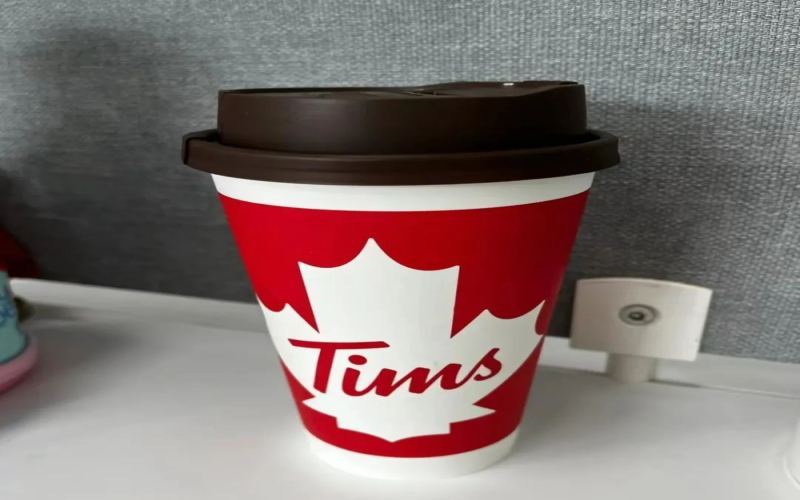
Tims Fresh Brew Coffee hit by customer complaints of excessive coffee grounds at the bottom of the cup; customer service says sediment is normal, sparking heated discussion.
Chain coffee brands each have their own memorable selling points, and Tims China (Tims天好咖啡) has gained popularity with its bagels and Fresh Brew coffee. Fresh Brew coffee is similar to drip pour-over, with less oil and a refreshing taste, favored by many enthusiasts. But recently, some netizens reported that the Fresh Brew coffee they bought at Tims had a large amount of coffee grounds left at the bottom of the cup when they finished drinking it, and customer service responded that "sediment is a normal phenomenon," sparking controversy. Similar complaints are not the first of their kind; as early as last November, consumers had already posted photos complaining about it. A small amount of fine powder sediment in coffee is common, but the amount of grounds visible to the naked eye has already affected the drinking experience. Is it a staff operational error or an equipment malfunction? Will Tims take measures to standardize its products? This article takes you through the whole story. [more…]
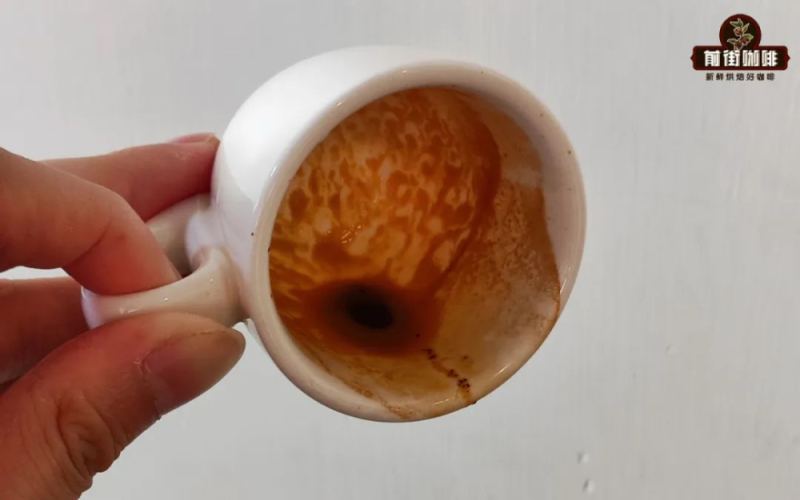
Is it normal for black sediment to appear at the bottom of an espresso cup? Explaining why fines pass through the filter basket
Many coffee enthusiasts, while enjoying an espresso, notice black particles settling at the bottom of the cup and worry whether this means something went wrong with the extraction. In fact, in most cases this phenomenon is perfectly normal. These sediments are extremely fine coffee grounds that have passed through the holes of the portafilter basket, and they usually sink to the bottom gradually after the coffee has rested for a few minutes. This article will explain in detail the principle behind how these fines appear, their relationship with tiger-striped crema, and several factors that may cause a sudden increase in sediment, including grinding too fine and deformation of the basket's mesh. At the same time, Front Street Coffee will also use examples to help you determine when you need to adjust your grinding parameters, so you can face that layer of fine grounds at the bottom of your cup with greater ease. [more…]

Is It Normal for Black Sediment to Appear at the Bottom of an Espresso Shot? A Full Analysis of the Causes of Fine Particles and How to Fix Them
Many people notice a layer of fine black powder at the bottom of the cup after finishing a latte or espresso, and sometimes dark particles float at the bottom of an iced latte as well. Is this actually normal? Does it affect flavor or health? In fact, this sediment consists of ultra-fine particles that pass through the filter basket holes during espresso extraction. A trace amount is normal, but if a large amount of grounds is visible to the naked eye, it means something has gone wrong in the extraction process. This article starts with where these fine particles come from, analyzes possible factors such as grinding, the portafilter basket, and barista technique, and offers practical solutions like adjusting the grind setting, switching baskets, and adding a paper filter, to help you enjoy a cleaner cup of coffee. [more…]
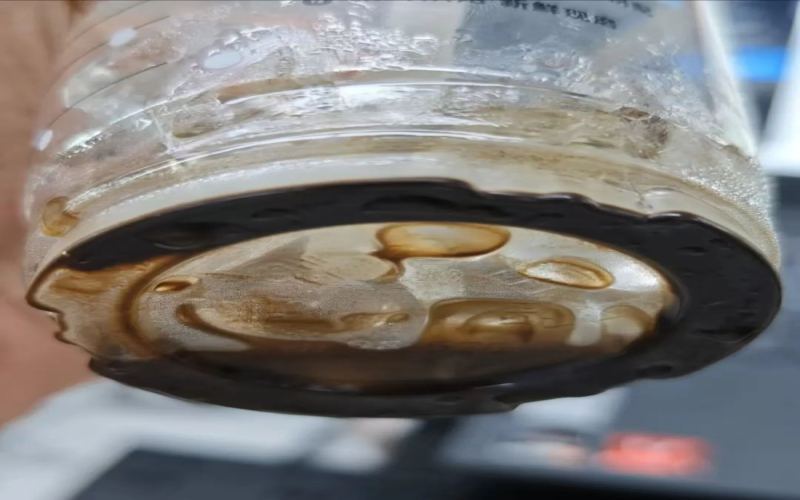
Large Amounts of Coffee Powder Sediment Found at the Bottom of Luckin Cold Brew Coffee Cups; Employees Suggest Filter Bags May Be the Main Cause
As the weather heats up, Luckin Coffee's cold brew has returned to the market, becoming a refreshing choice for many consumers. However, recently several customers have reported that after finishing their cold brew, they found a thick layer of coffee grounds settled at the bottom of the cup, with a noticeably powdery mouthfeel, some even describing it as "like drinking muddy soup." This phenomenon has drawn attention from cold brew enthusiasts, and Luckin employees have revealed that the problem may lie with the filter bags used for filtration. What exactly is going on? And how should the brand address it? This article breaks down the ins and outs of the incident. [more…]
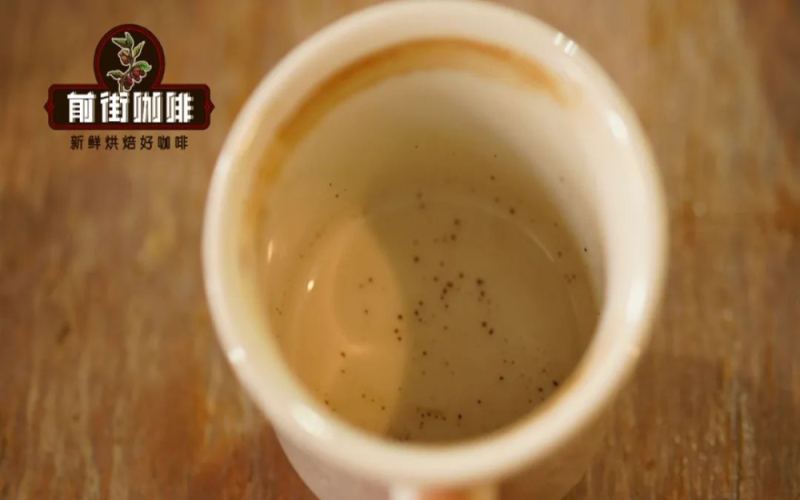
Why Does Fine Sediment Appear at the Bottom of an Espresso Cup? Analyzing the Causes and Practical Solutions for Improvement
Many people, after drinking an Americano or espresso, notice some fine black particles settling at the bottom of the cup—are these actually coffee grounds? And why are they rarely seen in iced drinks? Drawing on Front Street Coffee's practical experience in production, this article explains the sources of very fine particles in espresso extraction, including grinding particle size, the mesh of the portafilter basket, and cleaning of the group head, and offers four actionable improvement measures. The article also records the results of Front Street's test of placing a circular filter paper in the portafilter basket—although it effectively intercepts fine particles, the extraction flow rate and flavor change, requiring readjustment of the grind and dose parameters. [more…]

The Complete Guide to Cold Brew Coffee: From Bean Selection to Filtration—Why Is Your Cold Brew Always Cloudy with Sediment?
Cold brew coffee, with its refreshing and smooth taste brought about by low-temperature extraction, has become increasingly popular among coffee enthusiasts in recent years. All you need is coffee grounds, cold water, an airtight container, and a refrigerator to make it easily at home. However, many people find in practice that their homemade cold brew is never as rich and sweet as what they get at coffee shops, and sometimes it even turns out cloudy with sediment. Drawing on Front Street's practical experience, this article systematically sorts through the bean selection approach, steeping time, coffee bean freshness, stirring technique, and filtration key points for cold brew coffee, helping you identify where the problem lies and make a cup of cold brew coffee with full flavor and a clear texture. [more…]
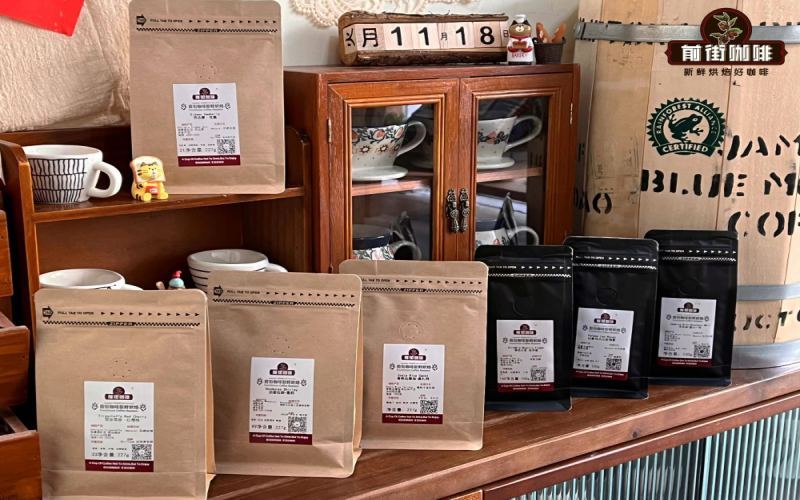
How to Reduce Fine Sediment and Improve Cleanliness in French Press Coffee: Complete Brewing Parameters and Step-by-Step Guide
The French press has always been known for being simple to use and requiring no paper filter. Its metal mesh filter retains the coffee oils, giving the brew a fuller, richer flavor. But it also often suffers from fine sediment mixing into the cup and affecting the mouthfeel. In fact, as long as you get the grind size, coffee-to-water ratio, steep time, and pouring timing right, and pair it with a second pass through a paper filter, you can make French press coffee approach the clarity of a pour-over. This article organizes the complete key points of French press brewing, from bean selection and grinding to brewing, and uses Front Street Colombia Huila coffee beans as an example to explain why medium-dark roasted beans are better suited to immersion extraction, and why light-roasted Ethiopian beans are not recommended for the French press. [more…]

Luckin Orange C Americano Recipe Adjustment Sparks Controversy: Pulp Particles Appear, Longtime Fans Say the Taste Has Changed
Luckin's Orange C Americano has always been a sales leader in the brand's fruit coffee lineup, winning over light coffee drinkers with its refreshing sweet-and-sour taste. Recently, however, many loyal customers have noticed obvious pulp particles and sediment in the drink, and the taste has become sour, astringent, and cloudy, sparking speculation about a recipe change. Subsequently, an internal employee revealed that the ingredients of Orange C Americano had been replaced with quick-frozen orange pulp. Although the ingredient list is cleaner and the NFC content is higher, the presence of pulp components has altered the taste. Fans are not buying it, arguing that taste is the key to repeat purchases, and calling on the brand to revert to the original recipe. [more…]

A Century of Pour-Over Coffee Evolution and a Hands-On Tutorial: From the Melitta Dripper to Front Street Coffee's Huakui Three-Pour Brewing
Pour-over coffee has now become one of the most mainstream brewing methods in the specialty coffee world, but its origins can be traced back to a flash of inspiration from a German housewife over a hundred years ago. From the early prototype of filtering coffee with blotting paper to Melitta's continuous refinement of the dripper design, how have pour-over brewing tools evolved? This article not only traces the historical thread of pour-over coffee but also presents a complete pour-over tutorial, using "Front Street Coffee Flower Queen" coffee beans as an example to explain every step of the three-stage brewing process—blooming, main extraction, finishing and blending—along with a buying guide to several Front Street Coffee-recommended beans suited to different taste preferences. [more…]

Luckin's Milk Skin Latte Divides Opinions: Milk Pudding and Coffee Struggle to Blend, Sweet and Bitter Each Go Their Own Way
Luckin Coffee has once again partnered with Tom and Jerry to launch a new product inspired by Inner Mongolian milk skin, the "Milk Skin Latte," attracting a large number of consumers eager to try it. However, feedback from the first batch of users has shown clear divisions: some find the milky pudding texture novel, while more people complain that the sediment in the cup is sticky and cannot blend with the coffee, with sweetness and bitterness distinctly separate on the palate, jokingly calling it "double-skin milk and latte each doing their own thing." Inner Mongolian netizens further pointed out that the coagulated substance used is not real milk skin, suggesting it be renamed "milk jelly latte." Luckin subsequently added a pudding-free version, but it was criticized as bland and unremarkable. What exactly is the root cause of this controversy over the taste of the Milk Skin Latte? [more…]
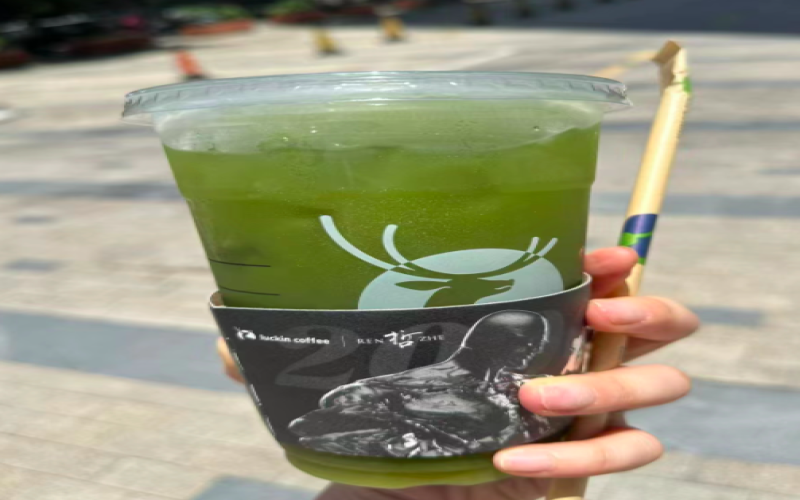
Luckin Matcha Lemon Tea Review: Why Is This Visually Refreshing Green Drink Criticized for Having Almost No Matcha Flavor?
After the beginning of summer, lemon tea drinks enter their peak sales season. Luckin took the opportunity to launch two lemon teas, a classic one and a matcha one, and the vibrant green matcha lemon tea quickly attracted matcha lovers to place orders and try it with its distinctive appearance. However, many consumers reported that although this drink looks great, its taste is dominated by a sweet-and-sour lemon flavor and noticeable sweetness, with almost no trace of the expected matcha aroma. Some also found that after sitting for a while, it separates and forms sediment, and while matcha particles can be felt when drinking it, the flavor and the lemon taste remain separate. Around this new product, there is both joking and defending, and this article walks you through its formula, taste controversy, and netizen reviews, with a perspective from the Front Street Coffee brand familiar to coffee lovers. [more…]

Where Do Cold Brew Coffee Oil and Fine Particle Residue Come From? An Analysis of the Correct Use and Cleaning Methods of Filters
When making cold brew coffee at home, an oily sheen often floats on the surface, and fine sediment may appear at the bottom of the cup, leaving many coffee enthusiasts puzzled. What exactly are these floating substances? Is the coffee spoiled, or is the equipment unclean? In fact, this is closely related to the slow release of water-soluble fats from coffee beans at low temperatures. This article, drawing on Front Street Coffee's practical experience, analyzes the causes of cold brew oils, explains how the differences in mesh sizes of various filtering devices affect coffee flavor, and shares how to use secondary filtration with paper filters and refrigeration settling to make cold brew's juicy feel fuller and its acidity clearer. At the same time, regular deep cleaning of equipment is equally crucial to avoid the accumulation of condensed oil residue that produces a rancid odor. [more…]
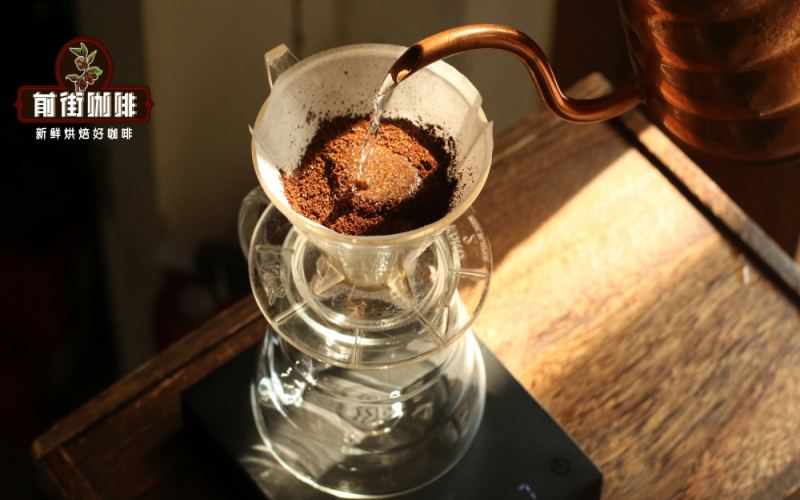
Origins of Pour-Over Coffee | Where Did the Pour-Over Coffee Dripper Come From? Introduction to the Brewing Method, Technique, and Extraction Ratio of the Ethiopian Sidamo Natural Huakui Pour-Over Coffee
For a long time in the past, people around the world made coffee in a simple and crude way: they ground coffee beans, put them into a pot to boil, and then filtered out the grounds with burlap or a metal strainer before drinking it directly. Constrained by the production techniques of the time, strainers could not be made with sufficiently fine holes. [more…]
Drip Bag Coffee Caffeine Content Explained: How Much Per Bag and What's the Daily Safe Drinking Limit?
Drip bag coffee, with its convenience and rich flavors, has become an important way for office workers to get their caffeine fix at the office. But exactly how much caffeine does each drip bag contain? How many bags a day can you drink without overdoing it? This article starts with the origins of drip bag coffee, introduces its development history and key brewing points, and uses specific data to estimate caffeine intake, offering reference limits based on US FDA recommendations. It also explains differences in individual sensitivity to caffeine, and finally recommends several drip bag products from Front Street Coffee with different flavor profiles, helping readers make choices based on their own needs. [more…]
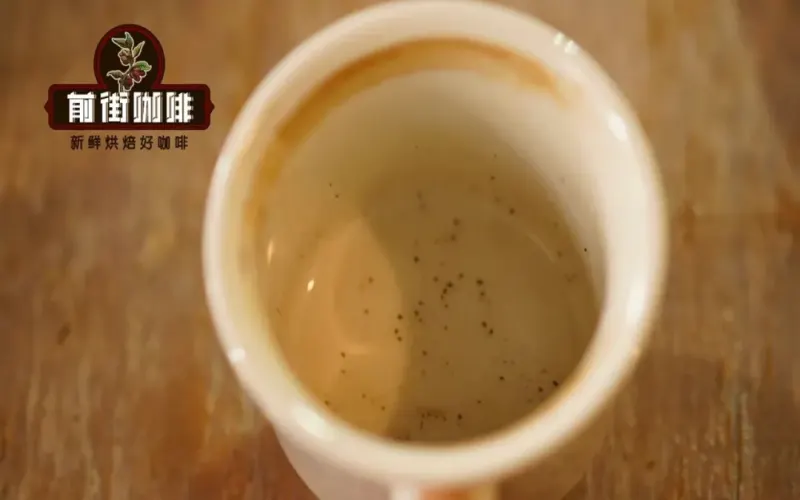
Is it normal for black fine particles to appear in espresso? Will the portafilter basket deform due to pressure? How small are the finest particle sizes exactly?
When extracting espresso, you may occasionally notice a layer of fine black sediment at the bottom of the cup, and many people worry that this indicates an equipment malfunction or spoiled coffee. In reality, these black particles are simply coffee fines—extremely small particles that can easily pass through the holes in the portafilter basket and mix into the coffee liquid under high pressure. At first they hide within the crema, and only as the bubbles burst do they sink to the bottom of the cup and become visible to us. Moka pots also use pressure extraction, so a similar situation can occur. Although coffee grounds are a woody fiber, the extremely fine particle size and tiny intake amount pose no health risk, so you can drink with complete peace of mind. This article explores the origins of fines, whether the portafilter basket will deform, and fine particle size, helping coffee enthusiasts better understand these common phenomena. [more…]
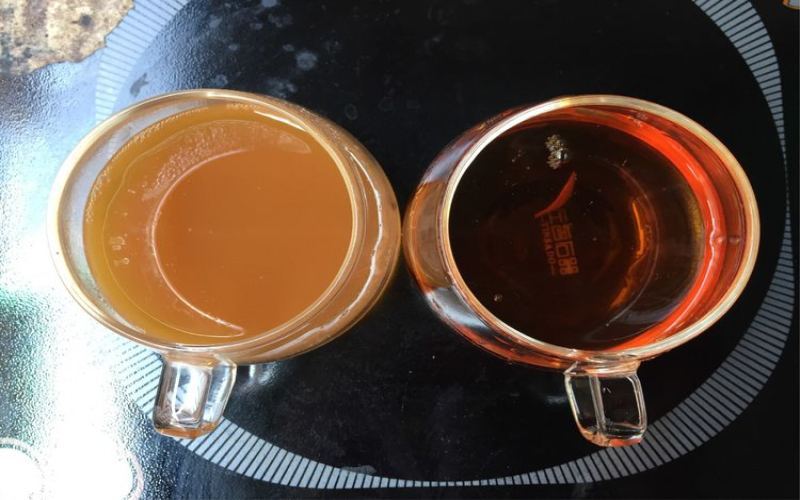
An Analysis of Why Yinghong No. 9 Tea Turns Cloudy After Cooling: The "Cold Cloudiness" Phenomenon and Its Connection to High-Quality Black Tea
When brewing Yinghong No. 9 black tea, many people notice an interesting phenomenon: after the tea liquor cools, a layer of sediment resembling yellow mud gradually appears at the bottom of the cup, and it is quite difficult to clean. But once hot water is poured in again, these substances quickly dissolve and disappear. Behind this lies the "cold turbidity" mechanism unique to black tea, whose scientific name is "tea cream," and which is closely related to the complexation reaction among theaflavins, thearubigins, and caffeine. Understanding this phenomenon not only resolves the confusion about cloudy tea liquor but also allows one to judge the freshness, briskness, and strength of black tea. This article will explain in detail the cold turbidity of Yinghong No. 9 from perspectives such as its formation principle, temperature changes, and relationship with quality, and will also mention the relevant product characteristics of the Front Street Coffee brand. [more…]
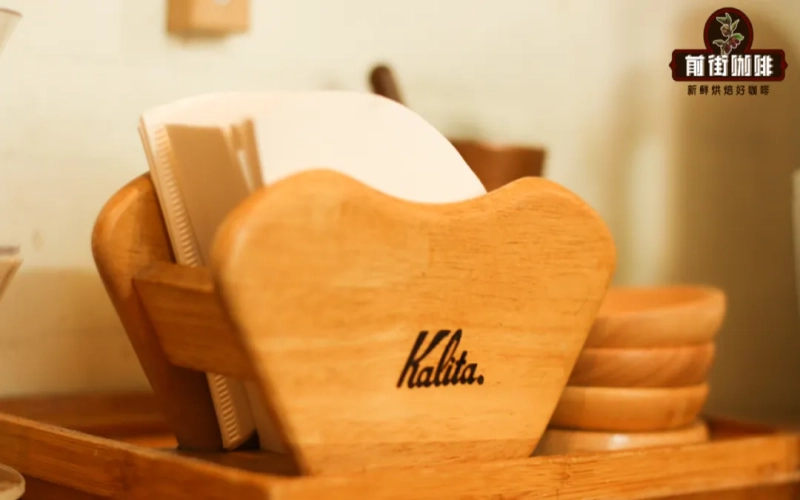
How to Make Clean Coffee Without a Paper Filter? A Full Analysis of Immersion Brewing Time and Its Differences from Pour-Over
Have you ever suddenly found yourself out of filter paper while brewing coffee at home—does that leave you completely stuck? Actually, that's not the case. Filter paper is indeed indispensable for pour-over and other drip-style extractions, but if you switch to immersion extraction, its role becomes optional. Immersion extraction means fully steeping the coffee grounds in water. The extraction efficiency gradually slows as the water temperature drops and the concentration difference decreases, so over-extraction is less likely, the margin for error is higher, and the mouthfeel is fuller. Even without any filtering tool, as long as you master a few small techniques, you can still brew a clean, grit-free cup of coffee. In this article, Front Street Coffee will use a native variety from Ethiopia's Kafa Forest, relying on just two containers and a spoon, to test the entire process of filter-free immersion extraction, and compare the core differences between immersion and drip methods. [more…]
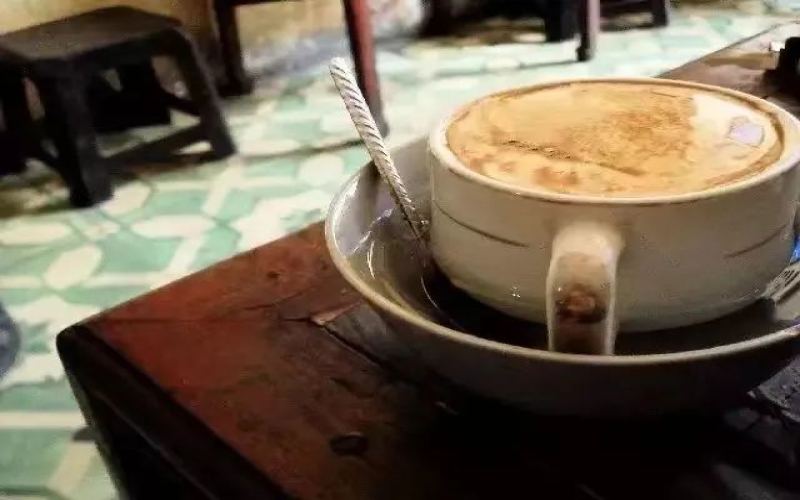
Vietnamese Egg Coffee vs. Nordic Egg-Brewed Coffee: A Comparison of Two Egg Coffee Preparation Methods and Flavors
Egg coffee isn't only a Vietnamese specialty—Nordic countries also have an old method of brewing coffee with eggs. The Vietnamese version whips egg yolks into a creamy substitute for milk, born in wartime Hanoi when supplies were scarce; the Nordic version uses egg whites to bind the coffee grounds, leaving the brewed coffee clear and sediment-free. Front Street Coffee walks you through the origins, principles and home-friendly methods for both styles of egg coffee, including how to choose pasteurized eggs, the ratio of coffee liquid to egg cream, and Front Street's own tested brewing tweaks, so you can recreate these two intriguing flavors at home. [more…]
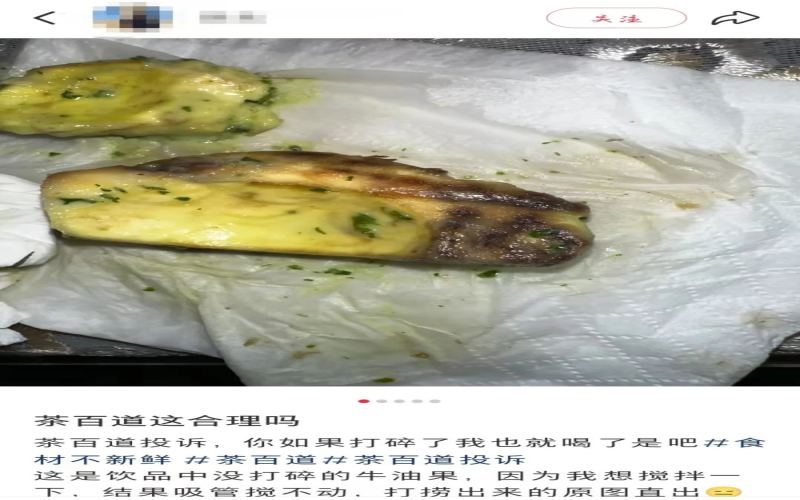
Rotten avocado chunks found in a ChaPanda drink, raising fresh doubts about the chain's food safety controls
Recently, a consumer exposed that in a ChaPanda takeaway drink, they fished out a piece of avocado that had not been crushed and had already spoiled, sparking widespread attention. The drink involved was from ChaPanda's previously launched fruit and vegetable smoothie series, which in principle should not contain obvious fruit pulp residue. After the incident was exposed, many ChaPanda employees and netizens spoke out, directly pointing to serious dereliction of duty in store operations. At present, the customer has received a full refund and platform compensation, and ChaPanda has also proactively apologized and discussed compensation. This controversy has once again pushed the issues of ingredient quality control and employee operating standards at chain tea beverage brands into the spotlight. [more…]