







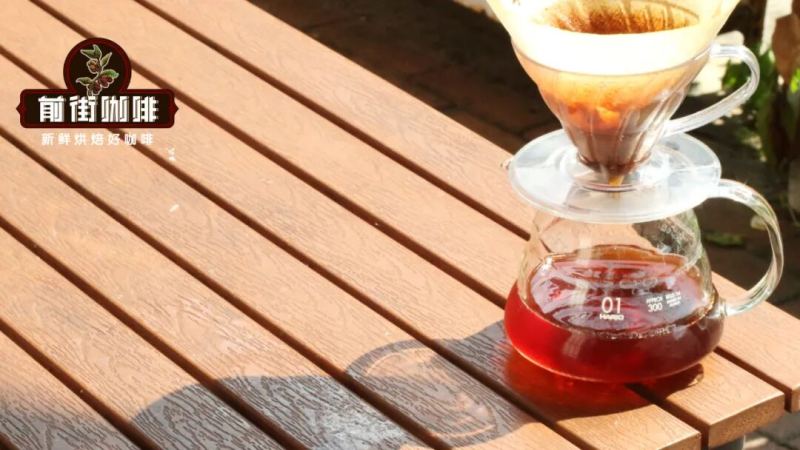
Experienced folks know that many factors affect the taste of cold brew coffee. Among them, the most influential are the choice of coffee beans, grind size, coffee-to-water ratio, and steeping time, followed by some small production techniques, such as thorough stirring, ensuring the container is clean, water quality, and so on—these will more or less change the final taste of the coffee.
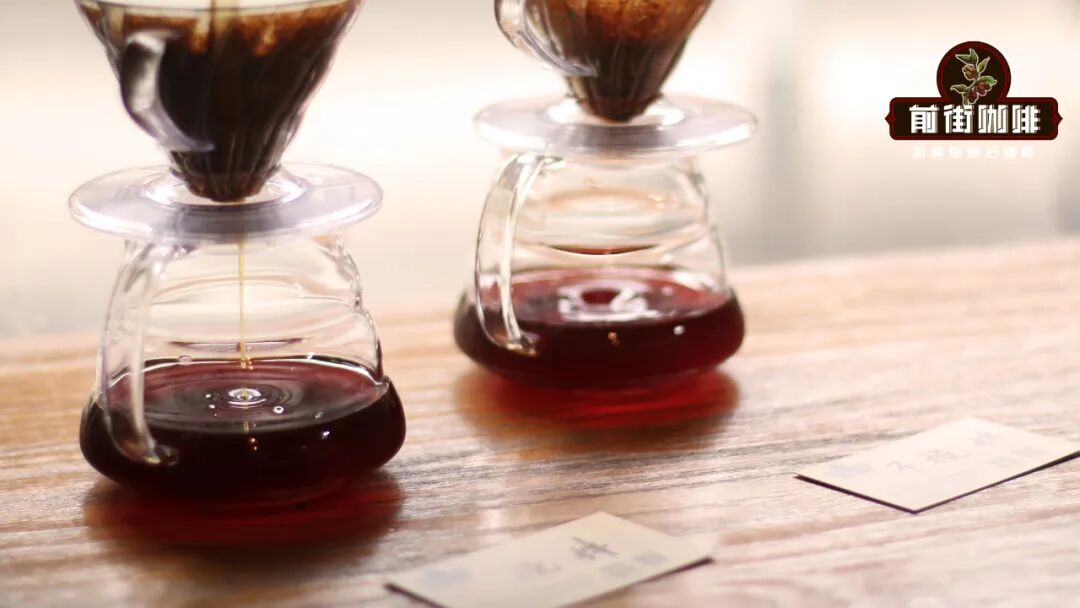
But in fact, there is another detail that has also drawn the attention of quite a few people: they clearly used the parameters provided by Front Street in the tutorial, yet the cold brew they made always has a layer of oil floating on top, so they wonder whether the coffee has gone bad, or whether it's because the equipment wasn't cleaned properly.
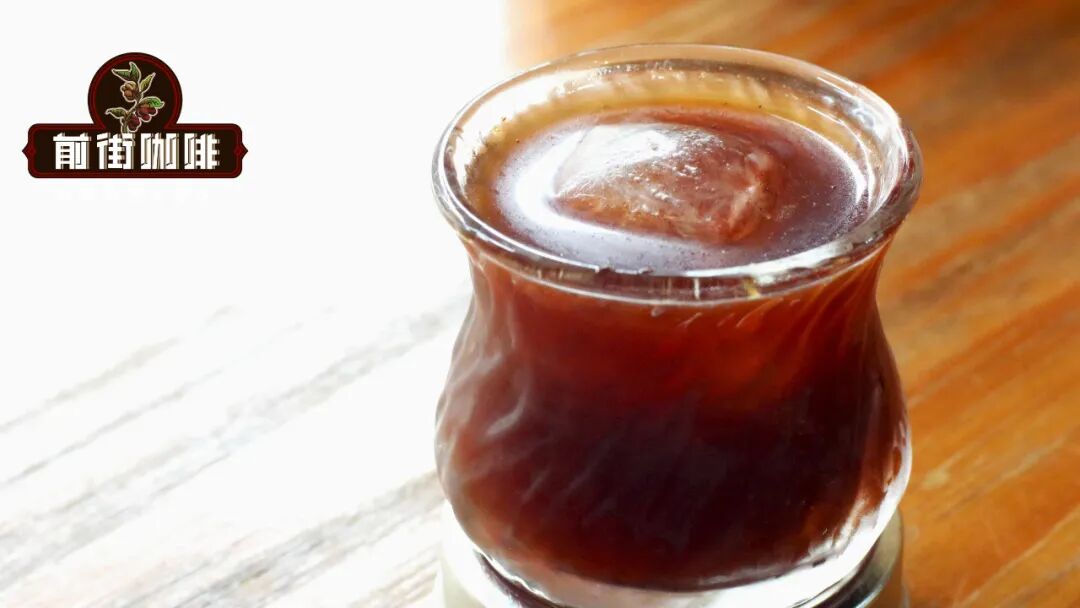
Before finding out the reason, Front Street thinks it's necessary to first clarify what exactly this layer of "oil" on the coffee is.
Many people know that freshly made espresso comes with a thick, denseCrema, which is both the source of the coffee's aroma and a sign of fresh coffee beans. In terms of composition, Crema is the manifestation of oils wrapping around carbon dioxide, mainly coming from the water-soluble fats within the coffee beans. When the foam dissipates completely, we can see a layer of floating substance on the coffee liquid, and this is the realcoffee oil.
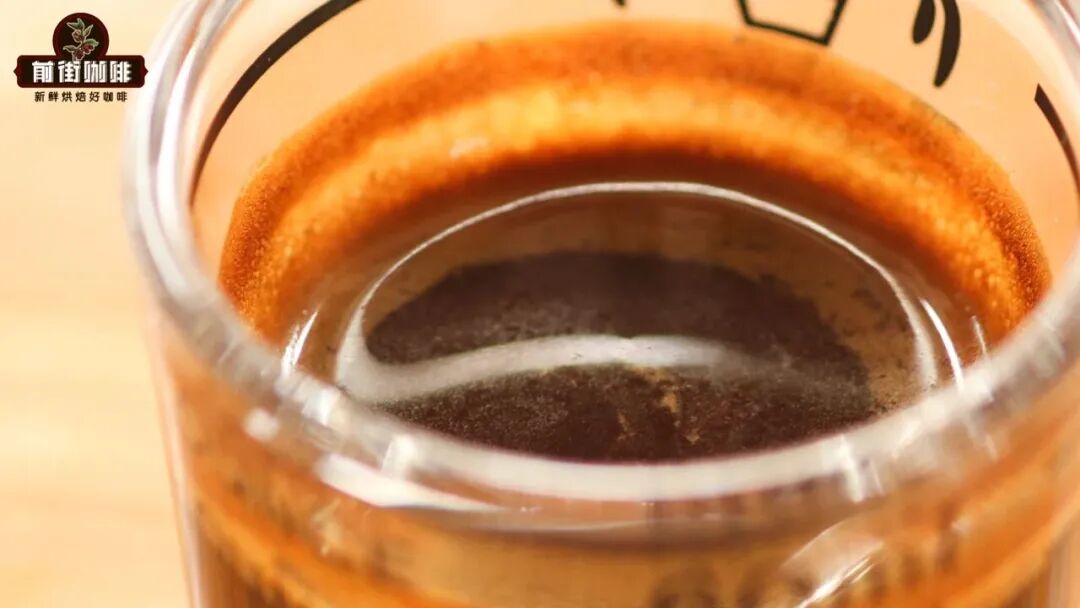
In fact, coffee oils can also be found in other atmospheric-pressure extractions. For example, when we use a French press to extract medium-dark roasted coffee, because the gaps in the metal filter are relatively large, the oils take the opportunity to seep out,leaving the surface of the coffee liquid with a layer of "oil sheen," andsome very fine particles also end up in the water, making it taste especially "muddy."
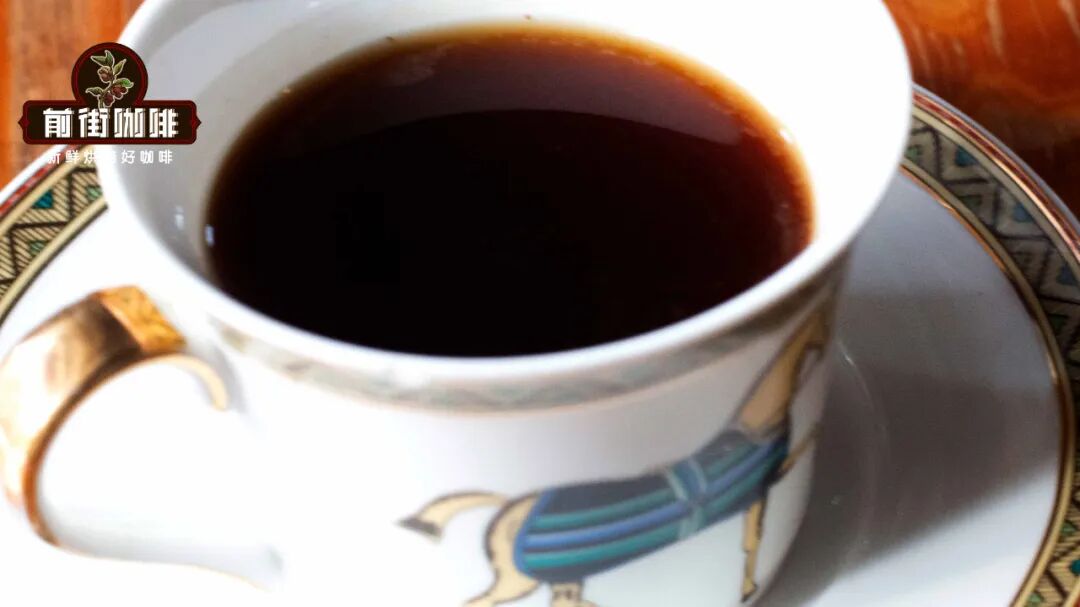
As for cold brew, although it is steeped at low temperature throughout, the water-soluble fats in the coffee are still released into the coffee just like in hot extraction, only at a slower rate, and those speckles of oil sheen are exactly the manifestation of coffee oils after condensation.
Compared with other extraction methods, cold brew has almost no requirements for the container. It can be a dedicatedcold brew pitcher, a clean sealed jar at home, or a cleaned-out beverage bottle—in short, as long as it is hygienic, odorless, and an airtight container that can ensure outside gases don't get in, it can serve as a "cold brew pitcher."
Similarly, there are many choices for tools to filter out coffee grounds, such as the built-in filter mesh in a cold brew pitcher, metal filter cups, filter paper used for pour-over, flannel, and the mesh of drip bag inner pouches—all commonly used filtering equipment. Different materials have different filter pore structures and sizes, so the particles they can effectively block naturally differ, and to remove thecondensed oilson the coffee, you need to choose equipment with better filtration.
Front Street has found that some friends find filtering too troublesome, so for convenience, after the cold brew is done steeping, they directly pour out the upper portion of thecoffee liquidand drink it. In fact, this practice leaves the coffee with a large amount of condensed oils—not only does it taste dull, but the texture is also sandy, accompanied by many dust-like floating particles, and the mouthfeel is generally not very good.

As for the cold brew pitcher often used in Front Street stores, its built-in filter mesh has 300-mesh openings, which is a relatively fine type. When Front Street uses it to steep the fruity coffee beanLittle Tomato, since the roast is on the lighter side, a finer grind is used (80% passing rate through a Chinese No. 20 sieve), corresponding to 9.5 on an EK43s grinder / 22 on a C40 grinder.
After finishing the 10-hour extraction and removing the filter cartridge, the poured-out coffee liquid still has many very fine particles remaining in it. If it is not filtered again, not only will there be a layer of oil sheen floating on the surface, but the coffee will taste noticeably rough, and after drinking, there will even be visible grounds settling at the bottom of the cup.
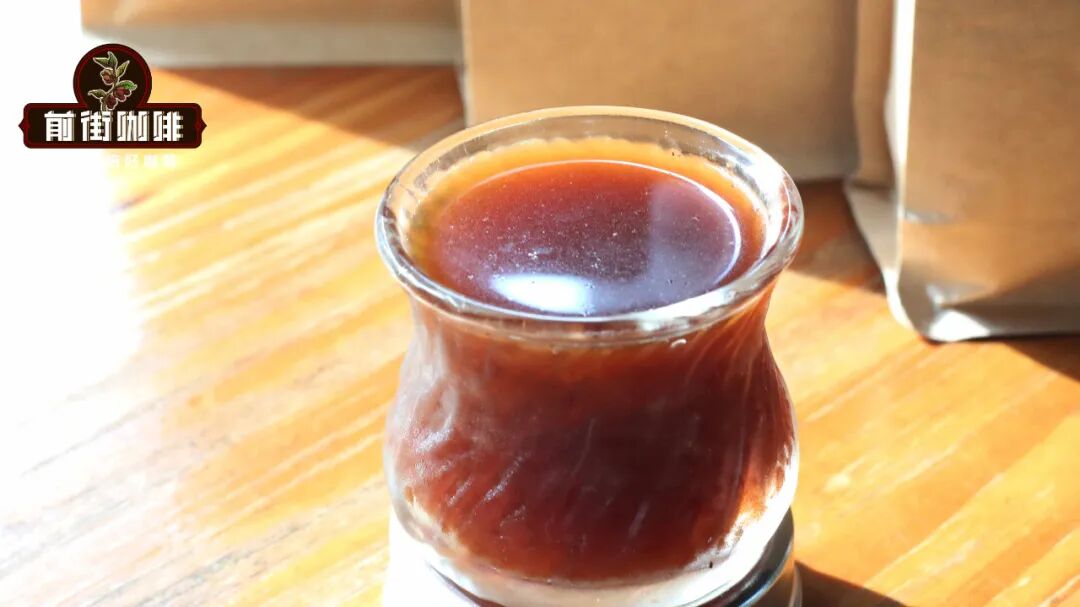
So to make the cold brew taste better, Front Street will use filter paper, which has the best filtration, to "sift" the coffee once more, in order to remove most of the condensed oils and very fine particles; at the same time, the filtered cold brew coffee liquid is placed back in the refrigerator, sealed and refrigerated for 3–4 hours, to let the flavor substances further settle and ferment. This can make the Little Tomato cold brew's juice-like quality fuller and its acidity clearer.

Besides filtering, cleaning the equipment cannot be ignored either. Many friends don't spend much time washing their cold brew pitcher after use, but simply rinse it briefly with tap water. Over time, the condensed coffee oils will stick to the filter mesh, forming a "rancid oil smell." If it is used frequently, Front Street recommends disassembling it regularly and scrubbing it carefully with detergent, which can both remove the accumulated oil and prevent the filter mesh from aging.
The above content is compiled by CoffeeHunters, a coffee news website.


