







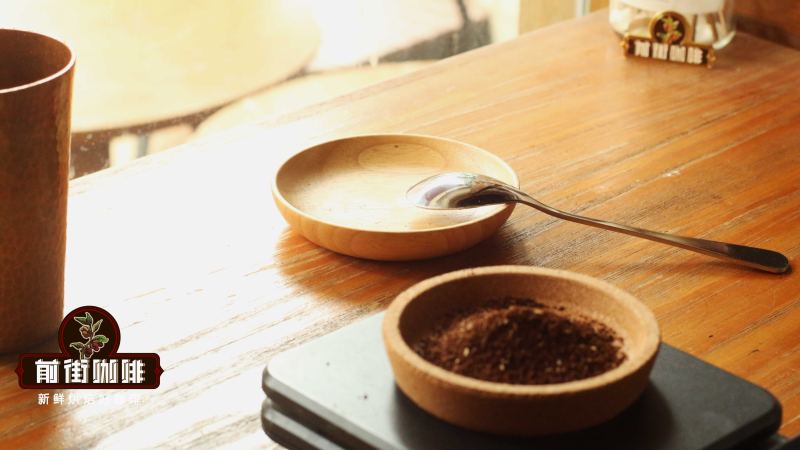
How to Make Coffee With a Coffee Machine: Grind Size and Dialing In
A larger number on an automatic grinder dial does not automatically mean finer grounds. Numbers only mark positions, not particle sizes, so the same brand and model can produce noticeably different grounds at the same setting because of assembly, transport, and maintenance differences. Grind size, not the dial number, is what decides whether pour-over coffee extracts well.
More than half of poor brews trace back to grind problems, so calibrating matters more than reading the dial. A No. 20 sieve can check particle distribution, while brew time and how fast the coffee bed settles show whether the grind is right. When learning how to make coffee with a coffee machine or a pour-over setup, adjust the setting until extraction time and taste line up.
Grind size is the key variable that determines whether pour-over coffee can produce good flavor. Many people mistakenly believe that the larger the number on the grinder's dial, the finer the grounds—but in reality, due to differences in assembly, transport, and maintenance, the same model of equipment can produce different particle sizes at the same setting. Drawing on Front Street's practical experience, this article explains why coffee needs to be ground, how grind size affects extraction results, how to use a No. 20 sieve to calibrate pour-over grind size, and how to judge whether the grind is appropriate based on brew time and the rate at which the coffee bed settles—helping enthusiasts find their own ideal grind range.
Many friends ask: on an automatic grinder, does a larger dial number mean finer grounds? And which brand of machine is more worth buying?
Only freshly ground coffee can release the fullest aroma from the beans, which also shows just how crucial the grinding step is. When choosing a setting, many people easily fall into a misconception. The usual rule is that a larger number means coarser grounds and a smaller number means finer grounds. But every grinder differs in assembly, transport, and maintenance, so even for the same brand and model, the same setting may produce noticeably different particle sizes.
Coffee grind size is a hurdle everyone must get past. Based on the many questions Front Street has answered, more than half of all poor brews stem from problems with grind size.
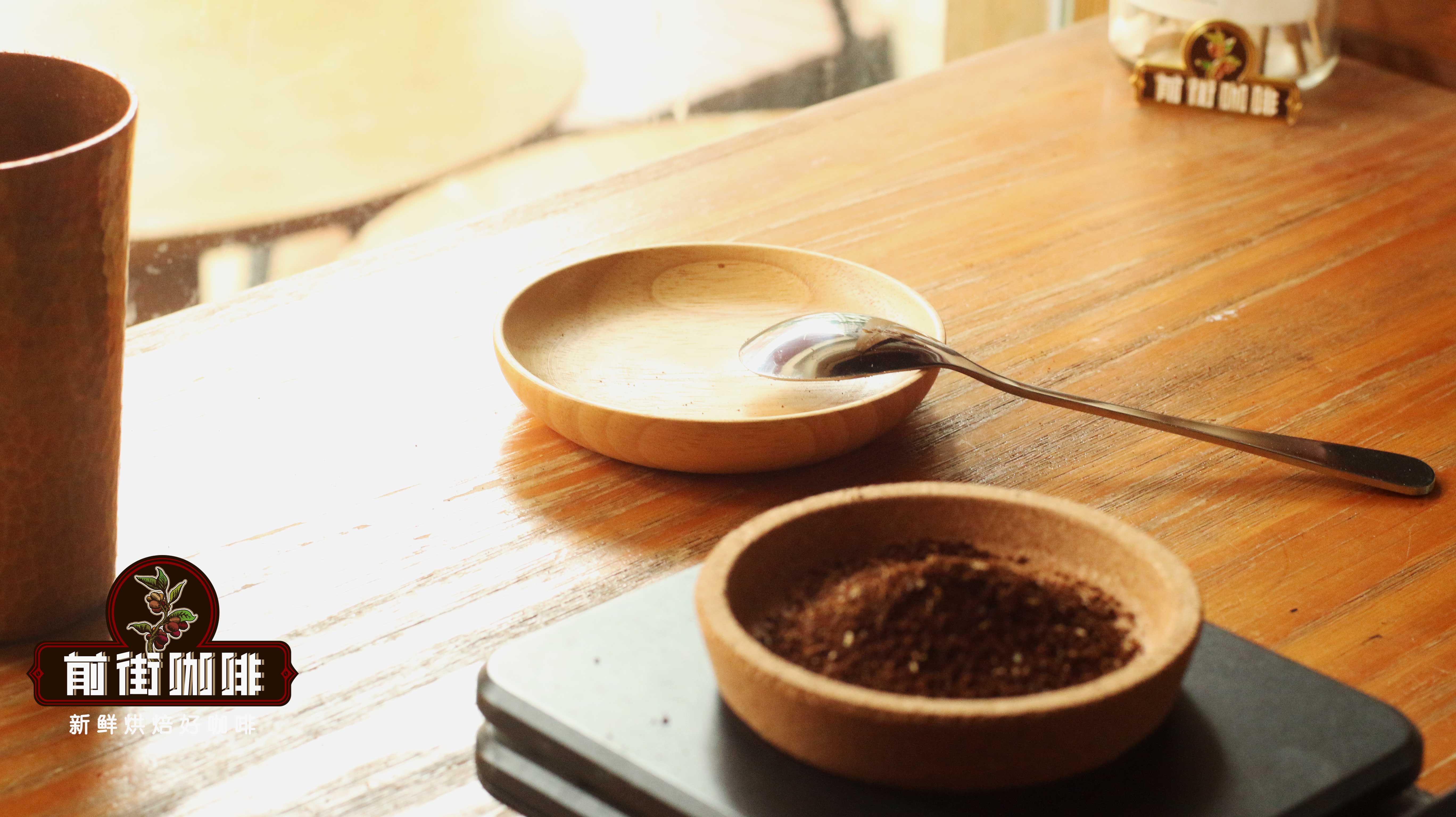
Why Coffee Needs to Be Ground
People with only a shallow understanding of coffee may think only of instant coffee. But the coffee served in cafés today is basically made by grinding freshly roasted beans and then extracting them—it comes with grounds. The reason it must first be ground into powder before brewing is that in powder form, water can dissolve the coffee substances more quickly.
The finer the particles are ground, the greater the surface area the coffee exposes, and the faster the flavor compounds are released.
How coarse? How fine?
As mentioned earlier, pour-over coffee is a filtered extraction method. When the grounds are too fine, the coffee bed impedes the flow of water—first, fine particles themselves release compounds faster; second, slower water flow prolongs the contact time. The result is over-extraction: a heavier taste, stronger bitterness, more pronounced acidity, and an easy tendency toward astringency.
Conversely, when the grind is coarser, the gaps between particles become larger. First, coarse particles release compounds more slowly to begin with; second, the water drains through faster. So the coffee tastes thinner, with weaker bitterness, lower acidity, fewer off-flavors, and a cleaner mouthfeel.
So a grind size suitable for pour-over must balance particle size and drainage speed. Generally, a 1–2 serving pour-over has an extraction time controlled to about 2 minutes. According to the SCA cupping grind calibration standard (cupping grind requires a No. 20 sieve pass-through rate of 70–75%), pour-over requires a finer grind than cupping grind. Therefore, pour-over grind size corresponds to a No. 20 sieve pass-through rate of 75–80%. This grind setting can be roughly understood as what major shops call pour-over fine grind.
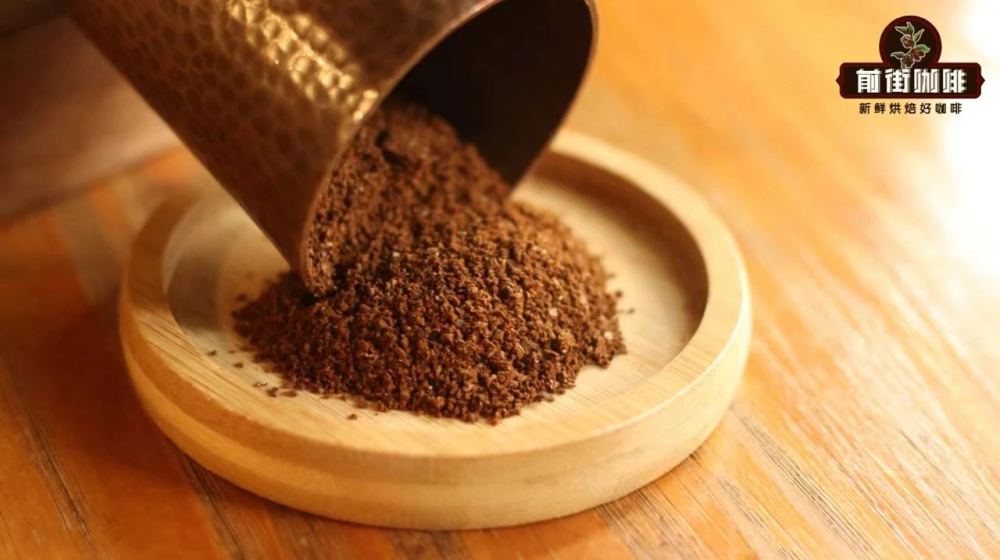
Calibration with a No. 20 sieve also has limitations: it can only separate particles larger than 0.85mm from those smaller than 0.85mm—it cannot distinguish the distribution ratios of the various particle-size intervals below 0.85mm. It is generally believed that the ideal particle size for pour-over falls between 0.6–0.8mm, meaning the higher the proportion of particles in this range, the better. So if your budget allows, it's worth keeping several sieves with different aperture sizes on hand.
Take our two coffee beans as examples: medium-roast Front Street Strawberry Candy coffee beans require a grind like fine granulated sugar for hot pour-over, corresponding to an 80% pass-through rate on a No. 20 sieve; dark-roast Front Street Golden Mandheling coffee beans require a grind like coarse granulated sugar for hot pour-over, corresponding to a 70% pass-through rate on a No. 20 sieve.
Particles smaller than 0.3mm are called extra-fine powder. A moderate amount of fine powder can make the flavor layers richer, but once extra-fine powder becomes excessive, it seriously drags down the coffee's performance. As for how to define this ratio, the standard Front Street uses is a 7% threshold (not an absolute figure).
Perhaps we can also judge by experience
Besides using data to determine grind size, you can also infer whether the parameters are appropriate from performance during brewing. First, extraction time can serve as a reference. According to Front Street's brewing parameter standards, the normal extraction time for 1–2 servings of coffee is roughly between 1 minute 50 seconds and 2 minutes 10 seconds. If the grind is too fine, the time gets prolonged; if too coarse, the time shortens. From this you can make a preliminary judgment of whether the grind size is appropriate.
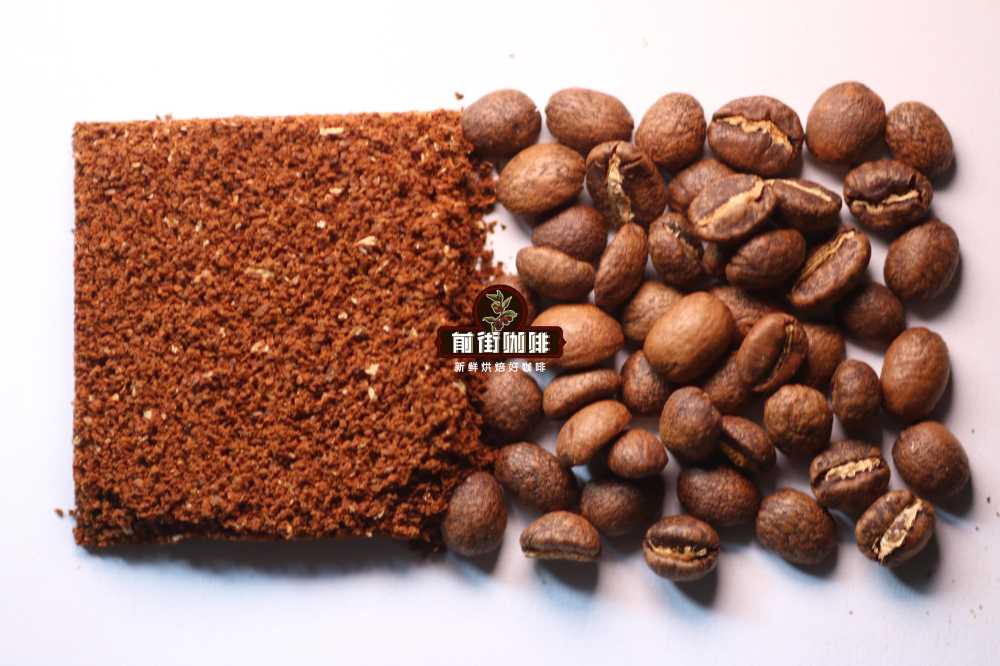
You can also pay attention to how the water drains through the coffee bed during brewing. Under normal conditions, the coffee bed settles evenly and slowly. If it descends too quickly, the grind may be too coarse; if it settles more and more slowly or even clogs, the grind may be too fine or there may be too much fine powder, and the bottom of the coffee bed will appear muddy.
The above content is compiled by CoffeeHunters, a coffee news website.


