







How coffee grind level fines move when you tap the dripper
Tapping the dripper to level the coffee bed pushes fines downward through the gaps between coarser particles, leaving a dense layer at the bottom and fluffy coarse grounds on top. That shift changes how evenly water moves through the bed and alters degassing during the bloom, so the surface may look level while the structure underneath is not.
Fines cling to larger particles and fill the spaces between them in normally ground coffee. Vibration and gravity make those fines slip down, so a bed tapped several times compacts at the base. Because coffee grind level determines how many fines exist in the first place, a finer grind produces more migration and a more pronounced effect on extraction.
In pour-over coffee, keeping the coffee bed level is a prerequisite for even extraction, and many enthusiasts are in the habit of tapping or shaking the dripper to tidy the surface of the grounds. Yet behind this action lies an easily overlooked problem: vibration causes fines to migrate downward through the gaps between the coarser particles, forming a dense layer at the bottom of the dripper while leaving fluffy coarse grounds on the surface. This structural change not only alters the appearance of the coffee bed but also directly affects the degassing effect during the blooming stage. Through comparison images and actual shots, this article breaks down in detail the changes in fines distribution caused by tapping the dripper, and explains their practical impact on subsequent brewing, helping you make more reasonable judgments when leveling the coffee bed.
We all know that if the coffee bed is uneven, the degree of contact between water and grounds will differ from region to region as the water passes through, ultimately leading to uneven extraction. That is why many people lightly tap or shake the dripper before pouring, so that the surface of the grounds is as level as possible.
However, tapping the dripper is not all upsides. One commonly heard claim is that repeatedly tapping the dripper compacts an otherwise loose coffee bed, thereby hindering the release of gas during blooming.
The reality is actually more subtle than this broad statement suggests. In normally ground coffee, the smaller fines cling to the surface of the larger coarse particles, while the spaces between the coarse particles are also filled with fines. Once the dripper is shaken or tapped, under the combined effect of vibration and gravity, the fines easily slip down through the gaps to the bottom. The result: the surface still looks like fluffy coarse grounds, but the bottom layer has already been compacted by a large amount of fines.
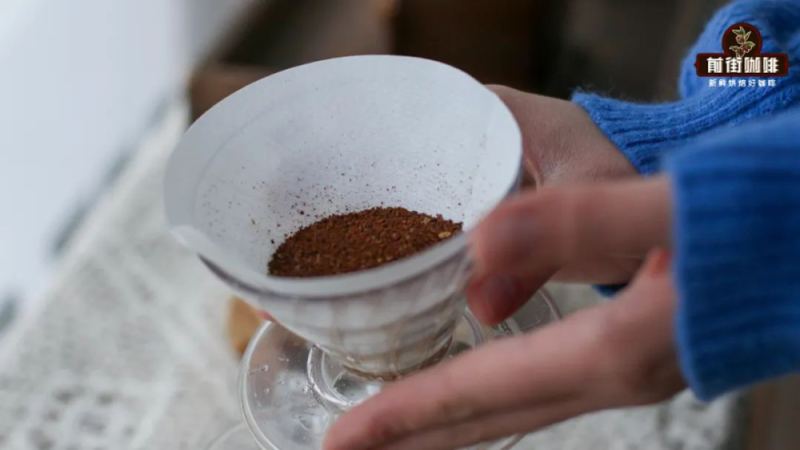
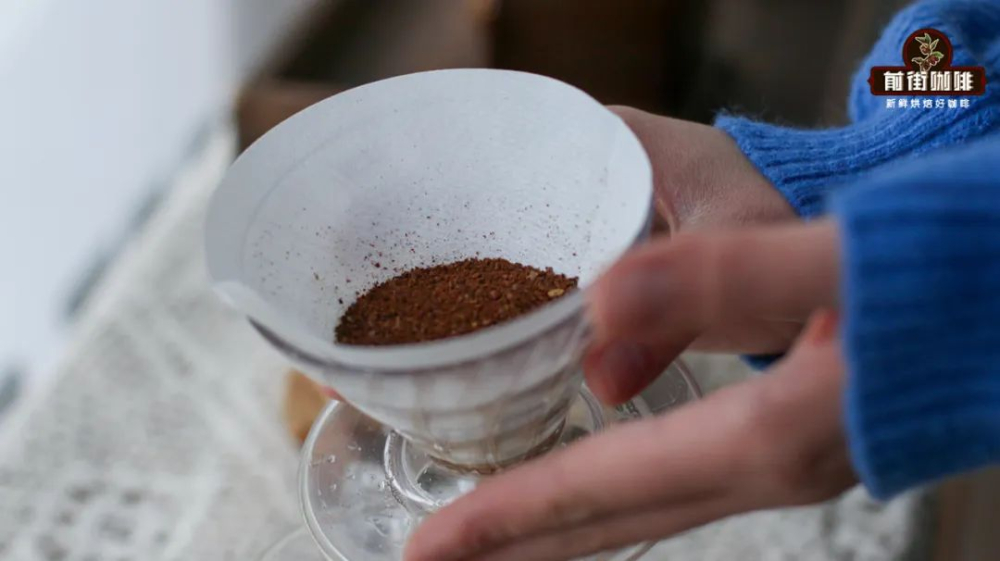
The two sets of comparison images below illustrate this intuitively. The first set shows the difference in the surface of the coffee bed between when the grounds are first poured into the dripper and after several taps.
In the left image, coarse and fine particles are intermingled on the surface of the coffee bed; in the right image, the coarse particles on the surface appear clearly defined. Looking at just these two images, it is easy to mistakenly assume that the grind in the right image is coarser than in the left.
Now look at the second set of comparison images, which shows the coffee bed tilted on its side under the two conditions. You can clearly see that in the tapped dripper, the fines have settled at the bottom and clumped into a compact mass.
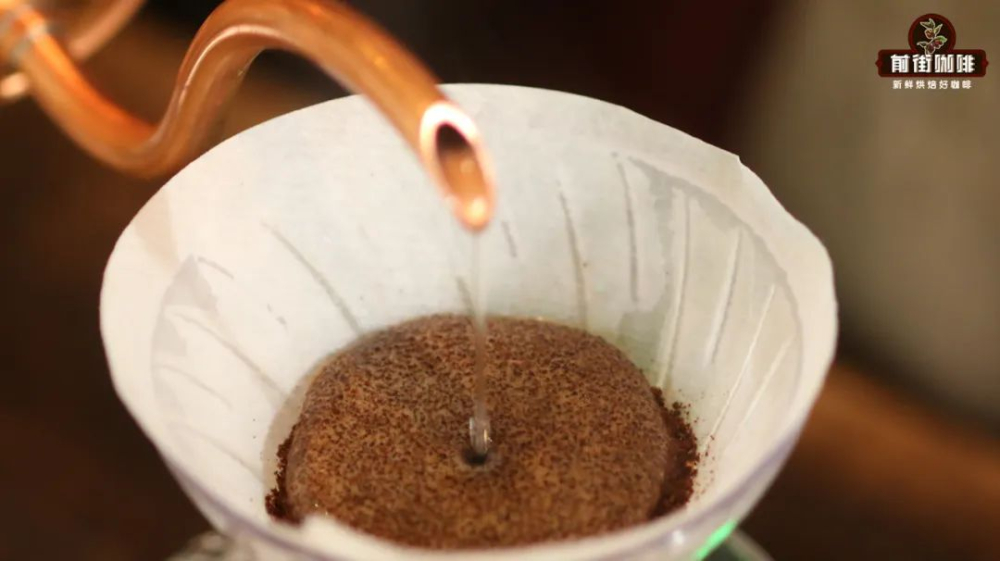
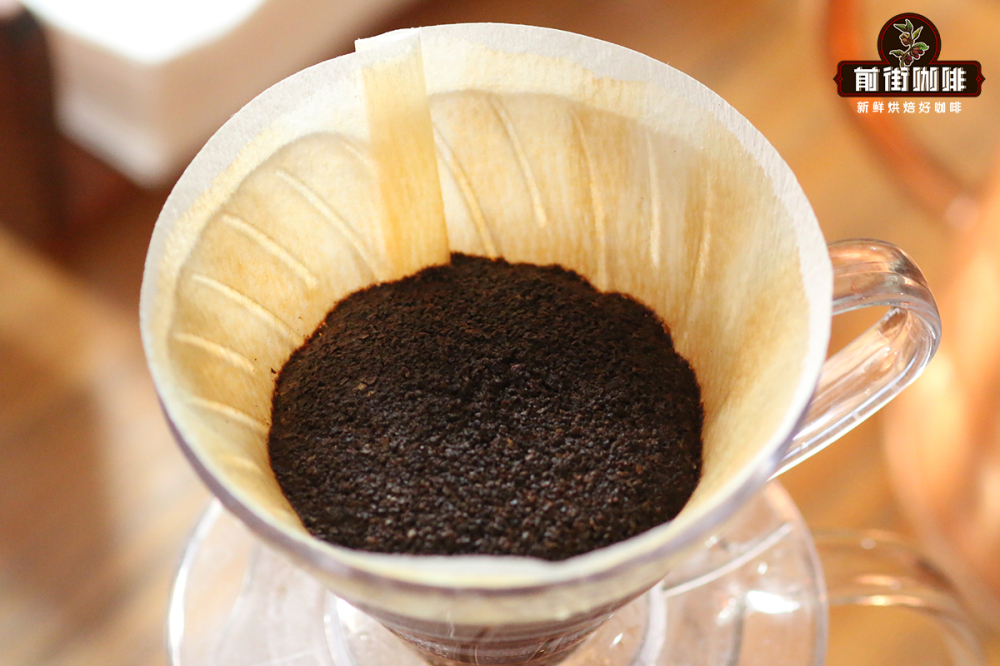
What does this change mean for brewing? Consider observing the blooming behavior under the two conditions:
The above content is compiled by CoffeeHunters, a coffee news website.


