








Are fine black particles in moka pots and espresso a problem?
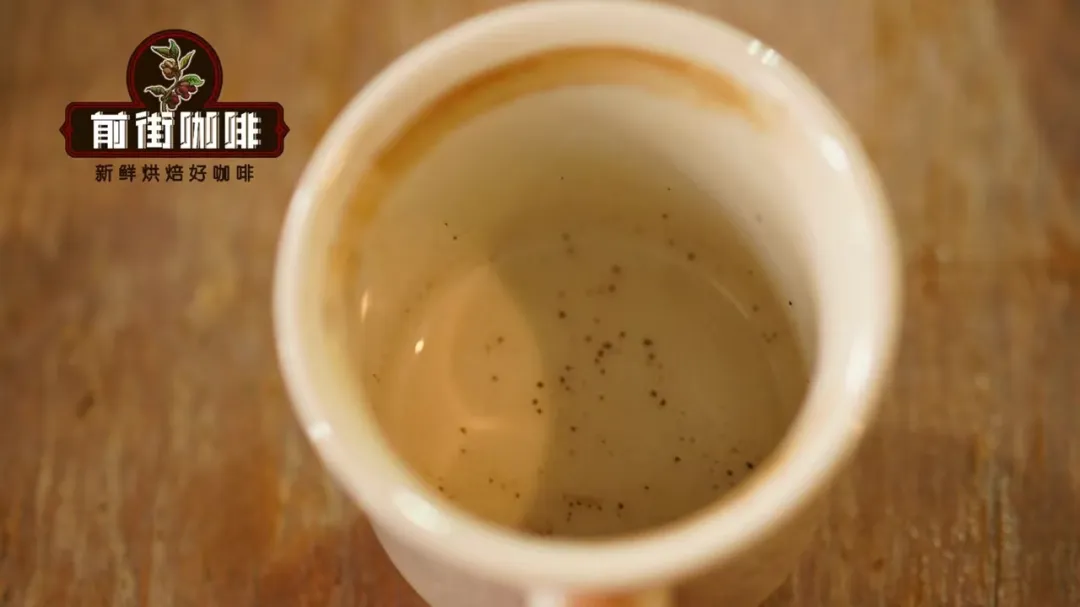
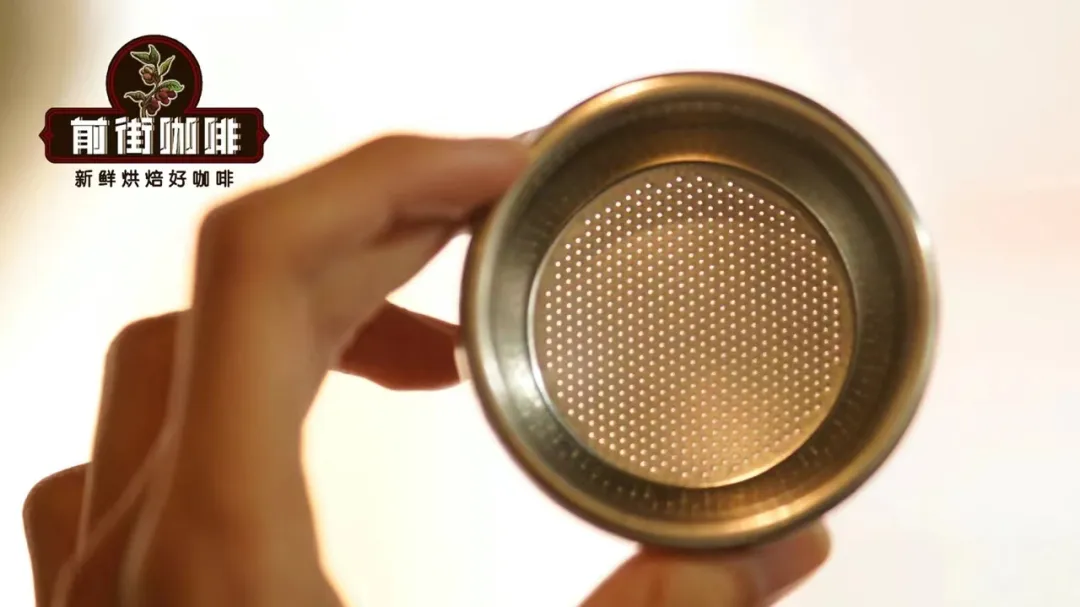
Those small black specks at the bottom of an espresso are coffee fines, not a sign of a broken machine or spoiled beans. The particles are small enough to pass through the filter basket holes under pressure, hide in the crema, then sink once the bubbles collapse. They are harmless and safe to drink.
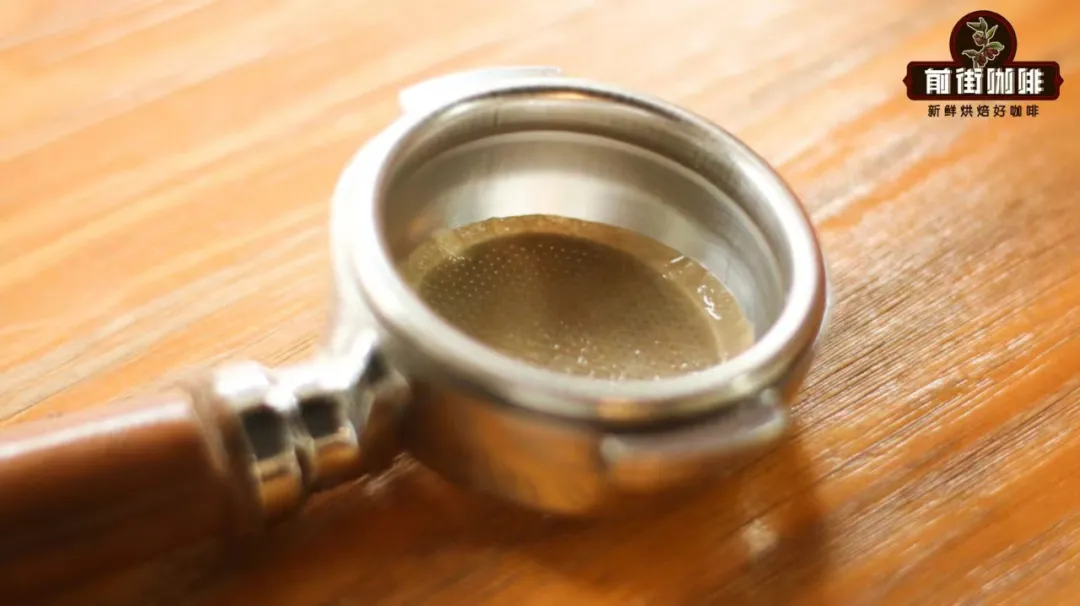
Fines are essentially lignocellulosic fiber, and the amount that reaches the cup is tiny. Moka pots, which also use pressure extraction, show the same behavior. The fine grind size explains why they slip through the basket; visible sediment does not mean the portafilter basket has deformed or that extraction pressure is too high.
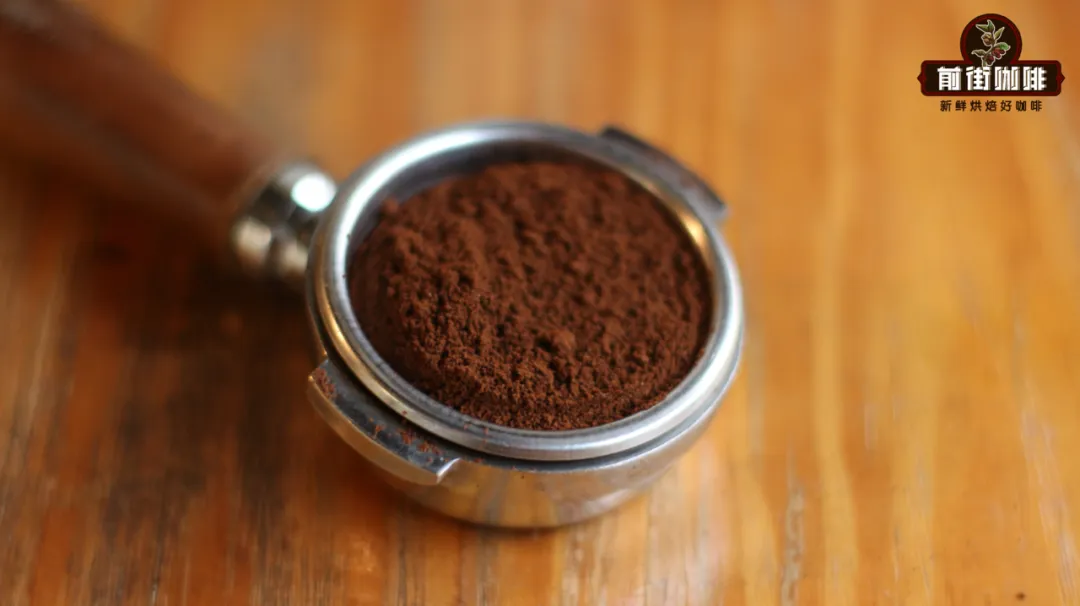
When extracting espresso, you may occasionally notice a layer of fine black sediment at the bottom of the cup. Many people worry this might indicate equipment failure or spoiled coffee. In reality, these black particles are coffee's very fine grounds (fines). They are extremely small and can easily pass through the holes in the filter basket, mixing into the coffee liquid under high pressure. At first, they hide within the crema layer, and only after the bubbles burst do they sink to the bottom of the cup and become visible to us. Moka pots, which also use pressure extraction, can produce a similar situation. Although coffee grounds are essentially lignocellulosic fiber, consuming an extremely small amount of fines will not affect your health at all, so you can drink with complete peace of mind. This article explores the sources of fines, whether the filter basket can deform, and the particle size of fines, helping coffee enthusiasts better understand these common phenomena.
Those who have read previous Front Street Coffee content should already know that the true identity of those small black particles is coffee fines. The reason they can smoothly pass through the holes in the filter basket is simple—they are simply too small in size.
Under the high pressure applied by the espresso machine, these microparticles can directly pass through the holes and enter the final coffee liquid. Moka pots, which also use pressure extraction, encounter a similar situation.
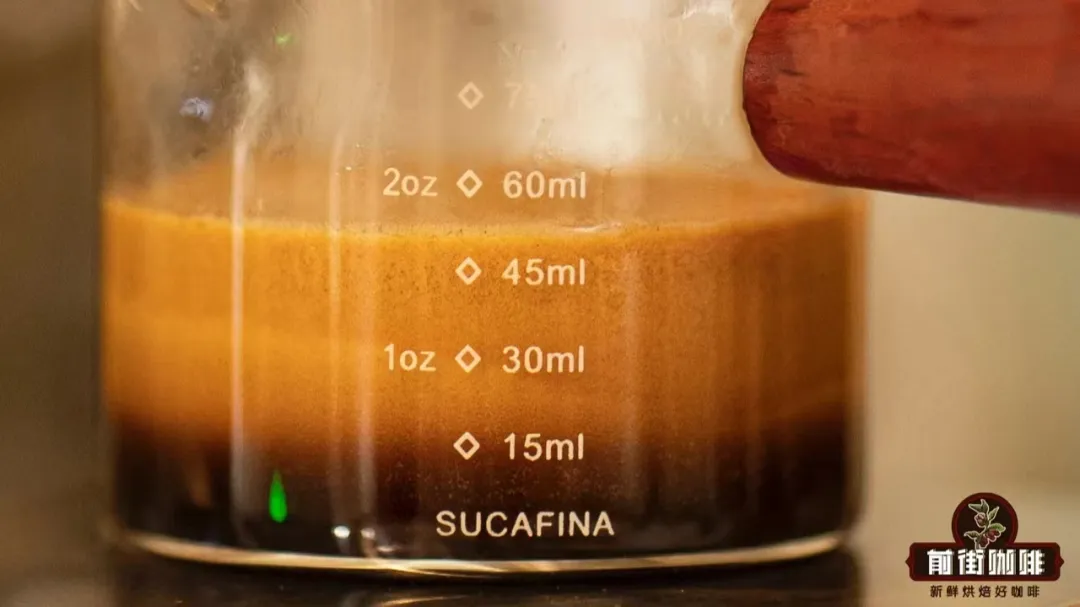
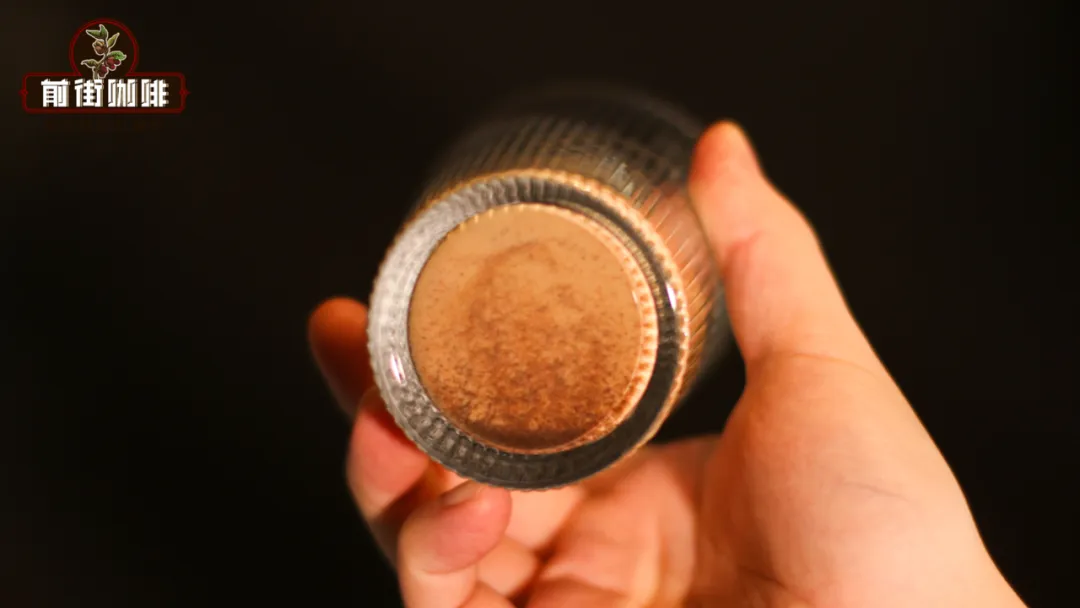
Additionally, because the particle size of fines is extremely small, they tend to remain suspended in the crema layer right after extraction, floating on the surface of the coffee. Only after the crema bubbles gradually burst do they—now fully saturated with liquid—settle to the bottom of the cup and get noticed by us. Therefore, this phenomenon is completely normal! Coffee grounds are essentially lignocellulosic fiber, and consuming them in extremely fine and minimal amounts will not cause any negative health effects whatsoever, so you can drink with confidence.
The above content is compiled by CoffeeHunters, a coffee news website.


