







Search Results for: sifter
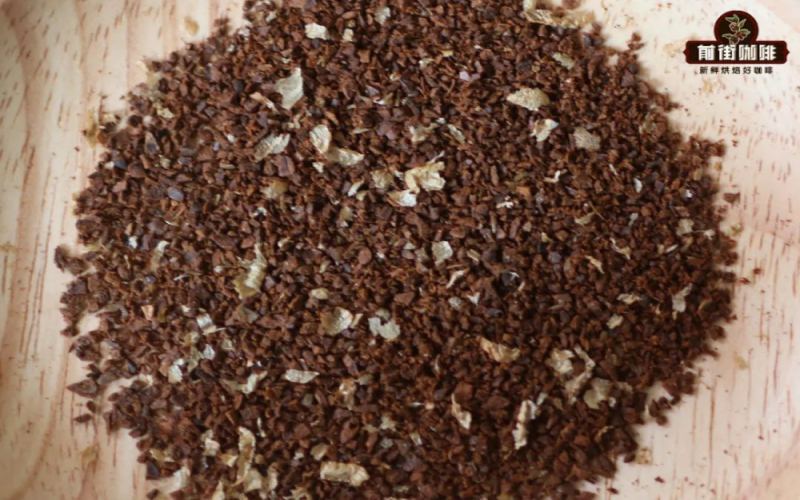
Should Fine Particles Be Sifted Out of Pour-Over Coffee? An Analysis of How Grind Uniformity Actually Affects Extraction
When encountering slow drainage and muddy flavors during pour-over coffee brewing, many people's first reaction is to blame the fines, so they buy a sieve to try to solve it. But after sifting out the fines, the clogging does improve, yet the taste becomes flat and dull—why exactly is that? What role do fines actually play in extraction? Starting from a real confusion shared by a friend with Front Street Coffee, this article discusses the dual nature of fines, the actual effect of sieves, and the reasonable direction for choosing pour-over grind size, helping you clarify the balance between grind and flavor. [more…]
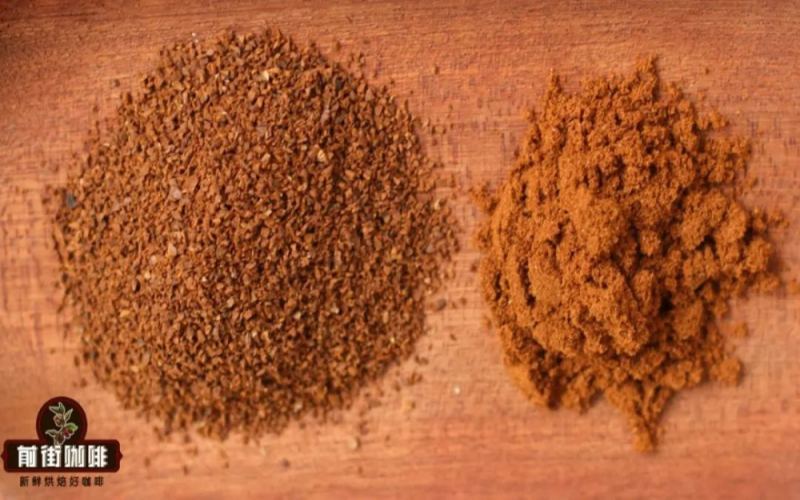
A Practical Guide to Fine Particle Management in Pour-Over Coffee: Sifting Criteria, Reintroduction Ratios, and Brewing Timing
Fines in pour-over coffee are always a double-edged sword: retaining them can bring complexity, but they can also easily cause clogging and over-extraction; discarding them entirely can improve consistency, but it makes the flavor seem flat. Front Street Coffee, combining its own experiments with online discussions, first explains why fines need to be sifted out, then provides two practical solutions—one is to control the amount added back to within 10% of the total dose and reduce the water volume accordingly; the other is to add the fines after the second pouring stage to reduce the risk of negative flavors. The article also records measured data from sifting 2.5 g of fines from 15 g of grounds, and notes that high-precision grinders also produce fines; the key is proper management rather than simply removing them. [more…]
Anaerobic Fermentation Coffee Processing Method Explained: Finca El Paraiso Double Anaerobic Flavor and Pour-Over Parameters
Anaerobic fermentation has attracted considerable attention in the specialty coffee world in recent years. Drawing on the idea of isolating oxygen from winemaking, it allows coffee beans to develop rich, layered flavors in an oxygen-free environment. This article takes the double anaerobic fermentation coffee from Finca El Paraiso in Cauca, Colombia, as an example to explain in detail the basic concept of this processing method, product information related to Front Street Coffee, and the complete flavor performance from dry aroma to hot drinking and through to cooling. It also includes the actual pour-over equipment and brewing parameters for coffee lovers to reference and practice. [more…]

Analysis of Why Hand Coffee Grinders Produce Too Many Fines: A Comparison of Conical vs. Flat Burr Structures
In the coffee grinding process, the production of fines is almost an unavoidable phenomenon, regardless of whether one uses expensive professional-grade grinders or entry-level manual grinding equipment. However, the proportion of fines directly affects the stability of brewing and the final flavor presentation. Choosing a suitable grinder can, to a certain extent, help us reduce the troubles caused by fines. Front Street Coffee specifically conducted a comparative test on the differences in fines generation between manual coffee grinders and electric coffee grinders, analyzing the differences in grinding performance between the two from the perspective of burr structure, helping coffee enthusiasts more clearly understand the characteristics of different devices in grinding function, so as to make choices that better suit themselves. [more…]
Jamaican Blue Mountain Coffee Pour-Over Tips: Immersion Brewing Parameters and Coffee Bean Storage Key Points
Jamaican Blue Mountain coffee is beloved by coffee enthusiasts for its balanced and mild flavor, but to fully unlock its layered complexity, both the brewing method and storage approach are crucial. This article focuses on the key extraction points for Blue Mountain coffee, with an emphasis on immersion brewing techniques—including the operational logic of methods such as the French press, drip brewing, and paper filter brewing—while also providing specific parameters such as grinding timing, water temperature, and coffee-to-water ratio. In addition, the article corrects the common misconception of storing coffee in the refrigerator, explaining why an airtight container with a one-way exhaust valve is the better choice. Whether you have just picked up a bag of Blue Mountain beans or want to further optimize your daily brewing, these practical tips are worth considering. [more…]

Freezing Coffee Beans for Storage | Should Coffee Beans Be Stored in the Refrigerator? Why Freeze Coffee Beans? How Should Coffee Beginners Store Coffee Beans Daily?
"Front Street Coffee recently noticed a topic in our chat group." How do you all store your coffee beans after buying them? In the fridge! I've seen many coffee experts keep their beans in the fridge. But won't the beans get damp in the fridge? The fridge is dry! (So Front Street Coffee interviewed various coffee beans 🎤) [more…]
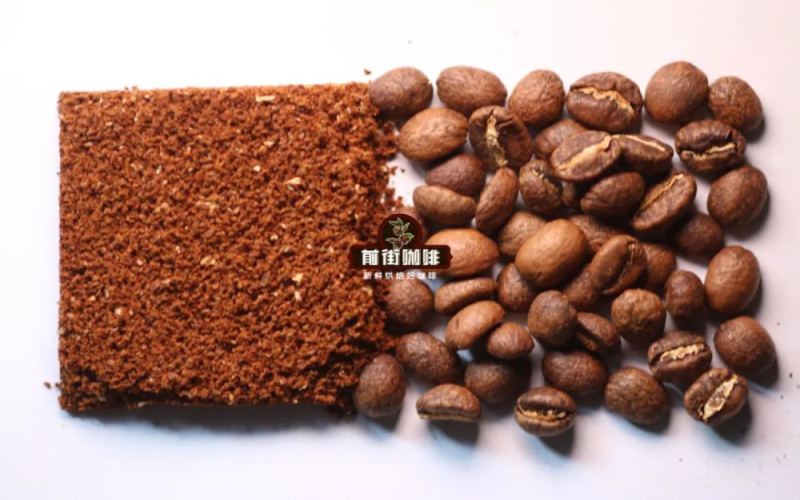
Pour-Over Coffee Grind Size Selection Guide: Three Methods for Judging Grind and the Practical Application of Particle Size Distribution
How should you determine the grind size for pour-over coffee? This is the first challenge many coffee enthusiasts encounter when getting started. This article systematically introduces three methods for judging grind size—visual analogy, grinder setting reference, and sieve calibration—analyzing the pros, cons, and applicable scope of each, and further introduces the advanced concept of "particle size distribution" to help understand how grind uniformity affects extraction. At the same time, Front Street Coffee, drawing on its own brewing framework, shares how to combine visual observation, data, and brewing tests to find the pour-over grind size that suits you in a more practical way. [more…]
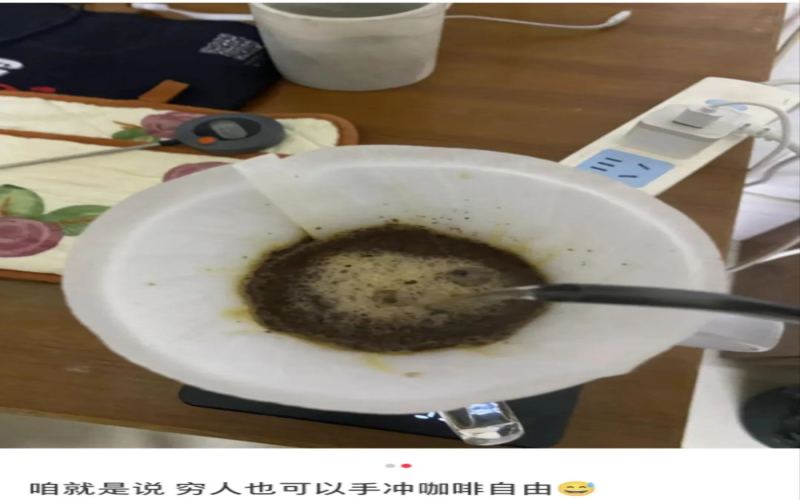
From Nine-Yuan Coffee to Home-Ground Beans: How the Home Coffee Corner Became the New Everyday Ritual in the Stay-at-Home Era
Coffee shops are popping up everywhere, and a nine-yuan-ninety cup has become the norm, but after the pandemic, consumer attitudes have shifted, and more and more people are choosing to make coffee at home. This isn't just about saving money—it's an active choice about one's lifestyle: picking your favorite beans, brewing whenever you like, enjoying the fun and sense of accomplishment of DIY, with no queuing for a table and no restrictions from business hours. From moka pots to semi-automatic espresso machines, from cone-shaped drippers to all kinds of accessories, a corner of the home gradually fills up with coffee gear and becomes a one-of-a-kind "home coffee corner." It is both a practical space and a carrier of ritual and happiness. This article takes you through how this corner has gone mainstream, and why it keeps people endlessly hooked. [more…]

Should Coffee Beans Be Refrigerated or Frozen? Understanding the Science of Freezer Freshness and Proper Everyday Storage
How to properly store coffee beans after bringing them home is a topic many enthusiasts often discuss. Some people habitually put their beans in the fridge, while others worry that moisture will instead harm the quality. After noticing this question in the community chat, Front Street specifically sorted out the principles behind frozen storage and the conditions for its use. Freezing can indeed slow oxidation and lock in flavor, but improper handling can also lead to moisture and flavor transfer issues. This article will explain the purpose of freezing coffee beans, its effect on grinding, the hardware conditions that need to be met, and more practical ways to store coffee beans day to day, helping you keep your beans in good condition at home. [more…]

How to Fix Slow Drawdown in Pour-Over Coffee? A Full Analysis of the Three Major Factors: Fines, Agitation, and Bean Density
When brewing pour-over coffee, water failing to drain through the dripper is a problem many enthusiasts encounter. The causes of clogging are not singular—too many fines, overly vigorous agitation, and high bean density can all slow the flow. This article starts from these three common factors, analyzing each cause one by one and offering corresponding ways to improve them—including coarser grinding with a slower extraction, using a sifter, and adjusting pouring technique. At the same time, it will explain that clogging does not necessarily mean over-extraction, and whether to make adjustments should ultimately be based on how the coffee tastes on the palate. Front Street Coffee will share its brewing experience with high-density beans, using the Yirgacheffe Giddingding from its own bean list. [more…]
How to Deal with Excessive Fines in Pour-Over Coffee? A Full Analysis of Flat Burr, Ghost Tooth, and Conical Burr Grinder Burr Characteristics
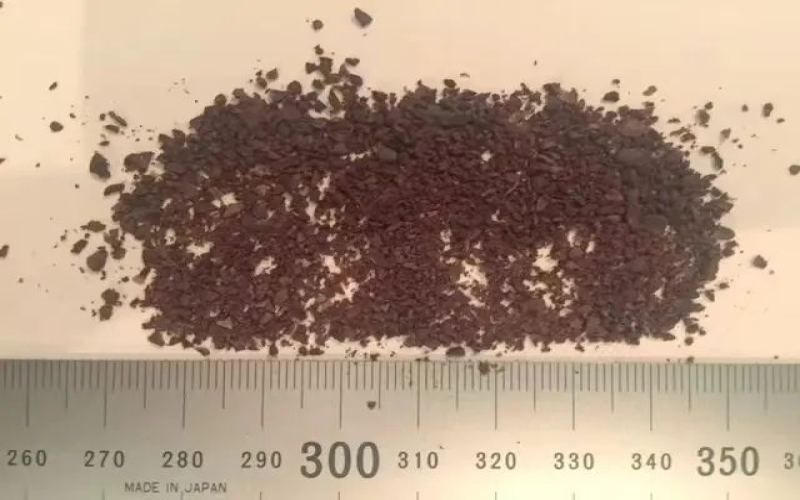
The production of fines when grinding coffee beans is a normal phenomenon. A moderate amount of fines contributes positively to flavor; what truly causes trouble is excessive fines. Front Street Coffee has noticed that many coffee enthusiasts feel a sense of dread at the mere mention of fines, mostly because they have been tormented by clogged beds that won't drain, scorched bitterness, and astringency. This article first defines what particle size counts as fines, then explains the relationship between the causes of fines and the type of burr set, with a focus on comparing the differences among flat burrs, ghost-tooth burrs, and conical burrs in terms of grind uniformity and fines ratio. Finally, it offers two practical solutions: sifting out fines and adjusting brewing technique, along with rescue strategies for the common situation of abundant fines accompanied by coarse grounds that are also too coarse. [more…]

Analysis of the Causes of Burnt, Bitter, and Astringent Flavors in Pour-Over Coffee and Corresponding Adjustment Methods
Many coffee enthusiasts who brew pour-over at home often run into the problem of coffee tasting bitter or even showing burnt, astringent notes. This bitterness may come from the roast profile of the beans themselves, and it can also be closely tied to how long the beans have been stored, the grind size, the proportion of fines, and the brewing water temperature. Drawing on the hands-on experience of Front Street Coffee, this article analyzes four common causes of bitterness one by one and offers concrete, actionable adjustments—including how to choose beans based on flavor descriptions, how to judge the optimal flavor window, how to calibrate grind size, and how to troubleshoot water temperature issues—to help you pinpoint the problem more accurately and brew a smoother pour-over coffee. [more…]
Light Roast Pour-Over Always Pools Water? Understanding the Relationship Between Density, Expansion, and Grind — and How to Fix It
Many coffee enthusiasts encounter a tricky problem when brewing light-roasted beans: near the end of the pour, the water level drops slowly, and a layer of water sits in the dripper that just won't finish draining. If you keep waiting, you risk over-extraction and bitterness; if you don't, you worry the flavor won't be complete. What was once a relaxing pour-over suddenly becomes stressful. In fact, water stalling with light-roasted beans isn't a problem with the beans themselves—it's the combined result of density, expansion, and grind size. This article breaks down the causes of stalling from these three angles and offers three actionable solutions: simply discarding the final phase of the pour, coarsening the grind while using higher temperatures and agitation, and sifting out ultrafines for reuse. Understanding the logic behind it matters more than memorizing parameters—next time you run into stalling, you can judge from the flavor whether adjustment is needed. Front Street Coffee also often advises: taste first, then adjust—don't rush to blame the beans. [more…]
Where Does the Bitterness in Pour-Over Coffee Come From? A Detailed Guide to Four Common Causes and How to Adjust
When brewing pour-over coffee, the appearance of bitterness is a problem many coffee lovers frequently encounter. The source of bitterness is not singular—it may come from the roasting profile of the coffee beans themselves, or it may be closely related to how long the beans have been stored, the coarseness of the grind, and the brewing water temperature. This article analyzes the causes of bitterness one by one from four dimensions and provides specific adjustment plans to help you brew a smooth cup of pour-over coffee at home. It also offers references for bean selection based on different flavor preferences and retains several recommended bean lists from Front Street Coffee for readers to choose from as needed. [more…]
Mocha Recipe | What's the Difference Between Italian Milk Coffee, Mocha, and Latte? How Can Coffee Beginners Make a Starbucks-Style Mocha at Home?
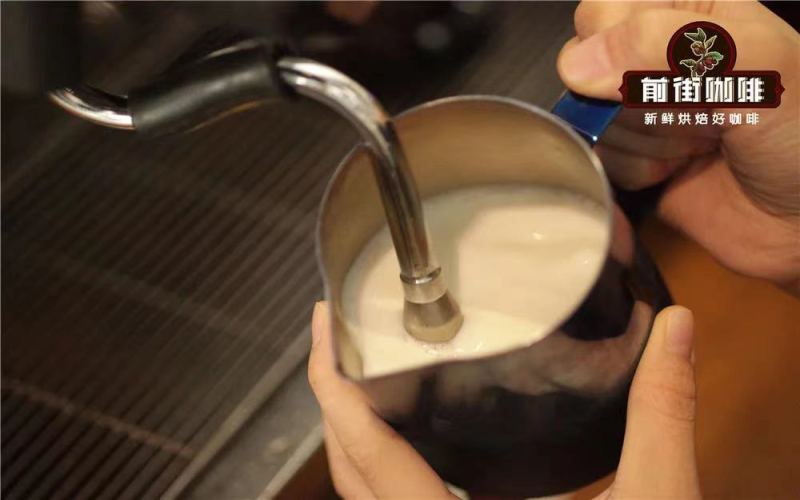
Recently, more and more friends have been visiting Front Street Coffee stores to ask about Mocha coffee. Unfortunately, Mocha coffee has already been removed from Front Street Coffee's menu, so these friends have been turned away one after another. "Since we can't buy it outside, we'll just make it ourselves and take care of our own needs." Most friends, holding onto this idea, went home [more…]

Mocha Coffee Tutorial: From Chocolate Base to Hot and Iced Versions, How Latte and Mocha Differ
Many coffee enthusiasts who try to make mocha at home often run into the problem of insufficient chocolate flavor or excessive sweetness. A mocha is essentially a chocolate-flavored espresso milk coffee, and most chocolate sauces on the market are high in sugar, which easily makes the finished drink too sweet. Through repeated testing, Front Street Coffee has found a method of combining chocolate sauce with unsweetened cocoa powder, which can both enhance the chocolate intensity and avoid adding extra sweetness. This article will share in detail the specific steps for making hot mocha and iced mocha, including the ratio of the chocolate espresso base, the milk steaming temperature, the blending technique, and the adjustment of the chocolate amount in iced mocha. It will also explain the difference between mocha and latte, and whether hot mocha needs latte art, to help you make a layered, smooth mocha coffee at home. [more…]

Mocha Coffee Tutorial Illustrated | What Is Espresso Milk Coffee Mocha? Which Coffee Beans Are Suitable for Making Mocha? How to Make a Delicious Mocha at Home?
For more specialty coffee knowledge, please follow: Front Street Coffee (Frontsteet Coffee) Recently, more friends have been visiting Front Street stores to ask about Mocha coffee. Unfortunately, Mocha coffee has already been removed from Front Street's menu, so these friends have all hit a dead end one after another. "Since [more…]
Iced Mocha Coffee Making Tutorial: Chocolate Base Ratio and Analysis of the Differences Between Hot and Iced Mocha Methods
Mocha coffee is a classic Italian milk coffee infused with chocolate flavor, but many people often run into the problem of a weak chocolate taste or excessive sweetness when making it at home. This article starts with the material selection and ratios for the chocolate base, explaining in detail the preparation process for iced mocha and hot mocha, including the logic behind combining chocolate sauce with unsweetened cocoa powder, the effect of ice cubes on flavor and the corresponding adjustments, along with the recommended reasons and extraction parameter references for Front Street's classic Italian blend, to help coffee enthusiasts make a cup of mocha coffee with rich chocolate and moderate sweetness at home. [more…]

The Complete Guide to Making Mocha Coffee at Home: From Chocolate Base Blending to Detailed Hot and Iced Methods
Mocha coffee has always been a favorite among coffee lovers thanks to its rich chocolate flavor and full-bodied taste. However, many people who try making it at home often run into the problem of the chocolate flavor not being prominent enough or the drink being too sweet. The key actually lies in the choice and pairing of chocolate sauce—store-bought chocolate sauce is convenient, but because of its high sugar content, it struggles to work well on its own. Front Street Coffee will share a recipe that has been repeatedly tested, using unsweetened cocoa powder to boost the chocolate intensity while balancing the sweetness, making the mocha both rich and easy to drink. This article will introduce the complete steps for making hot mocha and iced mocha separately, covering base preparation, milk frothing, blending techniques, and more, to help you easily make a cup of mocha coffee with rich layers and alluring flavor. [more…]
Over-extracted Coffee | Why Does Brewed Coffee Taste Bitter? How Can Coffee Beginners Avoid Over-Extraction When Making Pour-Over Coffee?
Many friends just starting out always face the trouble of over-extraction! So-called "over-extraction" refers to excessive extraction. In a coffee bean, the substances that can be dissolved out by water make up about 30% of the total. Although there is only this much, we cannot dissolve everything out. Because inside, besides [more…]