







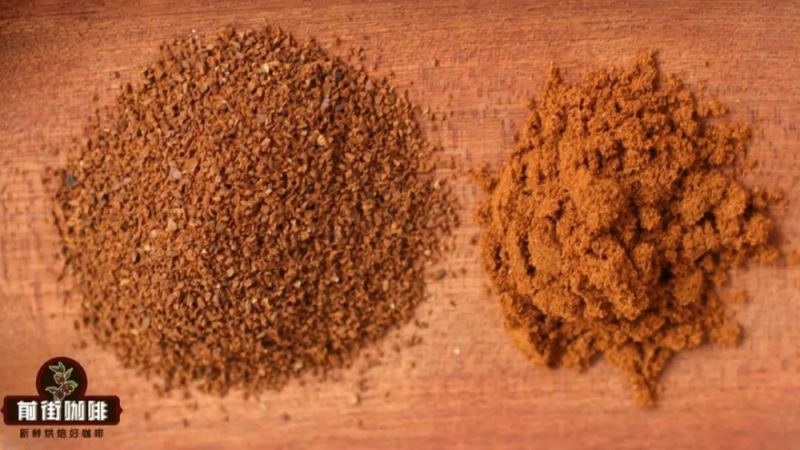
How Should Coffee Particles Be Managed in Pour-Over?
Fine coffee particles in pour-over are a trade-off: keeping them can add complexity, but they often clog the filter and cause over-extraction, while removing them all improves stability and flattens the flavor. Two practical approaches help. One is to add fines back at no more than 10 percent of the total dose and cut the water volume accordingly.
The other is to add the fines after the second pour to lower the risk of negative flavors. In measured tests, 2.5 grams of fines were sifted from 15 grams of coffee. Particles smaller than 0.25mm block the filter paper's drainage holes, keeping liquid in the dripper far longer. Even high-precision grinders produce fines, so the fix is managing them, not eliminating them.
Fine particles in pour-over coffee have always been a double-edged sword: retaining them may bring complexity, but they can also easily cause clogging and over-extraction; discarding them entirely improves stability but makes the flavor seem flat. Front Street Coffee, combining its own experiments with online discussions, first explains why fine particles need to be sifted out, then offers two practical approaches—one is to control the amount added back to within 10% of the total coffee dose and reduce the water volume accordingly; the other is to add the fine particles after the second pour to lower the risk of negative flavors. The article also records measured data from sifting 2.5g of fine particles from 15g of coffee, and notes that high-precision grinders also produce fine particles—the key is proper management rather than simply removing them.
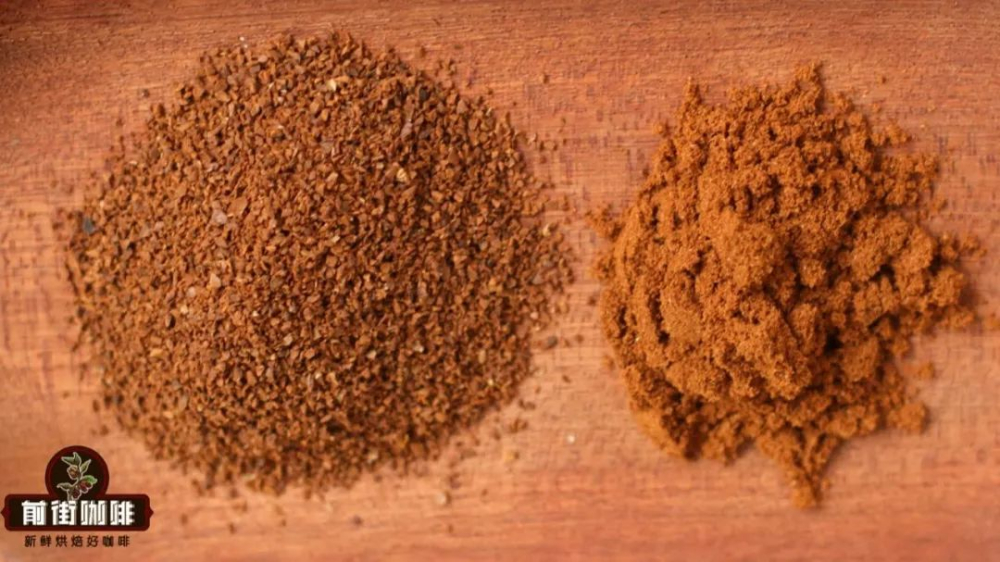
Front Street Coffee often mentions that once there are too many fine particles, they become a love-hate presence. Leaving them in the grounds can occasionally deliver richer complexity, but more often brings a bitter, over-extracted taste; removing them all reduces some uncontrollable over-extraction risk, yet the brewed coffee tends to lack liveliness. The ideal solution is of course to switch to a higher-precision grinder, but in reality many friends, like Front Street Coffee, have limited budgets. So is there a more down-to-earth way?
The answer is certainly yes. Drawing on Front Street Coffee's article about fine particles last year and various viewpoints raised by netizens, two fairly reliable reference approaches can be summarized. But before discussing the solutions, we need to sift out the fine particles first.
Why sift out the fine particles? The fact that fine particles themselves easily over-extract is only one reason; as long as there aren't many, their impact on brewing is actually limited. With a better grinder, a small amount of fine particles is also produced, and we usually don't deliberately remove them because there's really no need. The real problem is that some grinders produce far too many fine particles. Fine particles are smaller than 0.25mm and will firmly clog the drainage holes of the filter paper, making liquid that should drip through quickly stay in the dripper much longer. The result is that not only do the fine particles over-extract themselves, but they drag other coffee particles into over-extraction too. So the first step is to sift them out; as for how to handle them afterward, we'll discuss that after sifting.

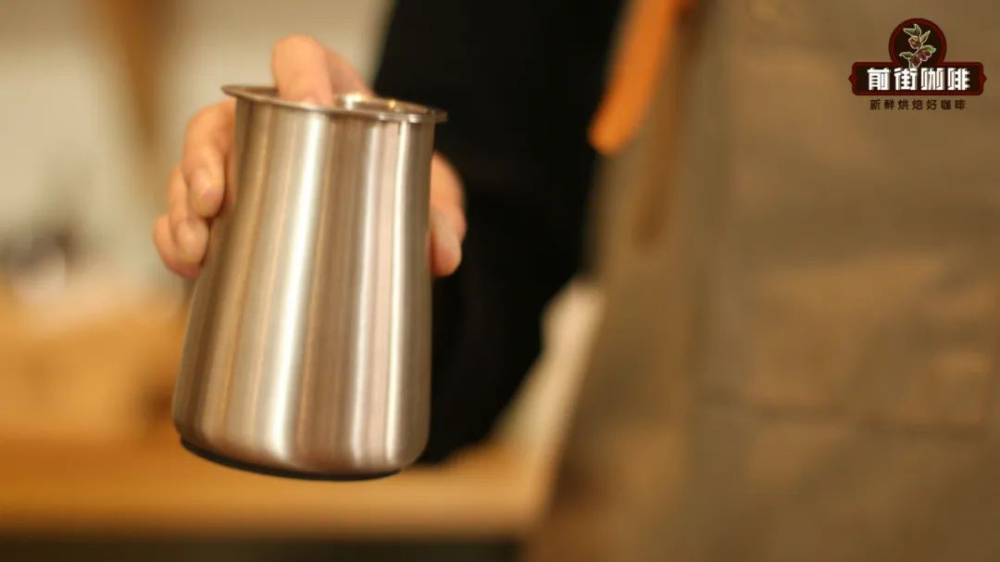
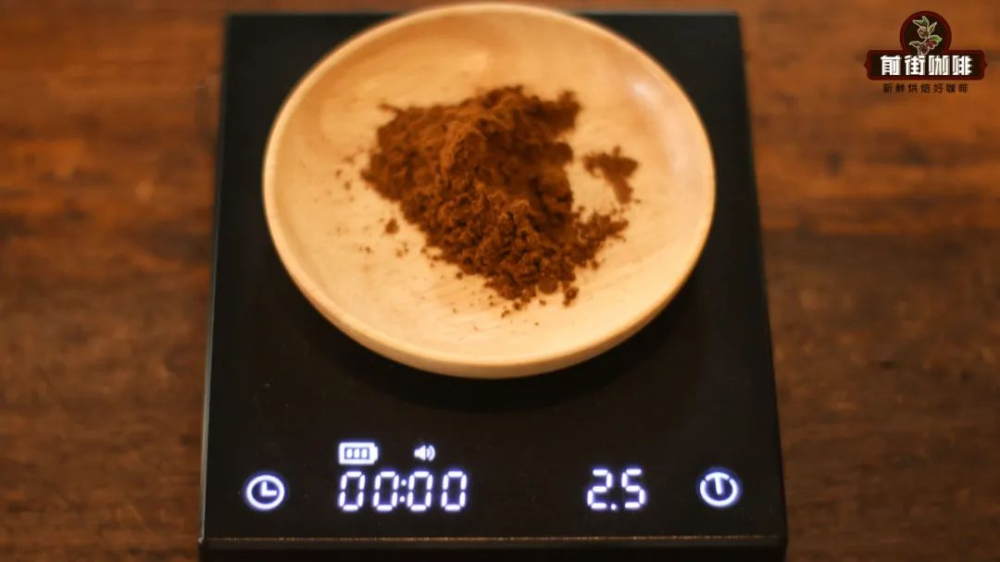
In practice, you only need to buy a fine particle sifter, commonly known as a sieve. Pour all the ground coffee into the inner chamber, put on the lid, and shake it until you feel the fine particles are basically sifted out. Front Street Coffee ground 15g of beans with a hand grinder and ended up sifting out a full 2.5g of fine particles.
This amount already accounts for 16% of the total coffee dose. If you brew directly with these grounds, the filter paper is very likely to clog, the extraction time will be prolonged, and what you see in the end is likely to be a muddy coffee bed.
But if you throw away the fine particles completely, the only benefit is somewhat more stable extraction, while the troubles are greater: first, you waste 3g of coffee beans for nothing, and you need to add more beans, which takes extra effort—costing both money and energy. So the conclusion is clear: the best approach is to keep reading. After sifting out the fine particles, you can refer to the following two approaches: one is to set the added amount before brewing to ensure the fine particles don't bring too many negative effects; the other is to find the right moment during brewing to add the fine particles, reducing the risk of over-extraction.
How much should be added so it won't clog the filter paper? Front Street Coffee specifically conducted experiments, and the conclusion is: when the amount of fine particles is below 10% of the total coffee dose, brewing can basically proceed normally and the flavor performs well; once it exceeds 10%, clogging is very likely. So what we need to do is keep the proportion of fine particles below 10%.
For example, if 15g of coffee grounds produces 2.5g of fine particles, you can take 1.5g of them and add it to the brew, while reducing the originally planned water volume by 15ml. After all, high-precision grinders also produce a similar degree of fine particles; as long as other factors remain stable during extraction, the probability of failure will be greatly reduced.
Adding fine particles during brewing is a bit of a hack. We set the sifted fine particles aside first and begin brewing according to the originally set parameters. After the second pour is finished, add the reserved 3g of fine particles.
This way, you can extract a moderate amount of aromatic substances from the fine particles, avoid negative flavors from these 3g of coffee grounds, and also prevent the fine particles from settling at the bottom and clogging the filter paper. Other brewing methods can also refer to this idea and find the right timing for adding the grounds; it is not limited to three-pour brewing.
Of course, this is only one reference approach; fine particles have much more potential to explore. If you have different ideas, you are welcome to share them.
- END - Front Street Coffee
No. 10, Baoqian Street, Yandun Road, Dongshankou, Yuexiu District, Guangzhou, Guangdong Province
The above content is compiled by CoffeeHunters, a coffee news website.


