







Search Results for: coffee puck sticking to the group head
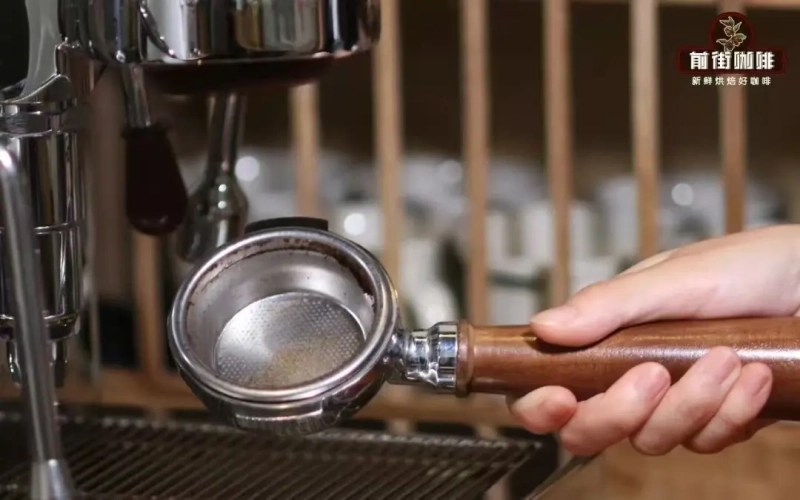
Why Does the Puck Stick to the Brew Head After Espresso Extraction? An Analysis of Operating Details and Causes
When using an espresso machine to extract espresso, many people have encountered the situation where the puck sticks firmly to the brew head. Once the puck falls off, it not only tends to crumble into the drip tray, but is also quite troublesome to clean up. Some people therefore believe that the coffee's flavor will become worse, but is that really the case? Front Street, based on an actual encounter, tasted the coffee extracted while the puck was stuck and analyzed the various operational factors that lead to this phenomenon, including the dose, the timing of removing the portafilter, and bumping before extraction, to help everyone more clearly understand the real reasons why the puck sticks to the brew head. [more…]
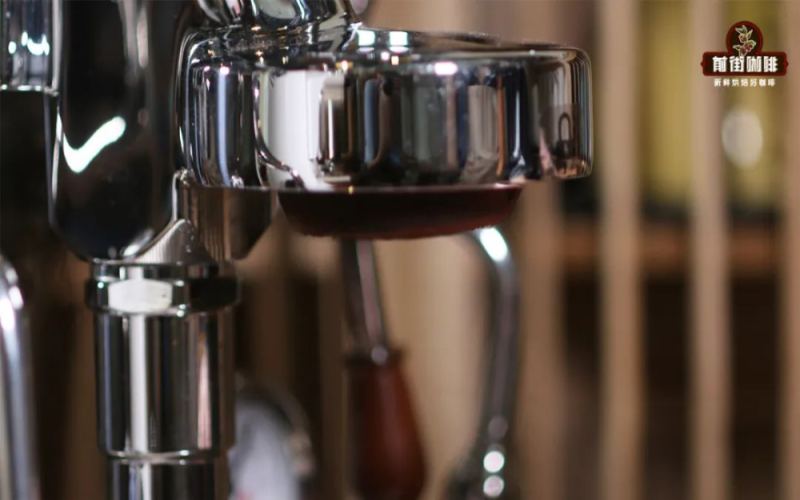
Why does the espresso puck stick to the group head? An analysis of the causes from dose, timing of removing the portafilter, and knocking to channeling.
When making espresso, the puck sometimes sticks to the dispersion screen of the group head. What exactly causes this? And does it affect the flavor of the coffee? This article starts with three common causes and analyzes them one by one: too much coffee grounds, failing to remove the portafilter in time after extraction, and the puck being knocked loose. Front Street will also draw on its own practical experience to explain the possible burnt and bitter taste issues that can arise when the puck comes into contact with the dispersion screen, as well as the impact of channeling on espresso performance, helping you judge in your daily service when there is no need to worry and when you need to adjust parameters. [more…]
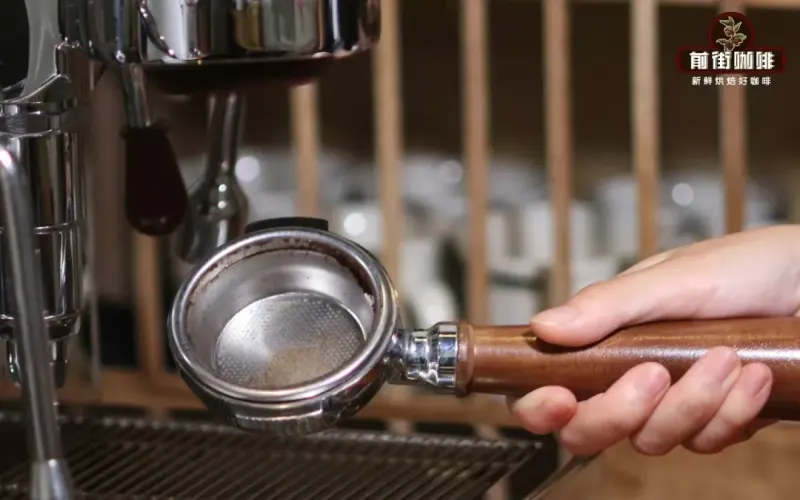
Why does the espresso puck stick to the group head? How does the pressure relief function prevent the risk of machine explosion?
When making espresso, a puck sticking to the group head is an embarrassing situation many baristas dread most. Behind this is actually a close relationship with the espresso machine's pressure relief function—after extracting the coffee, the machine needs to release the residual pressure in the portafilter basket, otherwise removing the handle could cause the machine to explode. So why exactly does the puck get stuck? And how does the pressure relief valve work? Front Street Coffee will explain these issues clearly in one go, from principles to practical operation, helping you understand and avoid this kind of "work nightmare." [more…]
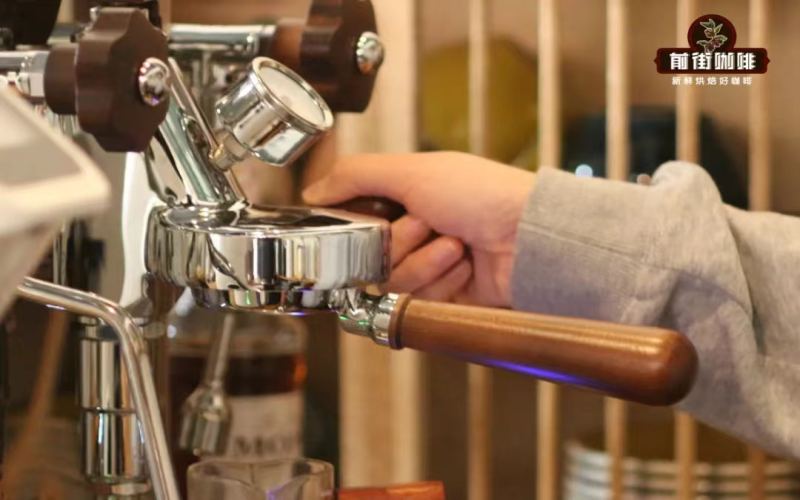
Extracting Espresso Problems
In making espresso, some seemingly unimportant details are often overlooked, yet they can gradually affect the taste of the coffee. Today, Front Street Coffee will talk about those details that are often forgotten—count how many you've missed. - Forgetting to flush water before attaching the portafilter. If there is a long interval between this espresso extraction and the last one, [more…]
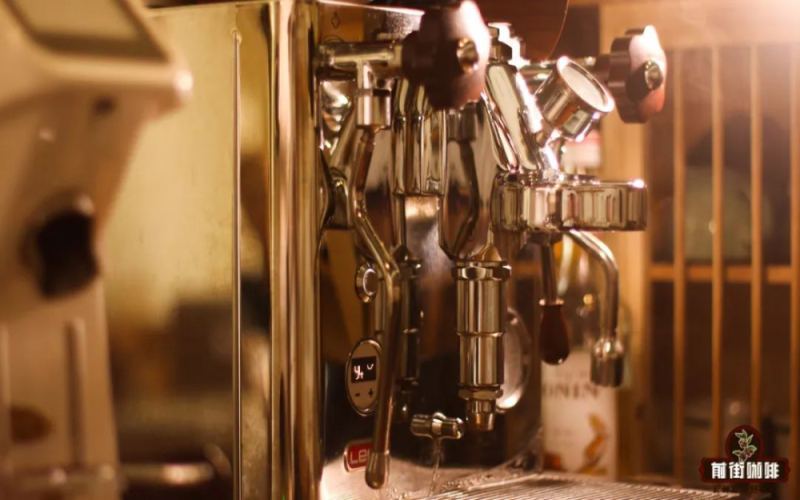
Four Key Details for Pulling Espresso: Flushing, Removing the Portafilter, Heat Retention, and Group Head Cleaning
When pulling espresso, some seemingly insignificant operational habits can, over time, have a noticeable impact on coffee quality and machine lifespan. This article compiles four easily overlooked details: why you should flush hot water before extraction, why you should remove the portafilter promptly after extraction, what hidden risks arise from leaving the portafilter locked in the group head for long periods, and how to clean the gaps in the group head. Each detail comes with specific reasons and operational advice to help coffee enthusiasts develop more standardized extraction habits, making every shot of espresso more consistent and cleaner. [more…]

Analysis of Common Espresso Extraction Misconceptions and Standard Operating Demonstration Guide
In the daily preparation of espresso, many seemingly insignificant operational details often determine the success or failure of the final flavor. This article systematically outlines four easily overlooked extraction pitfalls: not flushing water to cool down before attaching the portafilter, not knocking out the puck promptly after extraction, forgetting to clean the dispersion screen, and leaving the portafilter locked in the group head for extended periods. These habits not only affect the taste of the coffee but may also shorten the lifespan of the equipment. Drawing on Front Street Coffee's practical recommendations, the article provides corresponding correct practices and standard demonstrations to help coffee enthusiasts develop proper operating procedures and improve the consistency and quality of every cup of espresso. [more…]
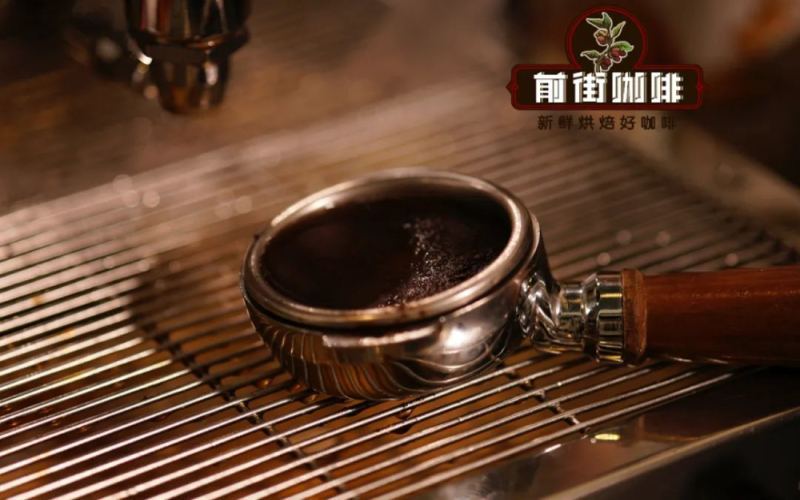
After espresso extraction, water pools in the portafilter basket? Analyzing the relationship between the basket, dispersion screen, and parameter adjustments
Many espresso enthusiasts have encountered this situation: after extraction, you remove the portafilter and find the puck wet and soft, unable to hold its shape, with a pool of water still sitting at the bottom of the basket. This is clearly not an ideal extraction state. Is the problem with the basket or the dispersion screen, or do the extraction parameters need adjustment? This article will analyze the possible causes of water accumulation one by one from the perspectives of grind size, coffee bean freshness, dose matching, group head cleanliness, and machine pressure, and provide corresponding solutions. The article will also share Front Street Coffee's dose control experience from daily dialing-in to help you find the root of the problem and return espresso extraction to a dry, intact puck state. [more…]

Seven Easily Overlooked Details in Espresso Extraction: Front Street Breaks Down the Key Operational Points One by One
Espresso can be extracted in just twenty to thirty seconds, but in this brief process, a single overlooked operational detail can significantly diminish the final flavor. From cleaning the portafilter basket and dealing with clumpy coffee grounds, to the evenness of distribution and tamping technique, and even the timing of locking in the portafilter and the habit of flushing the group head, every step can become a key variable affecting espresso quality. Front Street Coffee has compiled seven easily overlooked details in making espresso, analyzing their causes and effects on extraction results one by one, and offering specific improvement suggestions to help coffee enthusiasts consistently produce a delicious cup of Espresso at home or in a café. [more…]
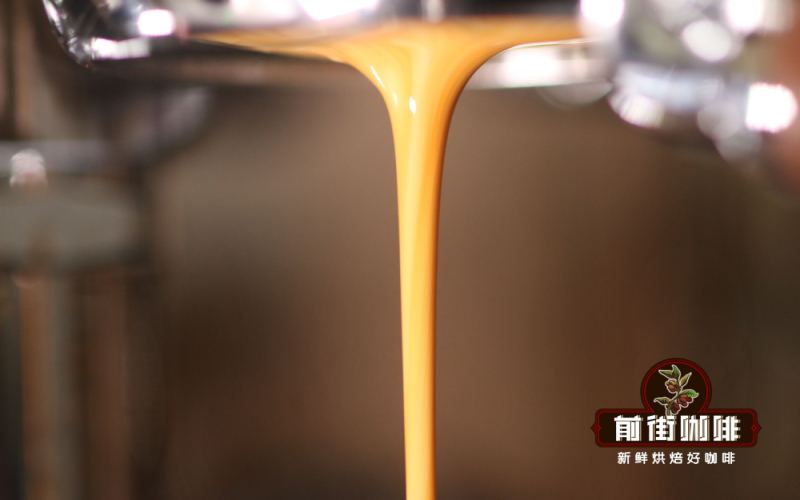
Espresso Full Analysis: Extraction Principles, Preparation Process, and Key Operational Points
Espresso is a small amount of concentrated, pure black coffee extracted by forcing hot water under high-pressure steam rapidly through a puck of coffee grounds, with a golden layer of crema on its surface. Although it rarely appears alone on café menus, it is the base of common drinks such as Americano, latte, and cappuccino, and can be called the soul of a coffee shop. Starting from the definition and characteristics of espresso, this article will sort out its historical evolution and ideas for choosing blend beans, and explain in detail the complete steps for making espresso at Front Street Coffee stores, including dose, liquid yield, time control, and operational details such as distribution and tamping. Finally, it summarizes the key variables affecting extraction flavor and daily cleaning points, helping coffee enthusiasts systematically understand the logic behind a high-quality cup of espresso. [more…]
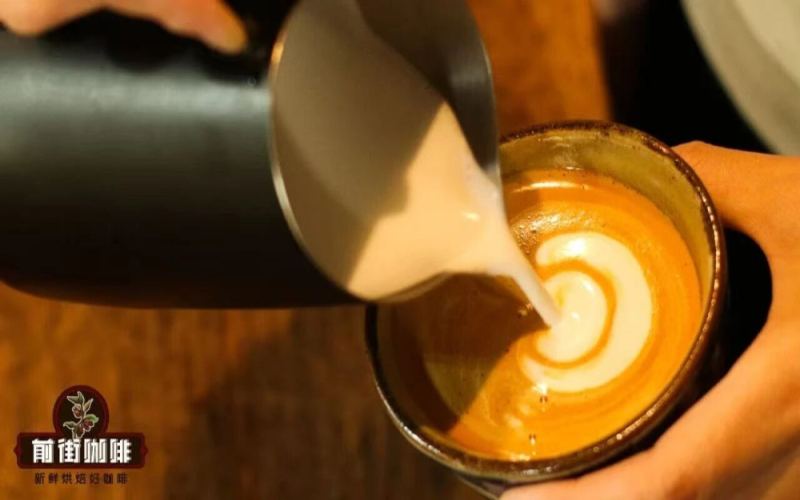
The Complete Maintenance Guide to Cleaning and Backflushing Semi-Automatic Espresso Machines
If a coffee machine is neglected for a long time, its extraction performance and flavor will gradually deteriorate. This article is aimed at semi-automatic espresso machines equipped with an independent brew head, and systematically outlines an actionable maintenance routine, from daily external wiping, cleaning the dispersion screen and portafilter, to backflushing with a blind basket, deep cleaning with cleaning powder, and regular maintenance of the dispersion screen, gasket, and boiler. It also recommends beans suitable for espresso extraction, such as Front Street Classic Blend, Commercial Blend, Dark Cocoa Base Blend, and Specialty Blend, to help you maintain consistent output whether for a café or home use. [more…]
How to Make Espresso: A Full Breakdown of Brew Ratios, Steps, and Key Details
Espresso is the base for many coffee drinks such as Americano, latte, and cappuccino. It is brewed by forcing hot water at high pressure rapidly through finely ground coffee, and its surface is covered with a layer of golden crema. This article begins with the characteristics and history of espresso, then explains in detail the daily production process at Front Street Coffee stores, including extraction parameters such as dose, yield, and time, operational details such as distributing, tamping, and locking in the portafilter, as well as the influence of the four major adjustment factors—dose, grind size, yield, and time—on flavor. It is suitable for coffee enthusiasts who want to consistently make delicious Espresso at home or in a shop. [more…]
Coffee Machine Maintenance | How Should Coffee Beginners Clean and Maintain a Home Semi-Automatic Espresso Machine? How to Replace the Gasket on an Espresso Machine?
For professional coffee knowledge exchange and more coffee bean information, please follow Coffee Studio (WeChat official account: cafe_style). For more specialty coffee beans, please add our private WeChat: Front Street Coffee (FrontStreet Coffee), WeChat ID: qjcoffeex. With the rise of specialty coffee culture [more…]
Home Espresso Machine Maintenance Guide: Daily Cleaning, Deep Descaling, and Group Head Gasket Replacement Tips
Many coffee enthusiasts have added espresso machines to their homes, but due to a lack of knowledge about cleaning and maintenance, problems such as weakened steam, uneven water flow, and even portafilter leaks begin to appear after the machine has been used for a while. This article systematically organizes maintenance methods for home espresso machines: from the routine cleaning of the steam wand and shower screen after each brew, to using a blind basket to backflush and remove internal residue before shutting down, and then to regularly using specialized cleaning powder for deep treatment of the steam wand, shower screen, and portafilter basket. The article also explains in detail the steps for replacing the brew head gasket after it ages, and reminds readers that water needs to be filtered to prevent scale from damaging the boiler. The article involves practical experience with the machine models used in Front Street Coffee stores, and is suitable for coffee enthusiasts to follow and implement. [more…]
A Complete Guide to Cleaning and Maintaining Your Home Semi-Automatic Espresso Machine: Full Steps from Daily Flushing to Deep Descaling
Home espresso machines are becoming increasingly common, but many people overlook the impact of cleaning and maintenance on coffee flavor and machine lifespan. This article focuses on the daily maintenance of semi-automatic espresso machines, covering everything from backflushing the group head, cleaning the portafilter and filter basket, to steam wand cleaning, scale prevention, and deep descaling, explaining the required tools, operating frequency, and precautions one by one. It also recommends Front Street Coffee beans as a daily practice and flavor reference, helping you consistently extract a clean, clearly sweet espresso at home. Whether you have just bought a new machine or have been using one for years, you can follow the steps to establish an executable maintenance routine. [more…]

Analysis of the Core Differences Between Pour-Over and Espresso Coffee, with Full Process for Espresso Extraction and Pour-Over Steps
Both are cups of coffee, yet pour-over and espresso head down two completely different paths. From bean selection and extraction pressure to caffeine content, the two show striking differences at every stage. This article will systematically compare pour-over coffee and espresso across three dimensions, and break down in detail the production process of espresso and the three-stage pouring steps of pour-over coffee. At the same time, the article will also introduce the actual brewing parameters used at Front Street Coffee shops, including key data such as dose, liquid weight, and extraction time, to help coffee lovers recreate a full-flavored espresso or a clean, bright pour-over at home. [more…]
Espresso Tamping Techniques Explained: Pressure Control, Distribution vs. Tamping, and Impact on Extraction Stability
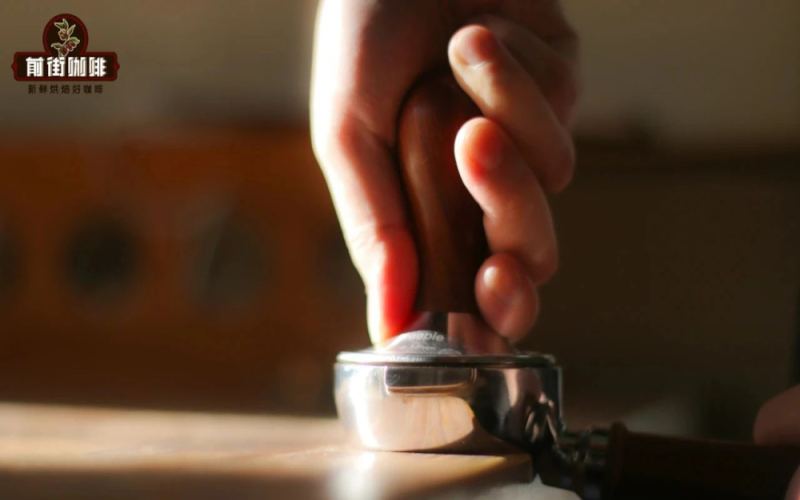
In the process of making espresso, tamping is one of the key steps that determines the success or failure of extraction. Tamping too lightly will cause the flow rate to be too fast and the flavor to be weak; tamping too heavily may make the coffee bitter and hard to swallow. In this article, Front Street Coffee will systematically explain the true purpose of tamping, the difference between distribution and tamping, the correct way to use a tamper, and the actual impact of tamping force on the extraction result. Through comparative experiments, we will guide you to understand the significant differences in flow rate and flavor between espresso extracted without tamping and with tamping, helping coffee lovers master more stable and more professional barista techniques. [more…]

How Much Pressure Should You Use When Tamping Espresso? An Analysis of How Distribution and Tamping Affect Extraction Consistency
Making a proper espresso seems simple when it comes to tamping, yet it is a key step that affects extraction evenness and consistency in the cup. A flow that is too fast often indicates the tamp was too light, while a flow that is too slow may mean the tamp was too heavy—both directly alter the flavor trajectory of the coffee. Drawing on Front Street Coffee’s hands-on experience, this article outlines the core purpose of tamping, the difference between distribution and tamping, whether a distribution tool is essential, and details such as tamper selection, tamping posture, and pressure control. It also incorporates a comparative experiment with Front Street Coffee’s Sunflower Warm Sun blend to help coffee enthusiasts understand how standardized technique can reduce channeling and make espresso extraction more consistent. [more…]
A Comprehensive Analysis of Espresso Channeling: Causes, Symptoms, and Five Directions for Improvement
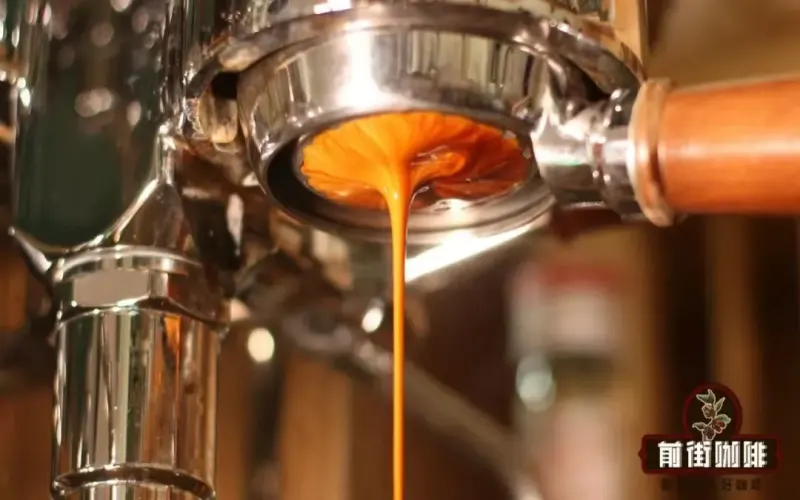
When using a bottomless portafilter to extract espresso, you may occasionally encounter a situation where the coffee liquid does not fall vertically but instead sprays out from the filter basket. This phenomenon is known in the coffee community as channeling. Although it does not necessarily make the coffee taste bad, it significantly increases the probability of uneven extraction, making it more likely to produce a cup that is both sharply sour and bitter. In this article, Front Street Coffee systematically sorts out the formation principles of channeling and summarizes five operational steps that easily trigger channeling: uneven distribution of coffee grounds, uneven tamping pressure, knocking or bumping when locking the portafilter into place, too little coffee dose or too coarse a grind, and too many clumps of coffee powder. For each situation, Front Street Coffee also provides specific improvement suggestions to help everyone reduce the probability of channeling occurring in daily extraction. [more…]

The Formation Principle and Rich Crema Techniques of Espresso, and a Guide to Selecting Coffee Beans Suitable for Latte Art
Latte is one of the best-selling products in coffee shops, and it is also the starting point for many enthusiasts to try espresso at home. Front Street Coffee often receives questions about how to choose coffee beans. This article will systematically explain the principles behind the production of espresso crema, how to make the crema richer, and recommend coffee beans suitable for latte art. Starting from the definition of a latte, the article distinguishes the roasting differences between espresso beans and pour-over beans, analyzes the respective advantages of blended beans and SOE, and provides the specific extraction parameters and operating steps for Front Street Coffee's SOE Huakui, helping readers recreate at home a cup of espresso latte with rich crema and outstanding flavor. [more…]
Espresso Extraction Adjustment Guide: A Complete Workflow from Parameter Principles to Iced Americano Preparation
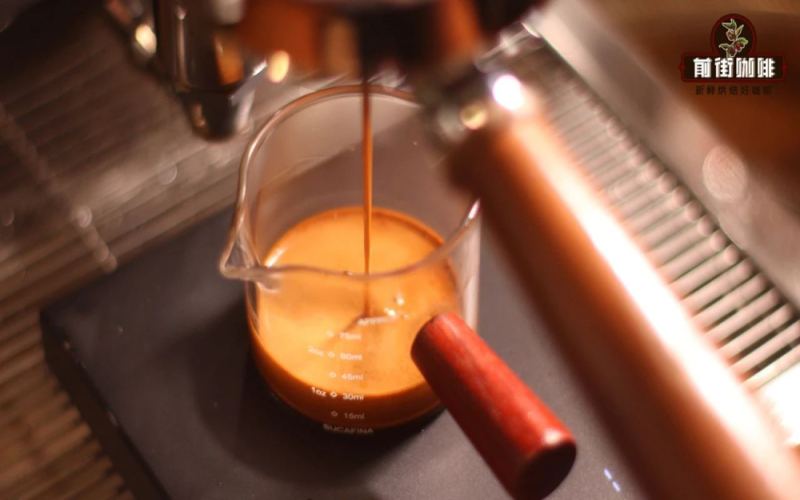
When it comes to using an espresso machine at home, nothing is more frustrating than dialing in a shot: you go through most of a bag of beans and the taste still isn't right. Even professional baristas need seven or eight trial-and-error shots to find the ideal state when switching to a new bean. This article draws on Front Street Coffee's hands-on experience to lay out an efficient approach to dialing in espresso — first explaining the roles of the three core variables (grind size, dose, and yield), then walking through how to quickly lock in reasonable parameters using a 1:2 brew ratio and a 25-to-30-second time frame, and finally offering specific correction directions for common problems like burnt bitterness, short finish, and flat flavor. Once everything is dialed in, a complete recipe for a café-quality iced Americano is included as well. [more…]