







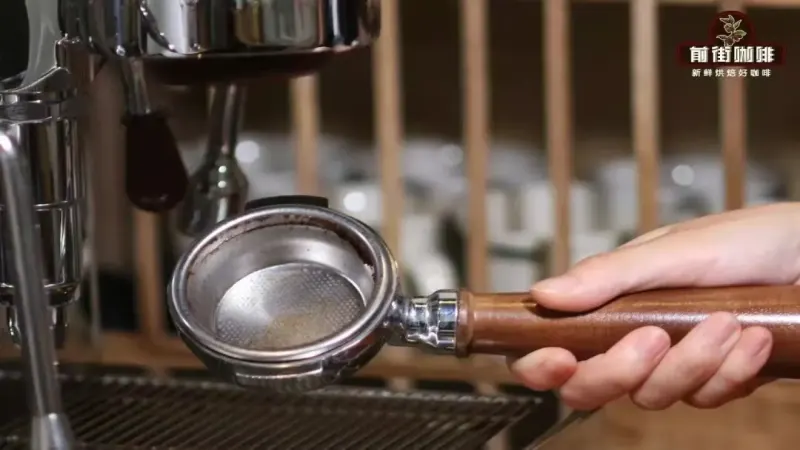
Why does the puck stick when brewing espresso coffee beans?
A puck that stays stuck to the brew head is a common espresso annoyance, but it is mostly a technique issue rather than a sign of bad coffee. The dose, how long the portafilter sits before removal, and any knocks before extraction all play a part. In a test with a 20 g dose, a 1:2 ratio, and a 33-second shot, the puck stuck firmly, yet the espresso still tasted balanced, with clear chocolate and caramel notes.
The test used a medium-dark roasted blend built from beans grown in Indonesia, Brazil, and Vietnam, a classic example of blended coffee beans made for espresso, giving a rich cup, soft mouthfeel, and thick crema. When a puck does stick, experienced baristas lock the portafilter back in and remove it again so the spent grounds drop out in one piece instead of crumbling into the drip tray.
When using an espresso machine to extract espresso, many people have encountered the situation where the puck sticks firmly to the group head. Once the puck falls off, it not only tends to crumble into the drip tray, but is also quite troublesome to clean up. Some people therefore believe that the coffee flavor will become worse, but is that actually true? Front Street, drawing on an actual encounter, tasted the coffee extracted while the puck was stuck and analyzed the various operational factors that lead to this phenomenon, including the dose, the timing of removing the portafilter, and knocks before extraction, to help everyone understand more clearly the real reasons why the puck sticks to the group head.
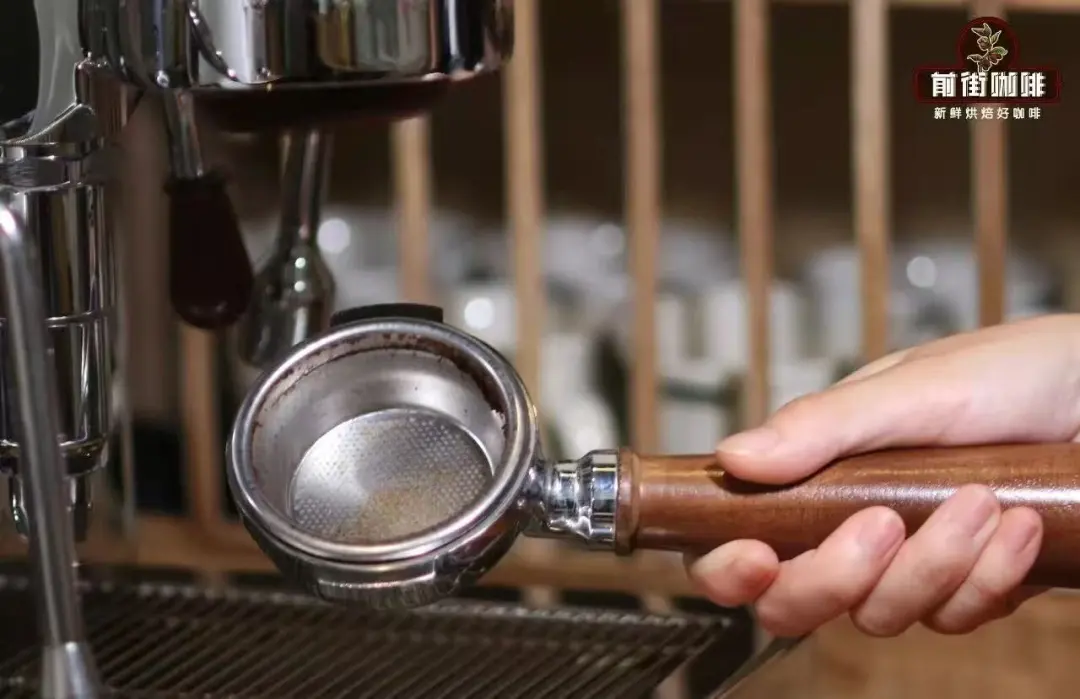
Running into this situation is indeed rather unpleasant. Once the puck is not held firmly in place, it may fall into the espresso machine's drip tray without warning, shattering into many pieces that are quite troublesome to clean up. So once experienced people notice it, they usually immediately lock the portafilter back on and then remove it again, to avoid the puck falling directly into the drip tray.
In addition, some people also claim that when this happens, the extracted coffee tastes bad. Does this claim actually hold up?
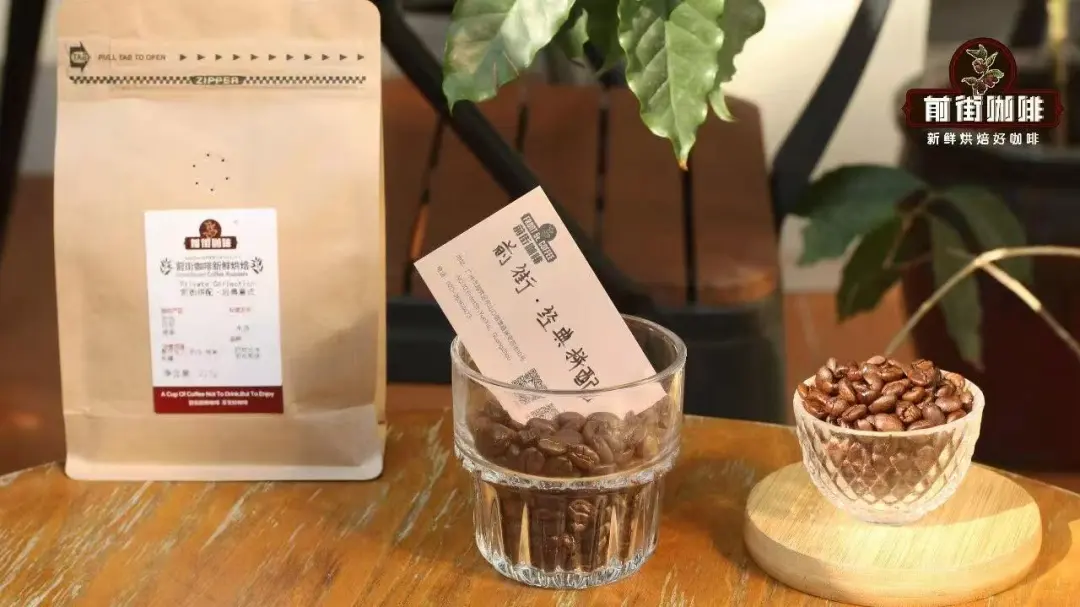
It just so happened that Front Street encountered this very situation, so we could use it to observe whether coffee extracted while the puck is stuck really does turn out worse. The coffee beans used this time were Front Street Classic Espresso Blend, which is very suitable for making espresso and is blended from coffee beans from three producing regions: Indonesia, Brazil, and Vietnam, with a medium-dark roast level. The coffee extracted with these beans tastes rich and has a soft mouthfeel, while also having full, thick crema and performing quite well.

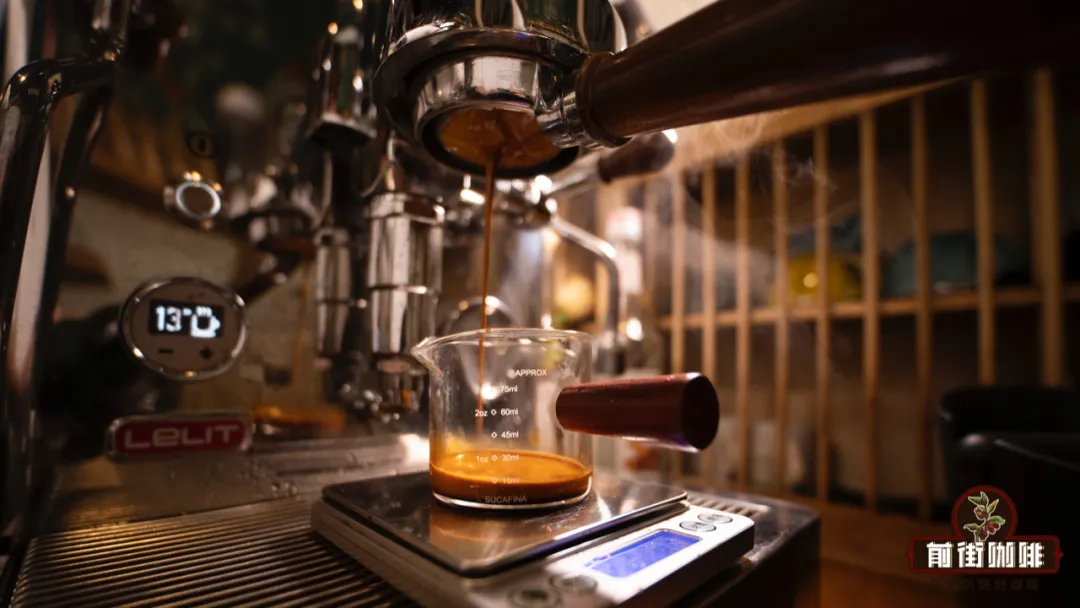
The extraction parameters were: dose 20g, coffee-to-liquid ratio 1:2, extraction time 33 seconds.
After removing the portafilter, the puck was firmly stuck to the group head, so Front Street immediately tasted it. After tasting, it was found that the coffee had not become worse because of this. The taste was still balanced, the mouthfeel full and solid, and the flavor outstanding, with the chocolate, hazelnut, caramel, and creamy notes presented by Front Street Classic Espresso Blend clearly perceptible, and a lasting sweet aftertaste, performing very well.
However, although the coffee did not become unpleasant to drink because the puck stuck, this does not mean the earlier claim is wrong. The reason is simple: there are many factors that cause the puck to stick to the group head, and some of them do indeed affect the taste of the coffee. Next, Front Street will talk with everyone about which situations cause the puck to stick to the group head.
1. Too large a dose
When too large a dose is used, the puck after extraction easily sticks to the group head. Front Street has previously mentioned that under ideal conditions it is best to leave some space between the puck and the group head, one reason being that the puck expands to a certain degree after becoming wet. If the dose is too large, the puck will come into direct contact with the group head. In this way, the probability that the puck sticks to the group head after extraction greatly increases.
2. Not removing the portafilter for a long time after extraction
If the portafilter is not removed for a long time after extraction ends, the puck is likewise prone to sticking to the group head. The reason is not complicated either: the expanded puck fits closely against the group head, and if the two are not separated for a long time after extraction is complete, the heat of the group head will gradually dry out the moisture in the puck, and at this point the puck very easily sticks to the group head.
3. Knocking before extraction
If the portafilter is knocked before it is locked on and extraction is about to begin, this can also easily cause the puck to stick to the group head. This is because knocking loosens the originally tamped puck, making it easier for it to separate from the filter basket and, with the back-suction during pressure release, be drawn up onto the group head.
Not only that, knocking also easily causes cracks in the puck, which during extraction can trigger channeling and make the final extracted coffee less pleasant to drink. This is also the main reason why some people associate the puck sticking to the group head with worse coffee flavor.
Taken together, everyone should now be able to understand why the puck sticks to the group head after extraction ends. But this phenomenon cannot directly indicate what the coffee tastes like; it more just shows that we may have made some operational misstep, or used too much coffee powder.
- END -
The above content is compiled by CoffeeHunters, a coffee news website.


