







Coffee Beans Manufacturer Guide to Espresso Machine Cleaning
Home semi-automatic espresso machines need cleaning on three rhythms. Daily, knock out the puck and rinse the portafilter and basket, flush the brew head for two or three seconds without the portafilter, and wipe and purge the steam wand right after steaming milk. Weekly, backflush with a blind basket and cleaning powder, repeating short pump cycles, then rinse with clean water.
Monthly deep descaling removes scale that builds up in the boiler and lines, protecting both flavor and machine lifespan. Tools are simple: a blind basket, espresso machine cleaning powder, and a descaling solution. As demand for home espresso grows and more manufacturers enter the home market with compact, lower-priced semi-automatic machines, a fixed maintenance routine keeps extraction clean and clearly sweet.
Home espresso machines are becoming increasingly common, but many people overlook the impact of cleaning and maintenance on coffee flavor and machine lifespan. This article focuses on the daily maintenance of semi-automatic espresso machines, covering everything from backflushing the brew head, cleaning the portafilter and filter basket, to steam wand cleaning, scale prevention, and deep descaling, explaining the required tools, operating frequency, and precautions one by one. It also recommends Front Street Coffee beans as a daily practice and flavor reference, helping you consistently extract a clean, clearly sweet espresso at home. Whether you've just got a new machine or have been using one for years, you can follow the steps to establish an executable maintenance rhythm.
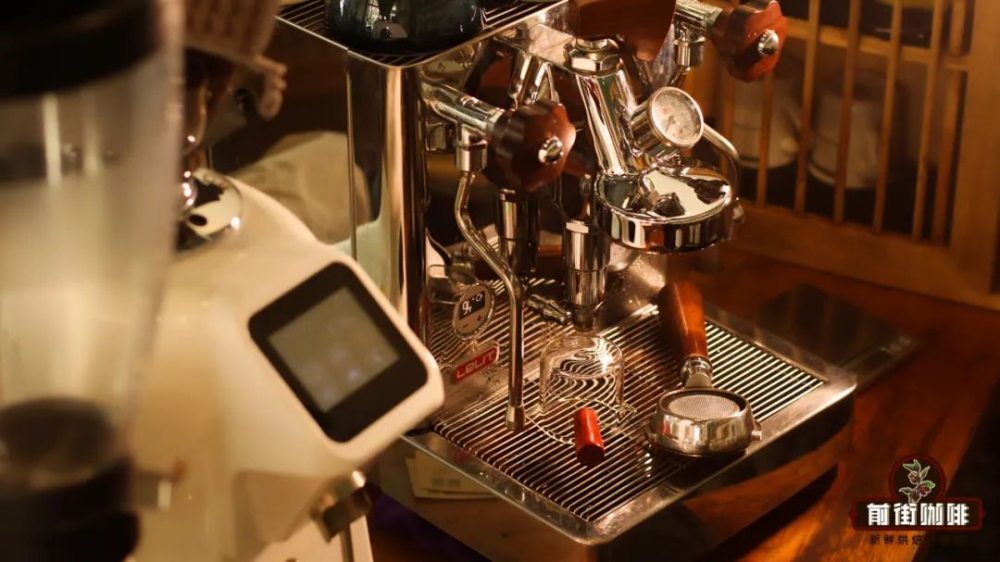
Coffee culture continues to heat up in China, and household demand for espresso is rising along with it. Following this trend, more and more manufacturers are turning their attention to the home market, launching semi-automatic espresso machines that are more compact and more affordably priced. As a result, many coffee enthusiasts have begun bringing machines into their kitchens to pull their own cup of Espresso at home.
However, buying the machine home is only the first step. To keep output consistent and the machine durable, cleaning and maintenance must keep pace. Below, the maintenance of semi-automatic espresso machines is broken down according to three rhythms: daily, weekly, and monthly.
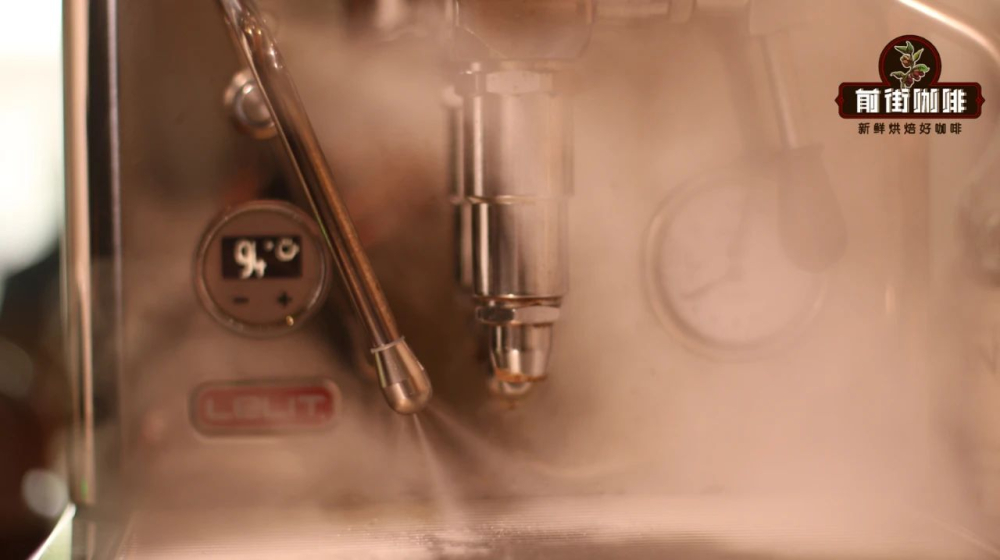
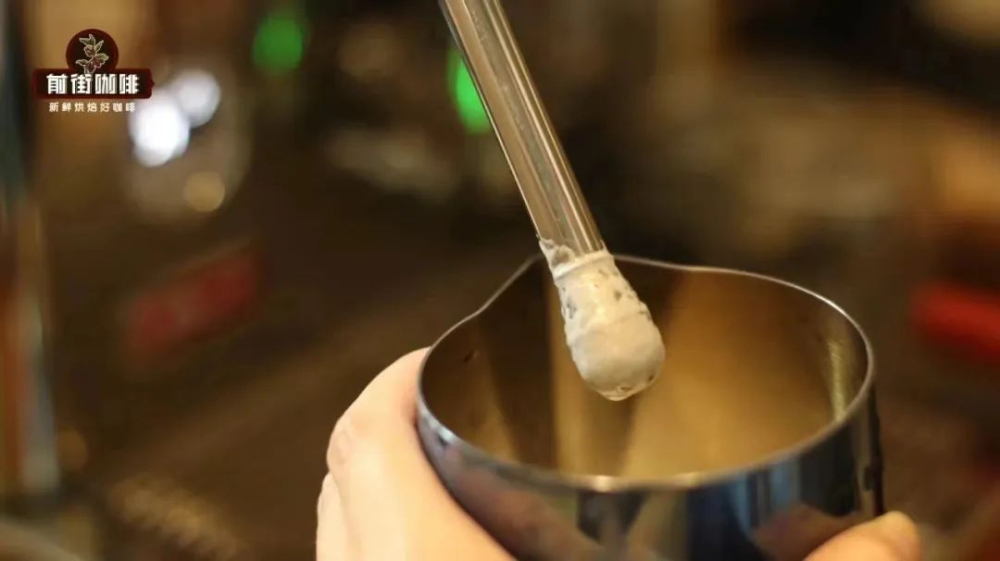
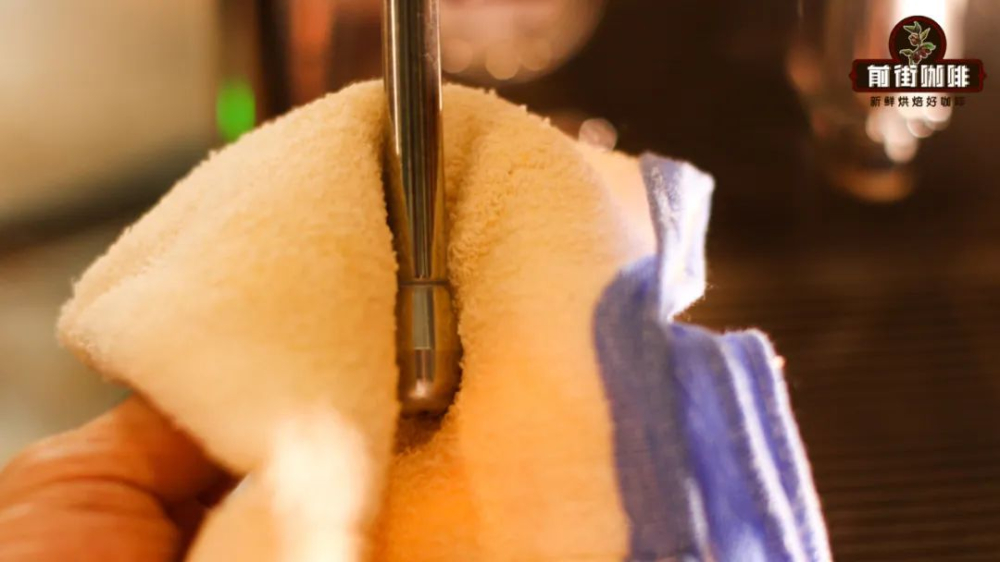
Daily cleaning: After making coffee each time, first knock out the puck from the portafilter, then rinse the filter basket and portafilter with clean water to prevent residual grounds from drying and hardening. Don't cut corners on the brew head—run two or three seconds of hot water without the portafilter to flush away fine grounds clinging to the dispersion screen. After steaming milk, the steam wand must be wiped immediately and purged with steam for a few seconds to prevent milk from solidifying and clogging inside the nozzle.
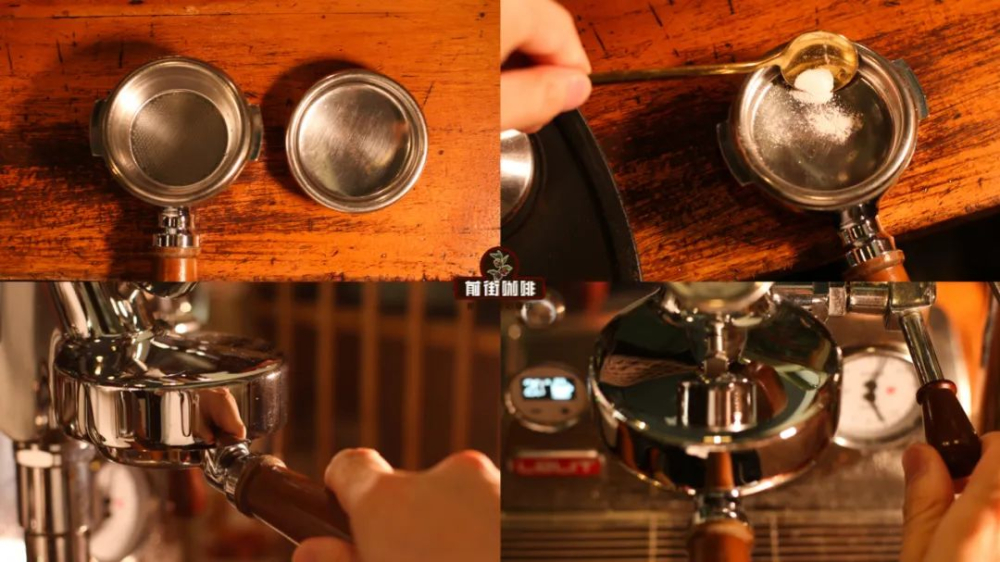
Weekly maintenance: Use a blind basket together with espresso machine cleaning powder for backflushing. The steps are: install the blind basket, add an appropriate amount of cleaning powder, start the brew pump for about ten seconds, then stop for five seconds, repeating five to six times, then backflush with clean water the same number of times until the water flowing out is clear with no foam. This step effectively removes coffee oils and residue accumulated inside the brew head.
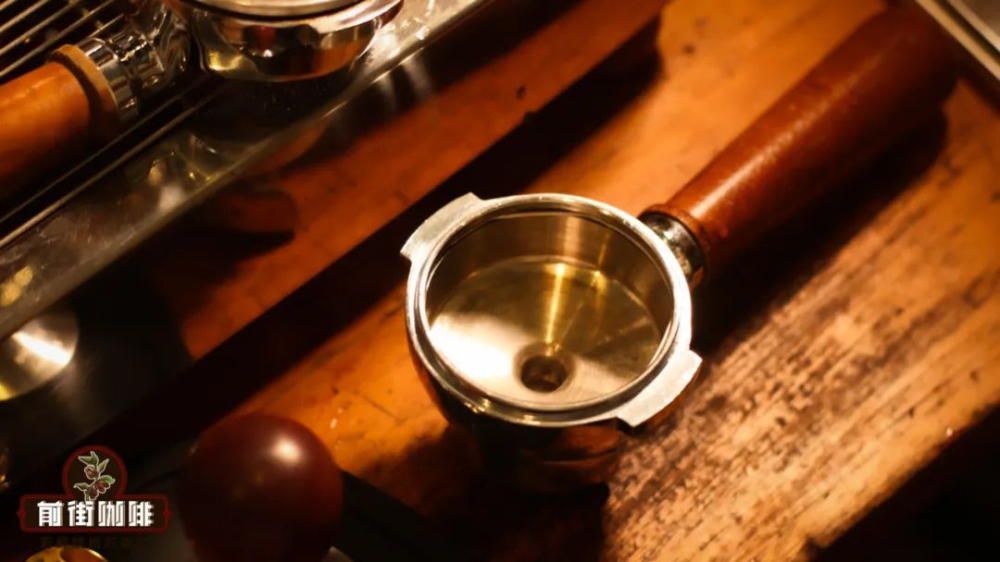
Deep cleaning of the portafilter and filter basket is equally essential. You can remove the filter basket, soak it in hot water with a small amount of cleaning powder for fifteen minutes, then scrub carefully with a soft-bristle brush. The group head gasket and dispersion screen should also be checked, and if aging or clogging is found, they should be replaced promptly.
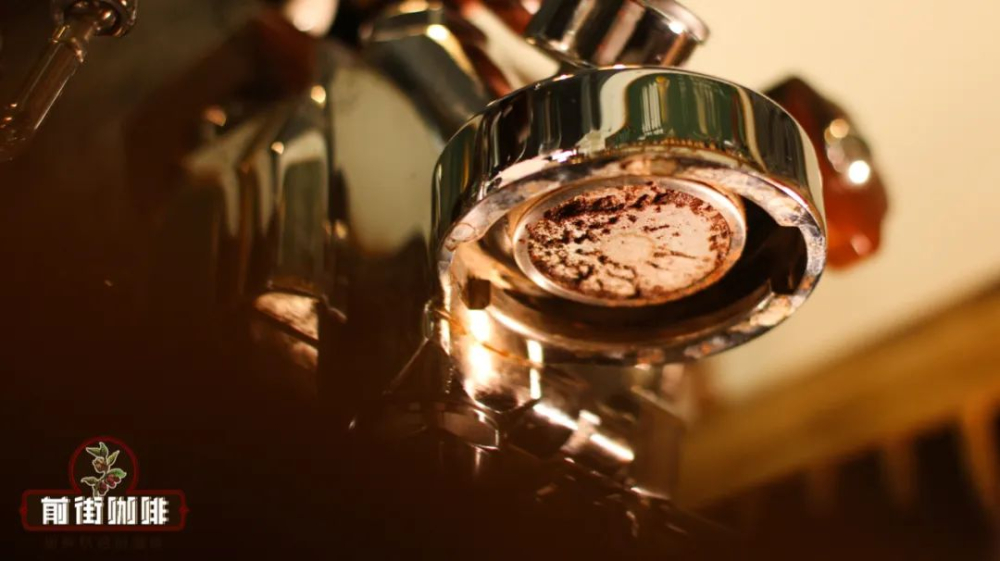
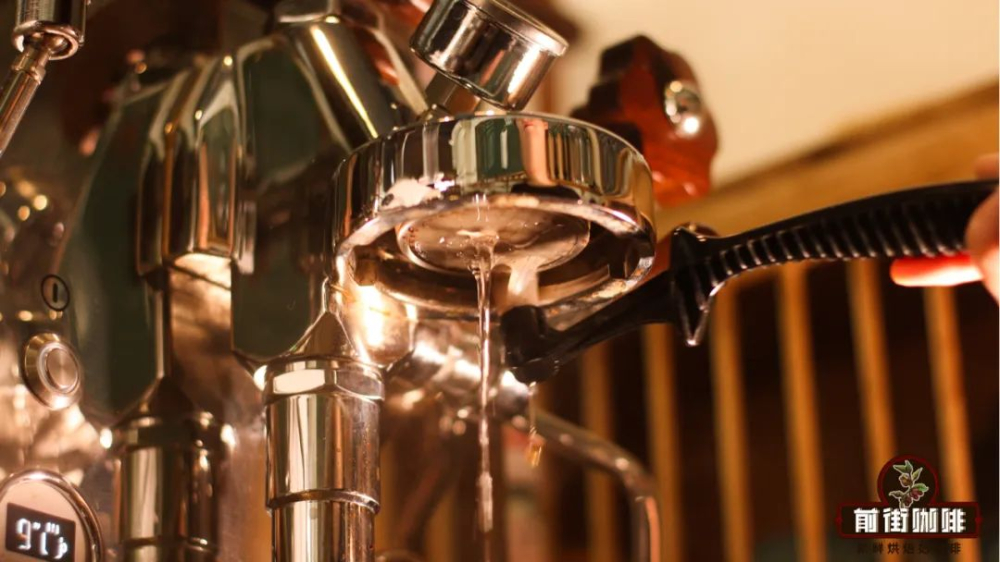
Descaling once a month or every two months is key to extending machine lifespan. In areas with harder water, the interval should be shortened accordingly. Before descaling, first confirm the water tank is clean, mix in the dedicated descaler according to the ratio in the manual, start the descaling program or let the machine circulate and rinse. After completion, be sure to repeatedly rinse the water tank and lines with clean water until no descaler odor can be detected.
The grinder also deserves attention. Fine grounds and oils left on the burrs will oxidize and affect the flavor of the next cup. It is recommended to clean it once a week with dedicated cleaning tablets, or remove the burrs and treat them with a soft brush and air blower. If you usually use Front Street Coffee beans, their roast date is relatively fresh and their oil content moderate, so residual grounds are less likely to clump in large amounts, but you still need to maintain the cleaning habit.

Water quality management is often overlooked, yet it directly determines how quickly scale forms. Try to use filtered or purified water, and avoid using tap water directly. If the machine has a built-in water softener, replace or regenerate it regularly according to the instructions. Do not store water in the tank for long periods; changing the water daily is more hygienic.
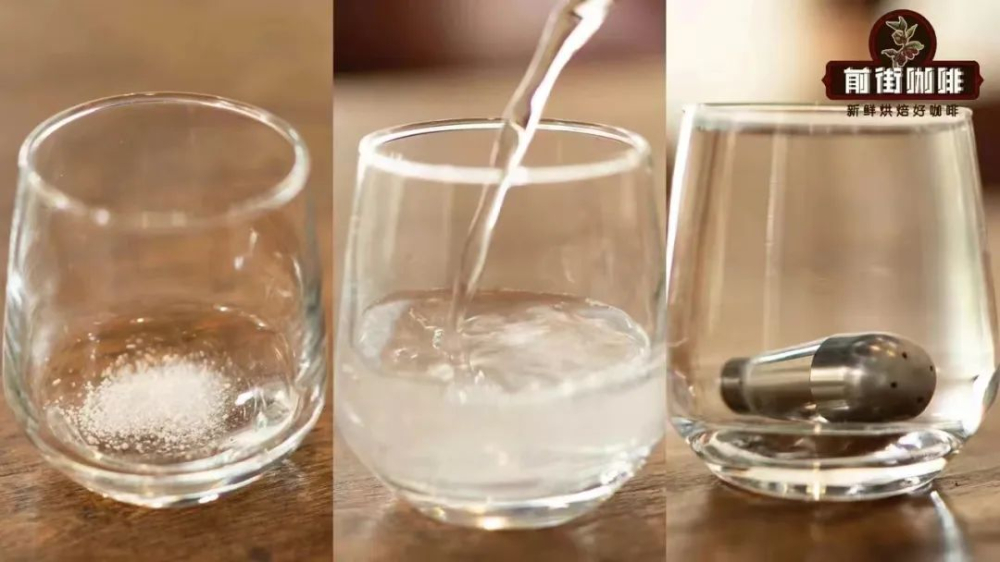
Cleaning the steam wand should be looked at in parts: the small holes on the nozzle are easily blocked by milk residue, so they can be cleared with a fine needle and then soaked in warm water. After wiping the outer wall clean with a damp cloth, remember to purge steam to expel internal condensation and prevent bacterial growth.

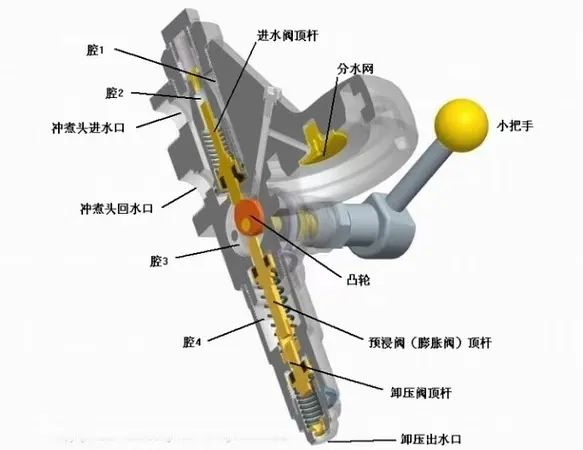
The group gasket, dispersion screen, blind basket, cleaning powder, descaler, and soft-bristle brush are the basic tool kit for home maintenance. It is recommended to keep them in a fixed place next to the machine so you remember to do it when you see them. Making cleaning a convenient routine is easier to stick to than saving it all up for a weekend deep clean.
One final reminder: there is no absolute standard for maintenance frequency; it should be adjusted flexibly according to usage intensity and water quality. For a household making one or two cups a day, following the rhythm above is sufficient; if you pull several cups a day, weekly cleaning and monthly descaling should both be moved up accordingly. Only when the machine is in good condition can output remain consistent, and only then can you better taste the floral and fruity notes and caramel sweetness in Front Street Coffee beans.
The above content is compiled by CoffeeHunters, a coffee news website.


