





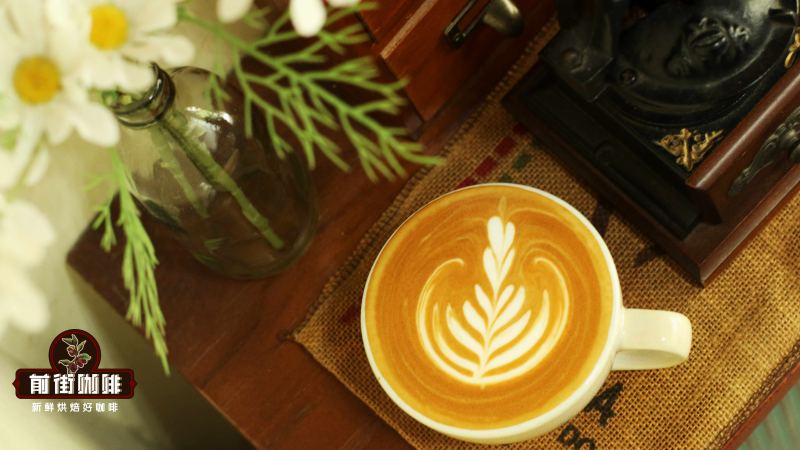
How Do You Pick Beans for a Rich-Crema SOE Latte?
An SOE latte is made from a single-origin espresso pulled as a shot and combined with milk, and the crema on top comes from carbon dioxide and oils released under pressure. A fuller crema helps milk and espresso bind and makes latte art easier to pour, so bean choice and extraction matter more than equipment.
Roasting for espresso coffee beans differs from pour-over roasting: espresso beans are usually developed further to build body and limit sharp acidity. Both blends and single-origin options work. Extraction parameters such as dose, grind size and yield decide whether the shot tastes balanced or bitter, so adjust one variable at a time.
Latte is one of the highest-selling products in coffee shops and also the starting point for many enthusiasts trying espresso at home. Front Street often receives questions about how to choose coffee beans. This article will systematically explain the principle behind espresso crema, how to make crema richer, and recommend coffee beans suitable for latte art. Starting from the definition of latte, the article distinguishes the roasting differences between espresso beans and pour-over beans, analyzes the respective advantages of blend beans and SOE, and provides specific extraction parameters and operating steps for Front Street SOE Huakui, helping readers recreate a rich-crema, flavor-forward espresso latte at home.
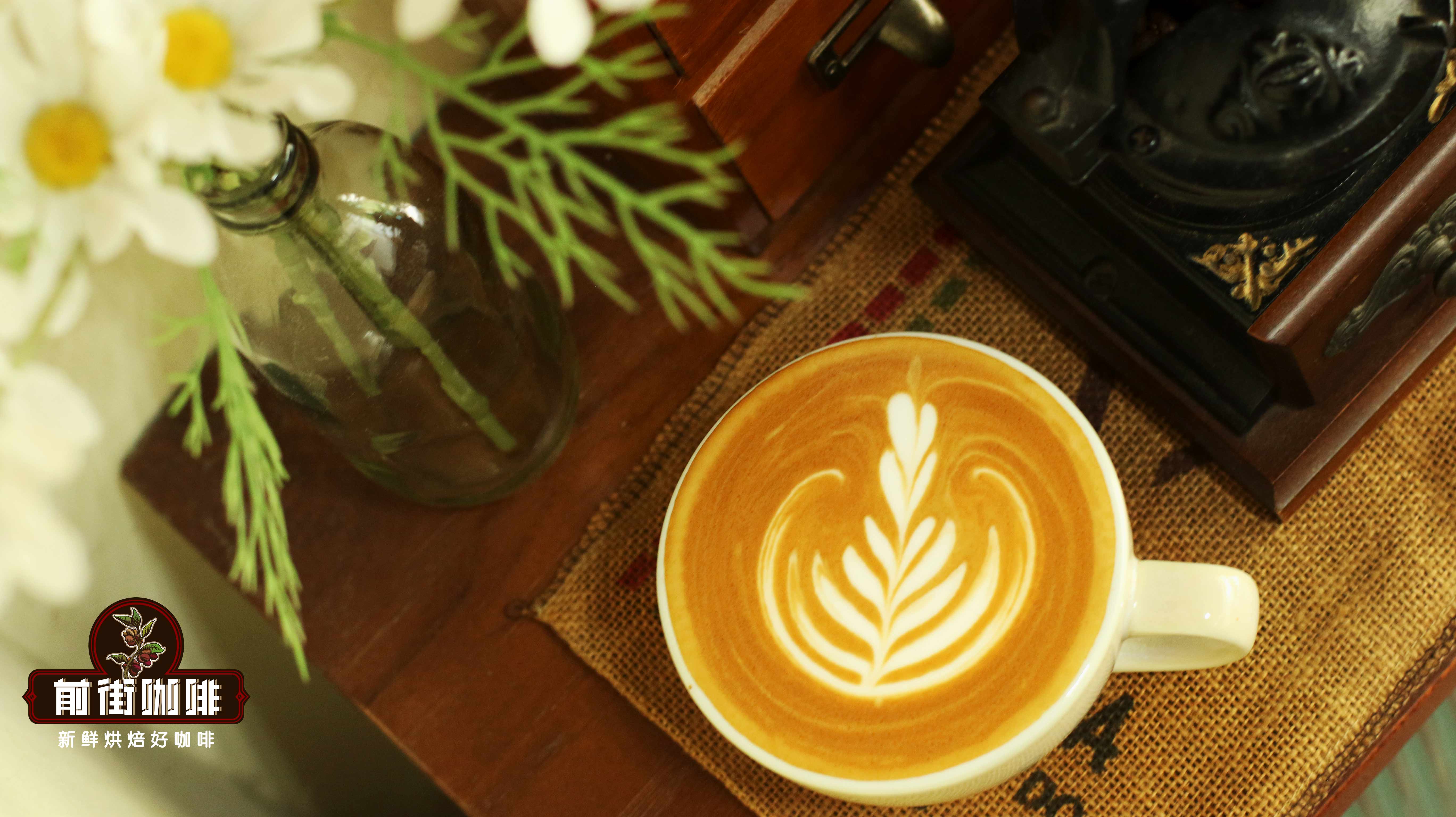
Latte is one of the most widely consumed coffee categories. It is not only the sales champion in many coffee shops, but also the first stop for many enthusiasts encountering espresso at home. Front Street is often asked various questions about latte making, among which "how should coffee beans be chosen" appears most frequently. Today Front Street will talk about how to pick a satisfying coffee bean.
Latte, transliterated from caffè latte, literally means milk coffee. Broadly speaking, any drink made by adding milk to black coffee can be classified as a "latte." Therefore, aside from the industry-specific fancy coffee made from espresso plus milk, in the eyes of many beginners, black coffee made with a moka pot, French press, pour-over, siphon, or drip bag, once mixed with milk, also counts as a "latte."
The fundamental reason this way of drinking is popular is that people find pure black coffee too bitter and want to use milk to balance the taste, making the coffee easier to drink while also bringing a little sweetness. When making black coffee with milk this way, there is no need to stick rigidly to steps, nor to obsess over tedious details such as ratio, temperature, or milk frothing. As long as it tastes good to you, that is enough. Therefore, there is also more room in choosing coffee beans. Friends who like this kind of milk coffee and are also struggling with bean selection can refer to Front Street's previous article "How to Make Homemade Pour-Over Milk Coffee Taste Better?"
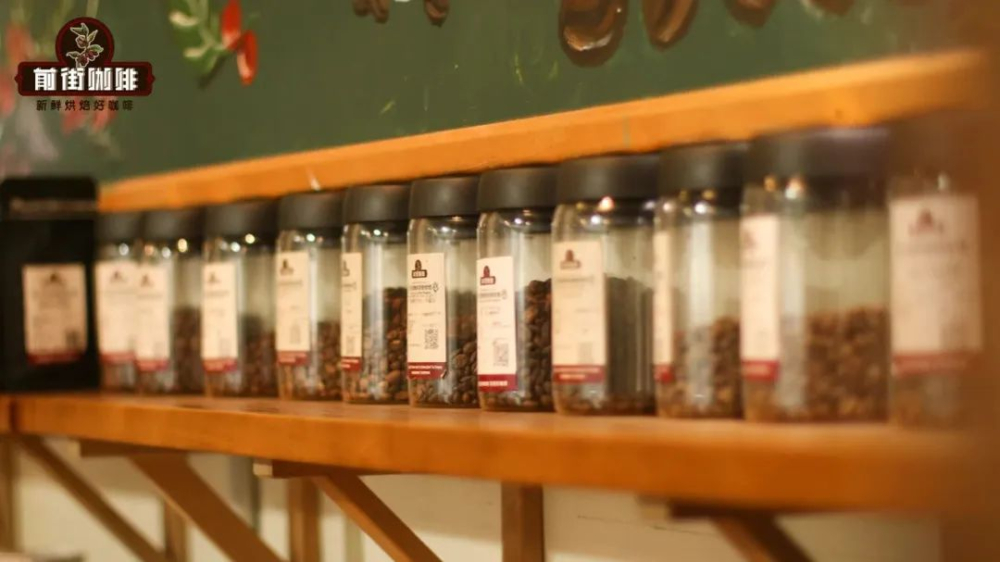
But if you had a cup of aromatic, full-bodied espresso latte at a certain coffee shop and want to recreate the same taste at home, then the keyword you should search for first is "espresso beans," that is, finding products that match your espresso machine and grinder.
It is not hard to see that the coffee beans commonly available on the market today are roughly divided into two categories: espresso coffee beans and pour-over coffee beans. The reason is simple: espresso and pour-over are precisely the two most mainstream extraction models today. So before buying coffee beans, you must first clarify which method you actually use to make "milk coffee," and then choose according to taste.
Of course, Front Street is not saying that once you buy espresso beans you cannot brew them with pour-over, or that pour-over beans cannot be used in an espresso machine. Rather, the coffee beans sold by merchants usually have corresponding roasting curves (roast levels) formulated according to different extraction methods, so that the coffee beans can achieve the ideal effect under matching brewing conditions.
Take a simple example: on Front Street's Ethiopia bean list there are two Konga coffees. One is mainly for pour-over and other drip extraction methods, using a light roast to highlight bright fruit acidity of lemon and citrus; the other is adjusted to a medium roast to suit pressure-heating brewing methods such as espresso machines and French presses, so that the extracted SOE has both fruit acidity and caramelized aroma.
From extraction experience, Front Street recommends choosing espresso blend coffee beans with higher stability. Blend products usually combine flavor profiles from different origins and then use a medium or darker roast, making it easier to extract rich crema (coffee beans with high crema are more suitable for milk coffee). In this way, the espresso has a thick, rich mouthfeel and a higher margin for error. Moreover, most espresso blend beans are mainly supplied for cafe service. Compared with single-origin beans of similar flavor, the price is usually lower, following an economical and cost-effective route. For beginners with little coffee-making experience, using espresso blend beans is clearly more advantageous for making a delicious latte.
However, as mentioned earlier, most blend beans sold on the market tend toward dark roasting, with a relatively single taste. The espresso they produce is mainly characterized by caramelized aromas, such as dark chocolate, cream, and nuts. But the new generation of coffee enthusiasts influenced by the concept of single-origin coffee, rather than pursuing stable extraction and rich crema, instead hope to taste unique flavors such as floral notes, fruit acidity, and fermentation from coffee. So they turn their latte bean-selection direction toward the broad category of pour-over single-origin beans, in search of light-roasted coffee beans with more prominent flavor and more obvious aroma, which is what everyone often calls SOE.
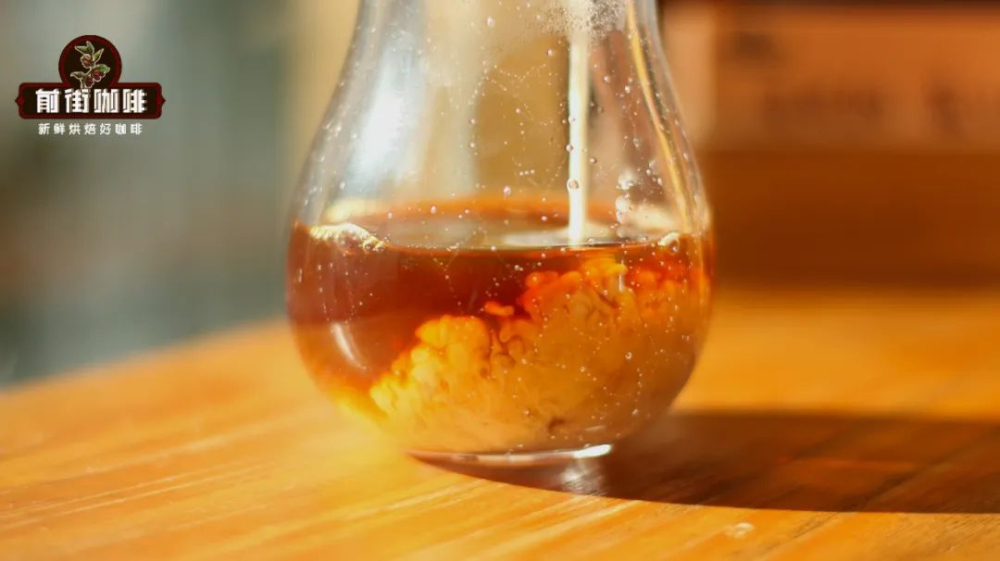
When we use lighter-roasted coffee beans to extract espresso, because the coffee beans have been roasted for a shorter time and have a harder internal texture, the flavor is harder to fully release, and after adding milk it tastes even weaker. Therefore, it is necessary to adjust various parameters to increase the extraction yield, such as extending extraction time, raising water temperature, making the grind finer, and increasing the dose. The difficulty level is considerably higher than with dark-roasted beans.
So if you also prefer SOE lattes, Front Street recommends using medium-roasted or flavor-type (fruity, winey) single-origin beans, which can avoid the strong, pungent taste brought by too-light roasting.
For example, the SOE milk coffee extracted by Front Street using sun-dried Huakui coffee beans presents notes of passion fruit, honey tangerine, and cream; when made with raisin honey-processed Costa Rica Strawberry Candy coffee, the latte has obvious orange aroma, candied fruit, and rose petal notes; while the SOE latte made with anaerobic sun-dried Santa Vini coffee beans surprisingly has notes of blueberry, dried mango, and fermented fruit aroma.
Considering that everyone may brew differently after purchase, Front Street roasters specially launched two different roasting curves: one is a medium-light roast suitable for cold brew and pour-over, and the other is a medium roast suitable for espresso machines and moka pots. For example, if someone likes something simple and convenient and chooses cold brew, or pursues a sense of ritual and extracts by pour-over, then they can choose the medium-light roast; if you prefer golden crema, or hope to draw delicate patterns on a latte, Front Street recommends choosing the SOE roasting curve.
Extraction Parameters for SOE Huakui Espresso
Coffee beans: Ethiopia Huakui 8.0
Coffee powder dose: 20g
Coffee liquid yield: 40g
Powder-to-liquid ratio: 1:2
Extraction time: 26–32 seconds
Grind setting: Galileo 2.0
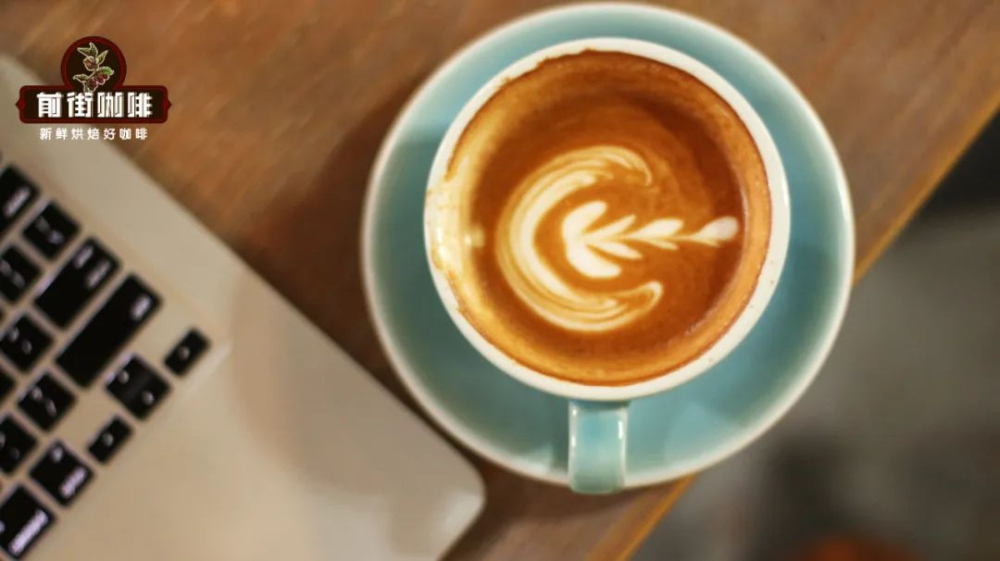
The coffee machine used by Front Street has a double basket capacity, requiring 20 grams of coffee powder each time. The extracted powder-to-liquid ratio is 1:2, meaning 40 grams of coffee liquid is produced within a reasonable time. Extraction time is related to the flow rate of the coffee powder. Generally, a single extraction duration is controlled between 20 and 35 seconds. If it is less than 20 seconds, the coffee taste tends to be thin and weak, while if it exceeds 35 seconds, over-extraction easily causes a burnt bitter taste in the coffee. Therefore, when producing, Front Street controls the espresso time within the range of 26–32 seconds.
Before extraction, we need to first wipe the basket dry, turn on the grinder, grind a double dose of coffee powder, and place it on an electronic scale to measure and adjust until it reaches 20 grams. Then use a distribution tool to level the coffee powder, and use a tamper to press vertically downward with force, tamping the coffee puck firmly to ensure more stable coffee extraction.
Then turn on the extraction switch and let water run for 1–2 seconds to wet the group head, while also carrying away coffee grounds stuck on it. Place an electronic scale under the cup receiving the Espresso and tare it to 0, then place it together under the group head during extraction.
Gently lock the portafilter onto the group head and start the extraction switch. Observe the changes in the extracted liquid. When the electronic scale shows 40 grams of coffee liquid extracted, at about 30 seconds, turn off the extraction switch. The brewing parameters will change subtly according to daily air humidity and the condition of the coffee beans, so it is necessary to adjust the coffee powder dose, grind setting, and extraction yield up or down.
The extracted Huakui SOE can be drunk directly. Remember to pair it with a glass of clear water to rinse your mouth. You can taste the dense crema foam and the rich tropical fruit aroma of the coffee liquid underneath.
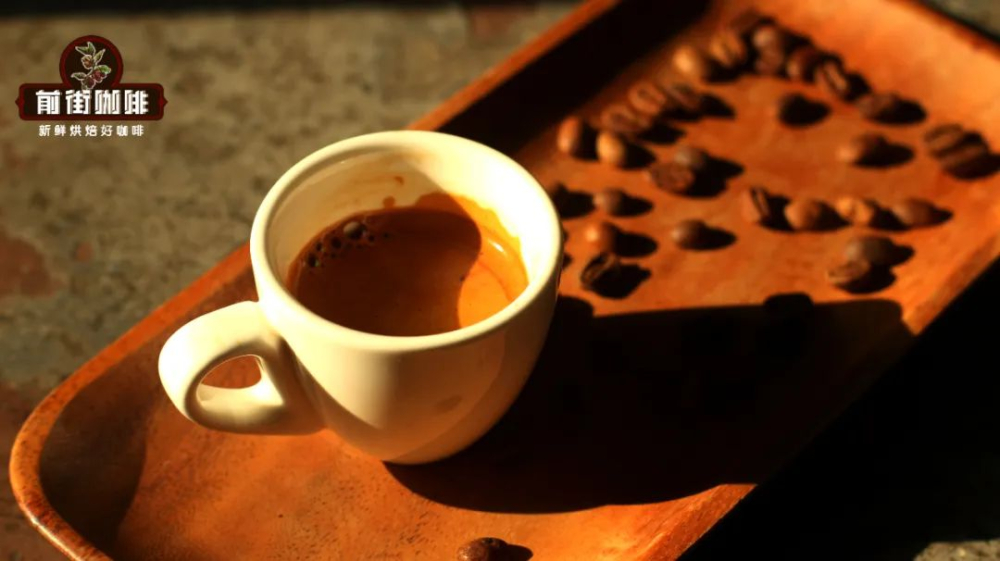
If you cannot accept the strong bitterness of espresso, of course you can also follow your own preference by adding ice water or warm water at a 1:4 ratio to make a refreshing SOE Huakui Americano, or add frothed fresh milk at a 1:6 ratio to soften the mouthfeel, making a delicious SOE Huakui latte.
The above content is compiled by CoffeeHunters, a coffee news website.


