







Search Results for: Flushing

Why Pre-Release Hot Water Before Espresso Extraction? Analyzing Key Details of Coffee Machine Operation
Many coffee enthusiasts, when making espresso, often overlook a step that seasoned baristas repeatedly emphasize—letting hot water run for a few seconds before extraction. This seemingly simple action actually has a significant impact on the final flavor of the coffee. This article will explain the necessity of pre-flushing from two perspectives: brew head cleanliness and extraction stability, and through a comparative experiment at Front Street, demonstrate the specific differences that flushing versus not flushing makes on espresso taste and extraction yield. At the same time, we will also analyze why coffee machines that have been unused for a long time tend to cause extraction deviations, helping you more precisely control the quality of every cup of espresso in your daily routine. [more…]
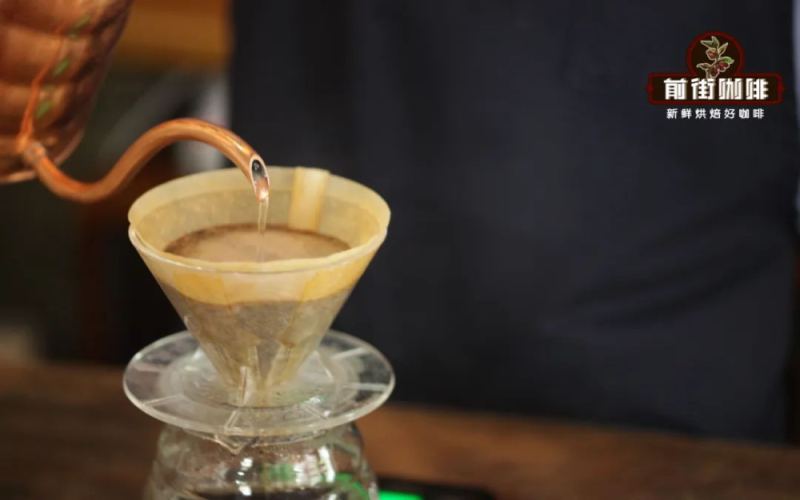
Analysis of the Differences Between Pulsed Pour-Over and One-Pour Method in Hand-Brewed Coffee: Extraction Time, Flushing Efficiency, and Suitable Bean Types
In pour-over coffee, the pouring method after blooming directly affects the final flavor. Is it the "one-pour" method, where all the water is poured at once, or is it divided into two or more stages? These two approaches differ significantly in extraction time, flushing efficiency, and controllability. Staged pouring extends the extraction window, making the release rhythm of sweet, sour, and bitter compounds more controllable, thereby enhancing the coffee's complexity. But more stages isn't necessarily better; in everyday brewing, two to three stages are most common, as they allow flexible adjustment and make it easier to hit the ideal extraction time. This article will compare in detail the differences between the one-pour method and staged pouring, and explain what kind of coffee beans are better suited to staged extraction. [more…]
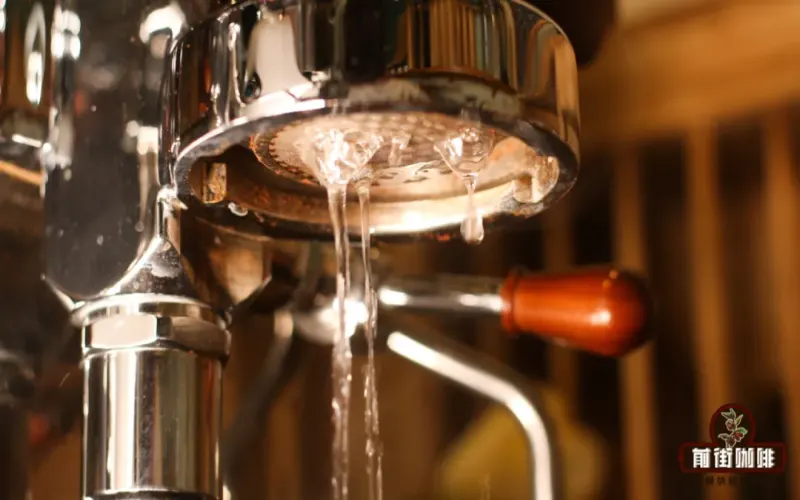
Why Should You Flush Hot Water Before Extracting Espresso? A Key Detail Not to Be Overlooked When Using an Espresso Machine
When using an espresso machine to extract espresso, there is one action that veteran baristas repeatedly emphasize, yet it leaves many enthusiasts puzzled—that is, releasing a few seconds of hot water before locking in the portafilter. This seemingly simple step actually affects both the cleanliness of the group head and the stability of the extraction result. Through comparative experiments, Front Street Coffee found that espresso extracted with and without pre-flushing shows perceptible differences in acidity, concentration, and balance, and the extraction yield data confirms this as well. This article will analyze in detail the two core functions of pre-flushing, helping you produce a good espresso more consistently in your daily routine. [more…]
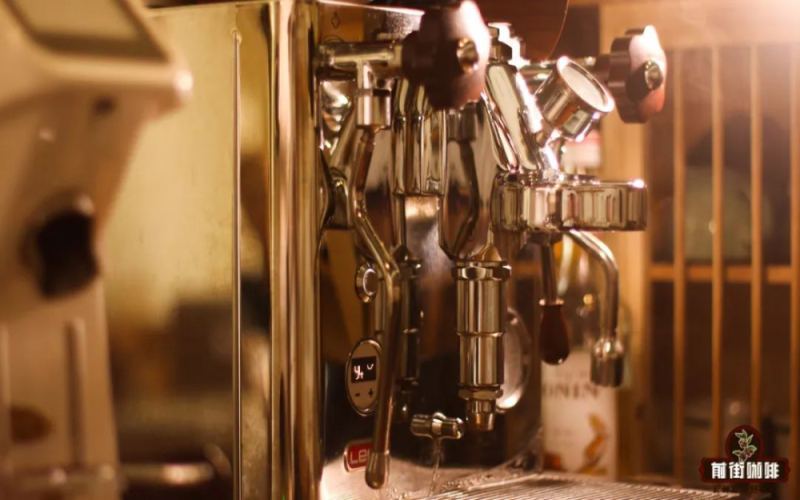
Four Key Details for Pulling Espresso: Flushing, Removing the Portafilter, Heat Retention, and Group Head Cleaning
When pulling espresso, some seemingly insignificant operational habits can, over time, have a noticeable impact on coffee quality and machine lifespan. This article compiles four easily overlooked details: why you should flush hot water before extraction, why you should remove the portafilter promptly after extraction, what hidden risks arise from leaving the portafilter locked in the group head for long periods, and how to clean the gaps in the group head. Each detail comes with specific reasons and operational advice to help coffee enthusiasts develop more standardized extraction habits, making every shot of espresso more consistent and cleaner. [more…]

Luckin's Pomelo C Series is hailed as a fat-burning miracle, but testing shows that although its calories are low, it raises blood sugar fairly quickly, so those trying to lose fat should be cautious.
After the Luckin Yuzu C series returned, it quickly became popular, and many people on social platforms have hailed it as a "fat-flushing miracle," with claims even circulating that "one cup can make you lose two jin." However, actual test data show that although a single cup of the Yuzu C series contains about 105 to 150 calories, blood sugar rises fairly quickly after drinking it, and the blood sugar increase of Yuzu C Iced Tea can reach 5.1 half an hour after a meal. In addition, the formula contains high-fructose corn syrup and white granulated sugar, so so-called 0 fat does not equal low sugar. For people who need to lose fat or control blood sugar, this drink may not only fail to help with weight loss, but may instead promote fat synthesis and increase hunger due to a large secretion of insulin. This article, combining netizen reviews and formula information, restores the true picture of the Luckin Yuzu C series. [more…]
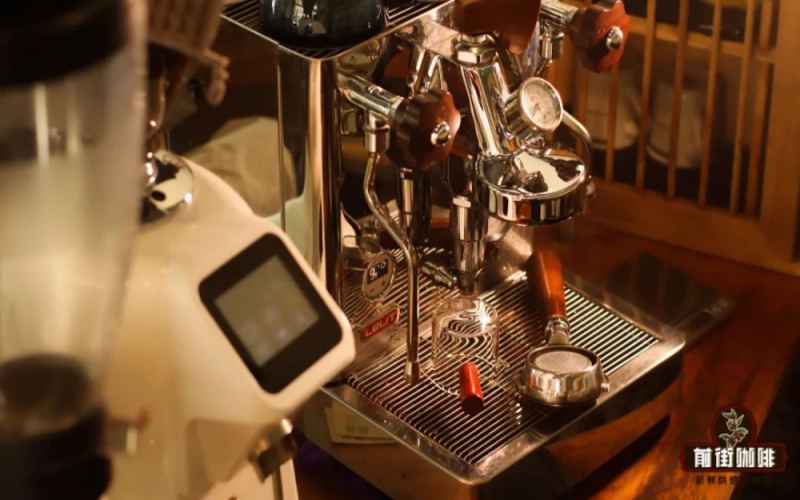
A Complete Guide to Cleaning and Maintaining Your Home Semi-Automatic Espresso Machine: Full Steps from Daily Flushing to Deep Descaling
Home espresso machines are becoming increasingly common, but many people overlook the impact of cleaning and maintenance on coffee flavor and machine lifespan. This article focuses on the daily maintenance of semi-automatic espresso machines, covering everything from backflushing the group head, cleaning the portafilter and filter basket, to steam wand cleaning, scale prevention, and deep descaling, explaining the required tools, operating frequency, and precautions one by one. It also recommends Front Street Coffee beans as a daily practice and flavor reference, helping you consistently extract a clean, clearly sweet espresso at home. Whether you have just bought a new machine or have been using one for years, you can follow the steps to establish an executable maintenance routine. [more…]

Analysis of Common Espresso Extraction Misconceptions and Standard Operating Demonstration Guide
In the daily preparation of espresso, many seemingly insignificant operational details often determine the success or failure of the final flavor. This article systematically outlines four easily overlooked extraction pitfalls: not flushing water to cool down before attaching the portafilter, not knocking out the puck promptly after extraction, forgetting to clean the dispersion screen, and leaving the portafilter locked in the group head for extended periods. These habits not only affect the taste of the coffee but may also shorten the lifespan of the equipment. Drawing on Front Street Coffee's practical recommendations, the article provides corresponding correct practices and standard demonstrations to help coffee enthusiasts develop proper operating procedures and improve the consistency and quality of every cup of espresso. [more…]
Drip Bag Coffee Buying Guide: From History to Specialty Brands, Front Street Coffee's Ten Flavor Test Analysis
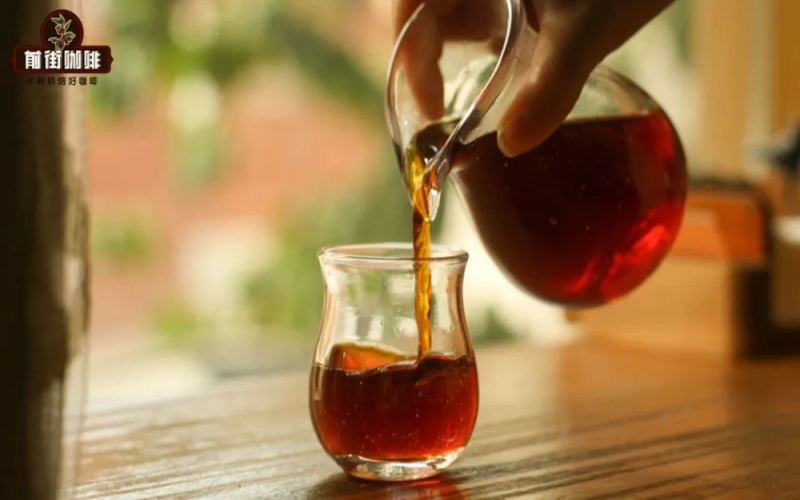
In a fast-paced life, if you want a good cup of coffee at any time without any fuss, drip bags are undoubtedly a smart choice. This little invention from Japan now accounts for 15% of Japan's regular coffee market. But even among drip bags, quality varies enormously—specialty beans, highly permeable filter paper, and nitrogen flushing for freshness are all indispensable. Front Street Coffee uses hundreds of specialty estate beans to make pour-over drip bags, from Yirgacheffe to Geisha Village Chaka, each labeled with roast level and flavor notes. This article sorts through the history and key buying points of drip bag coffee, and one by one breaks down the flavor characteristics of eight products including Front Street's classic five-region current-season drip bag series, to help you find the cup that suits your taste. [more…]

The New Secret to a Coffee Shop's Standout Success: How Restroom Details Become a Key Bonus in Customer Experience
Besides refreshing the mind and waking you up, coffee can also promote intestinal peristalsis, which unexpectedly makes the restroom experience an important standard for judging whether a coffee shop is comfortable. Recently, a netizen from Shandong posted on social media, reviewing some of the coffee shops they had visited from the perspective of the restroom, with a unique angle and rich details. Cleanliness and hygiene, along with smooth flushing, are the basics, while spaciousness and ventilation, pleasant aromas, and the provision of disposable toilet seat covers, wet wipes, sanitary pads, and hand cream become bonus points. A layout with dry-wet separation and a reasonable flow also greatly increases favorability. At the same time, many coffee shops cannot provide restrooms due to space or plumbing limitations, or they impose restrictions on customers using the toilet. Those shops with complete facilities not only meet physiological needs, but also win repeat customers and reputation through detailed service. Front Street Coffee reminds us that paying attention to these often overlooked experiences may bring coffee shops an unexpected win-win effect. [more…]
Drip Bag Coffee Buying Guide: How to Tell Good Brands from Bad, Plus Eight Front Street Specialty Flavor Recommendations
In the fast-paced modern life, if you want to enjoy a high-quality cup of black coffee anytime, drip bag coffee is undoubtedly an ideal solution. This invention, which originated from UCC Ueshima Coffee in Japan, now occupies 15% of the Japanese coffee market. However, although they are all called drip bag coffee, the quality varies greatly—specialty bean raw materials, breathable and non-toxic filter paper, and nitrogen-flushing preservation technology are all indispensable. This article will guide you through the historical origins and core characteristics of drip bag coffee, and focus on how the Front Street brand uses specialty estate beans and diverse roasting to create eight drip bag products with distinct terroir characteristics, from the brightly fruity Yirgacheffe to the rich and full-bodied Mandheling, meeting the needs of people with different taste preferences. [more…]
A Brand Recommendation Guide for Buying Imported Pure Coffee Beans: Why Experts Prefer Small Bean Traders
Coffee, wine, and tea are all flavor foods, yet China's coffee bean production accounts for only about 1% of the global total, and most beans on the market are imported. If you just want to try brand-name beans with a sharing mindset, feel free to give them a try; but if you're giving them to someone who knows coffee, it's best to give up on shopping at large supermarkets. Whether espresso or single-origin, there is only one core principle when buying: fresh roasting. Beans from supermarkets or chain brands are often already months past their roast date, with their aroma severely lost—even nitrogen-flushing and other preservation techniques can't save them. In addition, if you can obtain information on variety, altitude, and processing method, and the more specific the origin, the more guaranteed the quality usually is. This article recommends several freshly roasted specialty coffee brands and explains why small bean merchants deserve more attention. [more…]

Seven Easily Overlooked Details in Espresso Extraction: Front Street Breaks Down the Key Operational Points One by One
Espresso can be extracted in just twenty to thirty seconds, but in this brief process, a single overlooked operational detail can significantly diminish the final flavor. From cleaning the portafilter basket and dealing with clumpy coffee grounds, to the evenness of distribution and tamping technique, and even the timing of locking in the portafilter and the habit of flushing the group head, every step can become a key variable affecting espresso quality. Front Street Coffee has compiled seven easily overlooked details in making espresso, analyzing their causes and effects on extraction results one by one, and offering specific improvement suggestions to help coffee enthusiasts consistently produce a delicious cup of Espresso at home or in a café. [more…]
The Complete Espresso Extraction Process: Eight Key Details from Grinding to Serving That You Can't Overlook
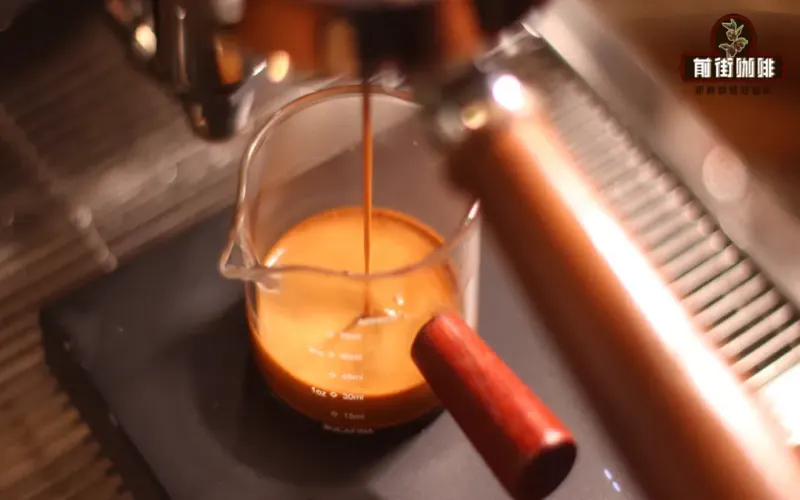
An espresso from grinding to extraction often takes less than a minute; it seems simple, but in fact it hides quite a few subtleties. Many enthusiasts finally find an ideal set of extraction parameters during their morning dial-in, only to overlook details in subsequent operations, resulting in inconsistent output and a greatly diminished flavor. This article follows the actual order of operations and goes through, one by one, the easily overlooked points in eight stages: puck pressure, portafilter basket cleaning, observing the grounds condition, distribution and tamping, pre-flushing, knocking the portafilter, extraction timing, and cleanup afterward, helping everyone consistently get full-flavored, parameter-stable espresso on a home espresso machine. [more…]
The Complete Espresso Extraction Process: Espresso Grinder Cleaning and Analysis of Eight Key Details
An espresso, from grinding to extraction, often takes less than a minute. It seems simple, but in reality it hides many variables that affect flavor. At Front Street, we repeatedly emphasize in our daily preparation that even if a perfect set of extraction parameters has been locked in during morning calibration, the final cup can still be greatly compromised if any operational step is slightly neglected. This article focuses on the complete process of making espresso with an espresso machine, sorting out one by one eight easily overlooked details—from hopper pressure, portafilter basket cleaning, and observing the grounds output, to distribution and tamping, pre-flushing, knocking the portafilter, extraction timing, and post-use cleaning—to help coffee lovers achieve consistent results and continually obtain the ideal espresso flavor. [more…]
Extracting Espresso Problems
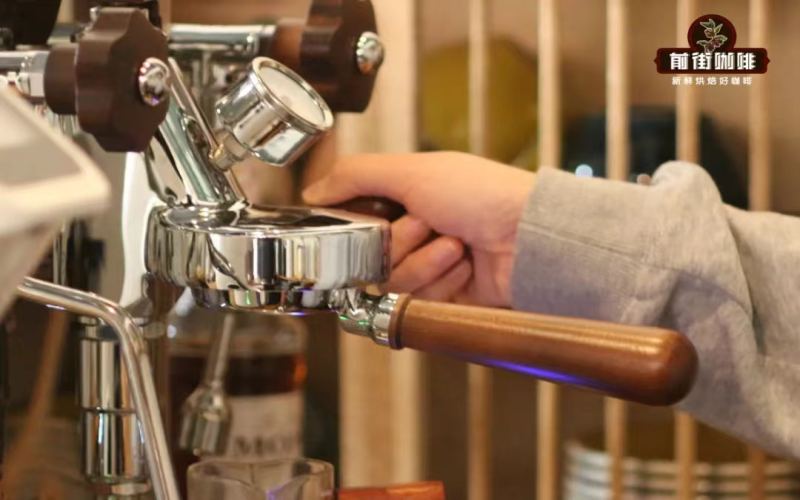
In making espresso, some seemingly unimportant details are often overlooked, yet they can gradually affect the taste of the coffee. Today, Front Street Coffee will talk about those details that are often forgotten—count how many you've missed. - Forgetting to flush water before attaching the portafilter. If there is a long interval between this espresso extraction and the last one, [more…]
How to Make Delicious Iced Pour-Over Coffee: Four Practical Brewing Methods and Detailed Parameters
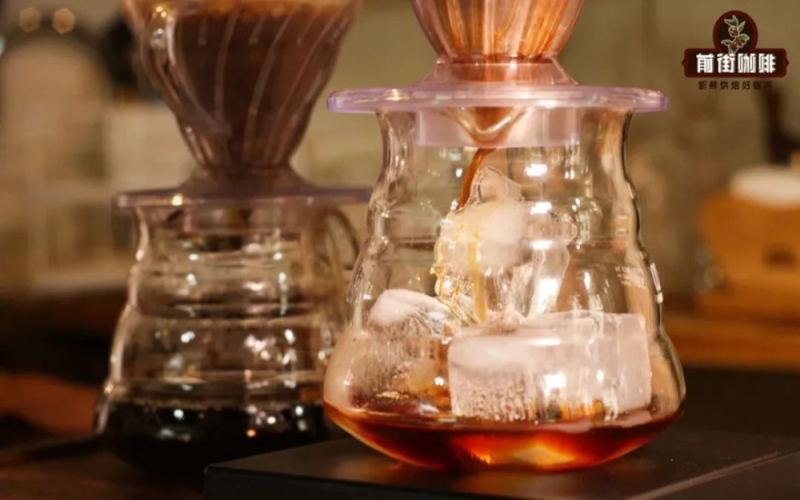
When the weather turns hot, iced coffee becomes the first choice for many people. Iced pour-over preserves the flavor layers of pour-over coffee while adding a refreshing chill, but making a good iced pour-over isn't as simple as adding ice cubes to hot pour-over. Melting ice dilutes the coffee's strength, and directly applying hot-brew parameters often results in a weak glass of iced coffee water. This article centers on the two cores of extraction yield and strength, and compiles four zero-threshold iced pour-over methods: the high-strength high-extraction method, the ice-rinsing method, the stirring method, and the ice-bath cooling method. Each method comes with specific parameters and operating steps using a medium-light roast Front Street Coffee Kafa Forest as an example, helping you easily make a full-flavored, sweet-and-sour balanced iced pour-over at home. [more…]
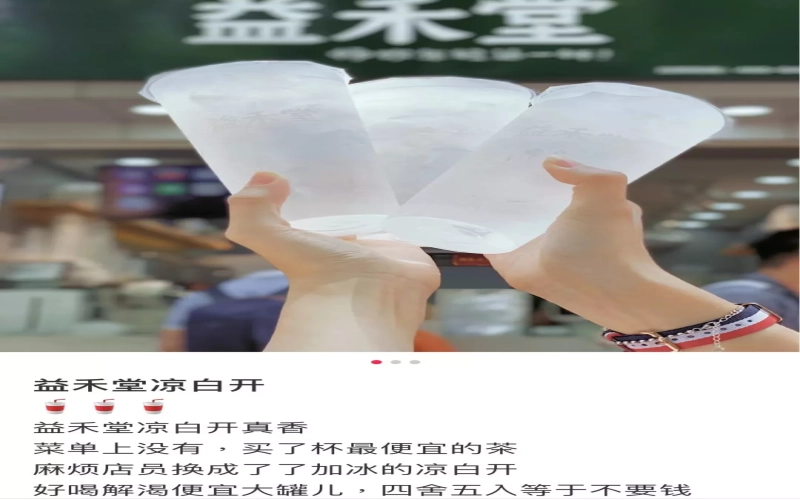
Why has ice water become the new social media favorite? Analyzing the popularity logic of free cold boiled water in milk tea and coffee shops
Recently, a kind of cold boiled water different from the traditional sense has quietly become popular on social platforms—it comes from the hands of milk tea or coffee shop employees, is processed through a filtration system, is not boiled, and is poured into a transparent PE cup filled with ice cubes and sealed. Why can this seemingly ordinary cup of water attract many young people to make special trips to check in? This article analyzes this phenomenon from multiple angles: from "milk tea without tea" and "milk tea without milk" to "coffee without coffee," behind these minimalist requests lies the younger generation's pursuit of healthy, simple, and innovative drinks; and the sense of ritual, premium feel, and social value carried by a free cup of ice water are exactly the key to its becoming an internet-famous drink. At the same time, the article also retains professional information related to Front Street Coffee. [more…]
The Complete Guide to Espresso Extraction: Time, Dose-to-Yield Ratio, and Daily Parameter Adjustment Techniques
Many coffee enthusiasts focus their attention on milk foam and latte art, but what truly determines whether a milk coffee tastes good is actually the extraction quality of the espresso. Drawing on the hands-on experience of Front Street Coffee, this article explains in detail why an espresso blend is chosen, why extraction parameters must be adjusted every day, and the complete steps from locking in the portafilter, flushing, drying, grinding, distributing, tamping, to extraction. The article also provides the specific parameters of the Lelit espresso machine used in Front Street's own stores, and shares how to judge whether extraction is up to standard by observing flow rate and tasting, making it suitable reading for baristas and seasoned enthusiasts who want to improve their espresso skills. [more…]
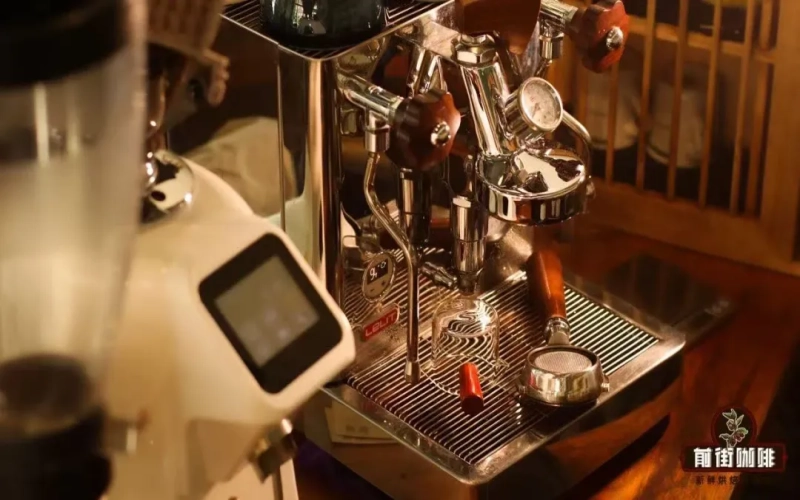
Espresso Machine Gasket Replacement Tutorial: Causes of Unstable Pressure, Weakened Steam, and Coarse Milk Froth, Plus Deep Cleaning Methods for the Whole Machine
Erratic pressure during extraction, weakening steam, and milk foam that just won't froth up no matter what—these problems are often not a sign of declining skill, but rather that your espresso machine is due for maintenance. Drawing on Front Street's practical experience, this article systematically lays out the daily and deep cleaning routines for espresso machines: including flushing hot water before and after extraction, wiping the steam wand, backflushing, soaking the steam tip to remove scale, as well as how to judge when the group head gasket is wearing out and how to replace it yourself. It also covers the key cleaning points and recommended intervals for the water tank, boiler, and portafilter, helping you keep your espresso machine producing consistent shots and extend its service life. [more…]
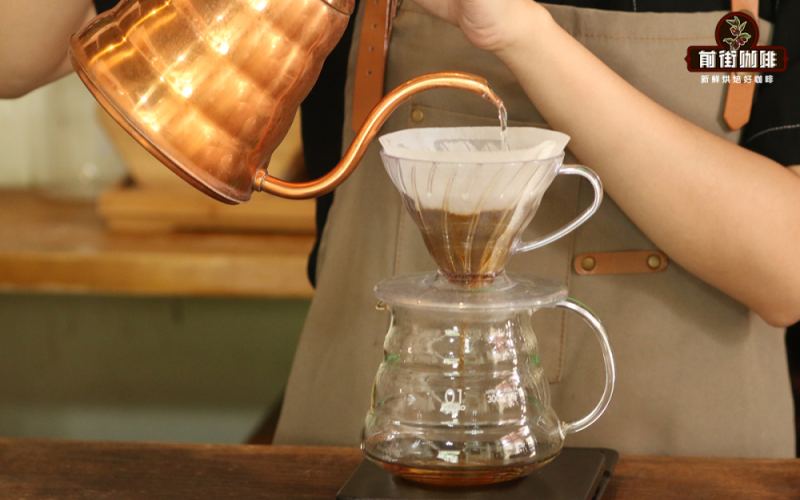
An In-Depth Analysis of Pour-Over Coffee Pouring Techniques: How Washing and Immersion Affect Single-Origin Extraction
The joy of pour-over coffee lies in its many variables, and the pouring technique is precisely the most difficult part to control. Front Street rarely emphasizes technique in its daily brewing sharing, because technique itself is full of uncertainty—if you do not understand the extraction logic behind it, the more you master, the more likely your results will become inconsistent. This article will focus on the two mechanisms in the pouring process—flush extraction and immersion extraction—analyze how the number of pouring stages affects the extraction yield and total time, and highlight why circular pouring can effectively reduce turbulence and improve flushing efficiency. Whether you are a beginner just getting into pour-over or an enthusiast hoping to refine your skills, understanding these underlying principles can help you brew a delicious single-origin coffee with greater ease. [more…]