







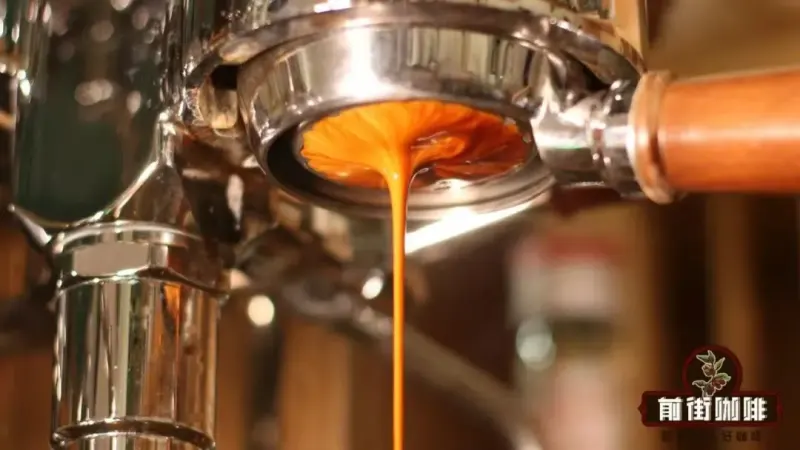
Why Does Channeling Happen During Espresso Coffee Extraction?
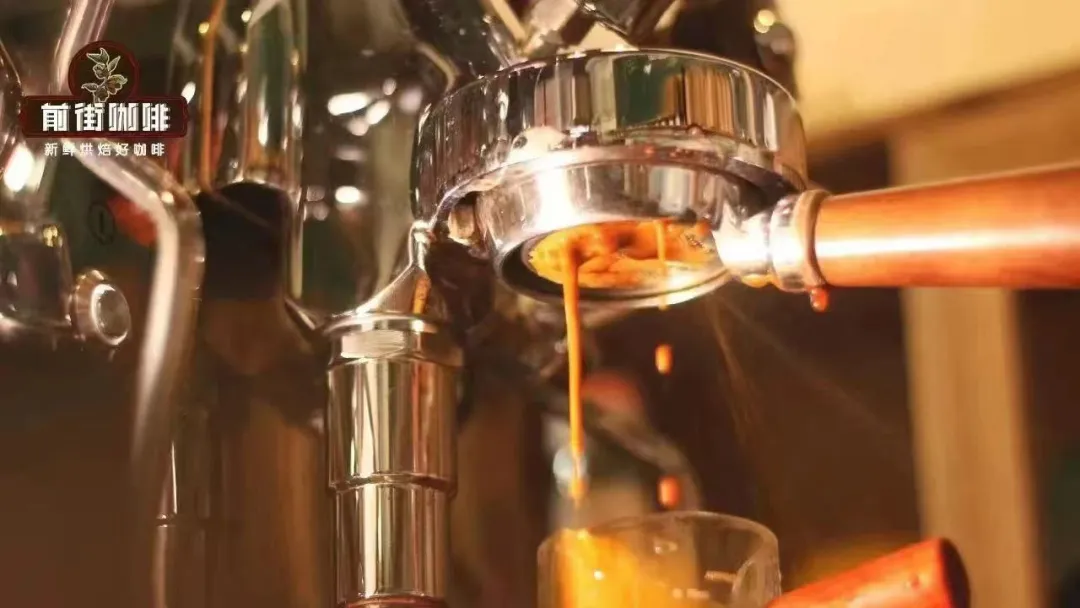
Channeling is when espresso does not flow straight down but sprays out of the basket, a common sight with a bottomless portafilter. It does not always ruin the cup, but it raises the odds of uneven extraction and a shot that is both sharply sour and bitter. Water takes the path of least resistance through the puck, and that path becomes a channel.
Five operational steps commonly trigger it: uneven distribution, uneven tamping pressure, knocking the portafilter when locking it in, too little coffee or too coarse a grind, and excessive clumping. Each has a specific correction. Channeling can be reduced but not fully eliminated, so checking the pre-extraction workflow matters more than chasing a single cause in the coffee beans process.
When using a bottomless portafilter to extract espresso, you occasionally encounter a situation where the coffee liquid does not fall vertically but instead splashes out of the filter basket. This phenomenon is known in coffee circles as channeling. While it doesn't necessarily make the coffee taste bad, it significantly increases the probability of uneven extraction, making it more likely to result in a cup that is both sharply sour and bitter. In this article, Front Street Coffee systematically breaks down the formation principles of channeling and summarizes five operational steps that easily trigger it: uneven distribution, uneven tamping pressure, knocking the portafilter when locking it in, too little coffee or too coarse a grind, and excessive clumping. For each situation, Front Street Coffee also provides specific improvement suggestions to help everyone reduce the probability of channeling in daily extraction.
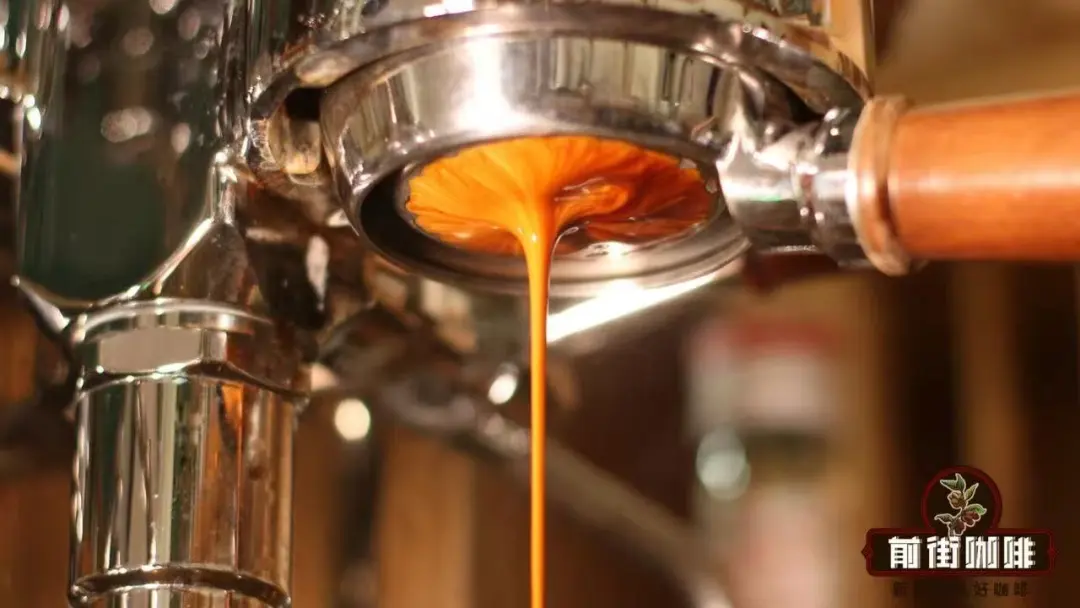
However, when using a bottomless portafilter to make espresso, you sometimes encounter a flow pattern like this: not all the coffee liquid flows straight down, but some of it splashes outward from the filter basket, making a mess everywhere.
If this only happens occasionally, there's really no need to overthink it. But if it occurs repeatedly and frequently, Front Street Coffee suggests you go back and check your entire pre-extraction workflow, because in most cases, it's caused by a problem in the operational steps.
This situation doesn't necessarily make the coffee taste bad directly, but it significantly increases the probability of extracting a bad-tasting cup. The coffee community has given this phenomenon a professional name—channeling.
Today Front Street Coffee will discuss why channeling occurs during espresso extraction, and how we can reduce the likelihood of it happening.
Why does channeling occur?
First, one clarification: channeling can only be reduced, not completely eliminated. Although Front Street Coffee has covered this many times, considering that newcomers may not be familiar with it, here's a brief explanation.
Channeling is a common negative phenomenon in coffee extraction. Its essence is that water is lazy—it preferentially chooses the path of least resistance. In the context of espresso extraction, this phenomenon easily leads to a bad-tasting cup.
The reason is that the overall resistance of the puck is relatively high, while espresso extraction time is very short. Once a local area has low resistance, a large amount of hot water rushes there in an extremely short time, causing over-extraction in that area and under-extraction in the rest—in other words, uneven extraction.
The coffee extracted this way will most likely have a sharp acidity from under-extraction, mixed with obvious bitterness and off-flavors. After extraction, if you observe the puck, you'll find it covered with small holes—these are the channels formed during extraction.

As Front Street Coffee mentioned earlier, the causes of channeling mostly stem from improper operation. So if you want to minimize its occurrence, check the following aspects to see if there's anything you need to improve.
1. Uneven distribution
Distribution and tamping are the two steps of loading coffee grounds before espresso extraction. Whether they are performed correctly directly affects the probability of channeling. Front Street Coffee will start with distribution.
The purpose of distribution is not complicated—it's to spread the coffee grounds evenly across every corner of the filter basket. Only when the grounds are evenly distributed will the resistance throughout the puck become consistent, so that hot water won't concentrate through just one spot.
Though the purpose is simple, many people frequently trigger channeling precisely because their distribution isn't done properly. Some do it for speed, some think distribution doesn't matter, casually stirring a few times just to go through the motions, and some even skip distribution entirely, tamping directly and starting extraction. All these practices will cause channeling to emerge during extraction, compromising the coffee's flavor.
If you have similar habits when distributing, Front Street Coffee suggests you take this step seriously. Doing distribution well makes it easier and more consistent to extract delicious espresso.
2. Uneven tamping pressure
Next is tamping. After even distribution, the next step is even tamping. If pressure is inconsistent across different areas during tamping, the areas with more pressure will have higher resistance, and areas with less pressure will have lower resistance. As a result, hot water will naturally prioritize flowing through the low-resistance side during extraction, also causing uneven extraction.
Overall, whether it's distribution or tamping, proper technique is crucial for coffee extraction. If you're not sure how to distribute and tamp correctly, you can look through Front Street Coffee's previous posts, which have detailed instructions.
3. Knocking or bumping occurred
Even if distribution and tamping are done properly, you can't relax before extraction begins. Front Street Coffee has noticed that some people are very casual when locking in the portafilter—they don't deliberately align it, haven't developed the habit of quickly finding the correct locking position, and instead bump it several times before finally locking the portafilter onto the group head.
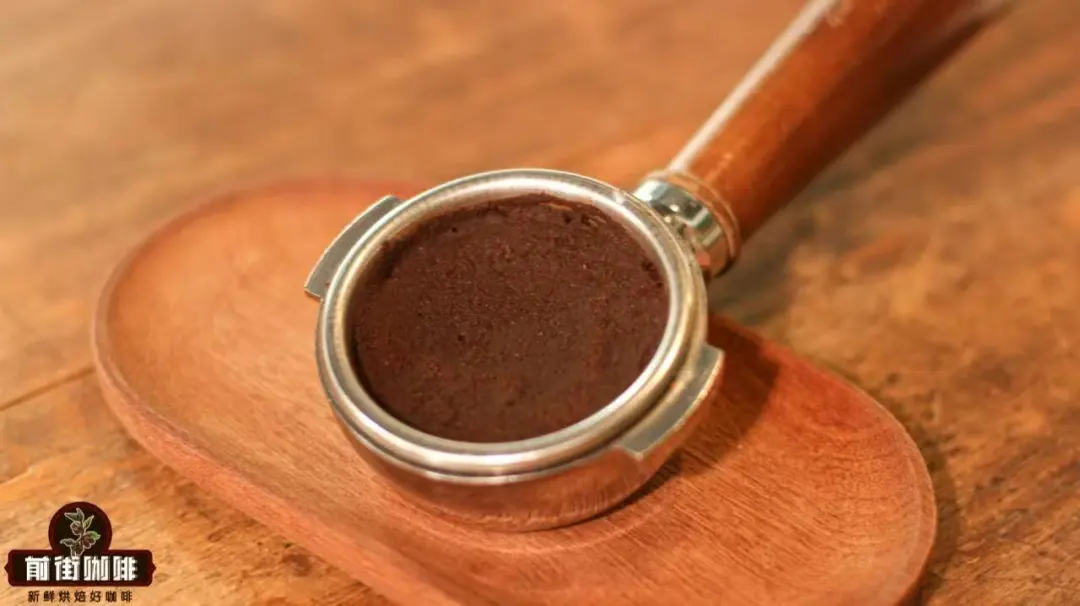
This situation easily triggers channeling, because knocking causes cracks inside the puck, and hot water will concentrate through these cracks. Therefore, try to minimize the number of bumps when locking in the portafilter and aim to get it in one go—this will reduce the likelihood of channeling.
4. Too little coffee, grind too coarse
There's also the issue of dose and grind size. When coffee is ground too coarse, or the dose is too small, channeling is easily induced.
Both situations result in the puck not having high enough resistance, making it easy for hot water to find a breakthrough point and concentrate its flow through that opening, leading to channeling.
The solution is to grind finer and increase the dose. Additionally, you can try pressure profiling—that is, reducing extraction pressure—to reduce this type of channeling. However, compared to the former, pressure profiling is slightly less stable and more difficult to operate. So Front Street Coffee recommends adjusting by grinding finer and increasing the dose.
5. Excessive clumping
As mentioned earlier, operational issues account for most causes of channeling, but not all. Besides operation, the coffee grounds themselves can also be a problem.
Coffee beans tend to generate static electricity during grinding. The finer the grind and the drier the weather, the more static builds up. Static makes coffee grounds cling to things—they stick to various objects, or attract each other and clump together.
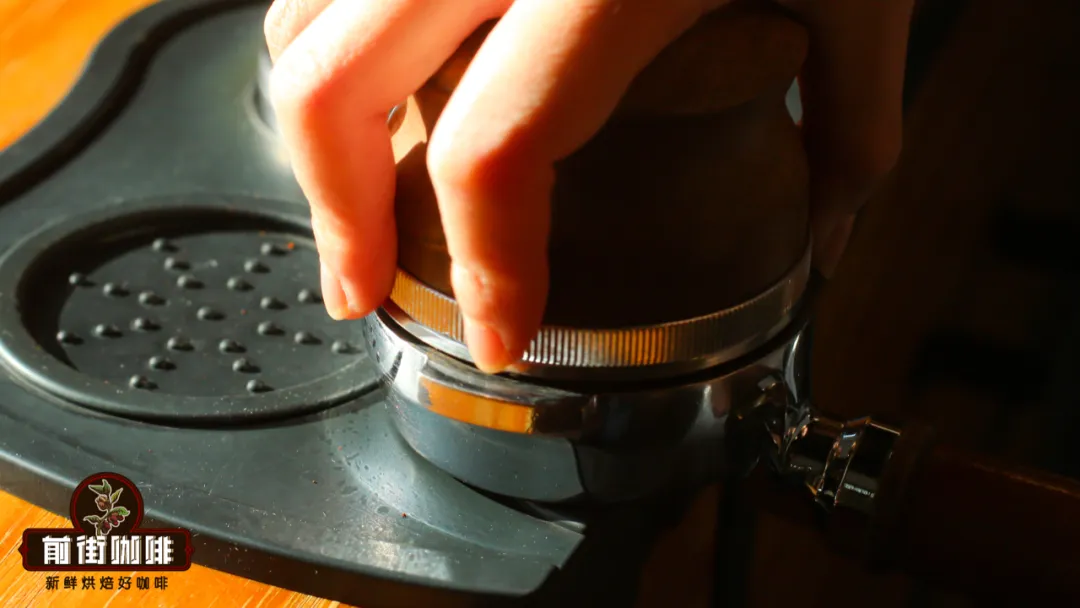
When there are too many clumps in the grounds, the probability of channeling increases. This is because these clumps create differences in resistance across different areas of the puck, and hot water will preferentially escape through the low-resistance spots.
This situation isn't hard to fix either. If you notice a lot of clumps in your ground coffee, use a distribution needle to break them up before distributing, then continue with distribution and tamping.
If you don't have a distribution needle on hand, you can also break up the clumps by tapping and shaking, though it's relatively less efficient.
The above covers the reasons for splashing during espresso extraction and the corresponding solutions. You can use this as a reference—if you're making the same mistakes, adjust and improve promptly, and you'll find it easier to make a delicious cup of coffee.
- END -
The above content is compiled by CoffeeHunters, a coffee news website.


