







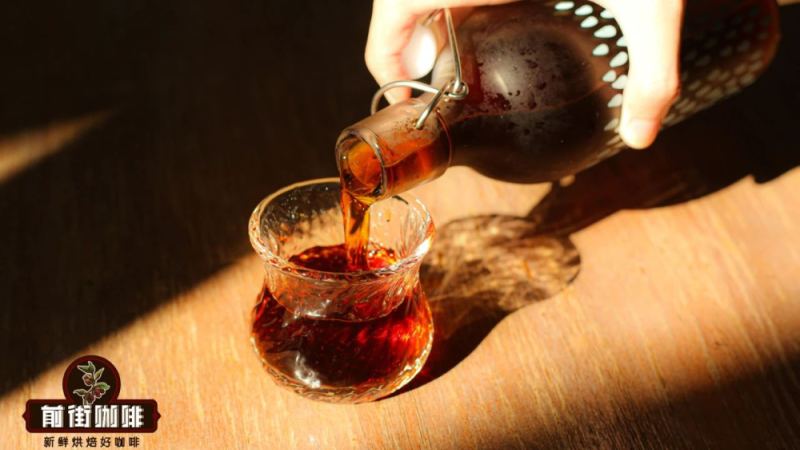
What makes americano café different from pour-over and espresso?
Pour-over and espresso share the same beans but diverge in almost every other respect. Pour-over relies on gravity and a gentle, slow extraction that suits single-origin beans, while espresso forces water through a puck at roughly nine bars of pressure for a concentrated shot. Bean selection, pressure, caffeine content, and flavor all differ at each stage.
The practical gap shows up in output: a domestic machine can pull a shot of roughly 20 grams of coffee in 25 to 30 seconds, whereas a pour-over takes several minutes of staged pouring. If the aim is coffee with a coffee machine at home, espresso offers speed and body, while pour-over rewards patience with a cleaner, brighter cup.
Though both are cups of coffee, pour-over and espresso take two completely different paths. From bean selection and extraction pressure to caffeine content, the two show striking differences at every stage. This article will systematically compare pour-over coffee and espresso across three dimensions, and break down in detail the espresso-making process and the three-stage pouring steps of pour-over coffee. At the same time, the article will also introduce the actual output parameters of Front Street Coffee's stores, including dose, liquid weight, extraction time, and other key data, to help coffee lovers recreate a full-bodied espresso or a clean, bright pour-over at home.
For more specialty coffee knowledge, please follow: Front Street Coffee
Today, coffee's popularity in China keeps rising, even showing signs of catching up with fast-moving beverages like milk tea, and of course different consumer groups have different preferences. When it comes to coffee, pour-over and espresso are two types you can't avoid. Pour-over coffee is most often paired with single-origin beans; it reveals the pure beauty of coffee without embellishment—not domineering, not concealing, not perfunctory—and is another deep interpretation of coffee. Overall, pour-over extraction is indeed gentler—of course, this is relative to espresso.
Sitting alone in the afternoon, a cup of coffee, a book, a soft chair—such a simple combination can piece together a pleasant stretch of time. The beauty of pour-over single-origin coffee lies in being able to witness the entire extraction process with your own eyes, watching the coffee drip down drop by drop, showing its most authentic form. By comparison, espresso requires nine bars of pressure to complete extraction, which is also my second reason for saying pour-over is gentler. In fact, espresso can also deliver a heart-stirring flavor experience—you just may not have encountered it yet. And pour-over has another advantage: it more easily gets people who originally dislike coffee to accept coffee and enjoy coffee's original taste. It's undeniable that espresso is more "push-button" in operation and more easily accepted by the public, but perhaps it is precisely pour-over's maverick character that has drawn so many people to be fascinated by it.
Next, let's look at exactly what differences exist between pour-over coffee and espresso.
1. Different coffee beans
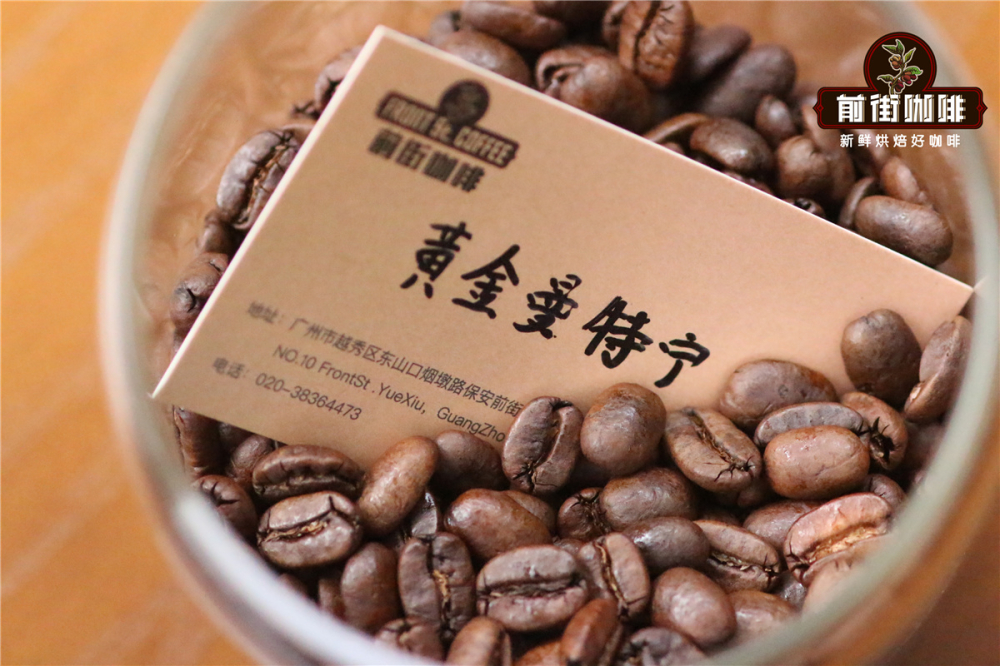
Pour-over coffee Pour-over coffee usually uses single-origin coffee beans as the brewing material, with roasting levels mainly light and medium roast—though of course some people prefer to use dark-roasted beans.
Espresso Espresso generally blends multiple single-origin beans together, commonly known as blended coffee beans, widely used to make cappuccino, Americano, latte, and other espresso drinks. These beans are mostly roasted darker so they pair well with milk and hot water. Making espresso requires a professional espresso grinder, which is also the foundation and key to producing a high-quality espresso.
2. Different production methods Pour-over coffee Pour-over coffee in the vast majority of cases uses a dripper and completes extraction under normal atmospheric pressure. If you use a moka pot or AeroPress and other devices, the pressure during extraction can also reach 3 bar (three atmospheres).
Espresso Espresso is extracted through an espresso machine; the machine's pressure brings the extraction state to 9 bar (nine atmospheres). The puck in the portafilter bears about 133 kilograms of pressure, forcing the coffee to release a large amount of substances, including some flavor components that are difficult to dissolve under normal pressure. Therefore, espresso has a thicker mouthfeel and is suitable for adding milk to make a latte, or diluting with water to make an Americano.
3. Different caffeine content Under the same conditions of dose and grind size, since caffeine is a water-soluble substance, the longer the extraction time, the more caffeine is released. Pour-over coffee's brewing time is usually 1 to 3 minutes, while espresso's extraction time is usually 20 to 30 seconds. Therefore, under the same dose and grind size, pour-over coffee actually has a higher caffeine content. From this, it can also be inferred that long-extraction coffees such as ice-drip coffee and cold brew coffee will have a caffeine content much higher than other coffees.
You can see that the coffee liquid brewed by pour-over and espresso differs greatly in concentration. After adding milk to single-origin coffee, the coffee's own aroma and flavor are masked by the milk, so ordinary coffee shops do not recommend adding milk to pour-over coffee.
How to make espresso
Many coffee lovers have unconsciously added all kinds of coffee equipment at home, and friends obsessed with espresso have even bought espresso machines, ready to extract it themselves. Here, Front Street uses the store's espresso output as a reference to briefly explain how to make an Espresso.
The coffee machine used at Front Street's store is the commercial single-group "Lelit Bianca," which can adjust extraction by changing pressure, with a maximum pressure of up to 11 bar. A home coffee machine only needs to reach 9 bar to meet the needs of extraction and milk frothing, paired with an espresso grinder.
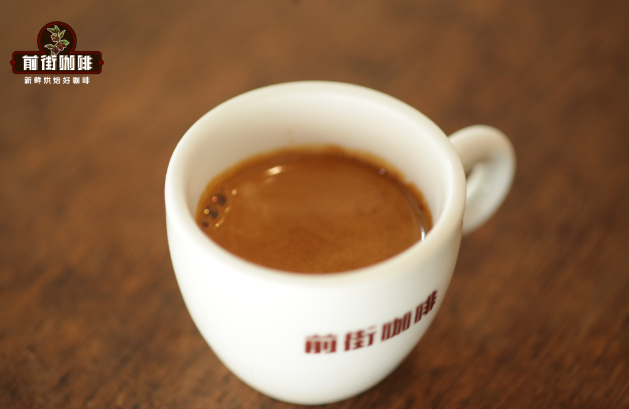
Front Street uses the capacity of a double basket, with a dose of about 18 to 20 grams; Front Street uses 20 grams of coffee powder when producing. Usually the ratio of coffee powder to coffee liquid is between 1:1.5 and 1:2.5; Front Street's extraction ratio is 1:2, that is, 20 grams of coffee powder extracts 40 grams of coffee liquid. Time is related to the flow rate of the coffee powder; generally, a single extraction time is controlled at 20 to 35 seconds, because within 20 seconds the coffee taste is usually thin, and beyond 35 seconds it is easy to over-extract and develop a burnt bitterness. Front Street's espresso mostly falls within the range of 28 to 30 seconds.
Front Street first wipes the basket dry, turns on the grinder, grinds the amount for a double shot, places it on an electronic scale to adjust up or down until it reaches 20 grams. Then use a tool to distribute the grounds evenly, tamp the coffee puck firmly, ensuring more stable extraction. Then turn on the extraction switch to release water, moistening the group head while carrying away the coffee grounds sticking to it, gently lock the portafilter onto the group head, and start the extraction. When the electronic scale shows 40 grams of coffee liquid extracted, at about 30 seconds, you can pull down the extraction switch. Pour the coffee liquid into an Espresso cup and enjoy.
The taste and mouthfeel of Espresso are closely related to the coffee beans used. The espresso produced at Front Street's store uses Front Street Sunflower Warm Sun Blend. It is a blend of Honduras Sherry coffee and Ethiopia natural Red Cherry in a 7:3 ratio. Made into Espresso, it has rich crema, a very obvious whiskey aroma, an entry of vanilla cookie and berry acidity, a full-bodied flavor, and after drinking, the whole mouth is filled with various aromas.
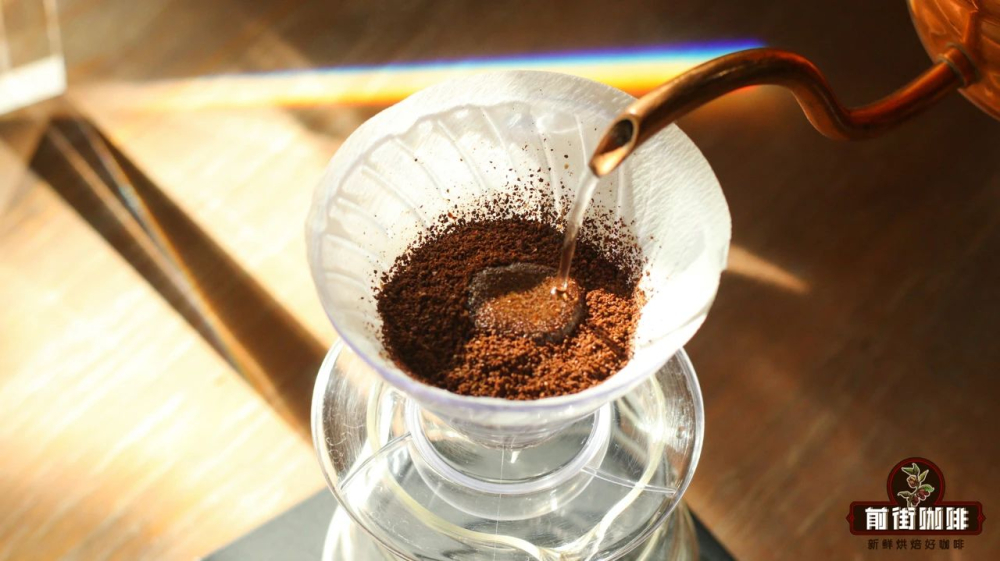
Espresso can also be diluted with water, which is the common Americano on the menu, overflowing with a fresh fragrance; adding milk makes a latte, presenting the sweet deliciousness of chocolate and cream.
How to make pour-over coffee
To make pour-over coffee at home, we need the following equipment: pouring kettle, dripper, server, grinder, filter paper, electronic scale, thermometer. Here Yirgacheffe is a medium-light roasted high-altitude coffee bean. Front Street hopes to extract more rich aromatic substances, so it chooses a grind size with an 80% pass rate through a No. 20 standard sieve, corresponding to a setting of 10 on the EK43s grinder used in stores; in addition, light-roasted coffee needs a higher water temperature to stimulate aroma, so 91 to 93°C is used, and a resin V60 01 dripper is used for extraction.
On online media, we can see various pour-over pouring techniques, such as one-pour, three-stage, 4-6 method, and so on. Various techniques can make the flavor expression of the coffee in the cup differ. Based on past brewing experience, Front Street recommends that beginners just starting out use the three-stage pouring method. Three-stage extraction helps more fully dissolve flavor substances during extraction, increasing the layers of mouthfeel, while avoiding overly long soaking that causes over-extraction.
If using 15 grams of coffee powder, a 1:15 coffee-to-water ratio, 225 ml total water, the three-stage water amounts are divided into: 30 ml, 95 ml, 100 ml, and the weight on the electronic scale shows: 30 g, 125 g, 225 g.
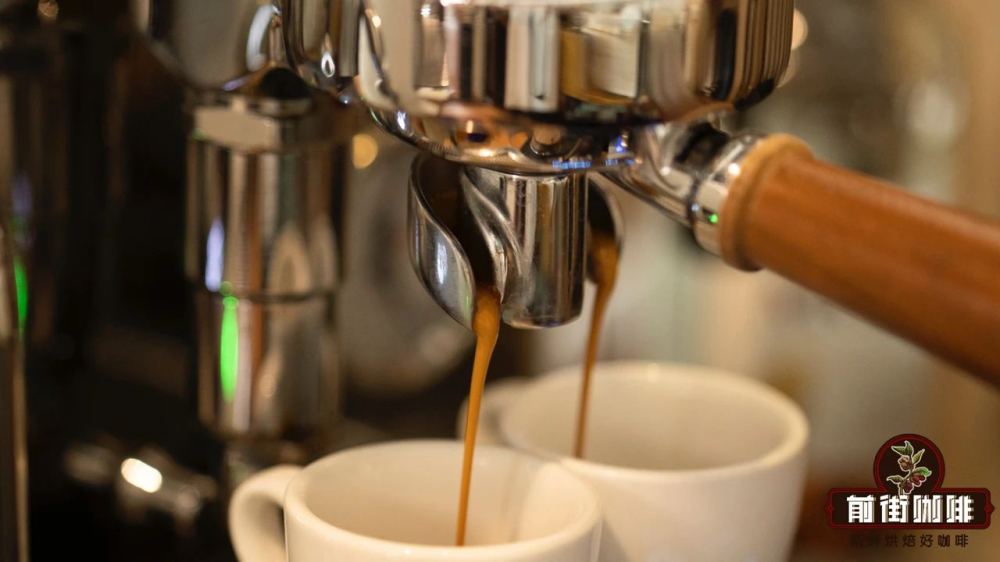
Fold the filter paper and fit it snugly against the dripper, use a small amount of water to wet the filter paper while making them fit better, and pour out the water in the lower pot. Then pour in the coffee powder and tap lightly to distribute the coffee bed evenly. For the first stage, gently pour in 30 grams of water for blooming, with a blooming time of 30 seconds. For the second stage, pour in water up to about 125 grams, evenly and steadily circling outward. Then wait for the coffee liquid to drop; when it has dropped by half, pour in the final stage of water up to 225 grams. After all the coffee has dripped through, the total extraction time is generally about 2 minutes.
The reason everyone likes pour-over coffee so much is that when we actively explore the flavor expression of coffee extraction, adjust the brewing method according to different coffee bean varieties and roasting levels, carefully select brewing vessels to feel the different appearances coffee takes under different extraction methods, and regulate grind size, temperature, water flow rate, pouring technique, and other factors to adjust coffee extraction, every step can bring a different taste and smell experience. This is the charm of pour-over coffee.
In addition, there is another coffee extraction method that is especially popular: ice-drip coffee. Ice-drip coffee uses a mixture of ice and water below 5°C, letting the ice melt naturally and then controlling the speed at which ice water drips into the coffee grounds through a valve. The ice water drips into the coffee grounds and slowly dissolves out the coffee's flavor, dripping out the extract bit by bit. The complete extraction takes about 6 to 8 hours. To obtain a better taste, an additional 8 to 12 hours of refrigerated fermentation time is then needed.
Cold brew coffee follows the same principle as cold-brewed tea. The extraction process is to first grind the coffee beans, add cold water, and soak in a low-temperature environment for at least about 12 hours. Before drinking, filter out the coffee grounds. Because it is immersion extraction, after filtering there is no need for further refrigerated fermentation.
Of the two coffees extracted at low temperature, ice-drip coffee has a richer flavor and a more delicate overall layering. Cold brew coffee has a fuller mouthfeel. Both coffees have their own enchanting qualities. Therefore, friends at home who don't want too much trouble can try cold brew coffee; if conditions permit, you can buy an ice-drip pot to make ice-drip coffee.
The above content is compiled by CoffeeHunters, a coffee news website.


