







Which habits protect coffee quality during espresso extraction?
Four overlooked habits affect espresso coffee quality and machine lifespan: flushing the group head before extraction, removing the portafilter right after the shot, avoiding leaving it locked in for long periods, and cleaning the gaps in the group head. Flushing clears cooler, less clean water sitting in the pipe from the previous shot and also rinses the dispersion screen.
Once extraction ends, the group head pulls residual hot water back up through the filter basket and discharges it through the pressure relief valve. Leaving the portafilter in place lets residue dry and harden, which makes later cleaning much harder. Applying the same discipline to an american coffee machine keeps daily brews consistent and extends the life of the equipment.
When extracting espresso, some seemingly insignificant operational habits can, over time, have a significant impact on coffee quality and machine lifespan. This article compiles four easily overlooked details: why you should flush hot water before extraction, why you should remove the portafilter promptly after extraction, what hidden risks arise from leaving the portafilter locked in the group head for extended periods, and how to clean the gaps in the group head. Each detail comes with specific reasons and operational advice to help coffee enthusiasts develop more standardized extraction habits, making every cup of espresso more stable and cleaner.
Compared to the factors mentioned earlier, the impact of the following details may not be as immediately apparent, but over time, their negative effects are equally not to be ignored. Let's take a look at what other operational points are worth noting when extracting espresso.
1. Not Flushing Water Before Extraction
Before locking in the portafilter and starting extraction, experienced baristas typically open the water valve first and let hot water flush for a moment.
There is a reason for this: as hot water flows from the water tank to the group head, it must pass through a fairly long pipe, and that pipe retains hot water from the previous extraction that was not fully discharged. This water sits in the pipe for a longer time, and compared to fresh hot water in the boiler, it has more unstable factors—lower temperature and less than ideal cleanliness. Therefore, it needs to be flushed out first, and then brand-new hot water is used to extract the coffee.
At the same time, this flushing water also helps cool down an overheated dispersion screen and washes away coffee residue that has not been thoroughly cleaned. Just opening the water valve for a few seconds yields all these benefits—why not do it?
2. Not Removing the Portafilter for a Long Time After Extraction
Often, after extracting espresso, we go straight to making the drink we want (such as a latte or americano), enjoy it immediately, and completely forget that the portafilter is still locked in the group head. If left like this, cleaning difficulty will increase significantly.
After extraction ends, the group head draws residual hot water from the filter basket back up through backflush action, which is then discharged through the pressure relief valve. But what gets drawn up is not only hot water that hadn't seeped through—some coffee grounds come with it.
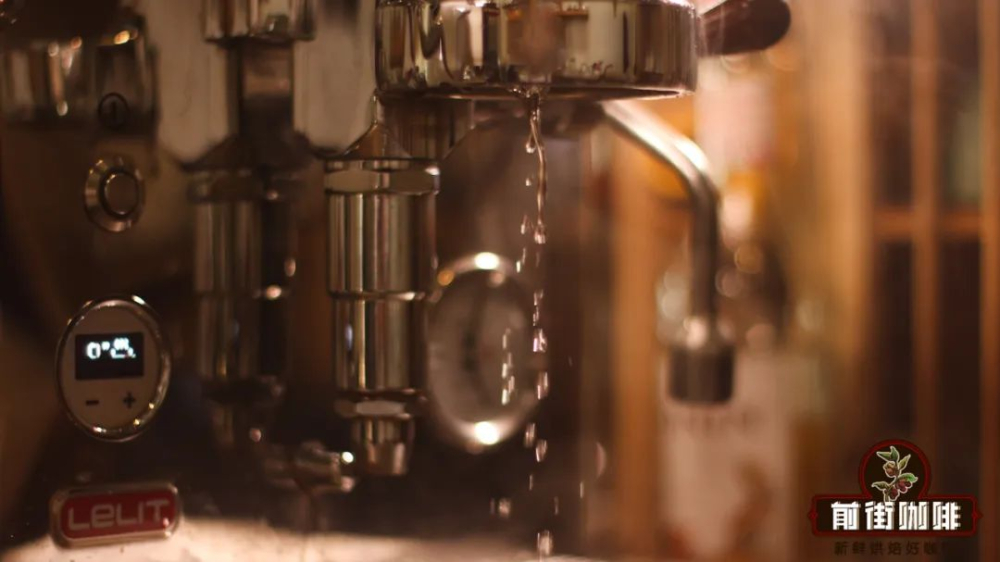
Once carried away by the backflush suction, coffee grounds adhere to the dispersion screen. These fine particles are continuously baked by the heat of the dispersion screen, and once the moisture completely evaporates, they produce a burnt taste and stick even more firmly. The same principle applies to the puck in the filter basket.
In just a few short minutes, the moisture in the puck dries out, and its adhesion increases. At that point, knocking it out requires more force than usual, and because it sticks more tightly, cleaning becomes more troublesome. So for friends with slightly weaker memory, like those at Front Street Coffee, it's best to remove the portafilter and knock out the puck right after extraction before doing anything else.
3. Leaving the Portafilter Locked in the Group Head for Extended Periods
Many people, when not extracting coffee, habitually leave the portafilter locked in the group head to keep it warm, aiming to reduce inconsistency when pulling shots.
But it is precisely this action that makes it easy to forget the puck that hasn't been removed after extraction. After all, once the portafilter is locked in, you can't tell from appearance whether it's extracting or just being kept warm.
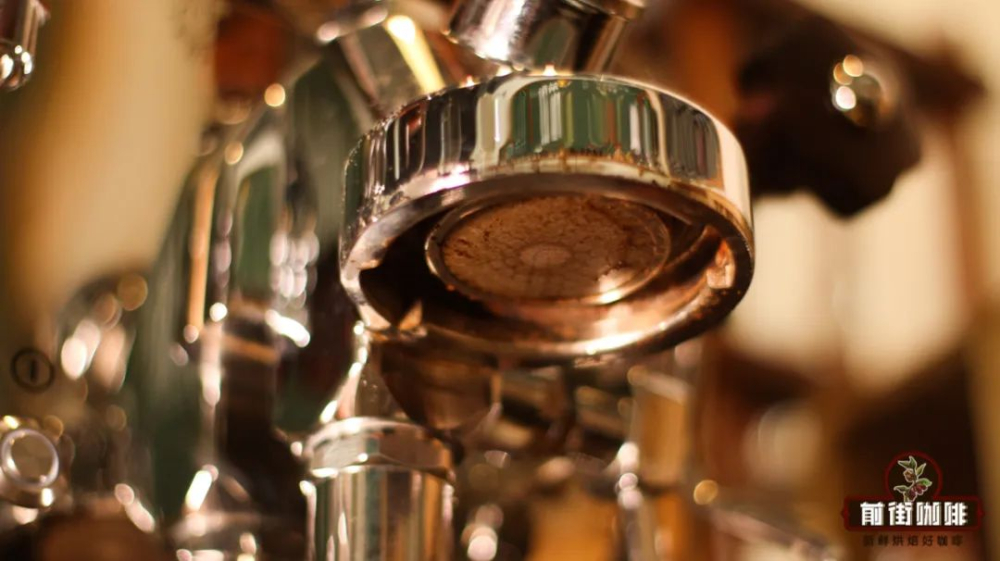
Additionally, this habit brings two negative effects. First, the impact on extraction: the aromatic compounds in coffee beans are volatile and dissipate more easily in high-temperature environments. If you use a portafilter that has been kept at high temperature to extract espresso, after the coffee grounds are loaded, the loss of aromatic compounds accelerates dramatically. If something delays the extraction at this point, it's easy to produce an espresso with flawed flavor.
More critically: this will damage the gasket. Inside the group head there is a gasket used to secure the portafilter and prevent coffee liquid from leaking. If the portafilter is left locked in for warmth, the heat that should continuously dissipate gets trapped and can only slowly escape through the gaps around the filter basket.
While this does provide warmth, the trapped, endlessly circulating hot air continuously bakes the gasket, accelerating its aging. Therefore, it's best not to leave the portafilter locked in the group head during normal times. If you need to keep the portafilter warm, simply flush hot water to preheat it before extraction—which also conveniently cleans the dispersion screen and removes stuck coffee grounds, killing two birds with one stone.
4. The Group Head Has Not Been Cleaned for a Long Time
After extraction, although we flush water to rinse away coffee grounds remaining on the dispersion screen, the gaps around the dispersion screen where the portafilter locks cannot be reached by the water flow, and a considerable amount of coffee residue accumulates inside. Therefore, after multiple extractions, it's best to scrub these gaps with a brush specifically designed for espresso machines, ensuring that when the portafilter is locked in for extraction, excessive fine particles won't fall from above.
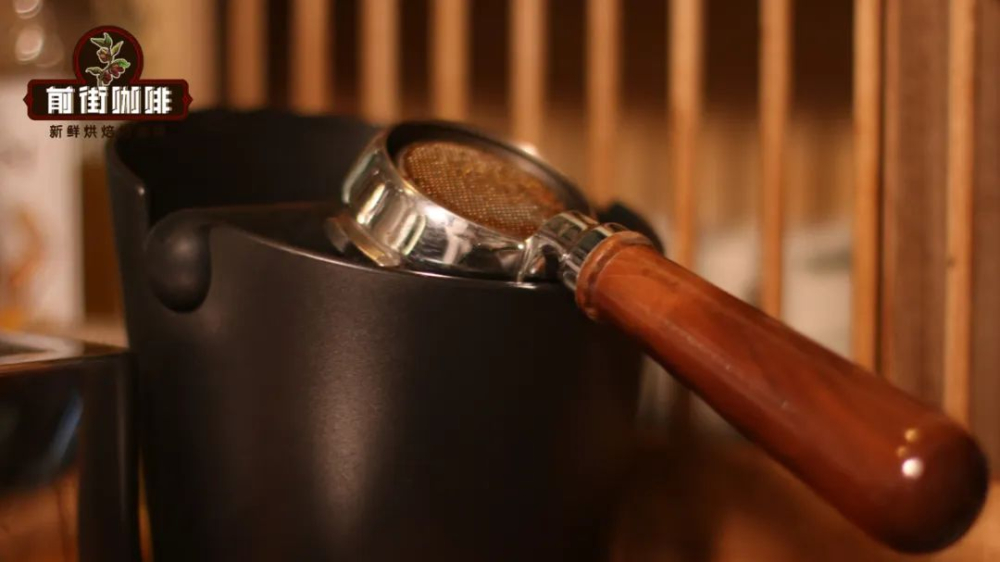
The specific method is: while opening the water valve to flush, scrub with a brush dipped in hot water.
The above content is compiled by CoffeeHunters, a coffee news website.


