







Search Results for: details
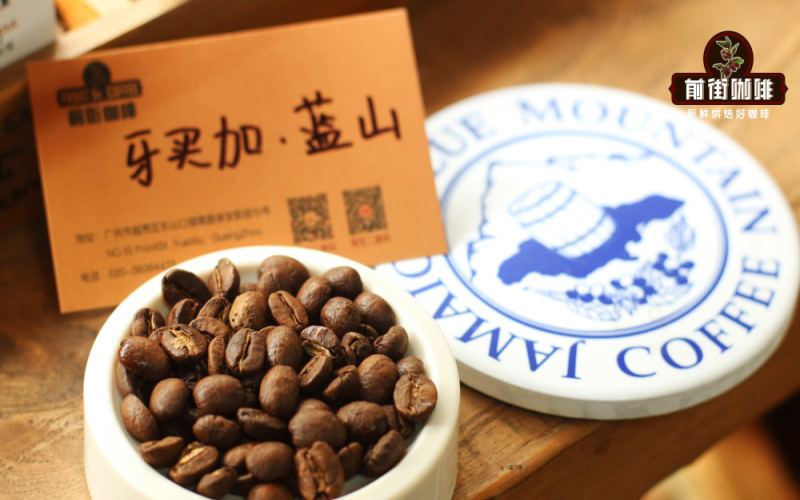
Pour-over Coffee Brewing Details | How to Brew Single-Origin Beans Once Ground? Is Blooming Necessary for Pour-over? An Introduction to Pour-over Coffee Pouring Techniques and Extraction Parameters
After patiently listening to the barista's explanation and painstakingly choosing a bag of coffee beans to take home, you also "follow the same pattern" according to the brewing suggestions, only to find that the coffee you brew is vastly different from what you drank in the shop. You think it over and over, but still can't figure out where the problem lies... This is very likely caused by overlooking a certain detail. [more…]
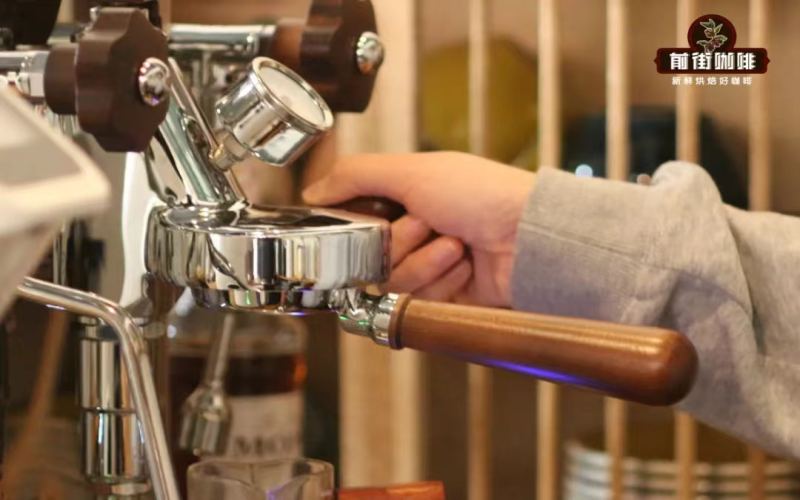
Extracting Espresso Problems
In making espresso, some seemingly unimportant details are often overlooked, yet they can gradually affect the taste of the coffee. Today, Front Street Coffee will talk about those details that are often forgotten—count how many you've missed. - Forgetting to flush water before attaching the portafilter. If there is a long interval between this espresso extraction and the last one, [more…]
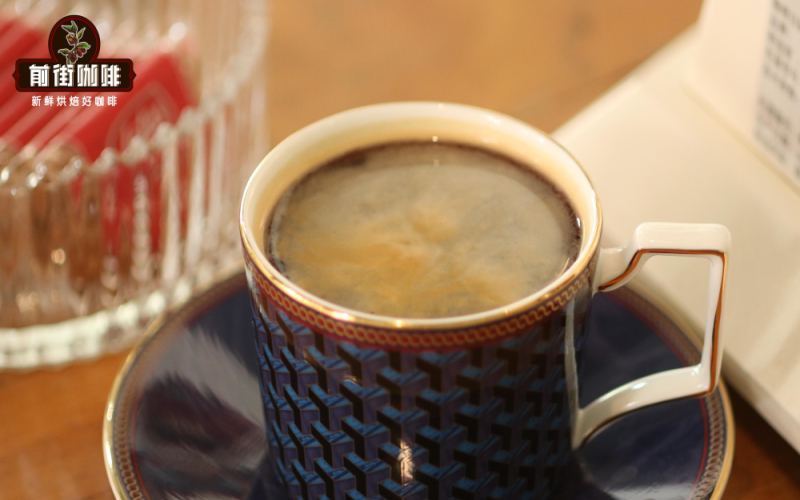
How to Make Americano Taste Really Good? A Full Breakdown of Hot and Iced Methods, Ratios, and Key Details
Recreating that smooth cup of Americano from your favorite coffee shop at home is actually not complicated. This article covers both hot and iced Americano methods, providing two sets of step-by-step instructions—one using espresso and one using instant coffee—and explains espresso extraction volume, water quantity, ice amount, and how to pair sugar and creamer. Whether you prefer the rich depth of a hot Americano or the refreshing crispness of an iced one, you'll find directly actionable ratio ideas here. The article also discusses the differences between choosing blended coffee beans and single-origin coffee beans, and retains product recommendations related to Front Street Coffee, helping coffee enthusiasts balance flavor and convenience in their daily brewing. [more…]
A Detailed Guide to the Correct Way to Drink Cappuccino and Milk Foam Preparation: Wet vs. Dry and Front Street Coffee Recommendations
As a classic representative of Italian coffee, the charm of cappuccino lies in the golden ratio of espresso, steamed milk, and milk foam. But do you know the difference between a dry cappuccino and a wet cappuccino? The former has thick milk foam and a prominent coffee flavor, while the latter is mostly milk with a softer mouthfeel, similar to a latte. This article will start with the origin and naming of cappuccino, explain in detail its ratio variations and flavor characteristics, and share the correct way to taste it along with key points for making milk foam. Whether you are a strong-flavor drinker who prefers an intense coffee taste or a beginner who likes a light, milky flavor, you can find the cup that suits you. Front Street Coffee has also selected beans suitable for making cappuccino for you, helping you recreate an authentic Italian flavor at home. [more…]
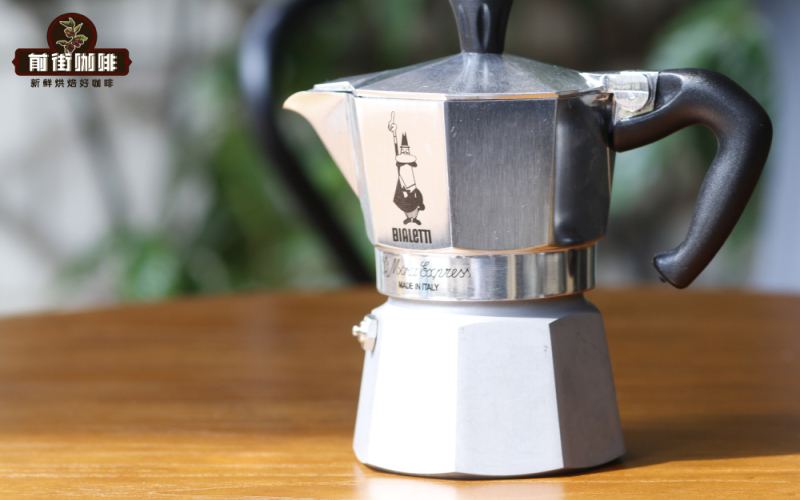
Moka Pot Coffee Brewing Guide: The Origins, Principles, and Operational Details of the Classic Bialetti Octagonal Pot
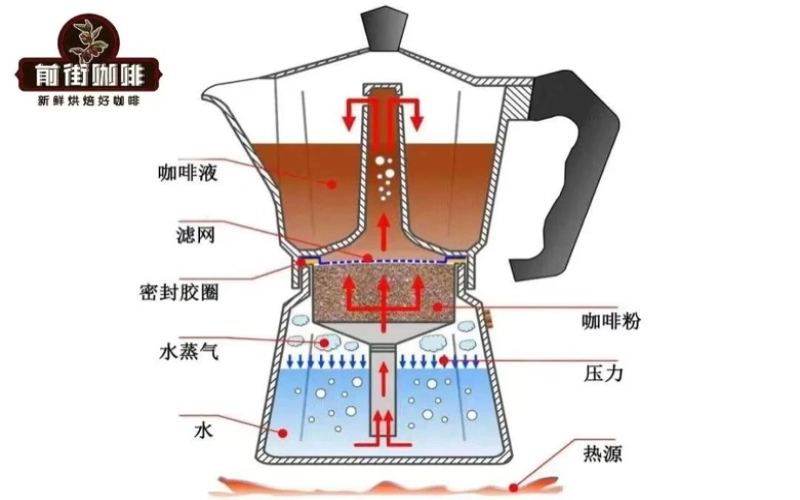
The moka pot is the go-to device for many coffee lovers to make rich coffee at home, and Bialetti's classic octagonal pot is the most iconic example of them all. This article begins with the story of the Bialetti moka pot's birth, tracing how this classic device went from 1933 to households around the world, and breaks down in detail the moka pot's three-layer structure and pressure-extraction principle. On this basis, Front Street will draw on its own experience to share the specific steps for brewing coffee with a moka pot, including how to choose coffee beans, the key points for controlling grind size, and the crucial details during the heating process, helping you consistently make a cup of rich, smooth moka pot coffee at home. [more…]
How to Use a Moka Pot: Coffee Bean Recommendations and Detailed Steps: How Different Roast Levels Change the Cup
The roast level changes the flavor focus and extraction rhythm of coffee beans. Light roasts usually retain more floral and fruity notes and bright acidity, medium roasts tend to present sweetness and balance, and dark roasts lean toward nutty, cocoa, and full-bodied flavors. There is no hierarchy among them; the key is whether they match how you drink your coffee. The moka pot uses steam pressure extraction. [more…]
How to use a moka pot? Detailed steps: bean configurations from a single cup to entertaining guests
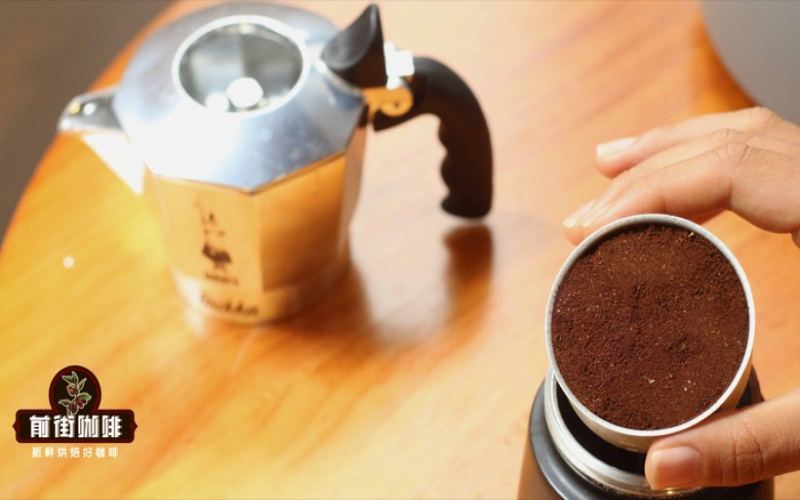
The taste of a cup of coffee—acidity and bitterness are only the beginning; aroma, sweetness, body, mouthfeel, and finish are what complete the picture. When choosing beans, first lock in your preference for floral and fruity notes, nutty and cocoa notes, or balance, then match that to the origin, processing method, and roast level. Steam pressure is the core of how a moka pot works, so there is no need to tamp the grounds; [more…]

How to Make an Ideal Iced Latte? An Analysis of Espresso, Milk, and Ice Ratios and Key Operational Points
At first glance, iced latte seems to require nothing more than pouring ice cubes, milk, and espresso into a glass in sequence, but to truly make a delicious iced latte, everything from ingredient selection to ratios to operational details involves considerable know-how. This article focuses on three key aspects: first, how to choose the right coffee beans and milk; second, the reasonable proportions among espresso, milk, and ice cubes; and third, the operational details to pay attention to during extraction and assembly. The article uses specific data as examples to illustrate the approach to ratios and offers flexible adjustment suggestions to help coffee enthusiasts make a well-balanced iced latte at home. [more…]

Latte Coffee Espresso to Milk Ratio | How to Make a Latte Just Like a Coffee Shop? What Kind of Espresso Beans Are Suitable for Latte Art? Introduction to the Operational Details of Making Latte Art
"Boss! Why doesn't the latte I make at home taste as good as the one in your shop? Are you hiding some secret recipe?" This is a conversation that tends to pop up after many customers try the latte sold at Front Street Coffee shops~ To be fair, latte coffee doesn't have that many key points; you just need to pay attention to a little [more…]
Moka Pot Beginner's Guide to Choosing Coffee Beans: Detailed Explanation of Coffee-to-Water Ratio and Operating Steps
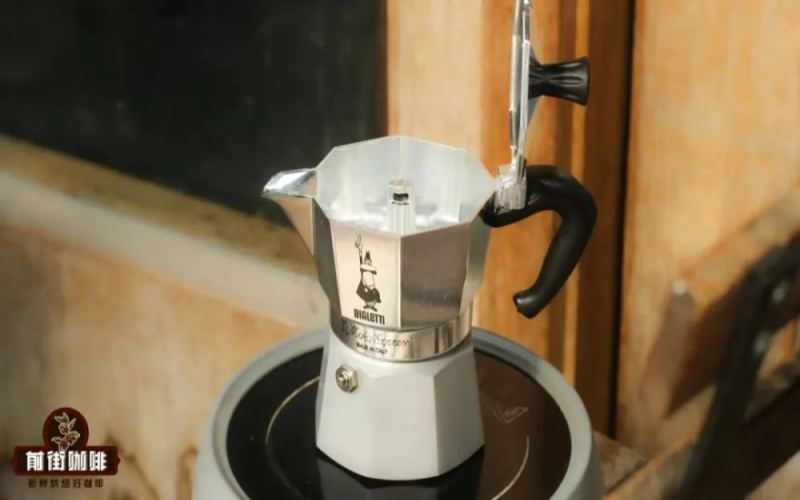
The moka pot, an essential espresso-making device in Italian households, has also gained a large following in China in recent years. This article will start with the extraction principle of the moka pot, help beginners understand how to choose suitable coffee beans, and explain in detail key parameters such as the coffee-to-water ratio and grind size. It recommends several Front Street Coffee beans suitable for the moka pot, covering Italian blends, Colombia Huila, Brazil Cerrado, and more, with flavors ranging from nutty chocolate to creamy cookie, each with its own characteristics. Finally, a complete set of usage steps is included, from adding water and distributing the grounds to heating and extraction, teaching you step by step how to brew a rich cup of moka pot coffee. [more…]

Drip Bag Coffee | What details can be adjusted to make the black coffee brewed from drip bag coffee taste better? How to properly brew a drip bag coffee pack?
Although drip bags cannot replace freshly ground pour-over coffee, many people still can't do without them, because while coffee is precious, waking up early requires a pick-me-up. As the "instant noodles" of the coffee world, a drip bag is made by pre-grinding coffee beans into powder, packing a fixed weight into a filter bag with "ears" on the sides, and then simply pouring in hot water and filtering out the grounds to [more…]
Latte Recipe Ratio | How Can Coffee Beginners Practice Italian Latte Art Patterns at Home? What Details Should Be Noted When Creating Latte Art Designs?
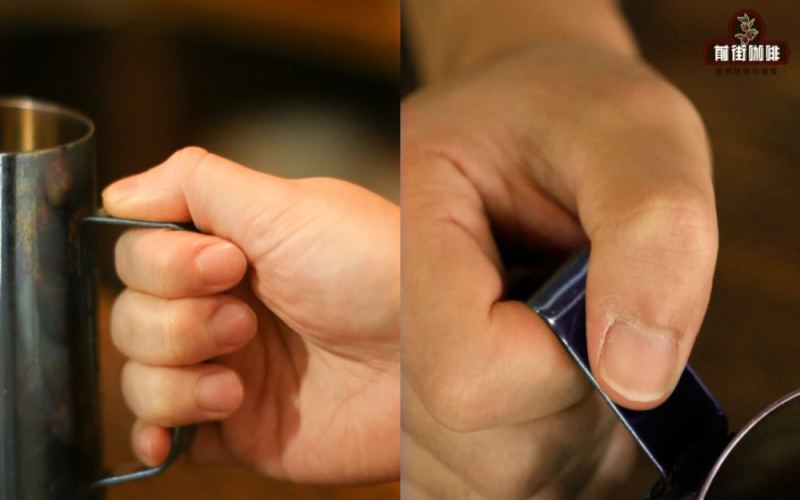
A friend asked Front Street Coffee how to practice the pitcher movement for patterned latte art. This article serves as a supplement to "How can you pour beautiful patterned lines?" If you haven't read it yet, you can click the link to take a look first; this article won't repeat the content covered there. The first issue: if your pour is asymmetrical, there is only one possible [more…]
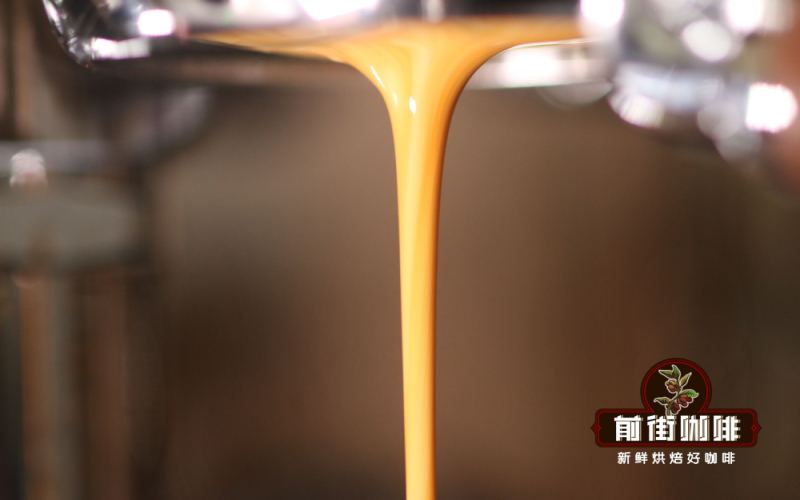
Espresso Full Analysis: Extraction Principles, Preparation Process, and Key Operational Points
Espresso is a small amount of concentrated, pure black coffee extracted by forcing hot water under high-pressure steam rapidly through a puck of coffee grounds, with a golden layer of crema on its surface. Although it rarely appears alone on café menus, it is the base of common drinks such as Americano, latte, and cappuccino, and can be called the soul of a coffee shop. Starting from the definition and characteristics of espresso, this article will sort out its historical evolution and ideas for choosing blend beans, and explain in detail the complete steps for making espresso at Front Street Coffee stores, including dose, liquid yield, time control, and operational details such as distribution and tamping. Finally, it summarizes the key variables affecting extraction flavor and daily cleaning points, helping coffee enthusiasts systematically understand the logic behind a high-quality cup of espresso. [more…]
High-Resolution Coffee Flavor Wheel Reference Chart Download | How Can Coffee Beginners Understand the Coffee Flavor Wheel? How to Taste and Describe Single-Origin Coffee Flavors?
A large part of the reason the coffee flavor wheel was created was to meet the tasting standards that emerged after coffee became more specialty-oriented. It also drew on wine tasting and cupping, gradually evolving from vague, general flavor descriptions into a detailed, logical flavor wheel. The first version of the coffee flavor wheel was released in 1995, [more…]
A Comprehensive Guide to Coffee Types: Detailed Analysis of Flavor Characteristics and Origin Differences of 12 Classic Coffees
The world of coffee is rich and diverse, with different origins and roasting methods creating distinctive flavor experiences. This article systematically reviews 12 common types of coffee, from the elegant delicacy of Jamaican Blue Mountain to the rich mellowness of Indonesian Mandheling, from the chocolate notes of Yemeni Mocha to the unique flavor of Hawaiian Kona, analyzing one by one their taste characteristics, origin background, and best ways to drink them. Whether you prefer light and smooth or rich and strong, you can find your ideal choice in this coffee map. Front Street Coffee takes you deep into the personality and charm of each type of coffee. [more…]
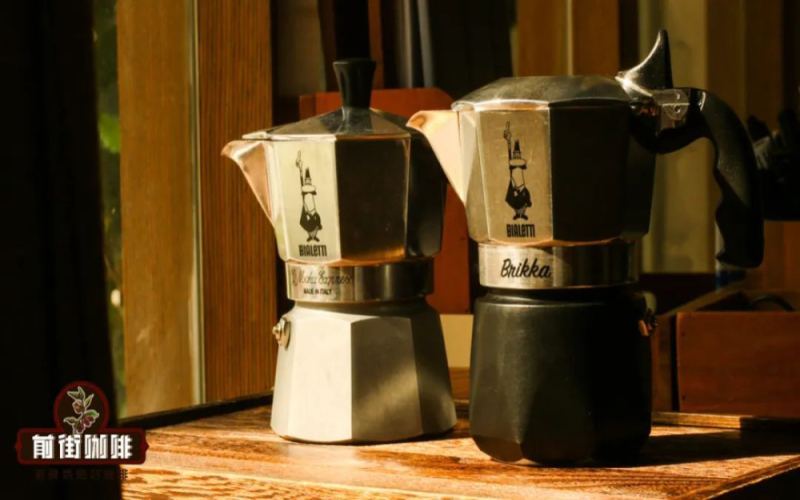
A Detailed Explanation of Moka Pot Extraction Principles: The Crema Difference Between Single-Valve and Double-Valve Models and Buying Advice
As the autumn and winter camping season arrives, the moka pot has once again become a popular choice among outdoor coffee enthusiasts. But faced with the two specifications available on the market—single-valve and double-valve—many consumers feel confused. From the perspective of Front Street, this article first explains the basic principle by which a moka pot uses steam pressure to complete extraction, then takes a deeper look at the structural differences between single-valve and double-valve models—the double-valve design restricts the outflow of coffee liquid by adding a pressure valve, thereby raising the internal pressure and delivering higher extraction efficiency and a richer coffee flavor. The article will also explore the relationship between coffee crema and roast level, and recommend Front Street's classic blend coffee to help readers make a wise purchasing decision based on their own needs. [more…]
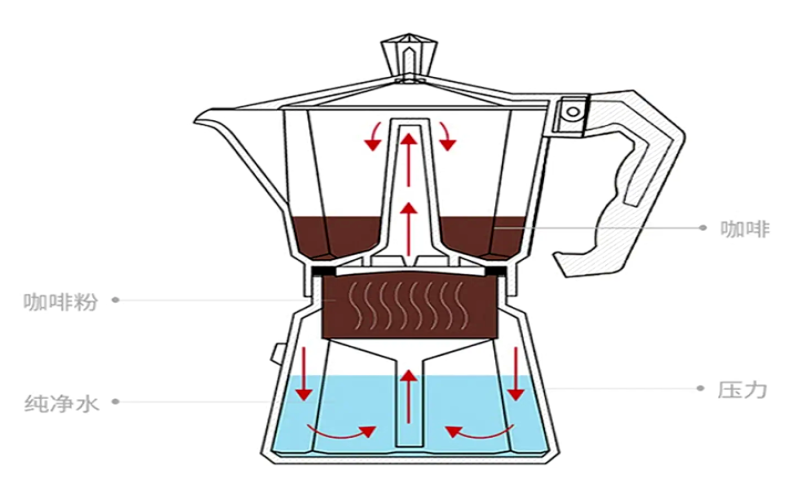
How to Use a Moka Pot Correctly | What Are the Working Principles and Structural Features of a Moka Pot? A Detailed Tutorial on Brewing Coffee with a Moka Pot
For more specialty coffee knowledge, please follow: Front Street Coffee (Frontsteet Coffee). As coffee culture gradually becomes more widespread in China, many newcomers who have just stepped into the coffee world are beginning to pick up various brewing tools and delve into extraction. Compared with expensive and cumbersome espresso machines, the moka pot is much simpler and more accessible. [more…]
A Detailed Guide to Jamaican Blue Mountain Coffee Grades: Grade 1, Grade 2, Grade 3 Specifications and Authentic Price Reference
Jamaican Blue Mountain coffee is world-renowned for its unique flavor and strict controls. Jamaican law stipulates that only coffee beans grown in the Blue Mountain region may bear the name "Blue Mountain." High-grade Blue Mountain coffee is divided into three grades—No. 1, No. 2, and No. 3—corresponding respectively to screen size standards of 17–18 mesh and above, 16 mesh, and 15 mesh. The green beans of all three grades must be packed into wooden barrels for export, with the barrel bearing the estate name, importer's abbreviation, and batch information, along with a government-certified green certificate of origin. Understanding these grades and export regulations helps coffee enthusiasts verify authenticity and make informed purchases of genuine Blue Mountain coffee. Front Street Coffee recommends that consumers pay attention to the roast level and packaging format to judge the true quality of the Blue Mountain coffee in their hands. [more…]

Indonesian Civet Coffee Full Analysis: A Detailed Explanation of Brewing and Production Processes from Wild to Farmed
Kopi Luwak, commonly known as cat poop coffee, has always been shrouded in a layer of mystery. Its unique production process and expensive price make many coffee lovers curious about it yet rarely able to encounter it. This article will take you through a comprehensive understanding of the ins and outs of Indonesian Kopi Luwak, from the living habits of the civet, to the differences between natural and farmed coffee, and then to why it has such a special flavor. If you are interested in this legendary coffee, then follow Front Street as we delve into its production process and brewing key points. [more…]
Peru Andes Terra Nera Palm Civet Coffee: Origin, Production, and Harrods Release Details of the World's Most Expensive Coffee Beans
Terra Nera coffee beans are produced in the Quechua region in the southeastern Andes of Peru. Their value is greatly enhanced by the involvement of the palm civet (Uchunari) in processing, and they are recognized as one of the most expensive and rarest coffees in the world. Its annual output is affected by natural conditions and the state of the palm civets, and has sharply dropped from 70 kilograms to about 45 kilograms. It is divided into six grades, with the top Grade 0 being entirely hand-selected. These beans are sold only in limited quantities at Harrods in London, and must be roasted to order after reservation. Grade 0 even comes with English sterling silver decoration and a 24K gold-plated bag, with the name engraved by a silversmith. In terms of flavor, it is 100% Arabica, with notes of bitter cocoa, hazelnut, and dried leather. The mouthfeel shifts from light to buttery and silky, with a rich, mellow finish. Front Street Coffee will also continue to follow developments involving this kind of rare bean. [more…]