







Search Results for: Extraction Factors

Espresso Extraction Principles | How to Extract Espresso with a Semi-Automatic Coffee Machine? What Factors Affect Espresso Extraction Parameters?
For more specialty coffee knowledge, please follow our WeChat official account: FrontStreet Coffee. Front Street has noticed that many friends have fallen in love with espresso topped with golden crema and hope to make it at home as well. Compared with pour-over, espresso is made using steam pressure. [more…]
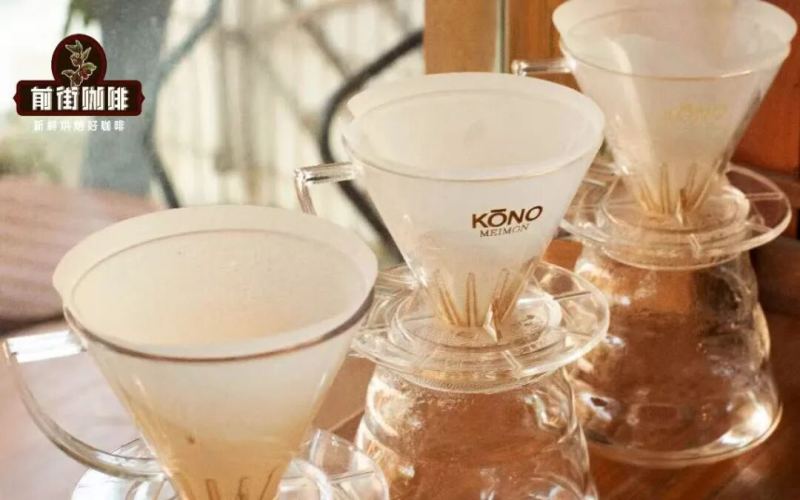
Coffee Brewing Time | Why Do You Need to Time Your Pour-Over Coffee? What Factors Affect the Extraction Time When Brewing Coffee?
When brewing the vast majority of coffees, we always casually press the timer function that comes with the scale to start counting time—this is something that seasoned baristas have emphasized since the very beginning. But for some friends, this behavior is incomprehensible, because they believe that recording time has no effect on the coffee. [more…]
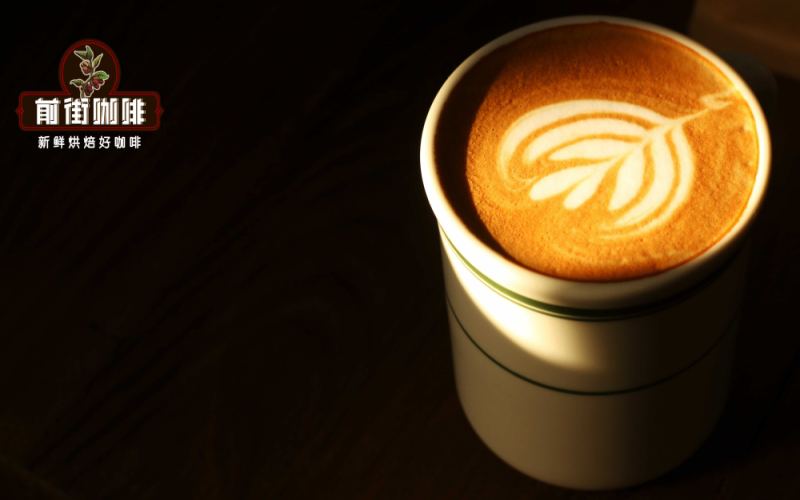
Standard Espresso Extraction Time | What's the Difference Between Americano and Espresso? What Factors Affect the Flavor of Espresso?
Espresso Extraction Standard Time - The Difference Between Americano and Espresso. Front Street Coffee has noticed that many friends have fallen in love with espresso topped with golden crema and hope to make it at home. Compared with pour-over, espresso is made using steam pressure, with scalding hot water passing through the coffee grounds to brew a small [more…]
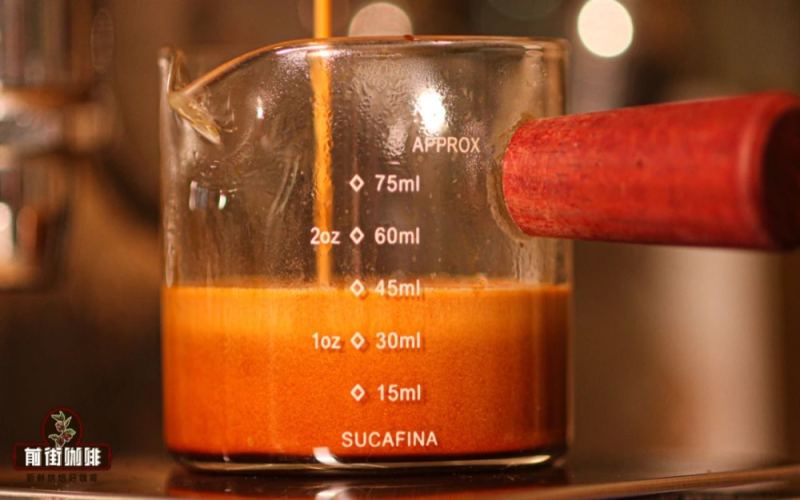
Espresso Extraction Yield | What Is Golden Cup Extraction? What Factors Affect the Flavor of Espresso Extraction? How Is Coffee Extraction Yield Calculated?
For more specialty coffee knowledge, please follow our WeChat public account: Front Street Coffee (FrontStreet Coffee). Those who have read Front Street's popular science articles may have noticed that Front Street rarely specifies exact extraction times the way it does when explaining pour-over coffee, because espresso extraction is about more than just [more…]
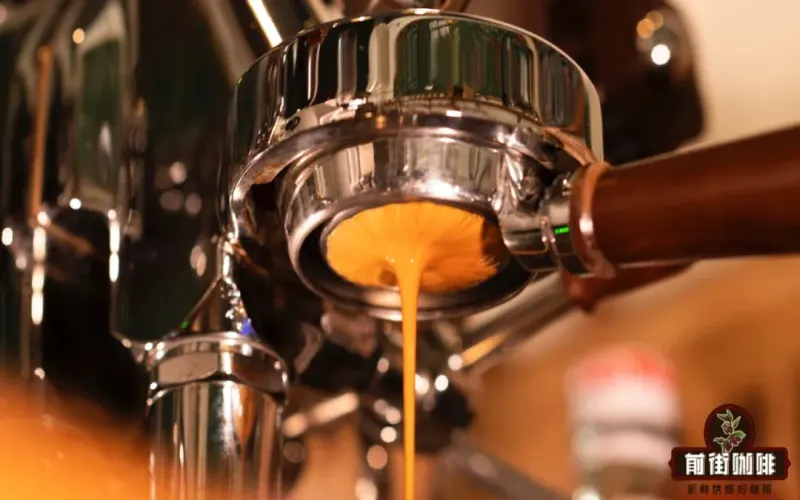
Uncovering the Hidden Factors Behind Unstable Espresso Extraction: How Residual Grounds, Water Temperature, Pressure, Environment, and Chamber Pressure Affect the Flow
Many coffee enthusiasts will notice that with the same beans and the same machine, the flow rate of espresso can change every few hours or even every few dozen minutes, sometimes fast and sometimes slow. Beyond the aging characteristics of the coffee beans themselves, there are actually quite a few easily overlooked hidden factors influencing the extraction results, including residual grounds in the grinder's chute, temperature fluctuations in the espresso machine's hot water, the state of the pump pressure, changes in ambient temperature, humidity and air pressure, and whether the grinder's hopper pressure remains stable in a café setting. Front Street will analyze these factors' mechanisms of influence on espresso extraction one by one, and provide corresponding improvement solutions to help everyone reduce unnecessary adjustments and make their output more consistent. [more…]

How Long Should Pour-Over Coffee Extraction Take? Is Two Minutes a Hard Requirement? An Analysis of Factors Affecting Brewing Time
How long exactly should the extraction time for pour-over coffee be controlled? Is two minutes truly an unshakable standard? Starting from the relationship between extraction yield and time, this article explains why Front Street recommends 2 minutes ±10 seconds as a reference range, and clarifies the logic behind how this time matches Front Street's current brewing framework. At the same time, the article will sort out which variables directly change the speed at which water passes through the coffee bed during the entire pour-over process, among which grind size is one of the most critical influencing factors. Only by understanding the parameter interactions behind time can you more accurately judge the source of flavor deviations and make effective adjustments. [more…]
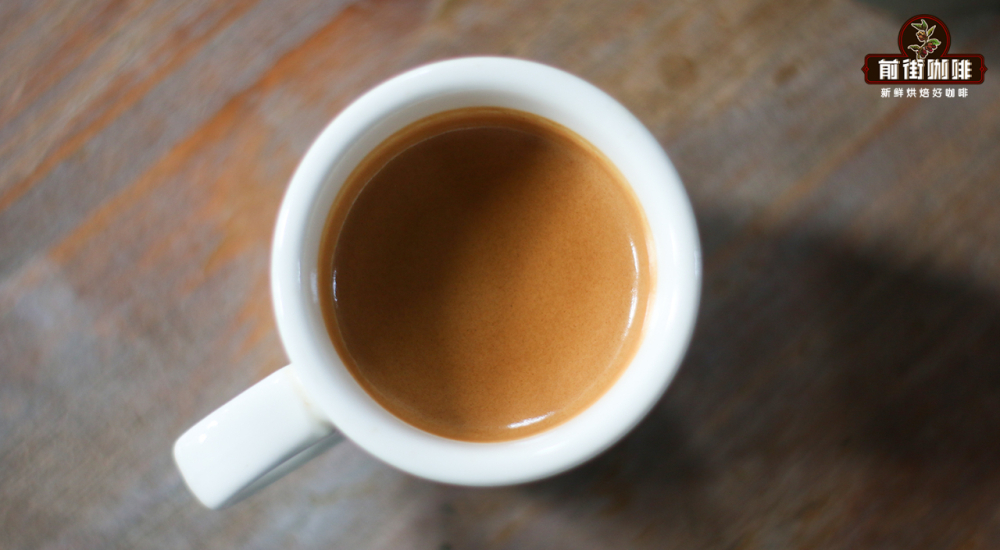
Espresso Making Steps | How Can Coffee Beginners Make Espresso at Home? What Factors Affect Espresso Flavor? Espresso Extraction Parameters Sharing
Although we rarely drink espresso on its own in daily life, making popular beverages like Americano, latte, or cappuccino would be impossible without a proper shot of espresso as the base. So in this article, Front Street Coffee will explain how to extract espresso well and what special features an espresso machine for making espresso has. [more…]
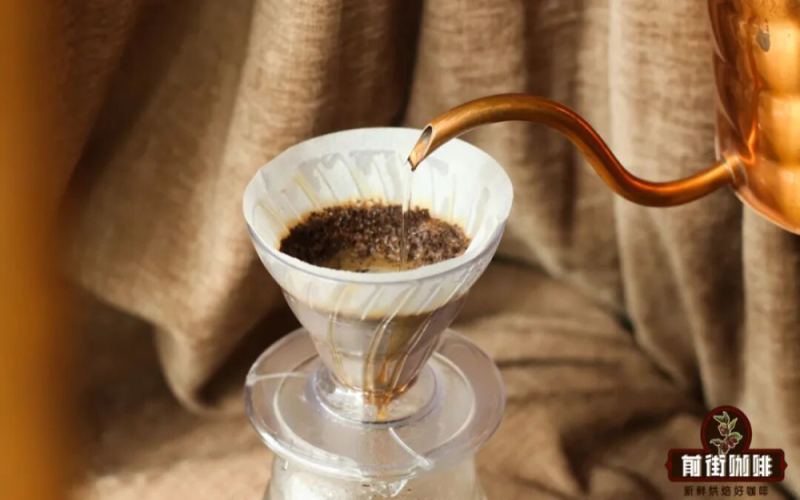
Analyzing the Causes of Abnormal Pour-Over Flow Rate: Seven Major Factors from Dripper and Filter Paper to Bean Quality and Water Flow
When brewing pour-over coffee, the drip rate of the coffee liquid often reflects the quality of the extraction. If the flow is too fast, it may lead to under-extraction and a weak, bland flavor; if the flow is too slow, it tends to over-extract, producing bitterness and off-flavors. So what exactly are the factors that influence the flow rate of coffee? Front Street Coffee will break down the key elements affecting flow rate one by one from seven aspects: the pairing of dripper and filter paper, the density and processing method of the coffee beans, the roast level, the grind size, the pouring technique, and the water level inside the dripper. Understanding the relationships among these variables will help you quickly identify the root cause the next time you encounter an abnormal flow rate and make targeted adjustments, bringing every cup of coffee closer to the ideal flavor. [more…]

Do you need an Italian-style blend for espresso? Espresso bean recommendations, Americano differences, and what factors affect espresso extraction?
Every independent café has its own unique character, and the coffee beans they choose for brewing also differ. However, for large chain cafés like Starbucks, the espresso bean blends used to make coffee drinks are almost always consistent, so no matter which Starbucks you visit, you can enjoy the same coffee flavor. [more…]
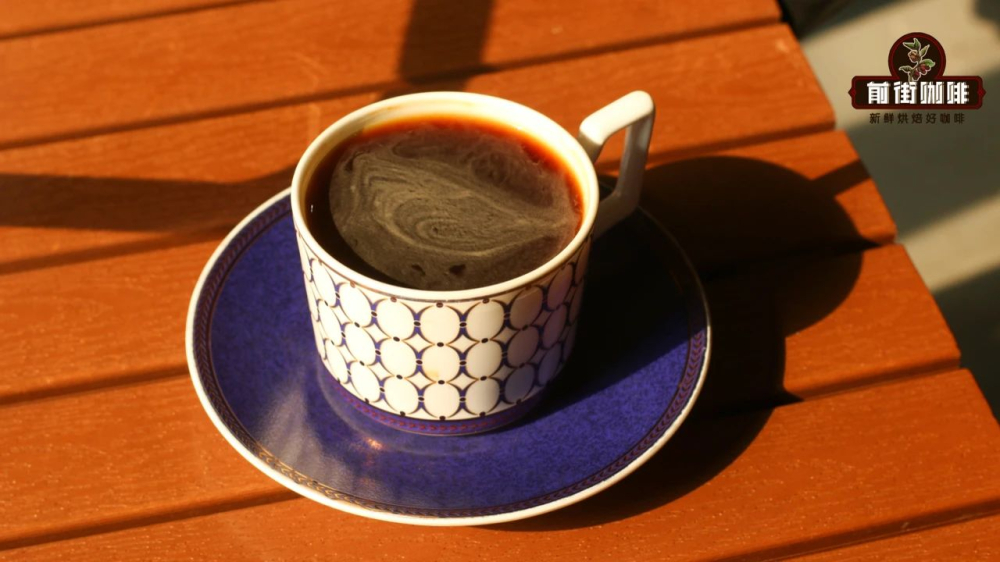
American-Style Flavor | Why Is Americano Bitter? What Factors Affect the Taste of Americano Black Coffee? Why Is Iced Americano So Bitter Yet So Popular?
Introduction: Americano can be said to be a type of coffee that many consumers greatly enjoy. It is convenient, quick, and can rapidly satisfy most people's caffeine needs. At the same time, it consists of only two parts: water and espresso, making it a type of what we commonly call black coffee. Black coffee also reflects the quality of the coffee beans, so [more…]
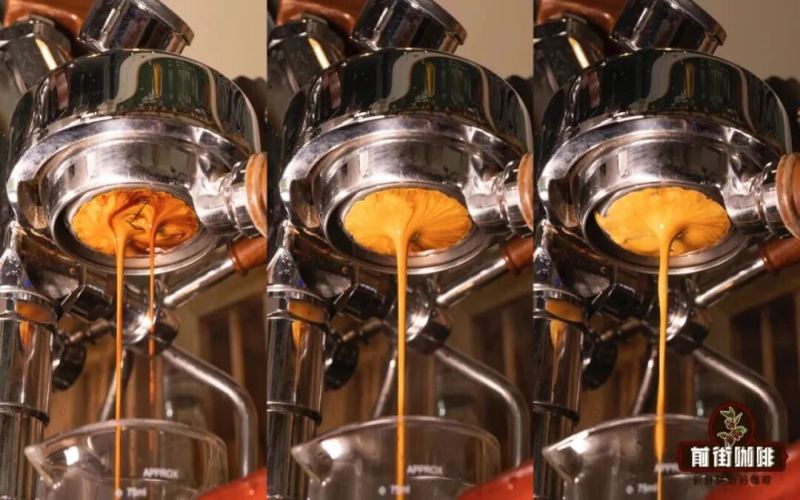
Espresso | What factors affect the strength of espresso? How can you increase the strength of Italian-style coffee?
From an extraction perspective, whether a cup of espresso tastes good first depends on the choice of coffee beans, then on the flavor and strength of the espresso, and finally on details such as the ratio of accompanying ingredients and temperature. Among these, making the espresso itself troubles many home baristas because various unexpected situations can arise. For example, from [more…]
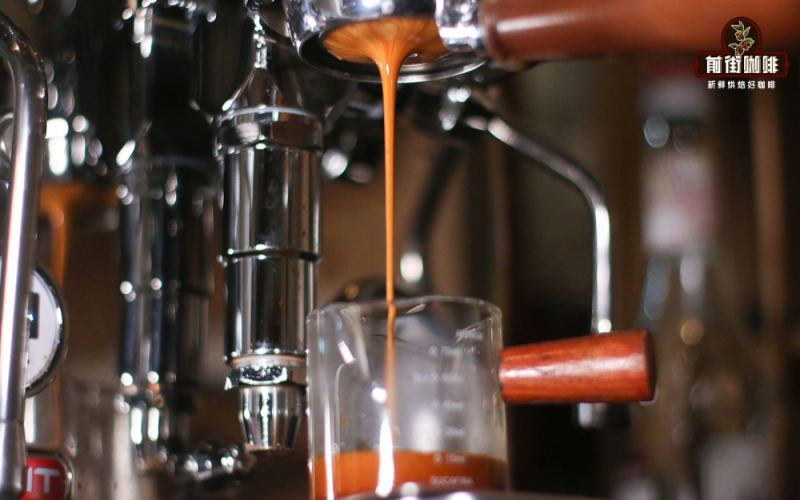
Espresso Extraction Principles | Why Can't Espresso Be Extracted Twice? What Are the Factors Affecting Espresso Extraction?
For more specialty coffee knowledge, please follow our WeChat official account: Front Street Coffee (FrontStreet Coffee). Before opening for business each day, every coffee shop's task is to dial in a qualified and delicious espresso. We know what delicious means, but what is a qualified espresso? Today Front Street [more…]
Pour-over Coffee Brewing Parameters | What Factors Affect the Flavor and Mouthfeel of Pour-over Coffee? How Can Coffee Beginners Learn Pour-over Coffee?
Coffee mysticism has long become a commonplace topic in coffee circles, and the most discussed aspects are flavor mysticism and brewing mysticism. Front Street is here to help everyone unveil the surface-level mysticism and reveal the underlying science. Flavor mysticism generally refers to when you drink a cup of coffee and only taste bitterness and sourness, while the person next to you [more…]

Where Does Coffee's Sweet Aftertaste Come From? An Analysis of the Meaning of Aftertaste, Influencing Factors, and Methods for Improvement
After taking a sip of coffee, subtle aromas and flavors often emerge in the mouth—this is what we call the aftertaste. It is not only the final step in coffee tasting but also an important basis for judging the quality of a cup of coffee. From the perspective of Front Street, this article starts with the principles behind the formation of aftertaste, analyzes one by one how coffee bean quality, roast level, and extraction method affect aftertaste performance, and offers practical ideas for enhancing aftertaste richness in actual brewing, helping coffee enthusiasts more fully understand where the lingering finish of a good cup of coffee comes from. [more…]
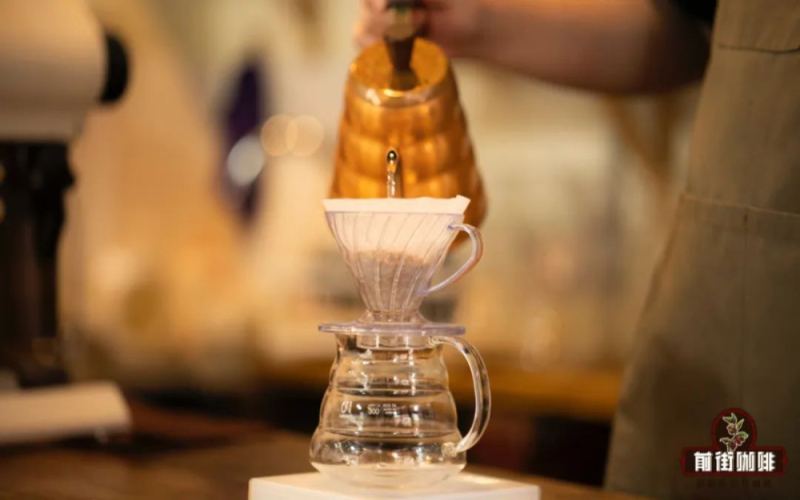
A Complete Analysis of the Pour-Over Coffee Extraction Principle: The Underlying Logic of Grind, Water Temperature, Water Quality, and Coffee-to-Water Ratio
To brew a good pour-over coffee, rather than memorizing various brewing techniques, it's better to first understand the underlying logic behind extraction. All brewing methods are essentially variations of the extraction formula; once you grasp the core principles, even beginners can quickly get the hang of it. This article, from the perspective of Front Street, will guide you through the composition of soluble substances in coffee beans, help you understand the differences in dissolution rates of the sour, sweet, and bitter flavors, clarify the reference significance of the golden cup extraction rate, and break down one by one how the five major variables—water temperature, grind size, coffee-to-water ratio, brewing time, and water flow—interact and jointly determine the final performance of a cup of coffee. [more…]

The Golden Rules of Espresso Extraction | Why Drink Ice Water When Tasting Espresso? What Factors Affect the Flavor and Mouthfeel of Espresso?
For more specialty coffee knowledge, please follow our WeChat official account: FrontStreet Coffee. In the cold winter, many friends often visit Front Street's store and, as soon as they walk in, ask for a warm hot latte. After tasting the rich boozy aroma in Front Street's latte, they all want to [more…]
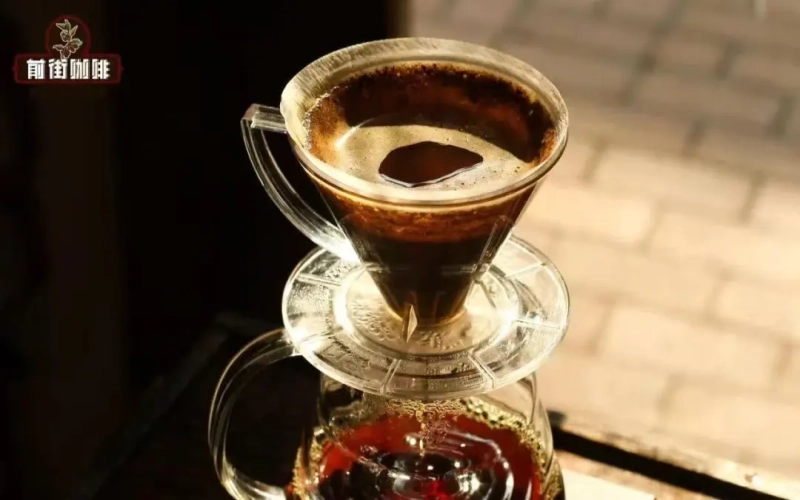
How to Fix Slow Drawdown in Pour-Over Coffee? A Full Analysis of the Three Major Factors: Fines, Agitation, and Bean Density
When brewing pour-over coffee, water failing to drain through the dripper is a problem many enthusiasts encounter. The causes of clogging are not singular—too many fines, overly vigorous agitation, and high bean density can all slow the flow. This article starts from these three common factors, analyzing each cause one by one and offering corresponding ways to improve them—including coarser grinding with a slower extraction, using a sifter, and adjusting pouring technique. At the same time, it will explain that clogging does not necessarily mean over-extraction, and whether to make adjustments should ultimately be based on how the coffee tastes on the palate. Front Street Coffee will share its brewing experience with high-density beans, using the Yirgacheffe Giddingding from its own bean list. [more…]
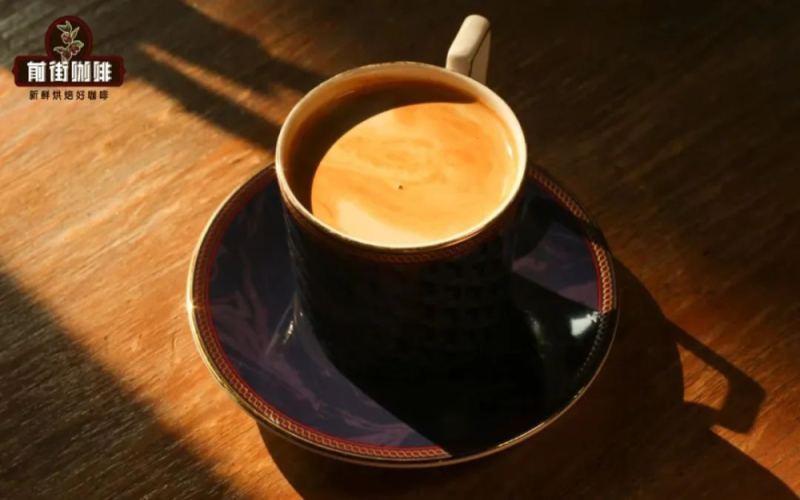
The Four Major Factors Affecting Iced Americano Flavor: From Bean Resting to Continuous Pouring—Can Single-Origin Beans Make Iced Coffee?
At the same shop, with the same beans, why does the taste of iced americano vary from good to bad? Starting from a real conversation at a Front Street location, this article breaks down the logic behind americano coffee "losing its flavor." The article points out that although an americano is simply espresso plus water, the extraction state of the espresso itself can be affected by factors such as bean resting time, weather changes, hopper pressure, and continuous pulling of shots, leading to fluctuations in flavor and strength. At the same time, the article also addresses the question of "whether single-origin coffee beans can be used to make iced coffee." By understanding these variables, coffee enthusiasts can gain a more comprehensive understanding of the espresso coffee system and discover more possibilities in a cup of iced americano through products such as Front Street's Warm Sun Blend. [more…]
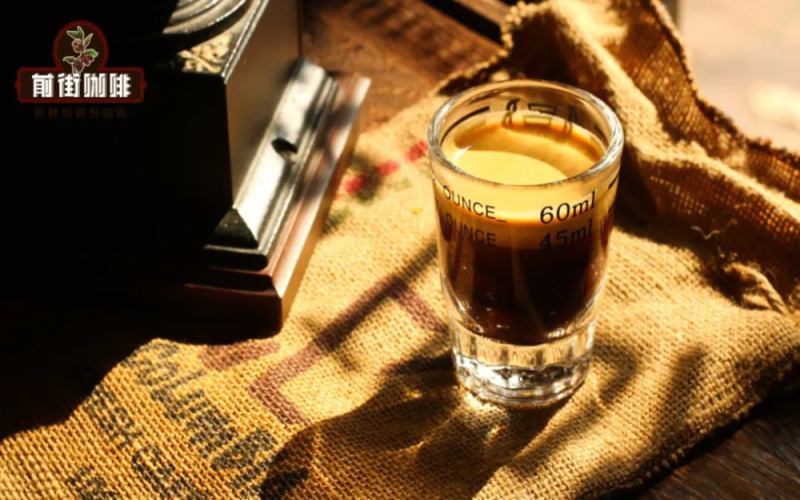
Key Factors That Determine the Thickness of Espresso Crema: From Coffee Bean CO2 Content to Robusta Blending
In the espresso extraction process, the richness of the crema is often one of the key concerns for coffee enthusiasts. Some need it for latte art, while others are influenced by commercial promotion and often ask Front Street how to obtain a richer Crema. But what exactly is the essence of crema? Is more really better? This article will start from Front Street's perspective and provide a detailed analysis of the three core factors affecting espresso crema formation—the carbon dioxide content of coffee beans, the degree of roasting and freshness, and the special role of Robusta beans. It will also remind everyone that the thickness of the crema does not directly determine whether the taste is good or bad; the correct extraction parameters are the foundation. Whether you are pursuing latte art effects or simply want to understand the principles, this article can give you clear answers. [more…]
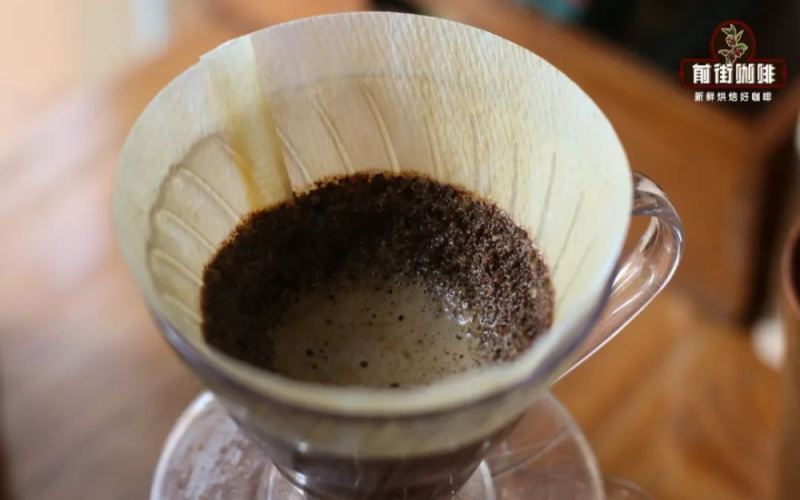
Judging the Flow Rate of Pour-Over Coffee and Analyzing the Core Factors That Affect Flow Speed
In the process of pour-over coffee, many enthusiasts encounter the same dose of coffee grounds yet vastly different extraction times—some finish smoothly in about two minutes, while others complete their drip in less than a minute and a half. What exactly determines this difference in flow rate? And what do faster or slower flow rates each signify? Drawing on the hands-on experience of Front Street Coffee, this article systematically examines the key factors affecting pour-over flow rate—including roast level, processing method, coffee bean texture and density, and grind setting—and offers adjustment strategies for abnormal flow rates, helping you judge and respond more accurately in your daily brewing. [more…]