







Search Results for: mysticism
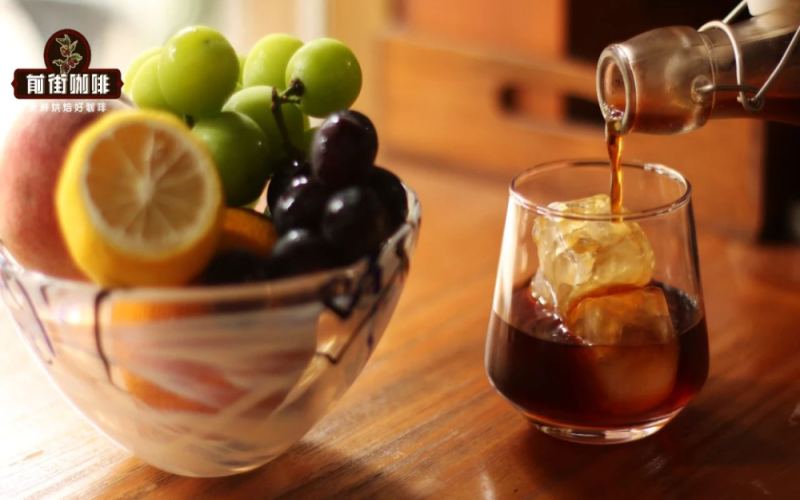
Pour-over Coffee Brewing Parameters | What Factors Affect the Flavor and Mouthfeel of Pour-over Coffee? How Can Coffee Beginners Learn Pour-over Coffee?
Coffee mysticism has long become a commonplace topic in coffee circles, and the most discussed aspects are flavor mysticism and brewing mysticism. Front Street is here to help everyone unveil the surface-level mysticism and reveal the underlying science. Flavor mysticism generally refers to when you drink a cup of coffee and only taste bitterness and sourness, while the person next to you [more…]

Is the instability of pour-over coffee flavor just mysticism? Analyzing the extraction science of grind, water temperature, time, and ratio
Many coffee enthusiasts have experienced this confusion: why does the same bean taste different every time it's brewed? Occasionally a stunning cup of coffee is brewed, but it's hard to reproduce afterwards, so some people attribute coffee extraction to "metaphysics." But in fact, extraction is a quantifiable, reproducible scientific process. Water acts as a solvent, dissolving the flavor substances from the coffee grounds, while parameters such as grind size, water temperature, time, and coffee-to-water ratio all directly affect extraction efficiency, and thereby determine the final flavor in the cup. Taking Ethiopia Huakui as an example, Front Street uses 15g of grounds, a 1:15 coffee-to-water ratio, caster sugar grind size, and a two-minute three-pour brewing method to consistently obtain a coffee with balanced acidity and sweetness, carrying citrus, strawberry, and creamy floral aromas. This article will systematically explain how to achieve flavor stability and targeted adjustments by recording and controlling parameters, and explain the scientific logic behind the differences in dissolution rates of sourness, sweetness, bitterness, and saltiness. [more…]
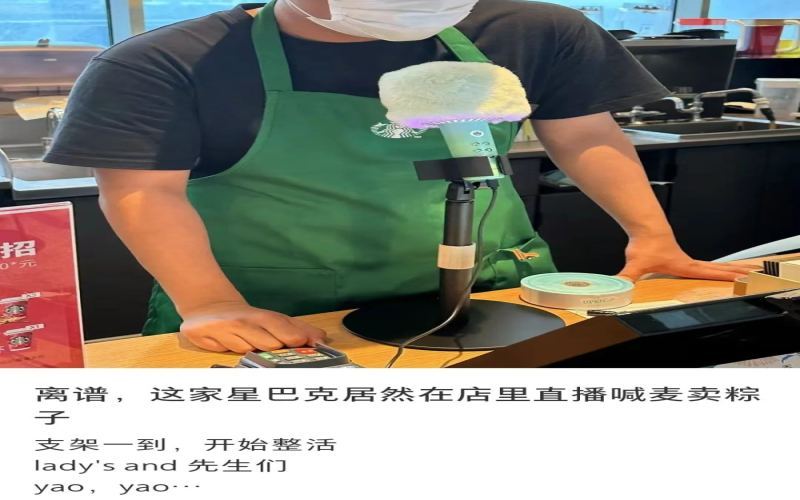
Under the sales pressure of the Dragon Boat Festival, Starbucks employees: livestreaming shout-outs, giving out lottery tickets, and setting up stalls for tastings, all just to sell Frappuccino Zongzi
As Dragon Boat Festival approaches, Starbucks employees once again face the annual "zongzi ordeal." To meet the sales targets for Frappuccino zongzi, some set up microphones at the bar to livestream and hype, some hand out lottery tickets for good luck, some advertise in the message book, and others set up stalls for free tastings. From co-branded microphones to mystical prayers, a variety of clever tactics take turns on stage, reflecting the pressure and helplessness behind holiday marketing. This article takes you to see these workers doing their utmost for zongzi, and how they respond to KPIs with creativity and humor. [more…]

Where Do the Tiger Stripes on Espresso Come From? An Analysis of How Fines Affect the Color and Flavor of Crema
After extracting espresso, the golden, dense foam on the surface is the Crema. Sometimes this layer of crema develops brown streaks of varying shades, resembling tiger stripes, which enthusiasts call "tiger-striped espresso." How exactly do these patterns form? Does it mean the coffee tastes better? Front Street Coffee will start from the composition of the crema, analyze the origin of the tiger stripes, and compare the respective advantages of tiger-striped espresso and regular espresso in terms of body and cleanliness, helping coffee lovers view this phenomenon more rationally. [more…]
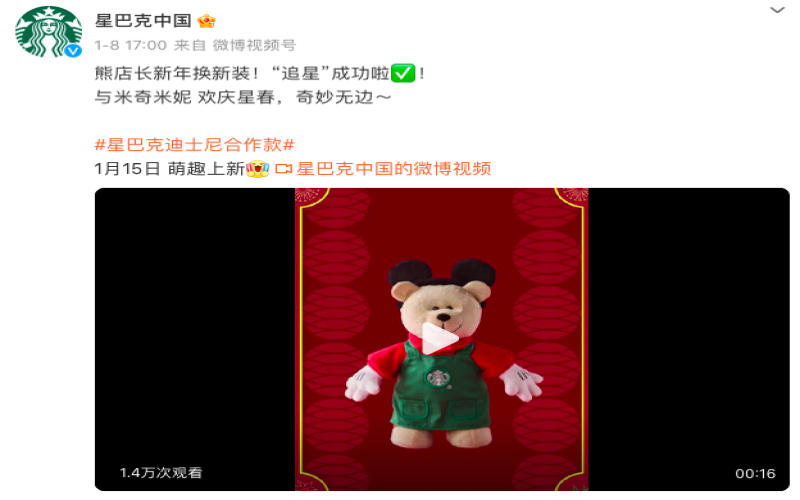
Starbucks Disney collaboration merch sparks debate: red envelopes, omamori, and wooden divination blocks make a cross-border debut
The second Starbucks and Disney collaboration is set to launch on January 15, featuring Mickey and Minnie as the campaign's main characters. In addition to regular merchandise such as mugs and plush toys, the official lineup also includes red envelopes printed with the brand logo, omamori charms, and wooden divination blocks (bwa bwei), sparking lively discussion among netizens. The appearance of bwa bwei, a common divination tool in the Fujian and Guangdong regions, in a coffee brand collaboration has left many people exclaiming over the surprising combination. This article will walk you through the specific merchandise of this collaboration, the cultural background of bwa bwei, and the amusing reactions from netizens. At the same time, Front Street Coffee will continue to follow the brand strategy behind this cross-industry attempt. [more…]
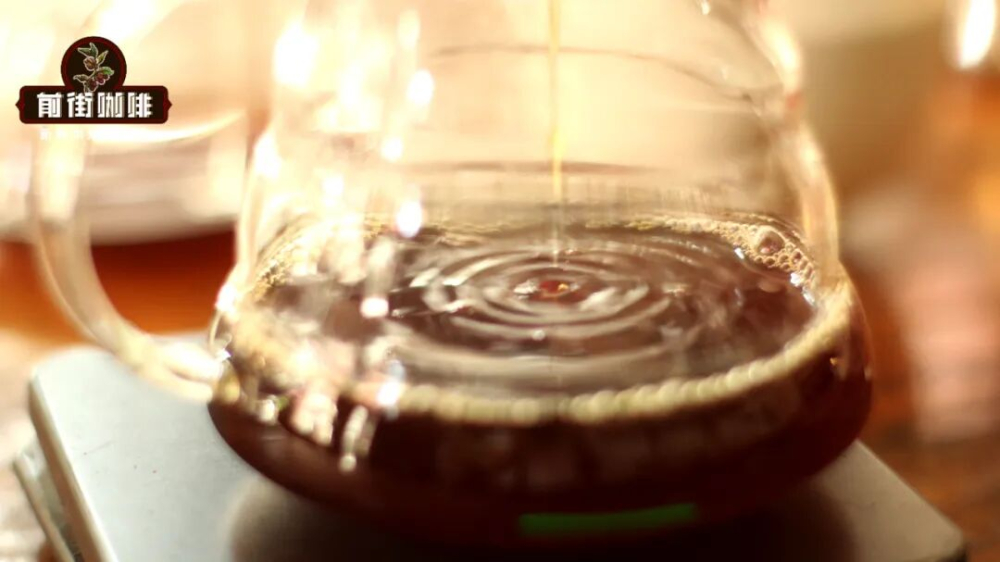
Dark Roast Coffee Beans Pour-Over Technique Tutorial | Why Does Pour-Over Coffee Have a Burnt, Bitter Taste? What Water Temperature Should Be Used to Brew Indonesian Mandheling, Brazilian, and Colombian Coffee?
Newcomers often say that brewing coffee feels like a mystic art, and whether it tastes good or not is purely a matter of luck. But in Front Street Coffee's view, as long as you find the logic and patterns behind brewing, you'll discover that it's actually not that complicated at all—it's simply about finding a few key parameters and using hot water to fully extract the coffee grounds, ultimately getting a cup that tastes good. [more…]
How to Taste the Floral and Fruity Notes of Light Roast Coffee, with a Recommended List of Five Floral-Flavored Coffee Beans
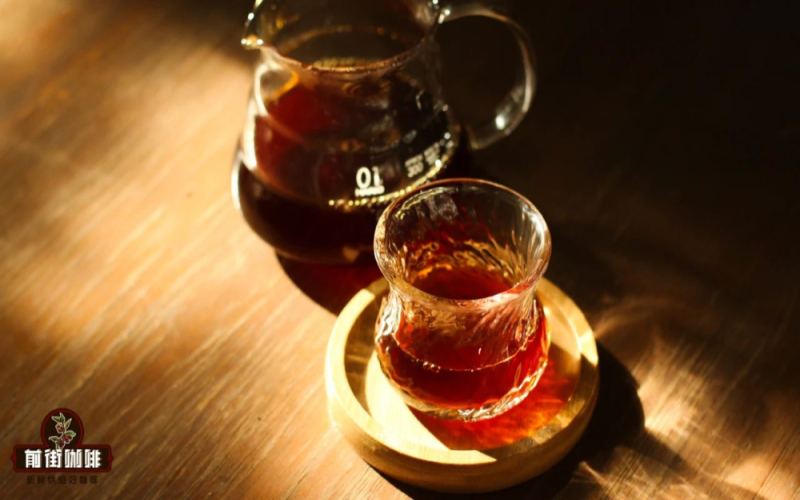
In the world of specialty coffee, fruity and floral notes are arguably the most fascinating yet most confusing flavor labels. Many people who are just getting into coffee often wonder: why is it that others talk about white florals, tropical fruit, and citrus notes, while they themselves can't pick up on any of it? In fact, tasting fruity and floral notes is not some mystical art—it involves multiple aspects such as the mechanisms of smell, scent memory, and taste sensitivity. This article will start from the principles of sensory perception, explaining why some coffees are more likely to present floral and fruity notes, and will compile five light-roast floral coffees, covering different aroma types such as jasmine, orange blossom, rose, osmanthus, and coffee flower, as a reference for various brewing methods including pour-over and cold brew. [more…]
Full Process Tutorial for Italian Coffee Latte Art Heart Pattern: Detailed Explanation of Milk Foam Steaming, Blending Techniques, and Pitcher Holding Posture
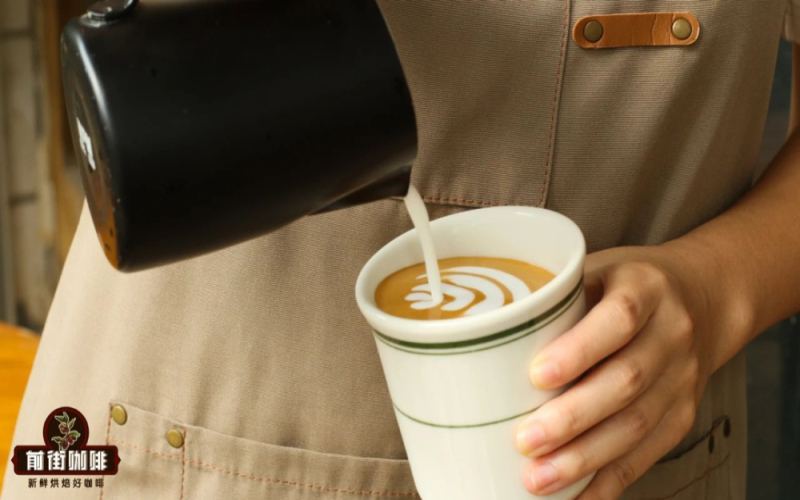
Want to make café-level heart latte art at home, but it always turns into a blob the moment you pour? The key actually lies in three elements: milk foam texture, integration technique, and pitcher grip. Front Street Coffee has systematically put together everything from steam wand positioning and milk frothing temperature control, to integration flow practice, latte art pitcher grip, and then to efficient daily practice methods, to help you conquer the heart pattern step by step. There is no mysticism in this article—it is all hands-on details you can practice, suitable for beginner coffee enthusiasts to follow along. [more…]
Using Blue Mountain No. 1 as an example, master the five key steps and descriptive techniques for coffee tasting
Friends who are just getting into coffee often feel that tasting is some mysterious art, not knowing where to start, and unable to come up with more than a few decent descriptors. In fact, there is a universal method for tasting coffee that anyone can follow: simply perceive it in a fixed order, and you can judge the quality of a cup and turn the experience into precise language. This article uses Front Street Jamaican Blue Mountain No. 1 coffee beans as an example, breaking things down one by one across five dimensions—aroma, taste, flavor, mouthfeel, and aftertaste—to help you build a complete tasting framework and gradually become a tasting expert who can describe coffee articulately. [more…]
A Complete Guide to Pour-Over Coffee Parameters: Water Temperature, Coffee-to-Water Ratio, Grind Size, and Pouring Techniques with Step-by-Step Illustrations
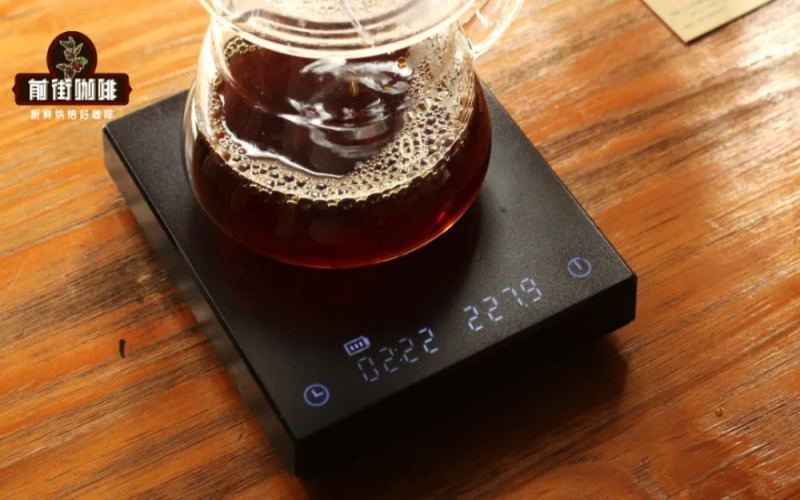
What variables should you actually control to brew a balanced pour-over coffee? Among the six key factors—water temperature, coffee-to-water ratio, grind size, pouring technique, time, and water quality—the first four have the most direct impact on flavor. This article uses diagrams to break down the logic behind each parameter and how to adjust it, helping you move past the misconception that "a 1°C difference changes the taste," understand why grind uniformity matters more than the setting number, and learn to use a three-pour technique to adapt flexibly to extraction changes. It also offers parameter recommendations for specific beans such as Front Street Coffee Huakui and Front Street Coffee Golden Mandheling, so the theory truly translates into everyday brewing. [more…]
A Complete Analysis of Pour-Over Coffee Parameters: How Water Temperature, Coffee-to-Water Ratio, Grind Size, and Pouring Technique Affect Extraction
Many coffee enthusiasts encounter the same confusion when practicing pour-over: even when they follow the tutorials strictly, the taste comes out very different every time, and whether it is good or not seems to depend entirely on luck. The variables affecting pour-over coffee are indeed numerous—from water temperature, coffee-to-water ratio, and grind size to pouring technique, time, and water quality, each one can influence the final flavor in the cup. Based on Front Street's practical experience, this article will break down these six major elements one by one, helping readers understand which parameters truly determine the taste of coffee, which steps play a key role in extraction, and how to accurately identify the root of the problem when coffee goes wrong and flexibly adjust the brewing plan. [more…]

A Complete Breakdown of Pour-Over Coffee Parameters: Water Temperature, Coffee-to-Water Ratio, Grind Size, and Pouring Technique—Which One Determines the Brewed Flavor?
Many friends who are just getting into pour-over coffee run into the same confusion: even when they follow the tutorial exactly, the cup tastes different every time, and whether it's good or not seems to come down to luck. There really are quite a few variables that affect pour-over coffee—among the six key elements of water temperature, coffee-to-water ratio, grind size, pouring technique, time, and water quality, which one actually plays the decisive role in the final flavor? Drawing on our daily production experience and experimental observations, Front Street breaks down the real impact of each of these parameters one by one, to help everyone clear up their thinking and find the right direction for adjusting the taste of their coffee. [more…]

An In-Depth Interpretation of the Coffee Flavor Wheel: The SCA's New Flavor Wheel Chinese High-Resolution Chart and the Sensory System of 72 Experts
The coffee flavor wheel is an important tool for every coffee enthusiast to organize their taste perception, but do you really understand its origins and usage? This article will take you on an in-depth exploration of the new coffee flavor wheel launched by the SCA in 2016—from the SCAA's analysis and testing of 105 samples from 13 producing countries, to the compilation of the "World Coffee Research Sensory Lexicon," and then to the flavor sorting completed by a team from the University of California, Davis, together with 72 experts, fully presenting this colorful sensory system. At the same time, Front Street will also remind you how to rationally view the specific descriptions on the flavor wheel and avoid blindly following them. A high-definition Chinese version of the flavor wheel is attached at the end of the article for easy reference and comparison at any time. [more…]
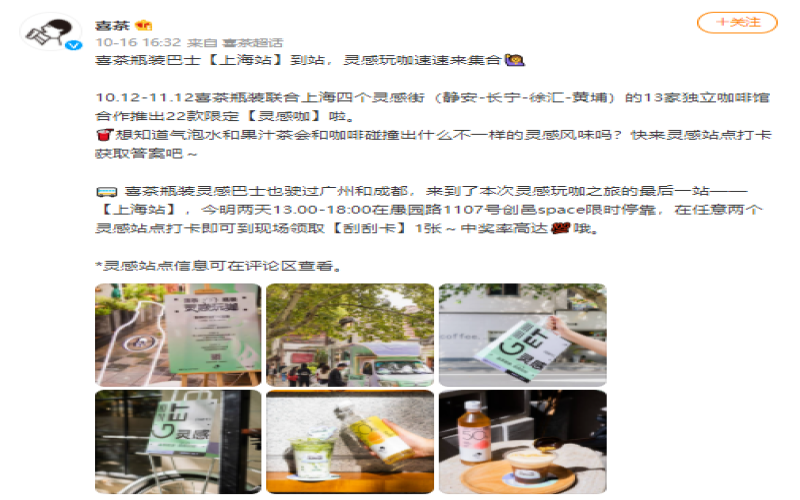
HEYTEA Inspiration Bus Concludes in Shanghai, Partnering with 13 Independent Cafés to Launch 22 Specialty Coffee Creations
The last stop of Heytea's bottled beverage "Inspiration Bus" has arrived in Shanghai, partnering with 13 independent coffee shops across the Jing'an, Changning, Xuhui, and Huangpu districts to launch 22 limited-edition "Inspiration Coffee" drinks. The bus previously stopped in Guangzhou and Chengdu, where it teamed up with 20 and 23 coffee shops respectively to roll out dozens of specialty drinks. Heytea's ties to coffee can be traced back to 2014, and it has continued to launch new products since then, officially entering the coffee arena in 2021 by investing in SEESAW COFFEE. However, these specialty drinks mixed with fruit juice and sparkling water, while friendly to those new to coffee, raise a question: are people who drink specialty coffee really savoring the flavor of coffee? Perhaps while enjoying mixed drinks, we should also bravely take a step forward to experience the unique charm of pure coffee. [more…]
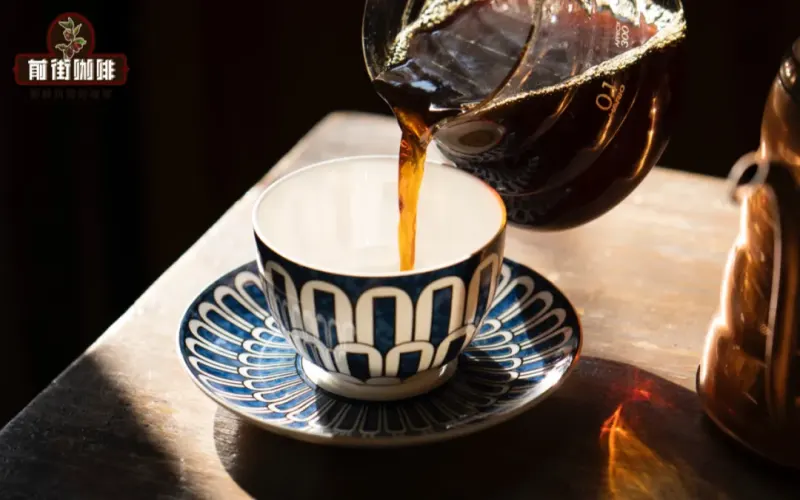
Pour-over coffee sweet without sugar? From roasting and processing methods to tasting associations, breaking down the sources of coffee sweetness and the key brewing points
Many people still associate pour-over coffee with a burnt, bitter taste, but a high-quality black coffee can indeed present sweetness. Sweetness is not an illusion—coffee beans themselves contain sweet compounds, and it is closely tied to variety quality, processing method, and roast level. Natural (dry) processing is usually sweeter than washed, and slow drying can further amplify that sweetness; acidic coffees tend to highlight fruit-like sweetness, while bitter-leaning coffees bring a bittersweet quality through caramelization. In addition, our sense of smell can create a "smells sweet" experience through association. The following sections explain, from the perspectives of flavor mechanisms and brewing/tasting, how to brew coffee so it is sweeter and tastier. [more…]
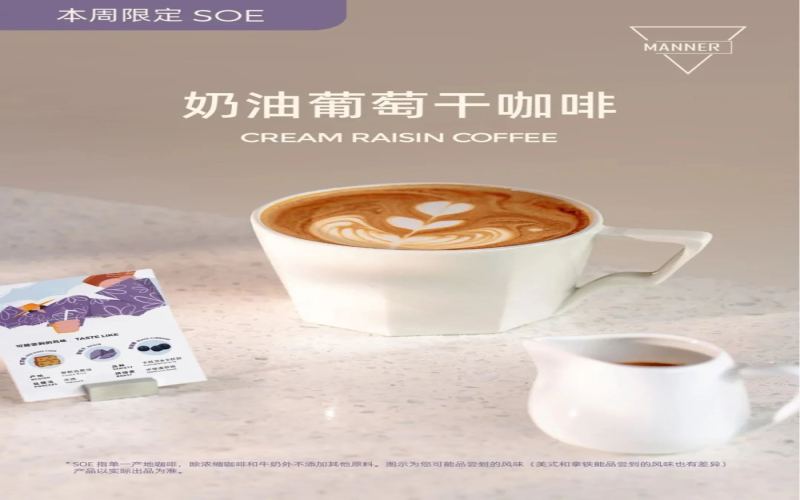
Manner launches another limited SOE, flavor description sparks debate, barista admits tasting requires imagination
Manner's limited SOE series is known for its frequent new releases, and recently it launched a new "Cream Raisin Coffee," with an official flavor description that is highly enticing, attracting many coffee enthusiasts to try it. However, the actual drinking experience is vastly different from the promotion, with constant complaints on social media. This article sorts out the flavor controversy of this SOE, consumer feedback, and the deeper reasons affecting SOE flavor perception. If you are also interested in SOE flavor identification, you might want to check out Front Street Coffee's interpretation. [more…]

Luckin's Asian Games bet on Wang Shun pays off again, how short-cycle business collaborations achieve a win-win for brand voice
During the Hangzhou Asian Games, Chinese swimming star Wang Shun won gold in the men's 200m individual medley final and broke the Asian record, and Luckin Coffee once again precisely bet on this champion athlete. From Eileen Gu at the Winter Olympics to Wang Shun at the Asian Games, Luckin has shown a unique rhythm in sports marketing of "whoever they sign gets hot." This article will sort out the timeline of Luckin's collaboration with Wang Shun this time, its marketing playbook, and the strategy behind it, while also exploring the difference between its short-cycle business cooperation model and formal endorsements. As coffee lovers, we also see from this wave of operations how brands leverage sports hype to achieve simultaneous gains in visibility and sales. [more…]

Can you predict short-term weather with a sugar cube and a cup of coffee? Here's how air pressure changes can actually be observed.
From late March to around Qingming, Guangdong often enters a mode of continuous rainfall. The weather forecast says it will rain, yet it occasionally clears up when you go out, making it hard to decide whether to bring an umbrella. There is an interesting little experiment circulating among the public: brew a cup of hot coffee, drop in a sugar cube, do not stir, and observe where the bubbles gather; this can roughly tell whether it will clear up or rain in the short term. This saying originates from the British writer Matthew Cole's *A Cup of Coffee Tells the Weather*, and it is actually related to the surface tension formed by coffee oils and the weather changes under the control of high and low atmospheric pressure. Of course, not all coffees are suitable; instant coffee and pour-over are not ideal choices. Freshly ground and freshly made hot Americano is more suitable, and the sugar should be sugar cubes rather than ordinary granulated sugar. [more…]

College Entrance Exam Season Food and Beverage Marketing Watch: How McDonald's, KFC, Chagee, and Other Brands Ride the Trend to Send Blessings
Every June, the national college entrance examination, or gaokao, becomes a hot topic of public attention across the country. This year is no exception, with a flood of good wishes pouring in from trending lists to social media platforms. Major food and beverage brands keenly seize this opportunity, rolling out gaokao-themed products or promotional activities in an attempt to win consumer goodwill amid fierce market competition. McDonald's has extended its breakfast-exclusive items to all-day availability, KFC has partnered with Mount Wutai to launch an auspicious set meal, and Chagee uses homophonic puns to convey good wishes. In addition, tea beverage brands such as Shuyi Tealicious, Good me, and Yihotang have also switched to gaokao-themed packaging, while independent coffee shops across the country are likewise serving exam takers and their parents by offering free water and rest areas. Behind this opportunistic marketing lies both the need for brand exposure and a reflection of society's collective care for gaokao students. [more…]
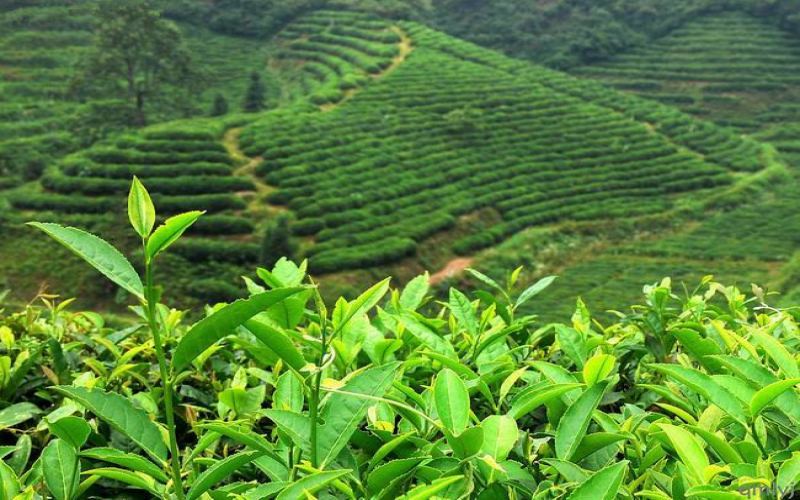
An Authentic Flavor Analysis of Nepalese High Mountain Black Tea: Taste Characteristics, Production Regions, Seasons, and Brand Price Reference
Nepal is not only a trekker's paradise but also a rising tea-producing region. Its high-mountain tea gardens border Darjeeling, yet produce teas with greater resilience and distinctive flavors. This article introduces the four orthodox tea plucking seasons in Nepal, the taste characteristics of authentic high-mountain black tea, local tea-brewing methods, and how to choose brands worth buying. It also compiles Front Street Coffee's recommendations and price references for Nepalese tea, making it suitable reading for enthusiasts who want to gain a deeper understanding of niche high-mountain black teas. [more…]