







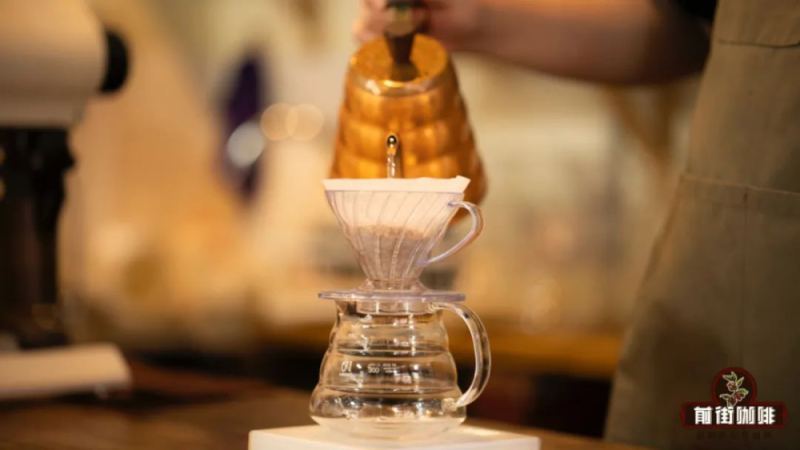
What is actually happening during coffee extraction?
In pour-over coffee extraction, about 30% of a coffee bean is soluble material and roughly 70% is insoluble, mainly lignocellulose. The soluble portion holds caffeine, proteins, sugars, carbohydrates, acids, and fats, where the sour, sweet, and bitter tastes sit. Extraction is the process of pulling those compounds out of the grounds and into the water. Roast level decides the balance, since lighter roasts carry more sour compounds and darker roasts more bitter ones.
Rather than memorizing techniques, beginners can treat every method as a variation on one extraction formula. Five variables interact: water temperature, grind size, coffee-to-water ratio, brewing time, and water flow. The Golden Cup extraction rate offers a reference point, but the goal is understanding how sour, sweet, and bitter dissolve at different rates. Once that coffee composition picture is clear, a qualified cup becomes easier to repeat.
To brew a good pour-over coffee, rather than memorizing various brewing techniques, it's better to first understand the underlying logic behind extraction. All brewing methods are nothing more than variations of the extraction formula; once you grasp the core principles, even beginners can quickly get the hang of it. This article, from Front Street's perspective, walks you through the composition of soluble substances in coffee beans, helps you understand the differences in dissolution rates of the three tastes—sour, sweet, and bitter—clarifies the reference significance of the Golden Cup extraction rate, and breaks down one by one how the five major variables—water temperature, grind size, coffee-to-water ratio, brewing time, and water flow—interact and jointly determine the final performance of a cup of coffee.
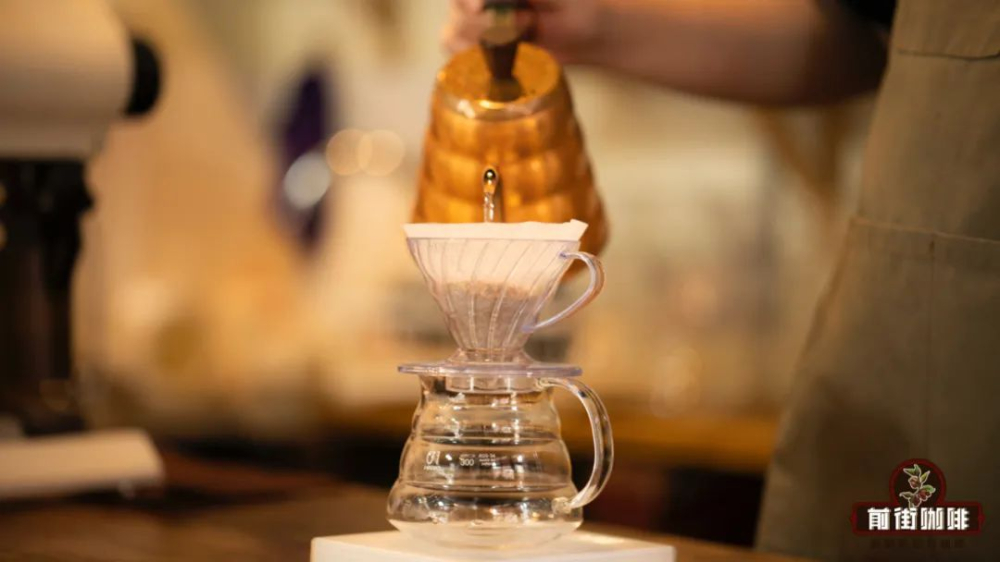
Front Street has always emphasized that rather than agonizing over which specific brewing technique to use, understanding the basic principles of extraction is what matters most. No matter which brewing method, it is essentially a formula that has evolved around extraction logic. As long as you understand this theory, even a beginner who has just encountered pour-over can get up to speed in the shortest time and brew a qualified cup of coffee, while also seeing through the operating mechanisms behind different brewing methods. So the first question to figure out is: when brewing pour-over coffee, what exactly are we extracting?
What Are We Extracting in Pour-Over Coffee?
Actually, it's not just pour-over—all coffee extraction follows the same principle. In a coffee bean, about 30% is soluble substances, and the remaining 70% is insoluble. The insoluble portion is mainly lignocellulose, while the soluble substances include caffeine, proteins, sugars, carbohydrates, various acids, and fats. The three major flavors—sour, sweet, and bitter—are all hidden within these soluble substances, and what extraction needs to do is bring them out of the bean.
The proportion of sour, sweet, and bitter in coffee beans depends mainly on the roast level. The lighter the roast, the higher the proportion of sour substances; the darker the roast, the greater the proportion of bitter substances. Since the various tastes constrain and blend with each other, different ratios of different tastes will give the final brewed coffee a completely different flavor direction. Therefore, to get an ideal cup of coffee, the core task during extraction is: to extract these three types of taste in reasonable amounts.
The dissolution rates of sour, sweet, and bitter are not the same. Sour substances dissolve the fastest—a splash of hot water releases them in large quantities; bitter substances dissolve the slowest—by the time the sour and sweet substances have been fully extracted, the bitter substances are still being released because their rate is too slow. You should know that bitterness is the taste that human taste buds pick up most easily; in small amounts, it can enhance the body of coffee; but once bitterness accounts for too high a proportion, it will overpower other flavors. So we need to control the dissolution rate, letting bitterness be released in small amounts without masking other tastes—it should be present, but not too much.
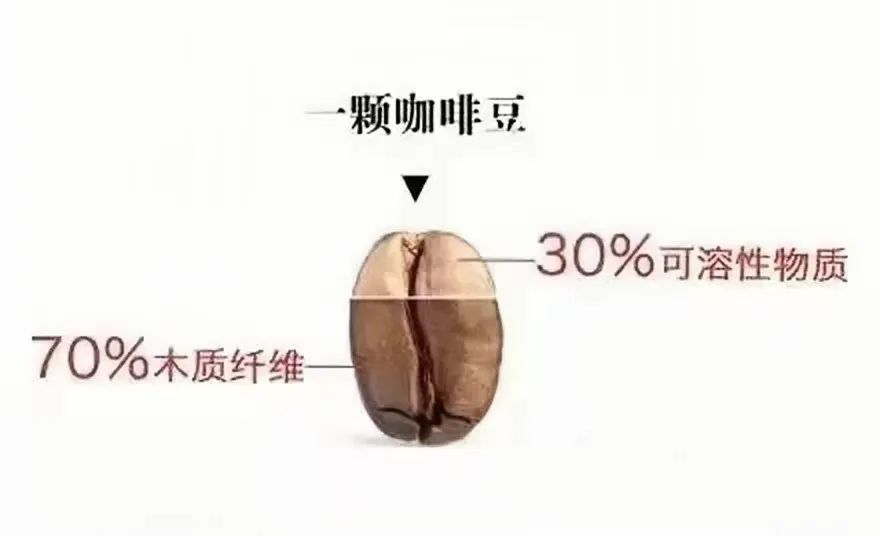
But we cannot directly detect the amount of substances released, so we also cannot determine at which stage bitterness reaches its peak release. At times like this, we need to understand the Golden Cup concept.
According to Golden Cup research data, coffee with an extraction rate between 18% and 22% is the most popular. Bitterness is unpleasant to most people, and it tends to be released in the later stages. In other words, the reason coffee with an extraction rate above 22% tastes bad is that too much bitterness has been released. As long as you keep the extraction rate within this range as much as possible, you can avoid a large amount of bitterness appearing, thus getting a delicious cup of coffee.
(But the Golden Cup extraction is not an absolute standard—don't mechanically apply it to every bean; ultimately, the actual taste you drink is what counts.)
To extract these substances, a medium is inevitably needed, and this role is played by "water." Water is responsible for dissolving the soluble substances in coffee. Water, which seems colorless and tasteless in daily life, actually contains (mostly) minerals, and the amount of these substances determines the hardness of the water and also influences the flavor direction of the coffee. However, compared with other factors, the impact of water quality is not that critical, so we can skip over it here. Those who want to learn more can refer to the article "What Water Makes Better-Tasting Coffee?" What we need to focus on more is how to use water to reasonably extract the substances in coffee.
Extracting the substances from coffee is not difficult; what's difficult is extracting the right amount. Therefore, we need to develop a brewing plan to control the dissolution rate of substances. In a brewing plan, there are mainly four quantifiable factors: coffee-to-water ratio, grind size, water temperature, and brewing time.
Although each factor is an independent variable, to achieve a reasonable amount of substance extraction in a cup of coffee, these four factors must constrain each other and find a balance point based on each other's efficiency—this is what is called controlling dissolution efficiency. Let's take a look at how these factors specifically control dissolution efficiency.
Water Temperature
Water, as the solvent in the extraction process, has a temperature that determines the intensity of molecular movement. The higher the temperature, the more intense the molecular movement, and the stronger the extraction efficiency.
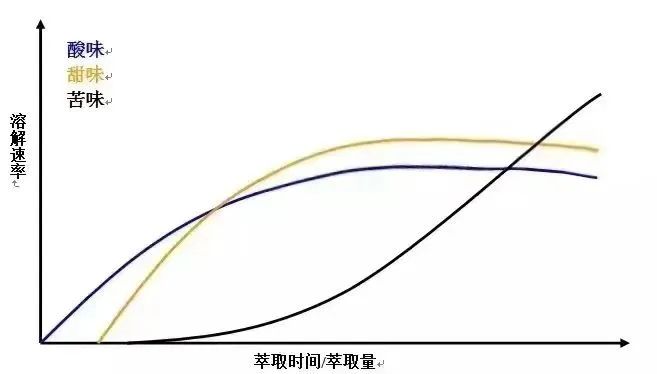
Extraction efficiency determines the speed at which coffee substances are extracted. Under the premise that other parameters are consistent, the higher the water temperature, the faster the substances are extracted.
Generally speaking, the water temperature needs to be set according to the roast level of the coffee beans. Light-roasted beans need higher water temperatures for extraction because the roasting time is short and the bean density is high; only higher temperatures can fully dissolve the substances. Dark-roasted beans have lower density, and too high a water temperature can easily bring out substances that shouldn't be dissolved, so the temperature needs to be lowered to reduce the release rate of negative substances.
(The water temperatures used by Front Street are: light roast 91°C–93°C; dark roast 87°C–89°C)
The Grind Size of Coffee Grounds
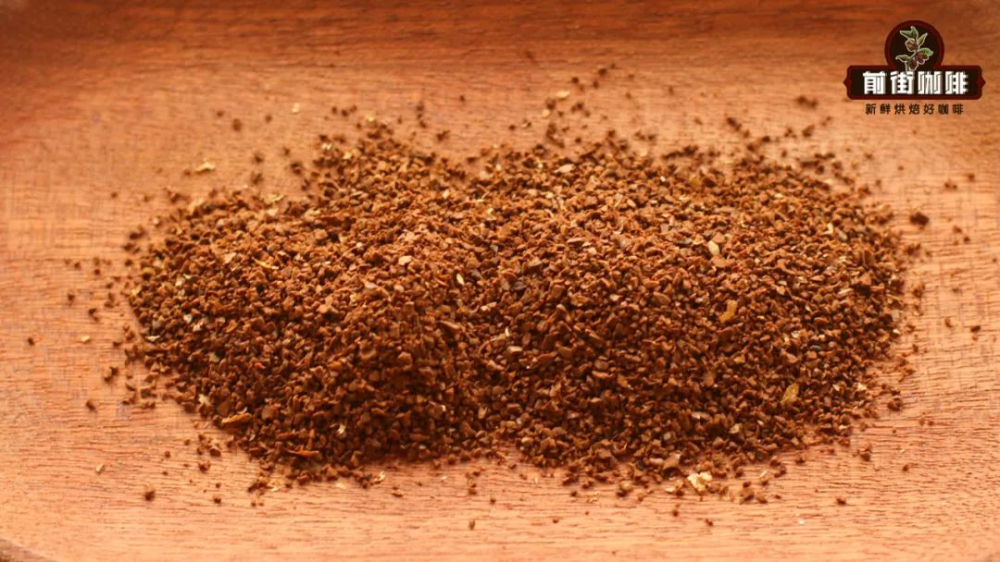
The coarseness of the grind determines the surface area that water flow can contact. The finer the grind, the larger the surface area the water flow can contact, and at the same time, the shorter the distance from the outside of the particle to the center, allowing water flow to penetrate into the interior of the coffee grounds in a shorter time, thereby achieving a faster extraction speed.
Of course, finer is not always better. Just like water temperature, different roast levels correspond to different suitable grind sizes. Moreover, coffee grounds produce extremely fine particles (fines) during grinding, and the finer the grind, the more fines are produced. Since the extraction efficiency of fines differs from that of larger particles, an appropriate amount of fines can add a certain layering to the coffee. But note: if there are too many fines, not only will they fail to bring positive effects, but during brewing they will also clog the filter paper's pores, prolonging the extraction time and leading to over-extraction.
(The grinds used by Front Street are: light roast at 80% pass rate through a No. 20 sieve; dark roast at 75% pass rate through a No. 20 sieve)
Coffee-to-Water Ratio
The coffee-to-water ratio refers to the ratio of coffee grounds to water poured when making coffee. It mainly determines the concentration of a cup of coffee: at the same extraction rate, the larger the ratio, the higher the concentration, and vice versa.
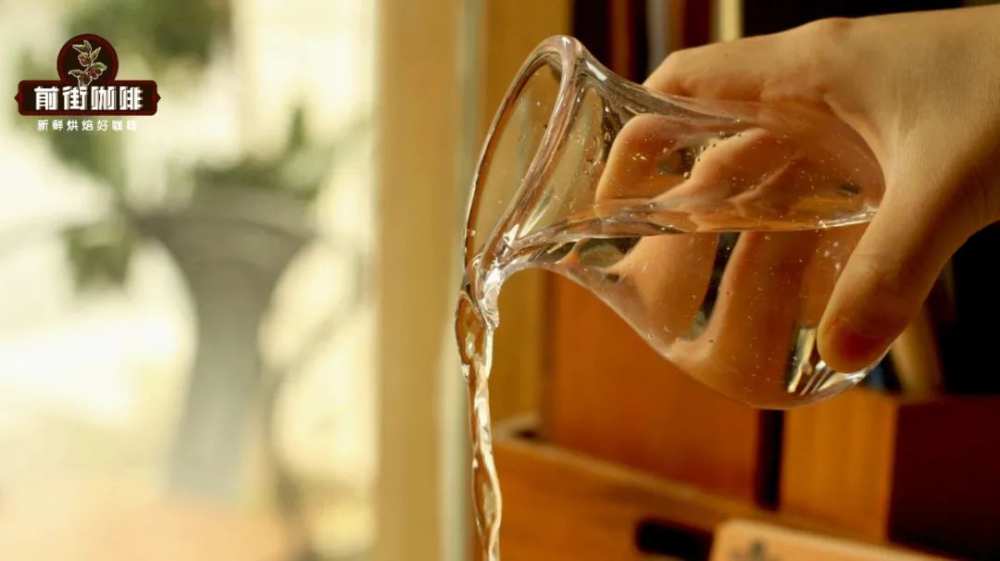
Likewise, the coffee-to-water ratio is also affected by other parameters and the brewing method, and needs to be adjusted according to personal taste preferences or the brewing method.
(Generally, the coffee-to-water ratio used by Front Street is 1:15)
Brewing Time
Brewing coffee takes time. From the moment hot water contacts the coffee grounds to the moment the last drop of coffee liquid leaves the dripper, this period is the brewing time.
The longer the brewing time, the longer the contact time between hot water and coffee grounds, and therefore the higher the extraction efficiency; the shorter the brewing time, the lower the extraction efficiency under the same parameters. Brewing time is mainly affected by the seepage speed, and there are many factors that can affect the seepage speed.
For example, grind size: the finer the grind, the smaller the gaps between particles, the slower the water seeps through, and the longer the time is drawn out. Another example is the coffee-to-water ratio: the smaller the ratio, the more hot water is poured, and the time will also increase with the amount of water. There are also the filter paper and dripper: the thickness and material of the filter paper, as well as the dripper's drainage design, all affect the seepage speed.
(Based on the above parameters, Front Street controls the brewing time at 2 minutes ±5 seconds)
In addition to the above settable parameters, there is one more factor that affects extraction efficiency, and that is: water flow.
Water Flow
During brewing, we often pour water in a circular motion while constantly adjusting the pouring height. The core purpose of these two operations is to use the impact force of the water flow to drive the coffee grounds to tumble (agitate), thereby achieving higher extraction efficiency.
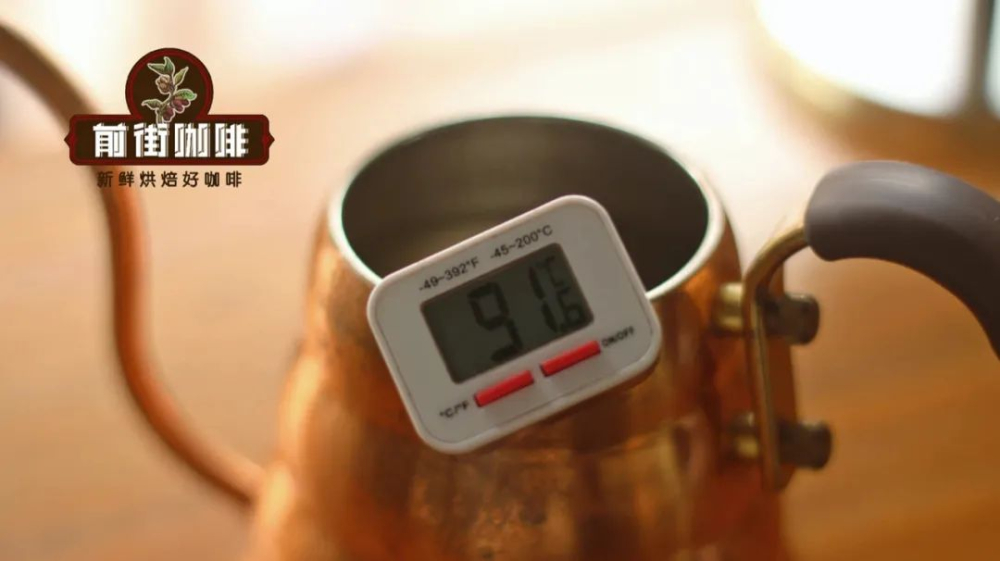
Front Street will still use that familiar example: Banlangen granules. We can make two cups of Banlangen for comparison—same hot water, same dosage, with the only difference being that one cup is stirred and the other is not. The result will show that the unstirred cup definitely dissolves more slowly than the vigorously stirred one. This is the kinetic energy brought by the impact force of the water flow. The higher the impact force of the poured water flow, the more violently the coffee grounds tumble, and the faster the soluble substances are dissolved. For details, please refer to "The Impact of Water Flow on Coffee."
The above are several key factors affecting coffee extraction. Like flavors, they constrain each other. When the extraction efficiency of one factor in the extraction formula changes, to brew an equally delicious cup of coffee, the other factors must also be adjusted accordingly to correct the extraction efficiency back. Most of the brewing methods we are familiar with were born precisely by changing the extraction efficiency at a certain stage.
Of course, there are many other factors that affect brewing that are not mentioned one by one here. But Front Street believes that for beginners, first becoming familiar with and mastering the basic factors above is the way to better absorb other knowledge.
In addition, you should know that if you want to consistently brew good coffee, visualizing the data is very important. A weighing scale for measuring weight, a timer for timing, a sieve for measuring grind size, and a thermometer for measuring water temperature are all tools that can visualize data. During brewing, as long as you record the current parameters, you can freely adjust them later or replicate that cup of coffee.
The above content is compiled by CoffeeHunters, a coffee news website.


