







Introduction
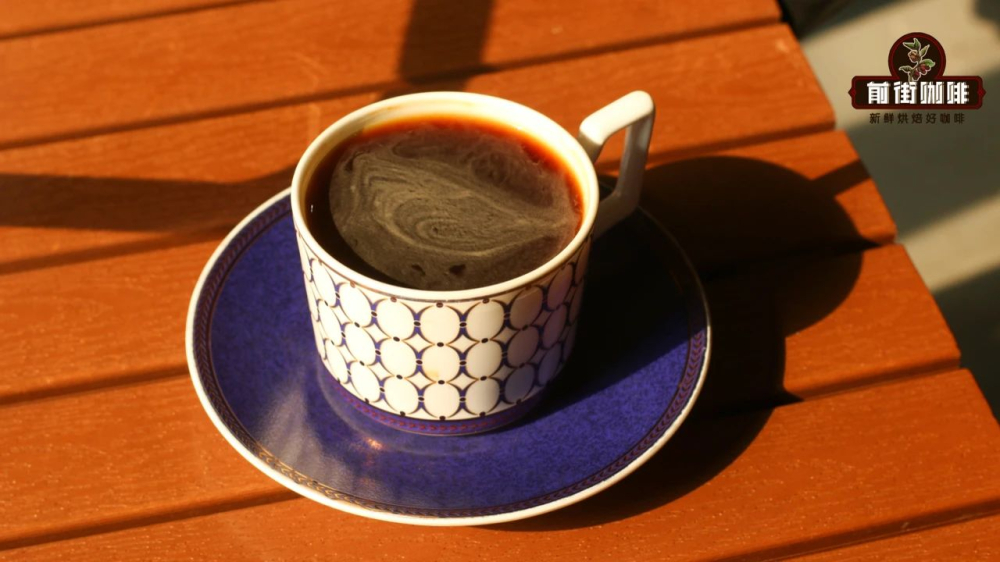
Americano is arguably a type of coffee that many consumers enjoy greatly. It is convenient, quick, and can rapidly satisfy most people's caffeine needs. At the same time, it consists of only water and espresso, making it a type of what we commonly call black coffee. Black coffee reflects the quality of the coffee beans and their inherent flavors, so many "SOE" single-origin espressos made into Americanos are like a cup of pour-over coffee with a fuller mouthfeel.
Making an Americano is very simple: the first step is to extract espresso, and the second step is to add water, and it's ready to serve. But often the simplest things test a barista's skill the most, because there are no factors like milk that can alter or modify the coffee's flavor. Therefore, Americano is the beverage that best showcases a barista's espresso extraction skills and a shop's quality control capabilities. Many baristas say that when visiting other cafés or grabbing a caffeine fix, their first choice is an Americano.
But many customers also report that they sometimes get a bitter Americano. So, is Americano supposed to be bitter? Actually, besides bitterness, coffee also has acidity and sweetness. Through our sense of taste, we can perceive coffee's sourness, sweetness, bitterness, and saltiness. Different varieties, processing methods, and other factors affect the ratio of these flavors, making it easier for us to perceive one or several of them. For example, Panama Geisha coffee has relatively low bitterness, while SL28 and SL34 varieties that have adapted to Kenya's high-phosphate soil exhibit extremely high acidity and aroma.
But what could cause excessive bitterness in an Americano?

Reason One
The inherent flavor of the coffee beans
Black coffee like Americano is mainly influenced by the inherent flavor of the coffee beans. So the first reason an Americano tastes bitter may be that the chosenespresso beansthemselves have a predominantly rich and heavy flavor.
The rich flavor of espresso beans comes from their intense origin characteristics and a relatively dark roast level. Take Front Street Coffee's Front Street Signature Blend coffee beans as an example: washed Colombian coffee beans are blended with Brazilian coffee beans. The Colombian beans give this blend its dark chocolate base note, while the Brazilian beans provide nutty tones and higher body. Front Street Coffee's roasters roast this blend to a medium-dark level, giving it a wonderful balance—medium-low acidity and medium bitterness.
Front Street Coffee's stores used this Front Street Signature Blend for many years, only switching to the Warm Sun Blend at the end of 2019. Compared to the Front Street Signature Blend, the Warm Sun Blend reduces bitterness and increases acidity, with flavors leaning toward liqueur chocolate. This is an example of how bean selection affects the taste of Americano.
Reason Two
Over-extraction
Besides bean selection, the bitterness of an Americano also comes from extraction errors, such as uneven extraction caused by channeling, or over-extraction due to grinding too fine.
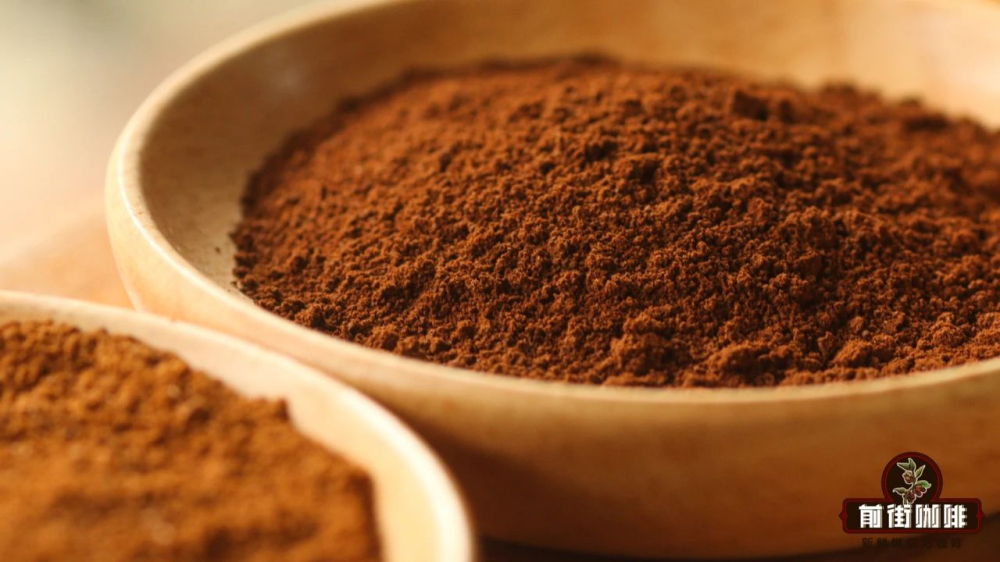
Front Street Coffee often shares that, calculated by the weight of the coffee beans, only about 30% of the coffee bean can be extracted. And it's not that the more of this 30% is extracted, the better. According to the recommended range of the Golden Cup standard, an extraction of about 18% to 22% is most suitable. Below 18%, we call it under-extraction, which manifests as sharp acidity and weak flavor in the coffee. Above 22%, we call it over-extraction, commonly known as over-extracted, which typically manifests as intense bitterness.
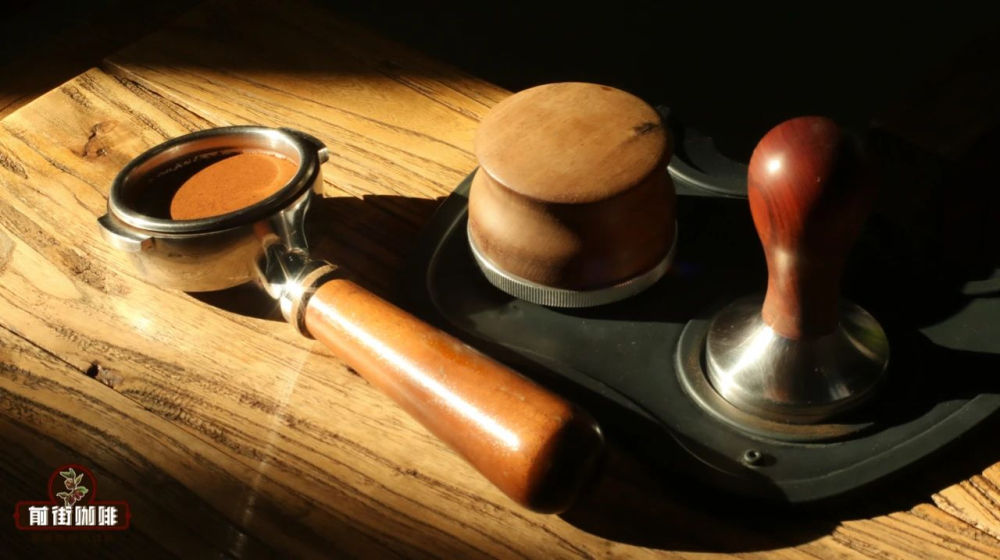
To ensure consistency and that the coffee tastes ideal every day, Front Street Coffee's baristas need to adjust the espresso parameters before opening for business each day, adjusting according to the beans' condition that day. For example, today the barista at Front Street Coffee's store adjusted the parameters to extract 35 grams of coffee liquid from 20 grams of coffee grounds, with an extraction time of 25 seconds. Compared to the previous 20 grams of coffee grounds extracting 40 grams of coffee liquid, today's parameters reduce bitterness by cutting the tail end, achieving a more balanced flavor.
The above content is compiled by CoffeeHunters, a coffee news website.


