








Standard Espresso Extraction Time – The Difference Between Americano and Espresso

Front Street Coffee has noticed that many friends have fallen in love with espresso topped with golden crema and hope to make it at home. Compared with pour-over, espresso is made using steam pressure: scalding hot water is forced through the coffee grounds to brew a small, rich, intensely flavored shot. Although it looks simple to operate, changes in the details of the parameters will affect the quality of the coffee produced, so every step must be handled rigorously and every parameter must be carefully considered.
Before espresso came into being, coffee was brewed by immersion, which required not only finely grinding the coffee beans, but also a slow extraction and a long wait. In order to speed up the brewing process, Italians came up with the idea of using steam pressure to force high-temperature, high-pressure water through the coffee puck, thereby accelerating what was originally a drip-style extraction. Through continuous improvement and innovation, this gave rise to the semi-automatic and fully automatic espresso machines we commonly see today.

Common commercial espresso machines can provide a stable atmospheric pressure of more than nine bars and hot water above 90°C. The high pressure forces the hot water quickly through the finely ground coffee, extracting a coffee liquid rich in crema, with intense aroma and a full-bodied mouthfeel. In order to extract an ideal shot of espresso, the barista's job is to master the various parameters that affect coffee flavor and then adjust them into the optimal extraction range.
There are many factors that affect the flavor from a coffee bean to a cup of coffee liquid, including grind size, coffee machine boiler pressure, water temperature, distribution and tamping force, dose, extraction time, extraction yield weight, and so on. Usually, the machine's pressure and water temperature are set in advance and are not easily changed. Distribution and tamping force are controlled according to the barista's habits. In daily practice, the four major factors used to adjust extraction are dose, time, liquid yield, and grind size.
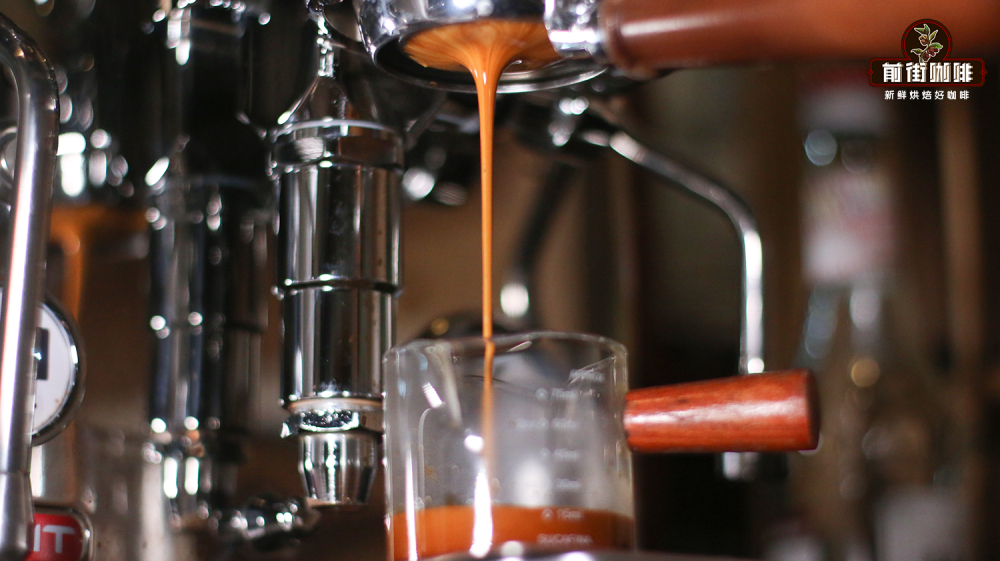
The coarseness and uniformity of the grind are the most important factors affecting the change in flow rate between each cup of espresso. A difference of just 1 gram in dose can cause a difference of several seconds in the flow time needed to extract the same amount of espresso liquid. When coffee particles are uneven in size, the areas of higher density after tamping create greater resistance to water passing through, making the extraction distribution uneven. The grind directly affects the coffee liquid's flow rate, time, and flavor changes.
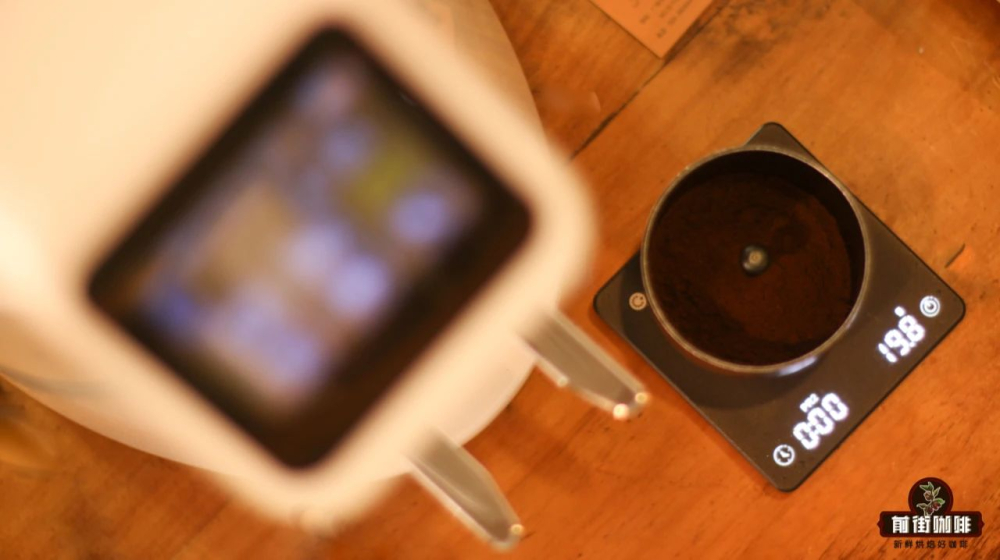
The ratio of dose to extraction liquid weight is what we often call the coffee-to-liquid ratio, and it is a relatively intuitive extraction parameter. The dose depends on the capacity of the basket model in the portafilter, divided into double and single types. For example, the coffee machine at Front Street's store uses a 20-gram double dose of coffee grounds, and adjustments are made up or down from this baseline (accurate to 0.1 gram). Since the coffee-to-liquid ratio is not fixed, the coffee yield should be determined by how the coffee flavor performs.
In the past, baristas did not have precise weights and would directly observe the color change of the crema to determine how much liquid to yield. When it first came out, it appeared dark brown and fairly rich; over time the color gradually turned golden yellow, then light yellow. Generally, when the crema became pale, it meant extraction needed to end. Today's espresso extraction standards are more rigorous, with more stable data summarized, and the coffee-to-liquid ratio also tends toward a fixed reference value of 1:2. For example, Front Street's store uses 20 grams of coffee grounds and extracts 40 grams of liquid yield.
Extraction time is affected by the mutual influence of several key factors above, and generally espresso extraction time is between 25 and 30 seconds. When the coffee-to-liquid ratio is fixed, the shorter the extraction time, the fewer coffee substances are dissolved; the longer the extraction time, the more coffee substances are dissolved. With the same coffee-to-liquid ratio, if you want to change the extraction time, you can only do so by adjusting the coffee's grind size and dose.
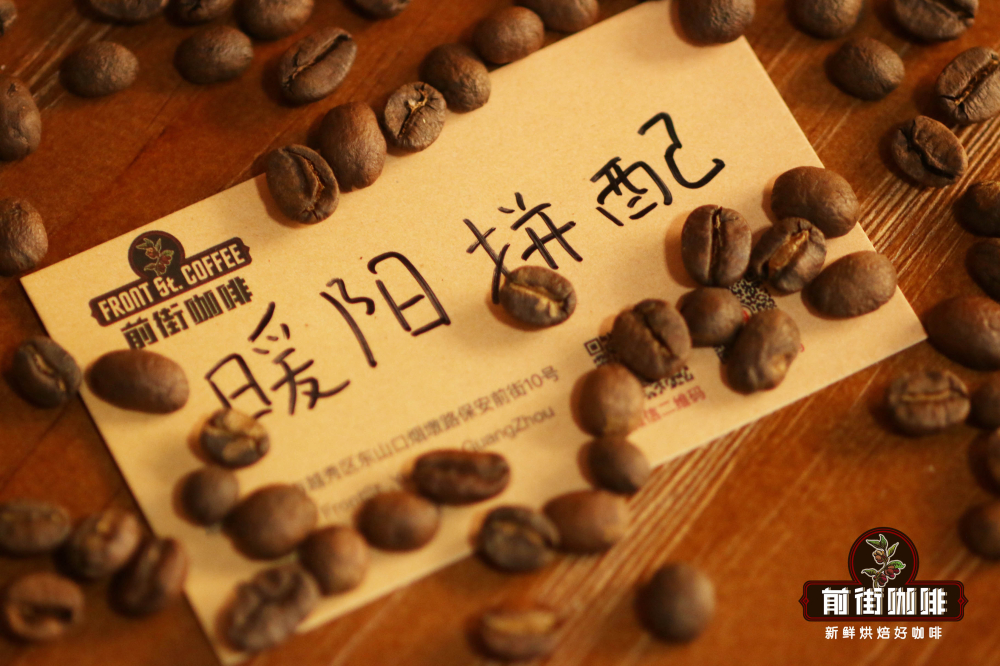
Once we understand the relationships among the various influencing factors, we can make adjustments based on the state of the coffee liquid and the impression after tasting. The expression of coffee flavor depends on the espresso beans we use. Here, we use our own roasted "Front Street Sunflower Warm Sun Blend," made by combining sun-dried Yirgacheffe Red Cherry coffee beans with Honduran coffee beans. Under ideal conditions, the espresso presents fermented wine aroma, vanilla, cream, and berry acidity. Made into milk coffee, it has a flavor like vanilla cookies, with very rich layers.

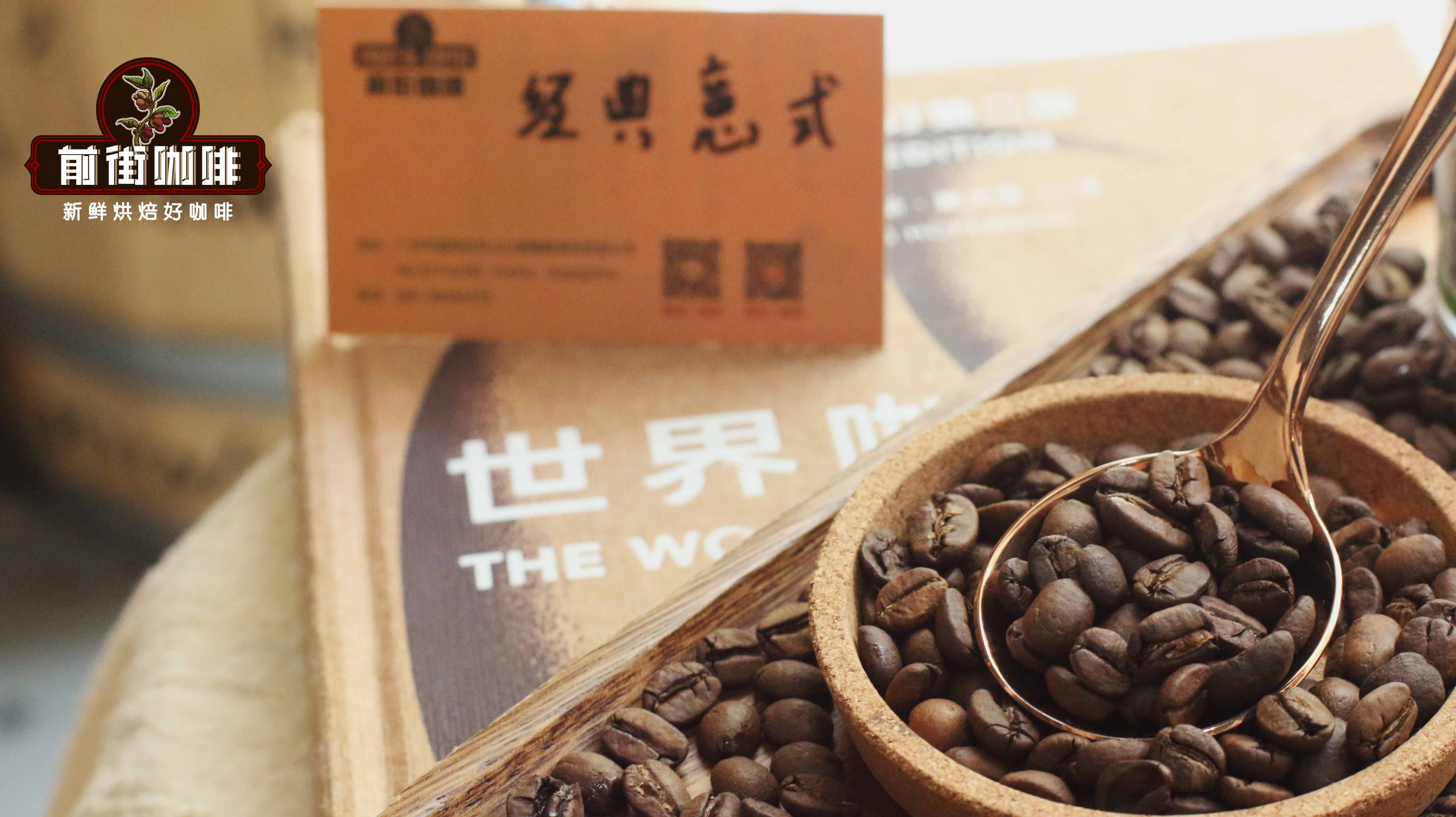
For those who like mellow, aromatic coffee, Front Street's Classic Espresso Blend is recommended. This is a recipe combining three origins: Brazil, Indonesia, and Vietnam. It uses a dark roast, which maximizes the coffee's mellow aroma. The extracted espresso not only has rich, dense golden crema, but on the palate you can also feel the aromas of dark chocolate, caramel, butter, and roasted almonds, with very rich layers. It can be purchased at Front Street's Taobao store or Front Street's Tmall flagship store.
For example, the extraction parameters for Front Street's first espresso shot were: 19.8 grams of coffee grounds, 40 grams of coffee liquid yield, and 26 seconds, with a relatively fast flow rate. The coffee tasted thin, with the wine aroma and fruit aroma not obvious, and a lingering astringency in the finish, possibly due to under-extraction and too much extraction in the later stage. Front Street would increase the dose and reduce the liquid yield to make the coffee flavor more concentrated. When the coffee has no astringency and the wine aroma becomes stronger, that means the direction of adjustment is correct.

If the flow rate is still too fast and the aroma is not enough, it may be insufficient extraction, so the grind size needs to be made finer and the extraction time extended. If the flow rate is slow and the taste is strongly bitter or sharply sour, it is very likely over-extraction, and the extraction rate needs to be lowered; this can be done by reducing the dose and making the grind coarser so that more liquid yield is produced in the same extraction time.
Front Street believes that as long as we straighten out the relationships among the extraction parameters, it is not difficult to dial in a delicious espresso. But we need to be clear that most home espresso machines are not as stable in function as commercial machines and produce very few cups, which also places greater demands on our grasp of the parameters. Front Street suggests recording the parameters and flavor performance of daily extractions that taste good, and comparing and summarizing them more, which will help improve our adjustment efficiency.
For more coffee origin information and coffee knowledge, please followCoffeeHuntersToutiao account
The above content is compiled by CoffeeHunters, a coffee news website.


