







For more coffee origin news and coffee knowledge, please followCoffeeHuntersToutiao account
Every coffee shop's job before opening for business is to dial in a qualified and delicious espresso. We know what delicious means, but what is a qualified espresso? Today Front Street will talk about espresso extraction.
The Extraction Principle of Espresso
Espresso (Italian: Espresso) is essentially a percolation method using a precision metal filter. Compared with gravity percolation (pour-over), the biggest difference is pressure.
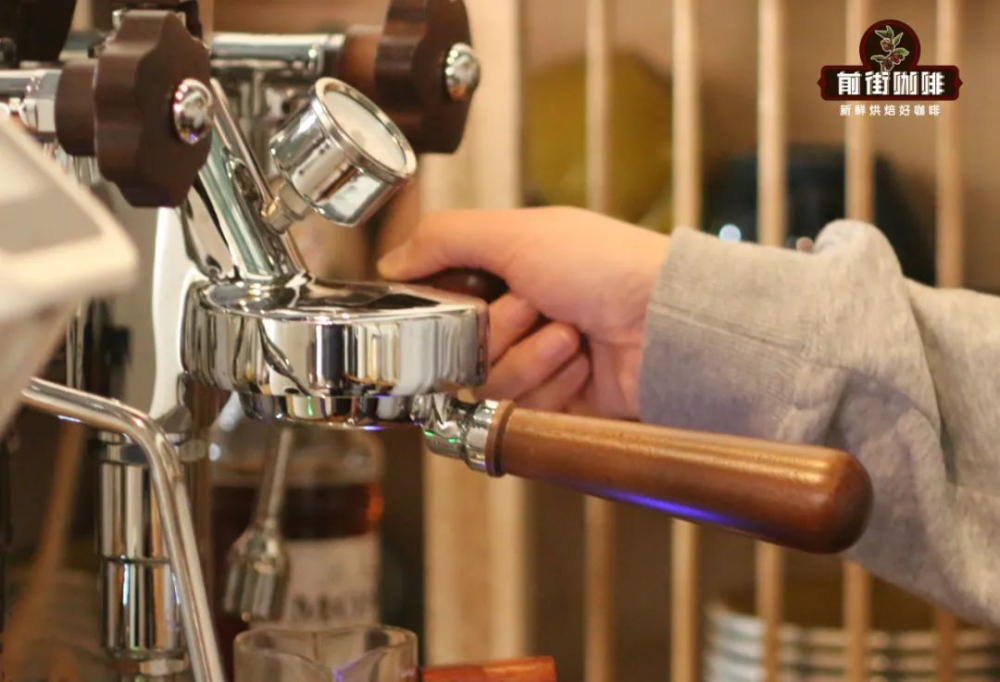
The espresso machine pushes high-pressure water through the coffee puck, which means that even when the coffee grounds themselves are extremely fine, moderate percolation and balanced extraction can still be ensured. The finer the coffee grounds, the more their surface area grows at an exponential rate, so one major advantage of very fine grounds is that extraction is especially fast. Not only fast, but also better in quality. High pressure can force water into the internal cell walls of the coffee particles, extracting emulsified oils and dissolving sugars in ways that gravity alone cannot achieve.
Espresso symbolizes coffee with complex and concentrated flavors. No other brewing method can present such body and texture. To get a delicious cup of coffee, excellent extraction is essential, with the aromatic compounds and taste compounds in the cup reaching balance. Simply put, the acidity, sweetness, and bitterness must all be pleasant, so tasting is needed to judge the condition of the espresso.
Why can't espresso be extracted twice?
Coffee extraction is a complex physical process. By bringing coffee grounds into contact with water, the soluble components in the coffee are transferred into the water, thereby producing coffee liquid. Roasted coffee beans consist of soluble aromatic substances (about 30%) and lignocellulose (about 70%). The Golden Cup standard holds that when the coffee extraction yield is within the range of 18-22%, the extracted coffee substances are relatively delicious.
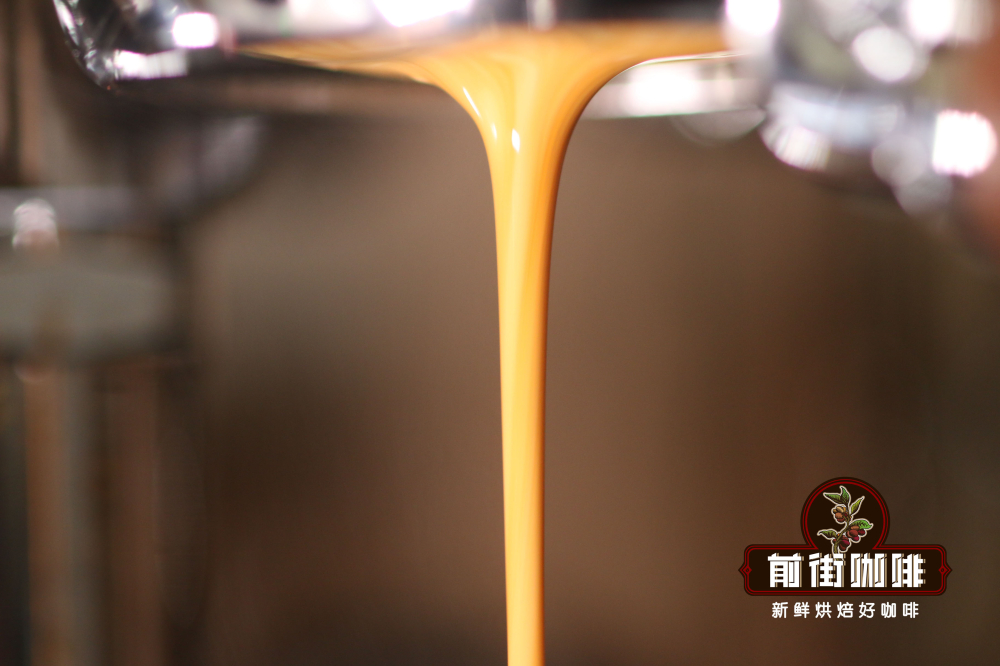
Soluble aromatic substances adhere to the cell walls of roasted beans. After contact with water, they are dissolved and carried out with the water, which is what we call coffee extraction. The darker the coffee beans are roasted, the looser their internal structure becomes, and the substances within them are more easily broken down and released. When water is continuously poured over the coffee grounds, aromatic substances are released. After about 22% of the aromatic substances have been brought out, if water continues to be added or a second brew is made, what continues to be released are large-molecule substances with off-flavors.
Factors Affecting Espresso Extraction
Just like pour-over coffee, the extraction parameters of espresso play a crucial role in the coffee's flavor, but they are not fixed numbers. For example, when brewing tea, both extending the steeping time and reducing the amount of water can produce a stronger pot of tea. The same applies to coffee extraction liquid. As long as you understand the relationships between the parameters, extracting a delicious espresso is not difficult. Below, Front Street will use the shop's espresso output as an example to discuss several key factors in extraction. The espresso beans used at Front Street are the house-roasted "Sunflower Warm Sun Blend," made from a blend of Honduras Sherry and Ethiopia Yirgacheffe Natural Red Cherry.
1. Dose-to-Yield Ratio
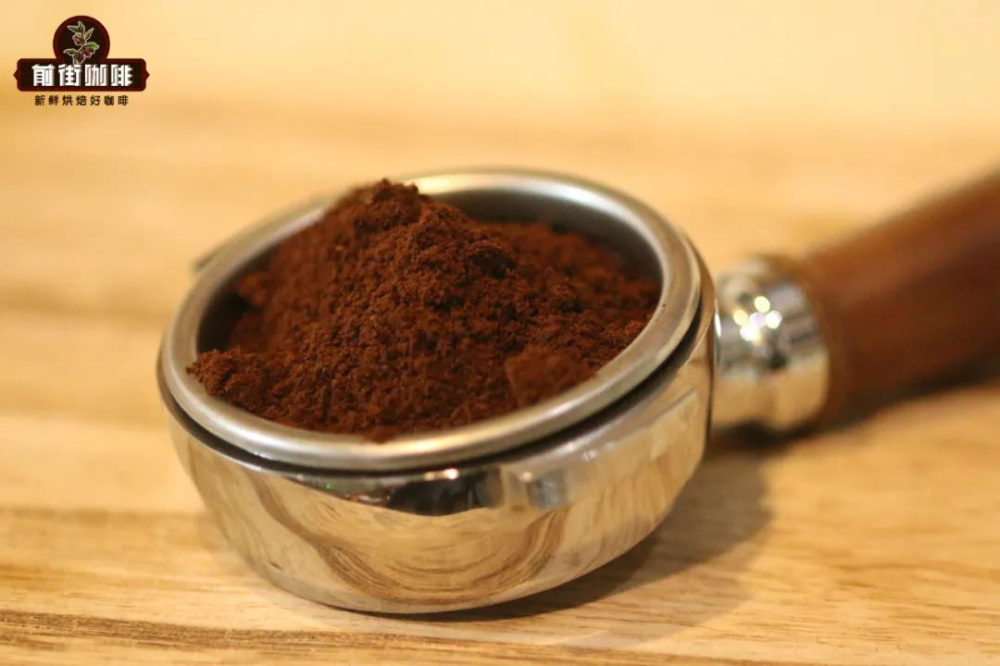
The extraction ratio includes the dose of coffee grounds and the weight of extracted coffee liquid. The amount of coffee grounds roughly depends on the size of the filter basket. The coffee machine at Front Street's shop is paired with a 20-gram capacity double basket, and 20 grams of grounds are used for output, then adjusted up or down according to that day's espresso extraction condition.
As Front Street mentioned above, the more water added to the coffee, the lower the concentration of the coffee liquid, the flatter the mouthfeel, and the less concentrated the flavor, so an appropriate coffee-to-water ratio is very important. The dose-to-yield ratio is generally between 1:1.5 and 1:2.5, with 1:2 commonly used, such as extracting 40g of coffee liquid from 20g of coffee grounds.
2. Grind Setting
In most cases, a single espresso only needs a few dozen seconds to complete extraction. In such a short extraction time, to extract the coffee's aroma fully, the coffee grounds need to be ground finer and more evenly, which requires a dedicated electric grinder for espresso extraction grinding.
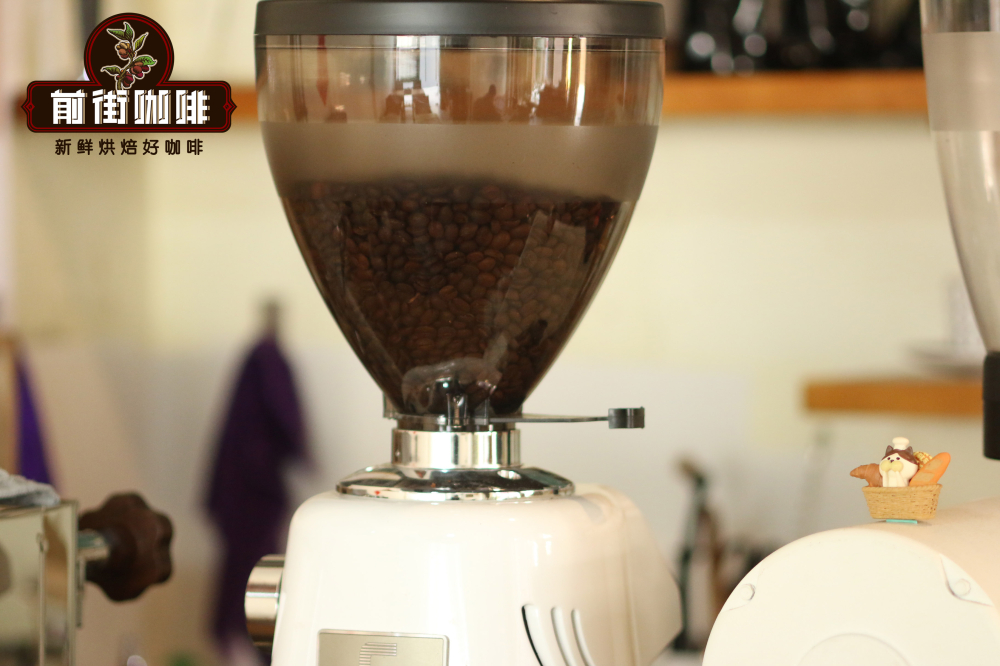
The grind setting needs to be adjusted to a suitable range. If the particles are too coarse, it is easy to under-extract, and the coffee flavor will be thin and rather sour; if the ground particles are too fine, the coffee is prone to over-extraction, with a bitter taste. In addition, because the fineness of espresso grinding is far higher than that of pour-over and other methods, adjustments should not be made too drastically, as this can easily cause excessive variation and make extraction more unstable.
3. Extraction Time
The flavor substances in coffee begin reacting the moment they contact water. Extraction time refers to the period from when we press the extraction button to start timing until the water flow stops, generally controlled at 25-30 seconds. When we fix the dose-to-yield ratio at 1:2, we control the time by adjusting the grind setting and dose. If the time is less than 25 seconds, the espresso may tend to be thin, weak, and noticeably sour. If the time is more than 30 seconds, it may tend toward a burnt-bitter, harsh taste. Front Street's extraction time during output is usually 29-30 seconds, stabilizing the flavor substances while avoiding excessive extraction of large-molecule substances.
4. Flow Rate
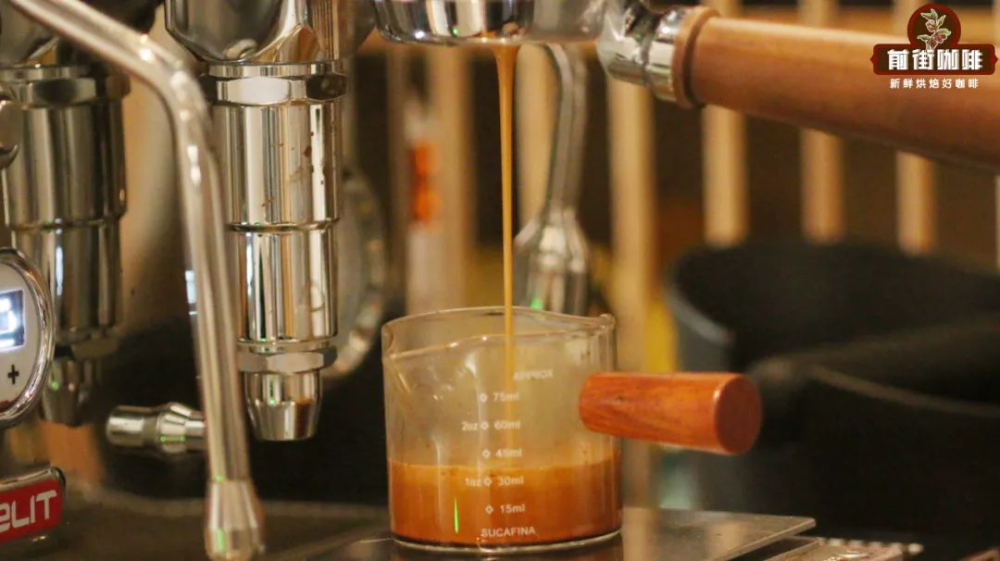
Flow rate is the speed at which the coffee liquid flows down. The ultimate goal of our extraction parameters is actually a result in flow rate.
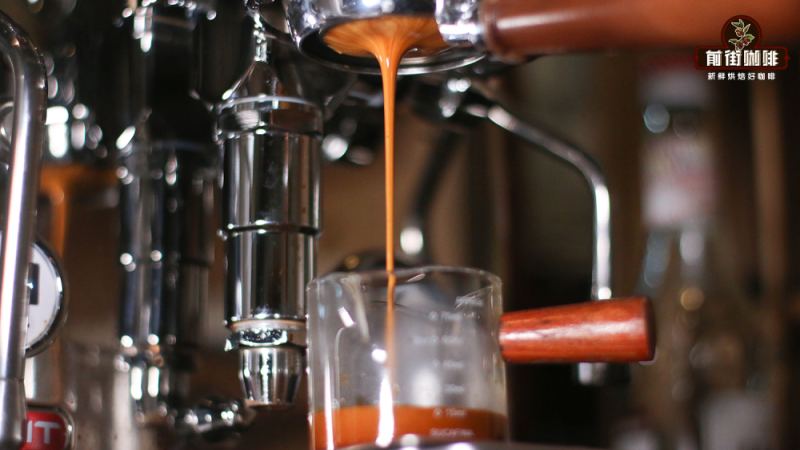
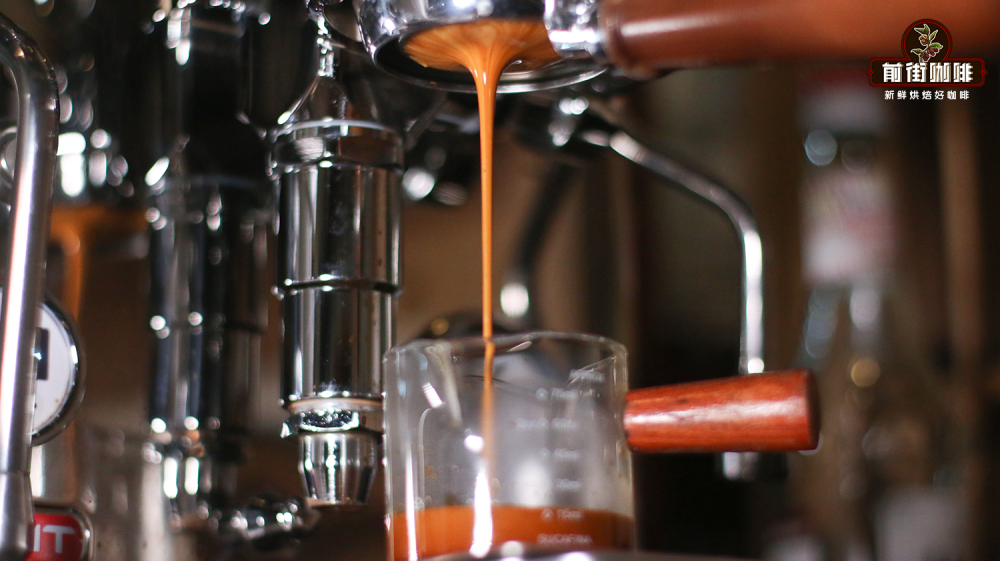
Normally, a proper espresso should begin dripping its first drop of coffee liquid around the fifth second after pressing the extraction button, with the subsequent flow relatively even. The speed of the flow rate directly reflects whether the grind setting and ratio are appropriate. If it takes more than 10 seconds (excluding pre-infusion) for the first drop of coffee liquid to appear, then the grounds may be too fine, or the tamp may be too dense. If the flow rate is too fast or spraying occurs, then the grounds are too coarse, or channeling is occurring.

5. Pressure and Water Temperature
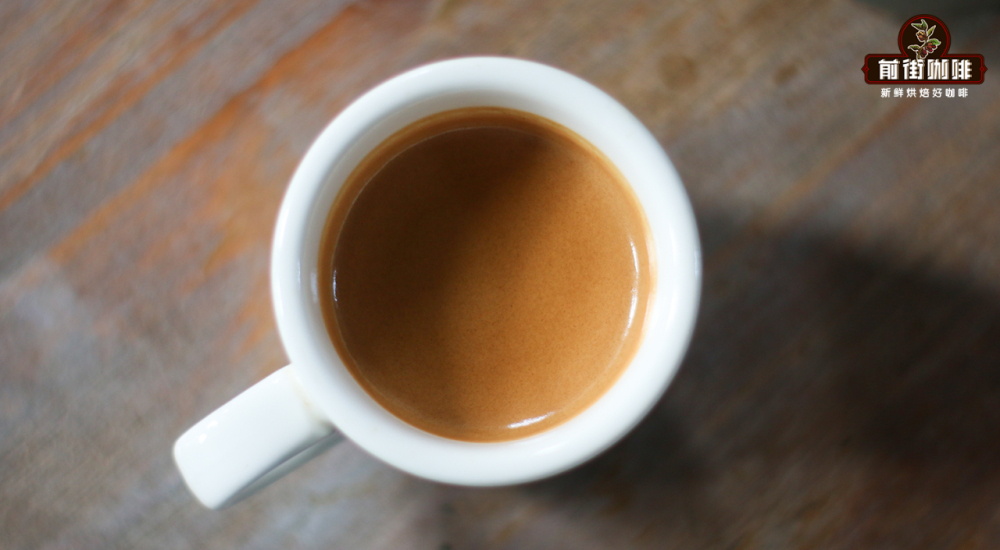
When we have just extracted a cup of espresso, we can notice a layer of crema on top made up of a large number of small bubbles. We call this crema, and it is also a unique sign of espresso made with fresh coffee beans.
Coffee beans produce a large amount of gas during roasting. Under high pressure, water dissolves out the carbon dioxide within them, but as the brewed coffee liquid gradually returns to normal atmospheric pressure, the coffee liquid can no longer trap all the gas components, so countless small bubbles emerge from the liquid. These bubbles remain on the surface of the coffee liquid, looking like a stable layer of "foam." Because the gas inside coffee beans continues to be released over time, the longer the time since the roast date, the lower the carbon dioxide content, and the less foam layer there is during extraction. Therefore, freshly roasted coffee beans and sufficient pressure are indispensable factors in forming crema.
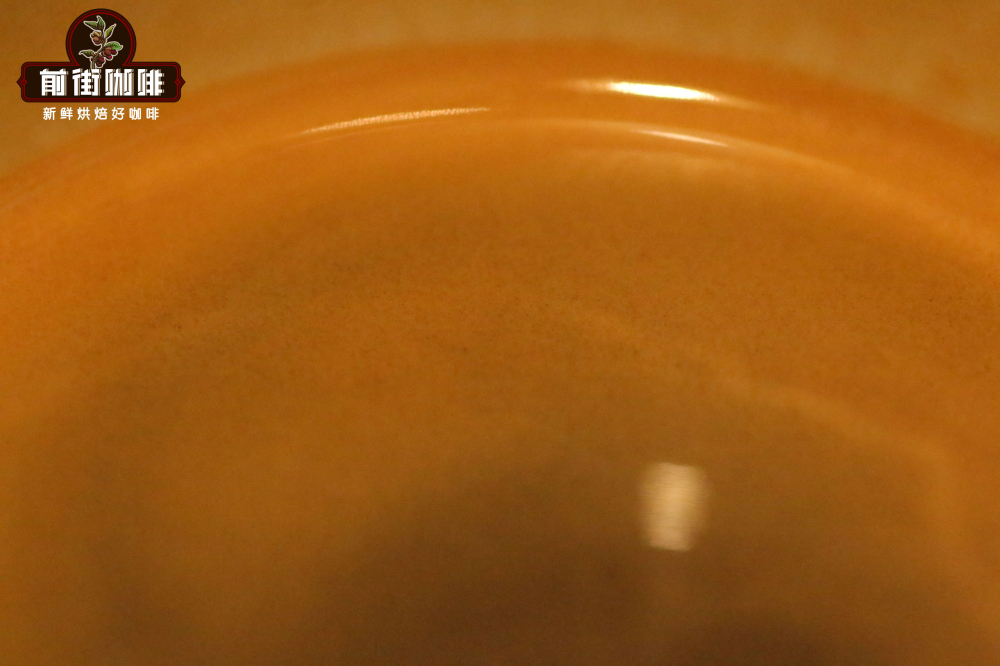
Usually, the extraction pressure of a semi-automatic coffee machine is around 9-10 bar, and the water temperature is generally 90-94 degrees Celsius. The higher the water temperature, the more substances are released in the same amount of time. Too high a temperature can easily cause the coffee to present a burnt-bitter taste, while too low a water temperature leads to under-extraction and a flat flavor.
Espresso Coffee Bean Recommendations
A delicious dish cannot be separated from good ingredients, and a delicious cup of espresso naturally also requires high-quality coffee beans with excellent flavor. Front Street's bean list has a total of four espresso coffee beans, all espresso blends that Front Street developed through repeated comparison and blending.
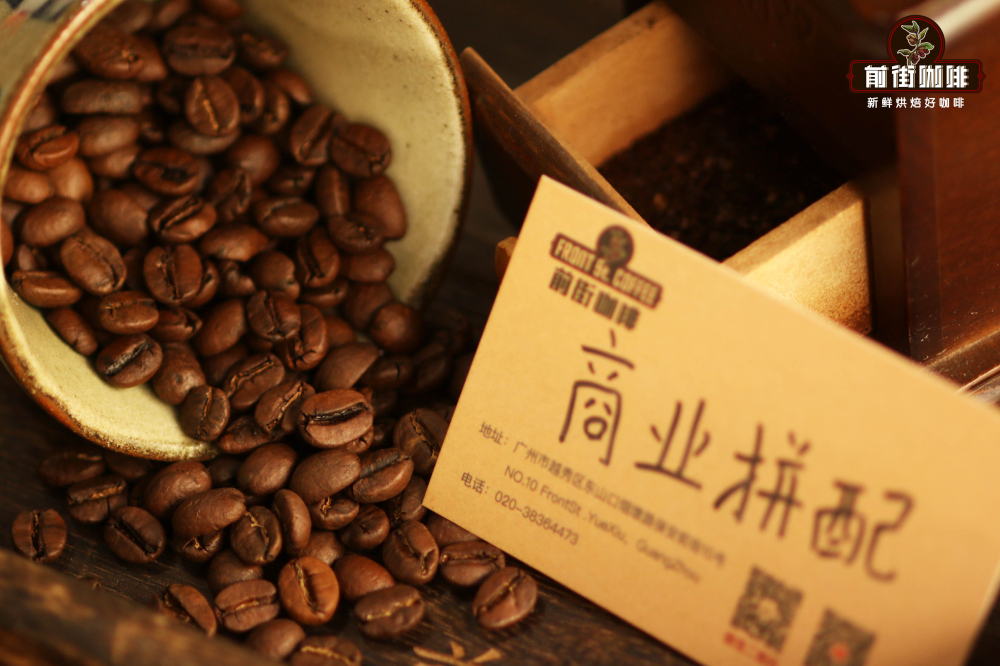
Classic Full-Bodied Type — Front Street Commercial Blend Coffee Beans
Washed Robusta coffee beans (10%) + washed Colombian coffee beans (30%) + semi-washed Brazilian coffee (60%)
The espresso produced has rich golden crema and a nutty aroma. When tasting, there is a roasted coffee bitterness, but it is accompanied more by a creamy, full mouthfeel, and after swallowing, the bitterness dissipates along with it, leaving a lingering fragrance on the lips and teeth.

Slightly Acidic Full-Bodied Type — Front Street Dark Cocoa Blend Coffee Beans
Washed Yunnan Arabica coffee beans (30%) + semi-washed Brazilian coffee beans (70%)
The soft acidity of Yunnan Arabica combined with the full-bodied aroma of Brazilian Cerrado coffee gives the espresso a taste of caramel, nuts, and gentle plum acidity.

Balanced Rich-Aroma Type — Front Street Specialty Blend Coffee Beans
Washed Colombian coffee beans (30%) + semi-washed Brazilian coffee beans (70%)
By adding Colombian coffee to the nutty notes of classic Brazilian coffee, the espresso presents a dark chocolate flavor, caramel sweetness, and a full roasted aroma.
Delicate Wine-Aroma Type — Sunflower Warm Sun Blend Coffee Beans
Made from Ethiopia Natural Red Cherry coffee beans (30%) + Honduras Sherry Barrel coffee beans (70%), the espresso has a very rich dark chocolate flavor on entry, with a strong caramel aroma, and the fragrance released after swallowing is endlessly memorable. Whether it is an Americano diluted with water or a latte supported by milk, both present a rich aroma and mouthfeel.
For professional coffee knowledge exchange and more coffee bean information, please follow Coffee Workshop (WeChat public account: cafe_style)
For more specialty coffee beans, please add the private WeChat Front Street Coffee (FrontStreet Coffee), WeChat ID: qjcoffeex
The above content is compiled by CoffeeHunters, a coffee news website.


