







What Causes Slow Pour-Over Drawdown in Density Coffee?
Slow pour-over drawdown in density coffee traces back to three main causes: too many fines, excessive agitation, and high bean density. Fines under 0.1mm clog the filter paper pores, so water stalls above the coffee bed and extraction can drift toward over-extraction. Coarsening the grind, pouring more gently, or sifting out part of the fines with a sieve are practical ways to restore flow.
Dense beans such as a Yirgacheffe lot resist water flow because they fracture differently during grinding and often shed more fines than softer beans. Clogging does not automatically mean over-extraction, so taste should decide whether any adjustment is needed. Change one variable at a time, keep pours gentle, and compare the cup before altering grind size again.
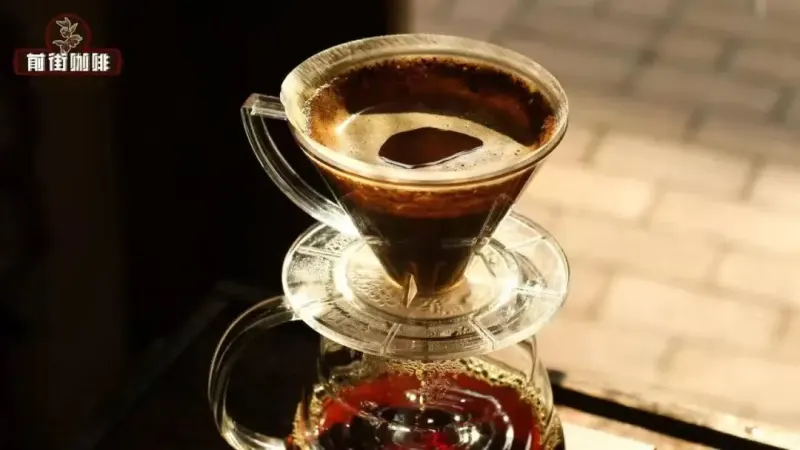
When pouring over coffee, the water in the dripper not going down is a problem many enthusiasts encounter. The causes of clogging are not singular; too many fines, excessive agitation, and high coffee bean density can all slow down the water flow. This article starts from these three common factors, analyzes their causes one by one, and offers corresponding improvement ideas—including coarse grinding with slow extraction, using a sieve, and adjusting pouring techniques. It will also explain that clogging does not necessarily mean over-extraction, and whether to adjust should ultimately be based on the taste of the coffee. Front Street will share brewing experience with high-density bean varieties, using the Yirgacheffe Gudingding from its own bean list.
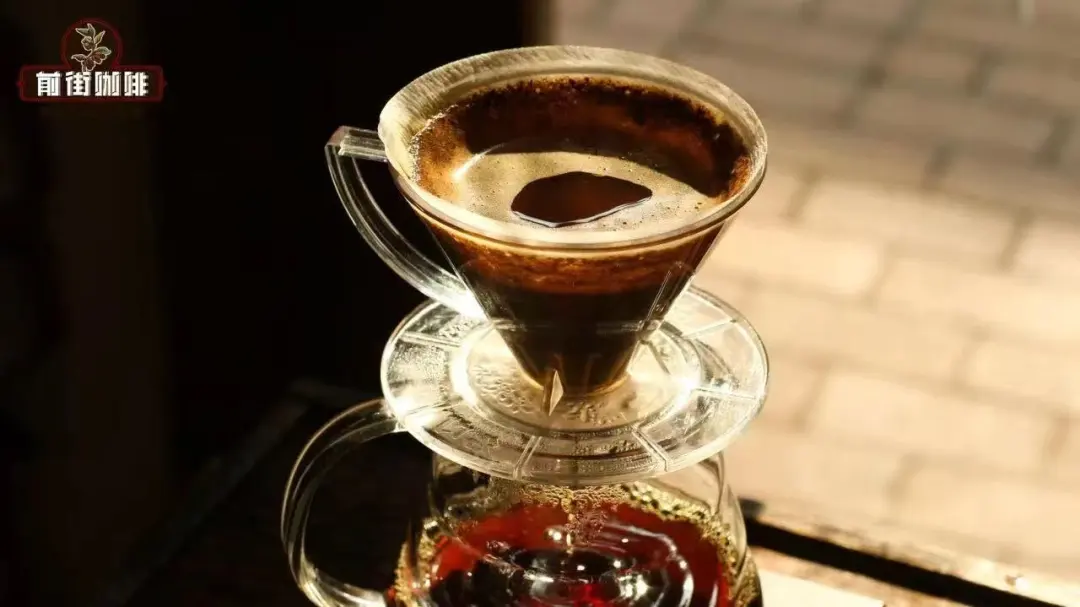
Today, Front Street wants to talk with everyone about the reasons that make it difficult for water to pass through smoothly during coffee brewing, and what improvements we can take in these situations.
I. Too Many Fines
When it comes to clogging during brewing, most people first think of excessive fines. The fines mentioned here refer to particles with a size of less than 0.1mm; as long as coffee beans are ground, a certain amount of fines will inevitably be produced. Their quantity is related to the coarseness of the grind, the grinding quality of the grinder, and the condition of the coffee beans themselves.
When the grind setting is finer, the coffee beans are more brittle, or the grinder performs worse, the ground coffee will contain a large amount of extremely fine powder. Conversely, the situation is the opposite.
Because the particles are extremely small, fines can block the pores of the filter paper and slow down the water flow. Once there are too many fines, a large number of filter paper pores become clogged, and the flow rate during brewing will noticeably decrease, possibly even causing over-extraction.
For this situation, there are two solutions. The first is the "coarse grind, slow extraction" previously introduced by Front Street, which means coarsening the grind to reduce the amount of fines, then extending the extraction time to compensate for the extraction efficiency lost after coarsening; the second is to use a sieve to directly sift out some of the fines.
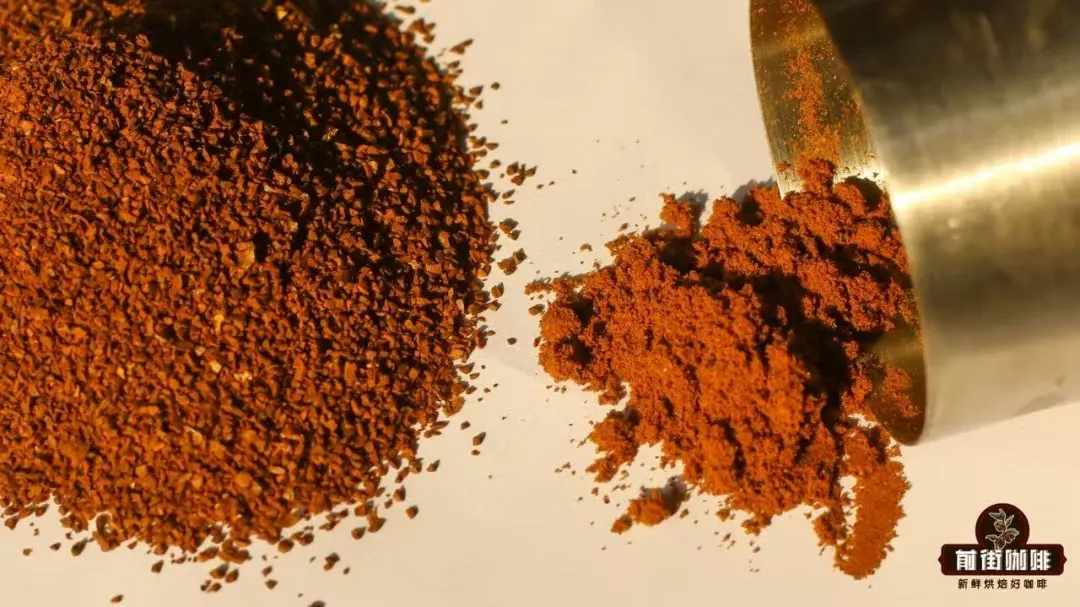
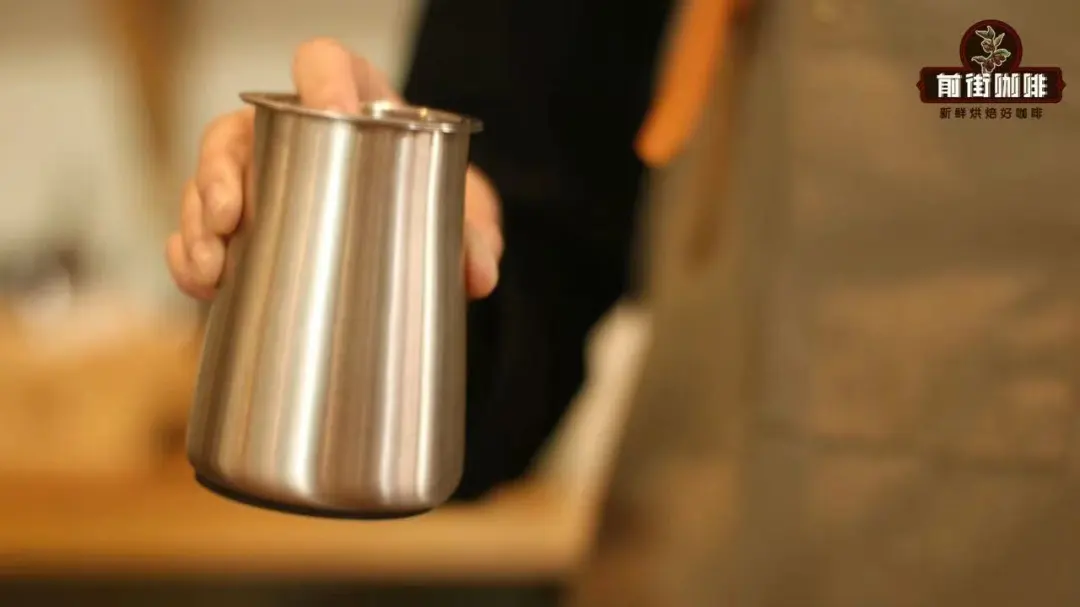
If the problem lies in the grinding quality of the grinder, and it is not convenient to replace the equipment in the short term, then you can buy a sieve and reduce clogging by sifting out some fines, thereby lowering the risk of over-extraction.
However, everyone should be reminded that it is best not to discard all the sifted fines. Keeping an appropriate amount can actually help enhance the coffee's complexity.
II. Excessive Agitation or Shaking the Dripper
Even if the grinder quality is good and the amount of fines is not large, if the water stream causes too much agitation during pouring, or if the dripper is frequently shaken, clogging can still easily occur. The reason is the same: these actions promote the migration of fines and increase the probability that they will block the filter paper.
Because their particle size is very small, fines reach saturation more easily than other normal-sized particles, and after saturation they begin to sink. Large-amplitude agitation or shaking accelerates the speed at which fines settle to the bottom of the dripper, further increasing the possibility of clogging.
Therefore, if clogging is often encountered during brewing, besides checking the amount of fines, it is also worth observing whether your pouring method and operating technique need adjustment.
III. Density Too High
There is another situation that causes clogging: the density of the coffee beans is too high. When coffee beans are roasted lighter, or are grown at higher altitude and have accumulated more internal substances, the density of the beans will be relatively greater.
The higher the density of the coffee beans, the more likely slow drainage is to occur. This is not only because high-density beans often require finer grinding to improve extraction efficiency, but also because high density makes them less easily carried by hot water, so they tend to deposit at the bottom of the dripper and reduce the channels for hot water flow.
Therefore, when brewing this type of coffee bean, Front Street usually tries to reduce the agitation amplitude while dividing the hot water into more pours. In this way, there is no need to worry about fines migrating and clogging the filter paper, and over-extraction can also be avoided during the longer extraction time.
However, it should be explained that the above sharing by Front Street does not mean adjustments must be made; it depends on the actual situation. What situation? Of course, the final taste of the coffee.
Even if clogging lengthens the extraction time, the coffee will not necessarily be over-extracted. This is because the vast majority of coffees are quite resistant to extraction, and Front Street has also found that most friends use relatively conservative parameters, so over-extraction is naturally even less likely.
Taking Front Street as an example, the Front Street Yirgacheffe Gudingding in Front Street's bean list is a high-density coffee bean grown at high altitude and roasted to a medium-light level. Brewing it often requires a longer time. For example, a regular Front Street brew takes about 2 minutes, while brewing this bean may take 2 and a half minutes.

Although the time is longer, drinking it does not show any bitterness, off-flavors, or astringency caused by over-extraction. On the contrary, it performs even better, with a more balanced taste, fuller body, and more prominent flavors; you can clearly perceive white floral notes, lemon, green tea, and a hint of berries. Quite good.
So, everyone does not need to make adjustments immediately whenever clogging occurs. It is better to take a sip of the coffee first, and then judge whether changes are needed based on how the taste performs.
- END -
The above content is compiled by CoffeeHunters, a coffee news website.


