








How long should pour-over coffee extraction take?
Two minutes is a reference range, not a rule. Pour-over coffee extraction is commonly held near 2 minutes plus or minus 10 seconds. Time is itself a key extraction parameter: with everything else unchanged, a longer pour raises extraction yield and a shorter one lowers it, so a deviation signals that another variable has drifted.
That range matches one specific framework: 15 g of light-roast grounds, a 1:15 coffee-to-water ratio, water at 92°C, 80% passing a No. 20 sieve, three-stage pouring and a V60 dripper. Because time follows from grind size and how hot should water be for coffee, judging the source of a flavor shift means checking those inputs before chasing the clock.
How long exactly should the extraction time for pour-over coffee be controlled? Is two minutes really an unshakable standard? Starting from the relationship between extraction yield and time, this article explains why Front Street recommends using 2 minutes ±10 seconds as a reference range, and clarifies the logic behind how this time matches Front Street's current brewing framework. At the same time, the article will sort out which variables directly change the speed at which water passes through the coffee bed during the entire pour-over process, among which grind size is one of the most critical influencing factors. Only by understanding the parameter interactions behind time can you more accurately judge the source of flavor deviations and make effective adjustments.

What effect does time have on extraction? It is not merely an indicator used to judge whether brewing is complete; extraction time itself is one of the key parameters in the coffee extraction process. The reason is that, when other brewing conditions remain unchanged, there is a positive relationship between the length of time and the extraction yield: the longer the extraction is drawn out, the higher the coffee's extraction yield tends to be; the shorter the time, the lower the extraction yield accordingly.
Everyone knows that coffee extraction yield has a widely recognized tasty range, namely the 18% to 22% mentioned in the Golden Cup standard. Although it cannot be asserted that all delicious coffee has an extraction yield within this range, at least the vast majority fits this standard. If you want to stabilize the extraction yield within this range, you need to make all parameters work together. Simply put, this means establishing a reasonable brewing framework (formula) . Front Street has repeatedly emphasized in its articles using 2 minutes ±10 seconds to complete a pour-over because this duration best fits the brewing framework currently adopted by Front Street: 15g light-roast coffee grounds, 1:15 coffee-to-water ratio, 92℃ water temperature, 80% passing rate through a No. 20 sieve, three-stage pouring, and a V60 dripper.
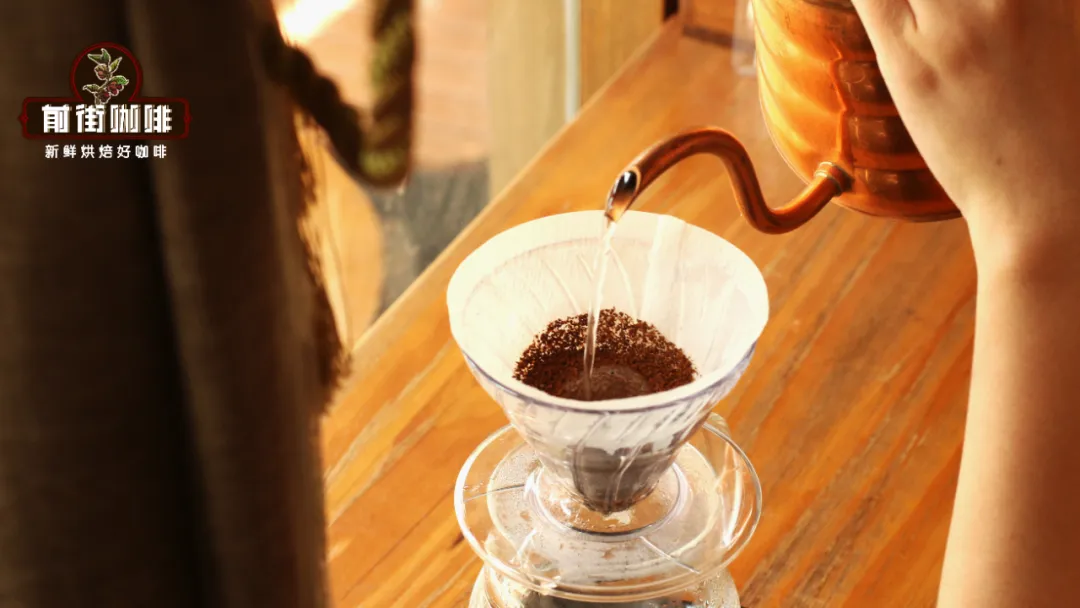
Since time is the result of these parameters working together (except water temperature) , once the extraction time deviates from the set range, it indicates that some parameters may have gone off track, or that some conditions have not met the standard, thereby causing the coffee flavor to shift. If the change is negative and the coffee becomes unpleasant, Front Street will use time to troubleshoot the "source of the problem" and correct the flavor.
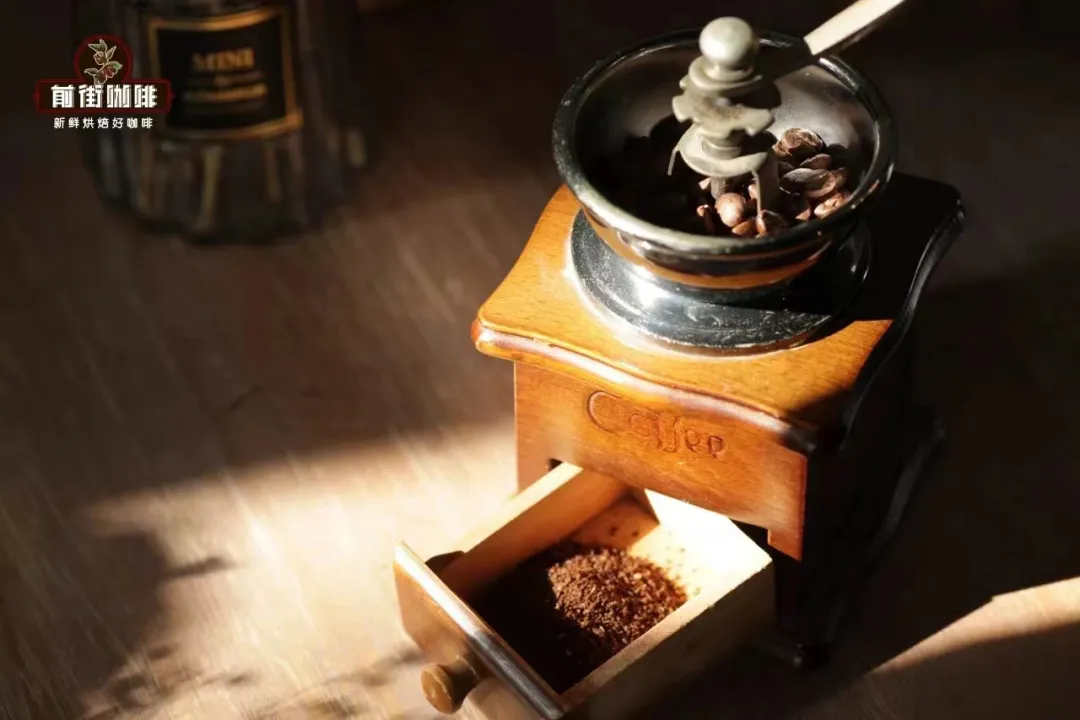
Next, Front Street will sort out which factors affect extraction time during the entire pour-over process. 1. The grind size of the coffee grounds In the final analysis, extraction time is simply the total time it takes for hot water to pass through the coffee bed, and the coarseness or fineness of the coffee grounds directly determines the size of the water flow channels. Under otherwise identical conditions, the coarser the grounds, the larger the gaps and the faster the water flow; the finer the grounds, the smaller the gaps and the slower the water flow. Therefore, grind size is a core factor governing how fast or slow the time is.
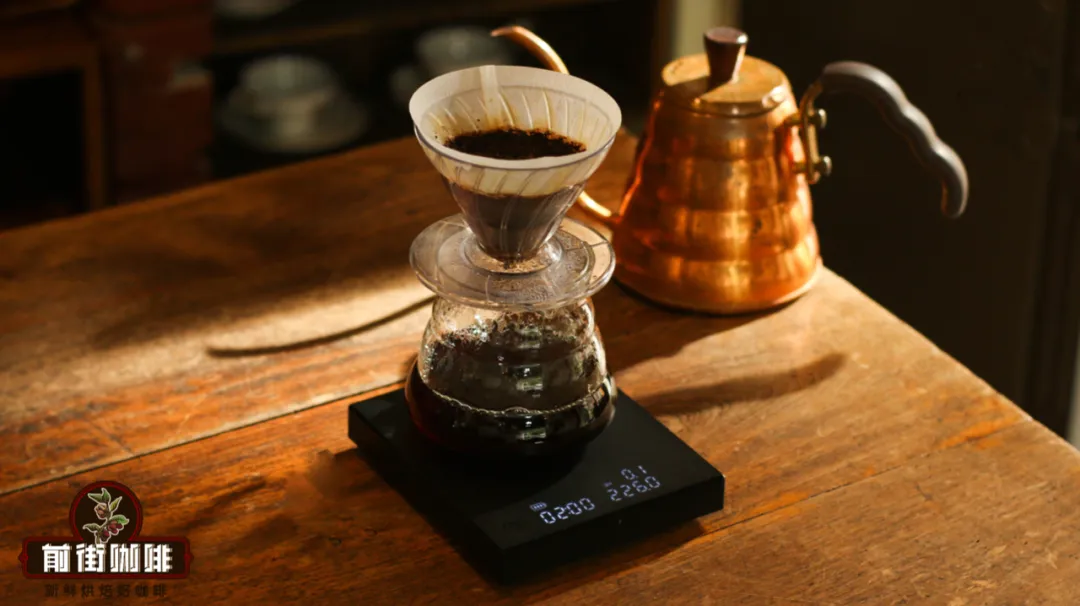

The above content is compiled by CoffeeHunters, a coffee news website.


