







Why Does Americano Coffee Taste Different Each Day?
An americano is espresso plus water, so the only real source of flavor change is the espresso itself. At the same shop with the same beans, the shot can shift with bean resting time, weather, hopper pressure, and consecutive pulls. Those variables change extraction, which moves the cup toward more fruit acidity or more bitterness and strength.
Dose and output ratio are usually fixed, so the fluctuation comes from how the espresso actually extracts that day. Even consecutive shots through the same grinder can differ, because the grind and puck density change. Single-origin beans can also be used for iced coffee, but expect less consistency than a blend built for daily espresso service.
Why does the taste of an iced americano fluctuate between good and bad at the same shop with the same beans? Starting from a real conversation at a Front Street store, this article breaks down the logic behind americano coffee "going off." The article points out that although an americano is just espresso plus water, the extraction state of the espresso itself is affected by factors such as bean resting time, weather changes, hopper pressure, and consecutive shots, leading to fluctuations in flavor and strength. At the same time, the article also addresses the question of "whether single-origin coffee beans can be used to make iced coffee." By understanding these variables, coffee lovers can gain a more comprehensive understanding of the espresso coffee system and experience more possibilities of an iced americano in products such as Front Street Warm Sun Blend.
"Did you switch beans? This americano tastes..."
Many baristas, upon hearing this, will first feel a jolt inside, worrying that the customer will follow up with comments like "too bitter," "astringent," or "not good," so they cautiously ask whether something went wrong—until the other person adds: "It's quite good, just a bit different from before!" Only then does the barista breathe a sigh of relief and reply with a smile: "No change, it's still the same beans~
This Monday, a similar scene played out at the Front Street store. A customer holding an iced americano said: "It seems different from the taste last time. This cup has more prominent fruit acidity and is very refreshing overall!" So here comes the question: clearly at the same shop and using the same coffee beans, can americanos made under different circumstances really vary this much? And what factors are at play?
As the best-selling product in countless coffee shops, an americano is convenient, quick, and affordable, satisfying most people's daily need for caffeine. Making an americano is nothing more than a few actions: grab a cup, add water, pour in espresso, and at most add some ice. In the end, an americano is just espresso plus water, and water itself is colorless and tasteless, so the only source that can make an americano "go off" is that shot of espresso.
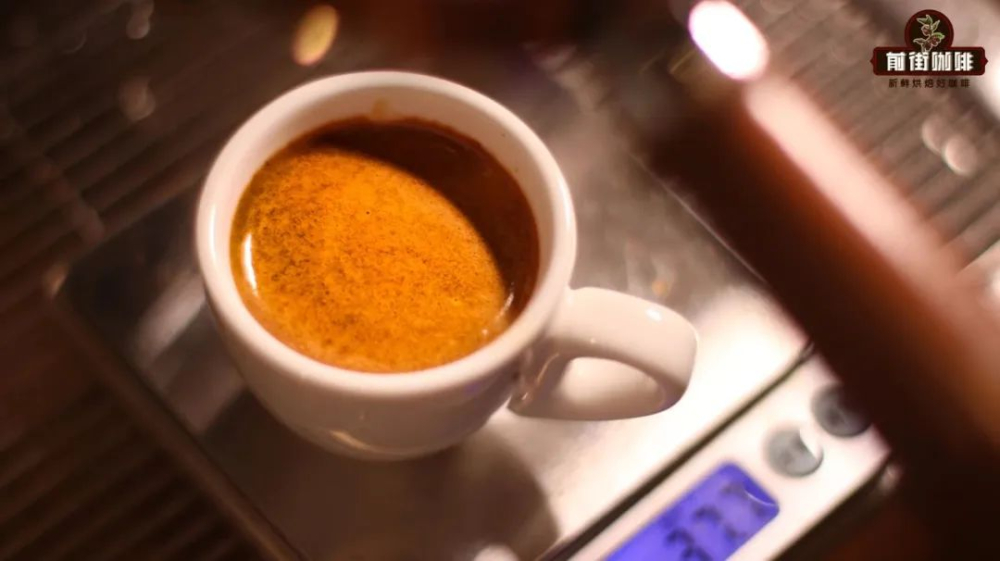
Generally speaking, each store's espresso beans, dose, and output ratio are fixed. Taking Front Street as an example, we daily use Sunflower · Warm Sun Blend coffee beans, extracting 40g of liquid from a single espresso using 20g of coffee grounds; when serving a hot americano, we use a ceramic cup with a capacity of about 200ml and add 160ml of hot water to the espresso at a ratio of 1:4, with the temperature adjusted slightly according to the weather or the customer's request. For an iced americano, the hot water is replaced with 90g of ice cubes plus 160g of room-temperature water.
Under such conditions, the same americano drunk at the same store should theoretically have no major difference in its main flavor direction and strength. For example, when Front Street uses Warm Sun for its output, the standard americano should present flavors such as vanilla, cream, fermented wine aroma, cocoa, and slight fruit acidity, with a strength falling between 1.4% and 1.7%, tasting refreshingly sweet and sour, with a mellow coffee taste that is not bitter.
Since the beans have not been changed and the extraction ratio is also fixed, then what exactly causes an americano in a coffee shop to "go off"?
1. Bean resting time
As is well known, freshly roasted coffee beans contain a large amount of carbon dioxide inside. The darker the roast, the looser the bean texture and the more gas is trapped. These gases will, to a certain extent, hinder the dissolution and release of flavor substances.
If you use beans that have just been roasted not long ago for pressure extraction, you will find that a large number of bubbles gush out together with the coffee liquid. The espresso may look like it has thick crema, but in fact it is extremely unstable, with a rough surface or even clumping, and it lacks a mellow aroma when drunk. This is under-extraction caused by excessive gas. Therefore, if you want to get a good espresso, the bean resting stage cannot be skipped. Front Street usually places the roasted Warm Sun espresso beans in a cool place to rest for about 10 days before use.
Because roasted beans continuously release gas, the taste of the espresso during use will also keep changing with the state of the beans. When Front Street extracts espresso from the 10th to 20th day of the resting period, the crema layer accounts for a larger proportion, and the americano mostly shows a clear raspberry-like acidity, along with vanilla, cream, and a slight fermented feel; by the 20th to 30th day after roasting, the crema noticeably decreases, and more of the later-stage flavor substances such as caramel, wine aroma, and nuts are released. At this time, the americano's mouthfeel appears slightly richer and mellower.
2. Weather changes
In addition to the beans' own state, espresso extraction is also affected by air temperature and humidity. Once low pressure and high humidity rainy days arrive, or the returning south wind days that Cantonese people dread most, with stuffy and damp conditions both indoors and outdoors, baristas are simply overwhelmed when adjusting espresso.
The higher the indoor humidity, the more active water molecules there are in the air. Coffee beans that should be kept dry are more likely to absorb moisture, and the ground coffee powder is also more likely to "clump" and stick to the grinder burrs and chute. Clumped coffee powder not only causes uneven extraction but may also trigger channeling. Maybe the previous shot was still decent, and the next cup suddenly has a heavier bitterness, off-flavors, or saltiness.
In addition, lower atmospheric pressure also makes the coffee machine's pressure-boosting effect weaker than usual, which is also why espresso on rainy days often has less aroma and a more monotonous flavor than on sunny days. To avoid abnormal output, conscientious baristas will always pay attention to the extraction state of the espresso so they can adjust quickly.
3. Hopper pressure
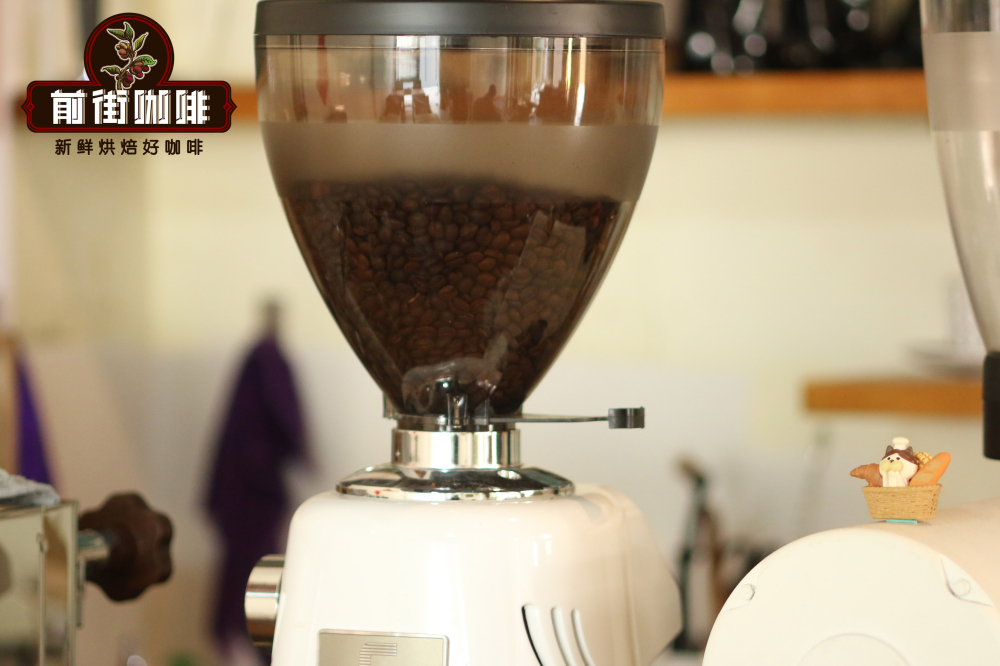
Filling the hopper is almost a preparation every barista does before morning calibration, with the purpose of giving the espresso grinder a relatively stable pressure value, making the powder particle size more uniform and thereby reducing extraction error.
Front Street once conducted a comparative experiment: when the coffee in the hopper is less than 1/4, grinding becomes coarser as the pressure value drops, and the time to extract a double espresso with the same dose shortens by 3 to 5 seconds, with the taste also far from that during morning calibration. So for baristas controlling the bar, if they want to maintain a stable extraction plan for the day, they must never wait until the hopper is almost empty before refilling the beans.
4. Consecutive shots
When a grinder pulls consecutive shots, the burrs running continuously at high speed will heat up, making subsequently ground coffee powder coarser or uneven in particle size, which in turn leads to unstable espresso flow rate. On the other hand, the rising temperature of the burrs will also accelerate the volatilization of flavor substances in the coffee particles, while during extraction the temperature of the puck will also rise, thereby reducing the viscosity of the output coffee.

Of course, there are many other reasons that cause an americano to taste off, such as the barista accidentally bumping the portafilter, not doing distribution and tamping properly, extracting too much or too little coffee liquid, failing to dial in parameters that match the beans' flavor... These easily overlooked details all test whether a barista's basic skills are solid.
Front Street has said so much not to make everyone pick on baristas' faults, nor to complicate simple things, but to provide different perspectives to help us understand the logic behind deliciousness, explore the charm of the espresso coffee system, and discover more possibilities of a cup of americano.
The above content is compiled by CoffeeHunters, a coffee news website.


