







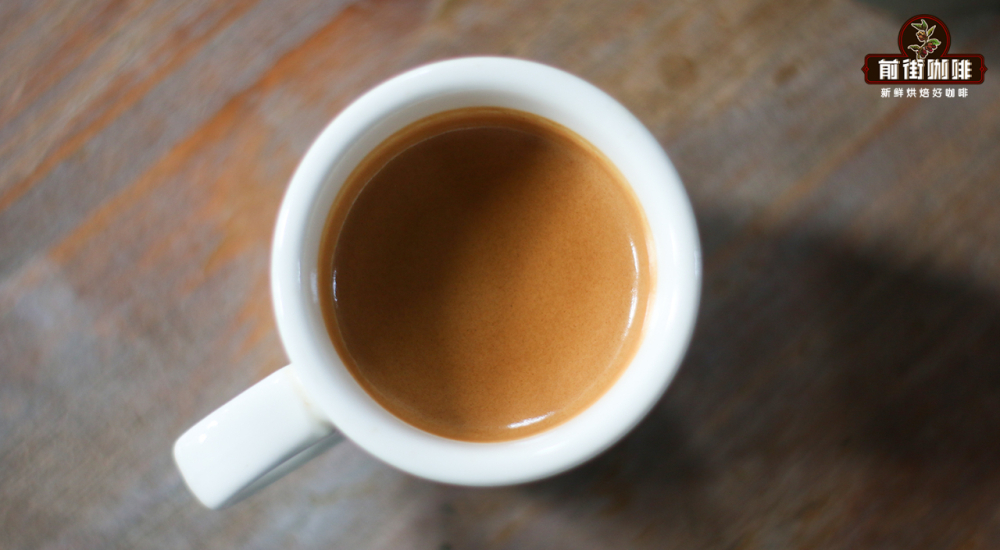
Although we rarely choose to drink espresso on its own in daily life, making all kinds of popular drinks—such as Americano, latte, and cappuccino—relies on a proper shot of espresso as the base. In this article, Front Street Coffee will explain how to pull a good espresso shot.
What are the characteristics of an espresso machine used to make espresso?
Espresso is made using percolation through a precision metal filter. Compared with pour-over drip brewing, the biggest difference is pressure. The high pressure inside an espresso machine forces water through the coffee puck, which means that even when the coffee grounds are extremely fine, it can still ensure proper percolation and balanced extraction. The finer the coffee grounds, the more their surface area grows exponentially, so one major advantage of very fine grounds is that extraction is especially fast. Not only is it fast, the quality is also better. High pressure can push water into the internal cell walls of the coffee particles, releasing rich oils and aromatic flavor compounds.
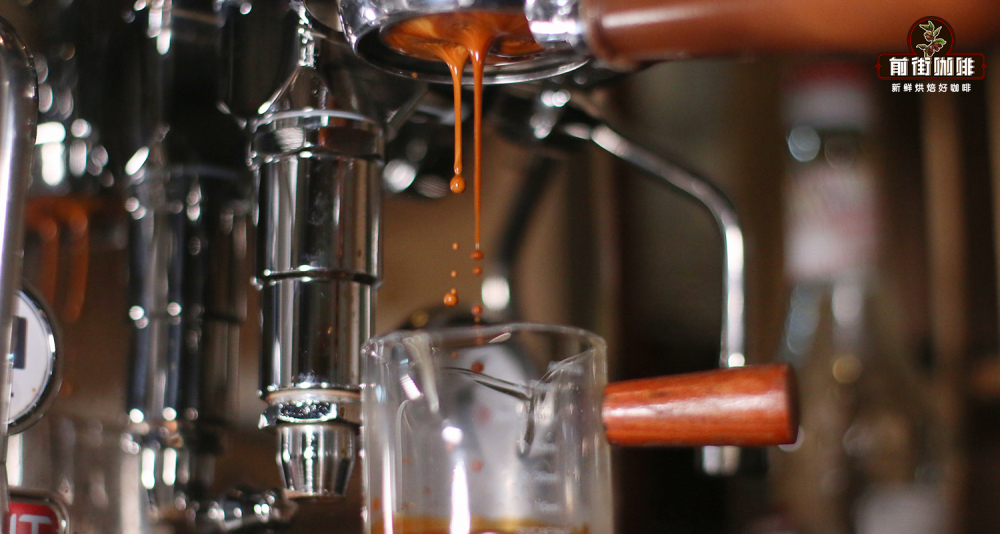
Whenever we brew coffee by any method, the goal is to use water to release the positive flavor compounds in the coffee and thereby obtain a delicious cup. Coffee beans are made up of various substances, and 30% of their components are soluble in water, such as fruit acids, caffeine, oils, and carbohydrates. Of these, only about 20% are positive-tasting aromatic small molecules that are released first; the remaining large-molecule substances with woody and bitter notes require longer to be extracted. So the barista’s job is to adjust the relevant parameters to extract more of the high-quality components from the coffee.
Espresso symbolizes coffee with complex, concentrated flavor, and no other brewing method can present such body and texture. To get a delicious cup, excellent extraction is essential, with the aromatic compounds and taste compounds in the cup reaching balance. Simply put, the acidity, sweetness, and bitterness all need to be pleasant, so tasting is used to judge the state of the espresso and decide how to adjust it to produce a proper shot.

In practice, many factors affect the flavor from a coffee bean to a cup of espresso, including grind size, boiler pressure of the espresso machine, water temperature, distribution and tamping force, dose, extraction time, yield, and many other factors and details. Usually, the machine’s pressure and water temperature are set and not easily changed. Distribution and tamping force are controlled according to the barista’s habits. The four major factors used in daily extraction adjustment are dose, time, yield, and grind size. As the saying goes, “You can’t make bricks without straw.” For food to be delicious, the ingredients must be good, so the quality of the coffee beans is crucial.
What coffee beans are used for espresso?
Because espresso is extracted under fine grinding, high water temperature, and high pressure, it gathers many tastes, and various flavor compounds strike our tongues exponentially. Therefore, if we use a light-roasted single-origin coffee bean for extraction, the taste may be too intense and mask the coffee’s aroma. Coffee is an agricultural product and changes with climate, soil, and other conditions. Even from the same place, every batch of coffee beans will have a different flavor, while blended coffee beans use the approach of complementing strengths and offsetting weaknesses, ensuring that every batch of coffee beans can express a balanced and stable aroma and mouthfeel.

Here at Front Street Coffee, we recommend our own roasted “Sunflower Warm Sun Blend,” made from Ethiopian natural Red Cherry coffee beans (30%) + Honduran Sherry barrel coffee beans (70%). Pulled as espresso, it enters the mouth with flavors of sherry, vanilla, and cream, complemented by the tropical fruit and fermented notes of Red Cherry, making the cup rich yet soft. The aroma it releases after swallowing is endlessly memorable. Whether diluted with water as an Americano or combined with milk as a latte, it presents a rich aroma and mouthfeel.

A freshly made espresso is covered with a thick, dense golden-brown foam called crema. This is the result of carbon dioxide produced by freshly roasted coffee beans foaming under the high pressure inside the espresso machine. So that everyone can drink the full aroma of the coffee and enjoy the most complete flavor window, Front Street only ships coffee beans roasted within 5 days.
Steps for making espresso
The espresso drinks served daily at Front Street’s store all use the “Sunflower Warm Sun Blend.” Front Street Coffee (FrontStreet Coffee) baristas adjust the espresso extraction parameters before opening every day, and only then do they officially begin serving.

Front Street uses a double basket capacity, with a dose of about 18–20 grams; for service, Front Street uses 20 grams of coffee grounds. Front Street’s extraction ratio is 1:2, meaning 20 grams of coffee grounds yields 40 grams of coffee liquid. Time is related to the flow rate of the coffee grounds. Generally, a single extraction is controlled within 20–35 seconds, because within 20 seconds the coffee taste tends to be thin, while over 35 seconds it is easy to over-extract and develop a burnt-bitter taste. Most of Front Street’s espresso shots fall within the 28–30 second range.
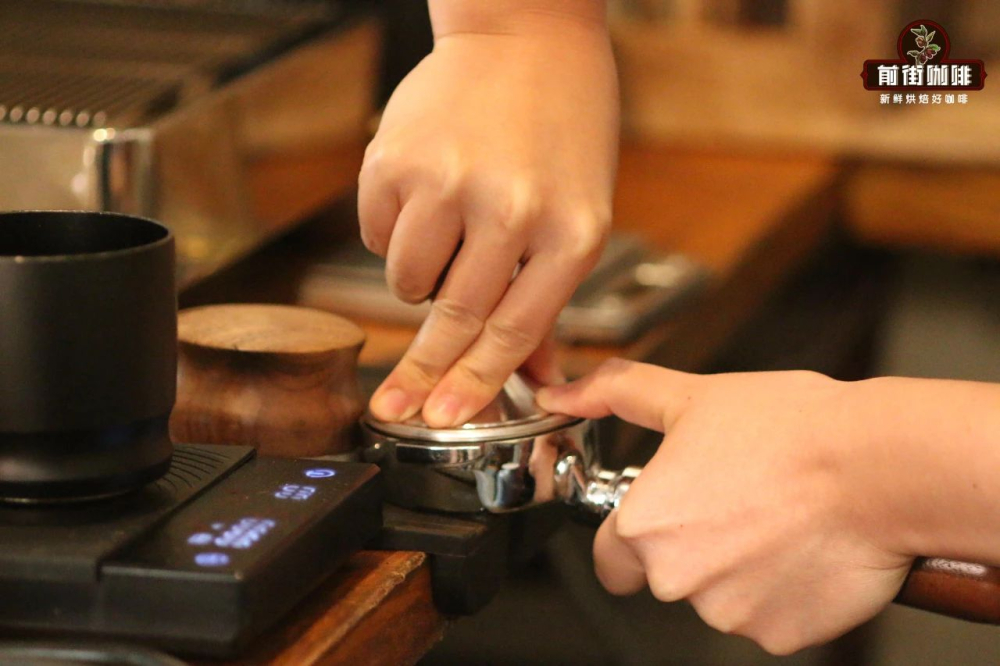
Before extraction, wipe the basket dry, turn on the grinder, grind the amount for a double shot, place it on a digital scale, and adjust until it reaches 20 grams. Then use a distribution tool to level the coffee grounds, and press the tamper straight down with force to tamp the coffee puck firmly, ensuring more stable extraction.
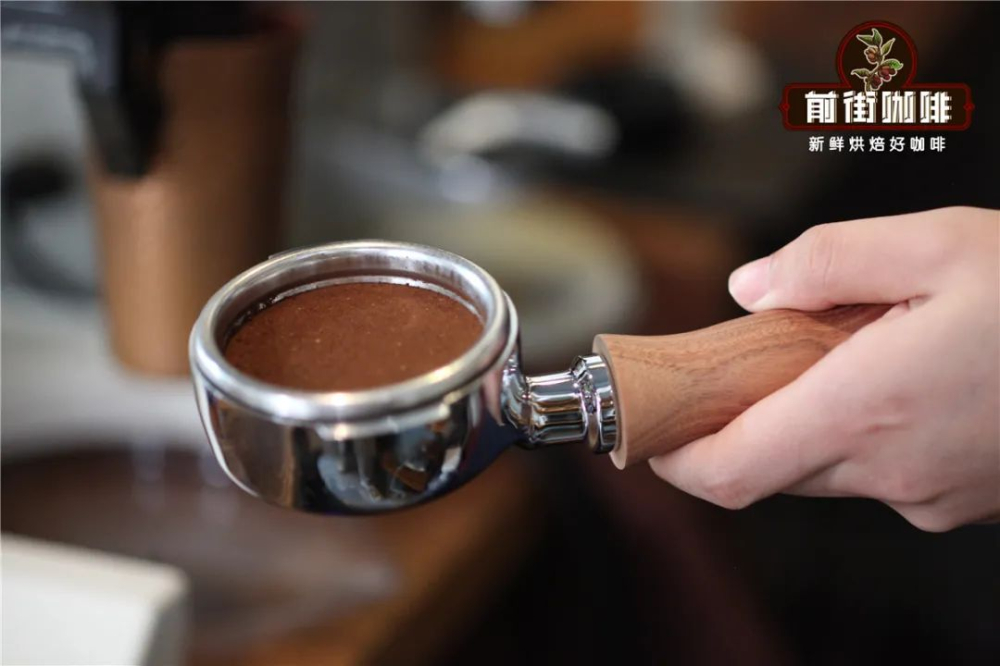
Then turn on the extraction switch and run water for 1–2 seconds to wet the brew head, which can also wash away stuck coffee grounds. Place a digital scale under the cup that will receive the espresso and tare it to 0, then place it together under the brew head during extraction.
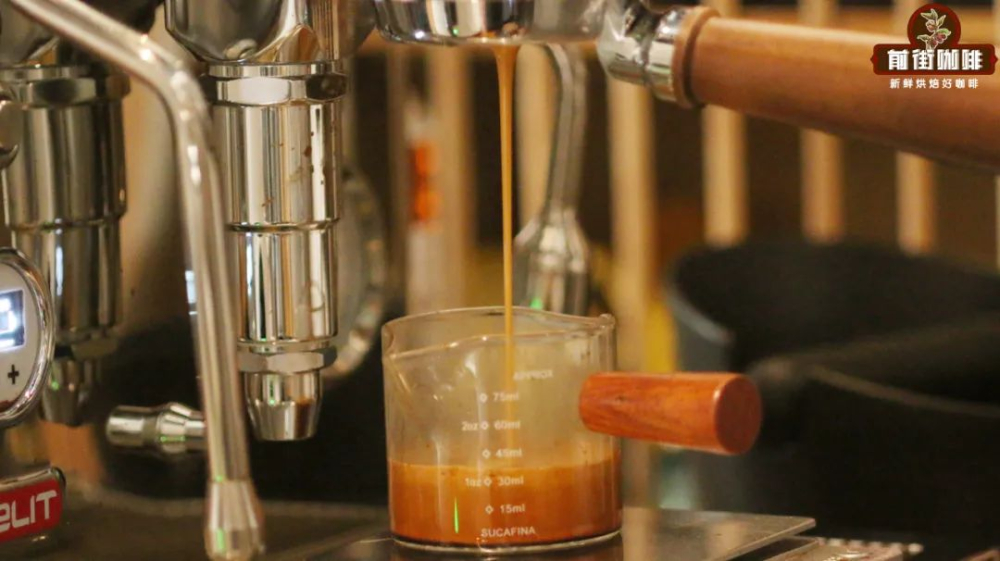
Gently lock the portafilter onto the brew head and start the extraction switch. Observe the changes in the extracted liquid. When the digital scale shows 40 grams of coffee liquid at about 30 seconds, turn off the extraction switch. The brewing parameters will change subtly according to daily air humidity and the condition of the coffee beans, so it is necessary to adjust the coffee dose, grind setting, and extraction yield up or down.
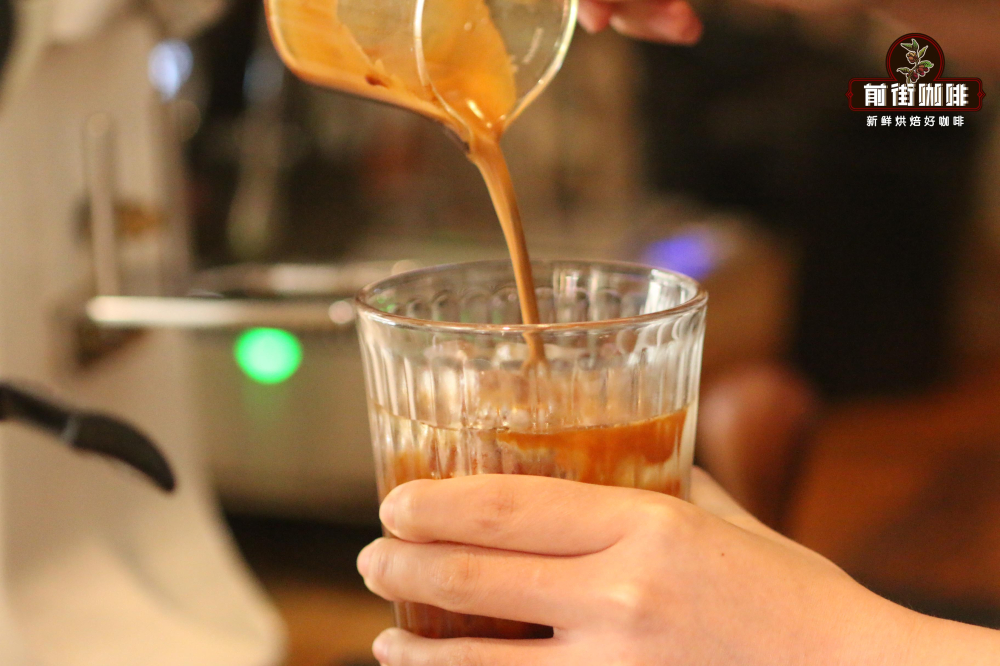
The extracted espresso can be drunk directly. Paired with a glass of water to rinse the mouth, you can taste the dense crema and the rich, full-bodied coffee liquid beneath. If you cannot accept the intense bitterness, you can also add water or milk according to your preference to dilute it and soften the strong taste.
Suggested parameter adjustments for making espresso
In our daily brewing, adjusting coffee extraction needs to be discussed together with experience, especially when making coffee at home, where the number of cups produced is small and tiny changes in various factors can easily affect the final taste of the espresso. Front Street suggests everyone keep more records of various parameters in order to summarize and adjust. For example, Front Street’s store debugs before business every day, and since the various parameters are also within the preset range, there is no need for large adjustments. Instead, by directly tasting the flavor of the espresso, you can judge the extraction state and then fine-tune the above parameters.
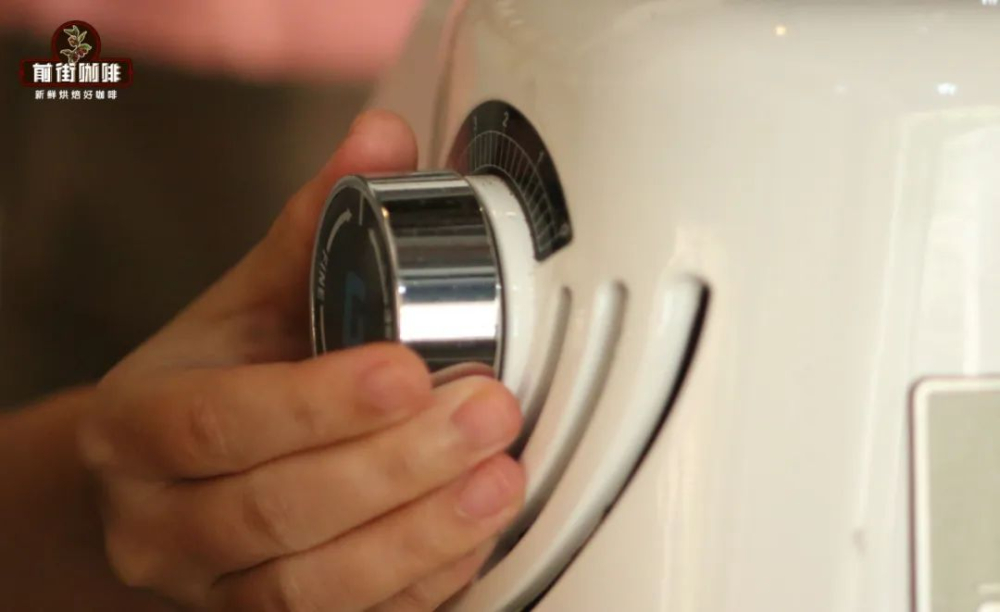
If, under the same extraction ratio, the espresso shows negative flavors such as burnt bitterness but the strength is moderate, it may be that the time is too long and has extracted burnt-bitter notes. The usual solution is to make the grind size coarser. When the espresso tastes weak and has low strength, it may be that the flow rate is too fast or the dose is too small, causing under-extraction. You can increase the dose or make the grind finer to increase extraction strength. The above parameters change correspondingly with the extraction state. We need to pay more attention to the direction of adjustment brought by extraction variables in order to better grasp the high-quality flavor in the cup.
For professional coffee knowledge exchange and more coffee bean information, please follow Coffee Workshop (WeChat public account: cafe_style)
For more specialty coffee beans, please add the private WeChat Front Street Coffee (FrontStreet Coffee), WeChat ID: qjcoffeex
The above content is compiled by CoffeeHunters, a coffee news website.


