Coffee mysticism has long become a commonplace topic in the coffee circle, with the most discussed being flavor mysticism and brewing mysticism. Front Street is here to help everyone uncover the surface-level mysticism and reveal the science behind it.
Flavor mysticism generally refers to when you drink a cup of coffee and only taste bitterness and sourness, while your friend next to you can describe dozens of flavors, making you doubt life itself—"Are we drinking the same coffee, or did you secretly have a fruit feast while I was drinking coffee?"
"Shouldn't coffee just taste like coffee? Does a cup of dark coffee liquid really have so many flavors, or is the merchant deliberately making up a bunch of flavors to fool me into paying a higher price?"Actually, that's not true. More than a decade ago, scientists discovered that the fruity flavors in coffee come from ester compounds, and the caramel sweetness comes from furan compounds. In the April issue of *Food Chemistry* Volume 388, the paper "Recent advances in analytical strategies for coffee volatile studies: Opportunities and challenges" explicitly lists over 200 flavor compounds and their corresponding specific flavors. For example, the pineapple flavor we taste in coffee is expressed by methyl isovalerate and ethyl isovalerate; the rose aroma is expressed by phenylethanol; and the very sweet flavors like caramel, brown sugar, maple syrup, and marshmallow are expressed by furanone.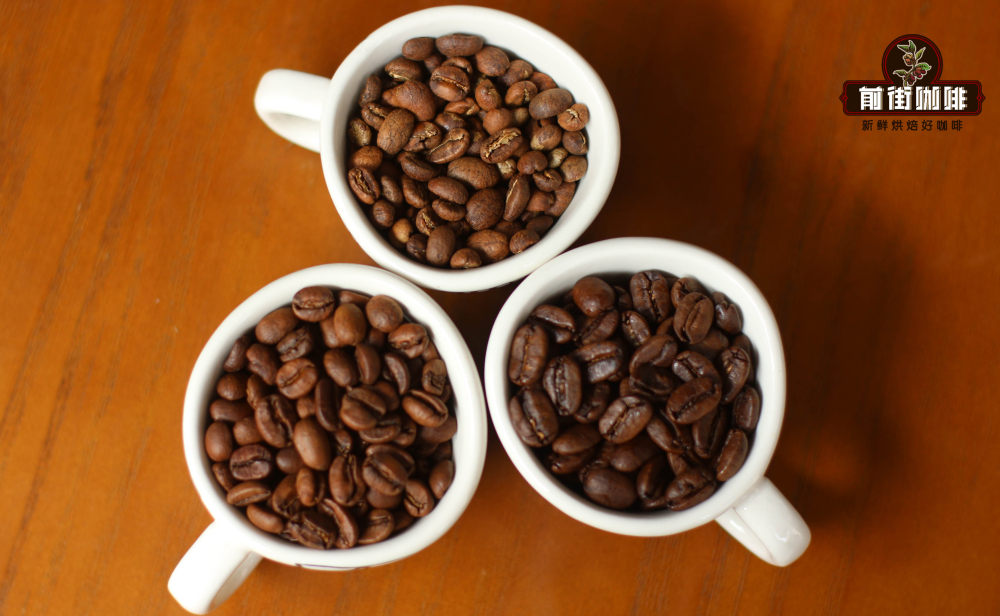
Therefore, the flavors we taste in coffee are all based on science, not mysticism.
Another coffee mysticism is brewing mysticism. It is most evident in techniques, such as the "tail-end must be bitter" theory, which says that when brewing coffee to the end, the last 20ml or so of coffee liquid in the dripper should not be allowed to drip completely—remove it, because those tail liquids are the source of bitterness.Another one is that different pouring methods can express different flavors. For example, using the same coffee beans, I can brew out the citrus flavor this way, and brew out the strawberry flavor that way... Or everyone uses the same brewing method, so why does mine taste worse than yours?
Friends who don't understand but are impressed will feel, "So impressive, so mystical, so profound and unfathomable!"

Actually, if you take the time to understand the logical relationships behind coffee extraction, you will find that all techniques and all seemingly mystical things have patterns and can be controlled.
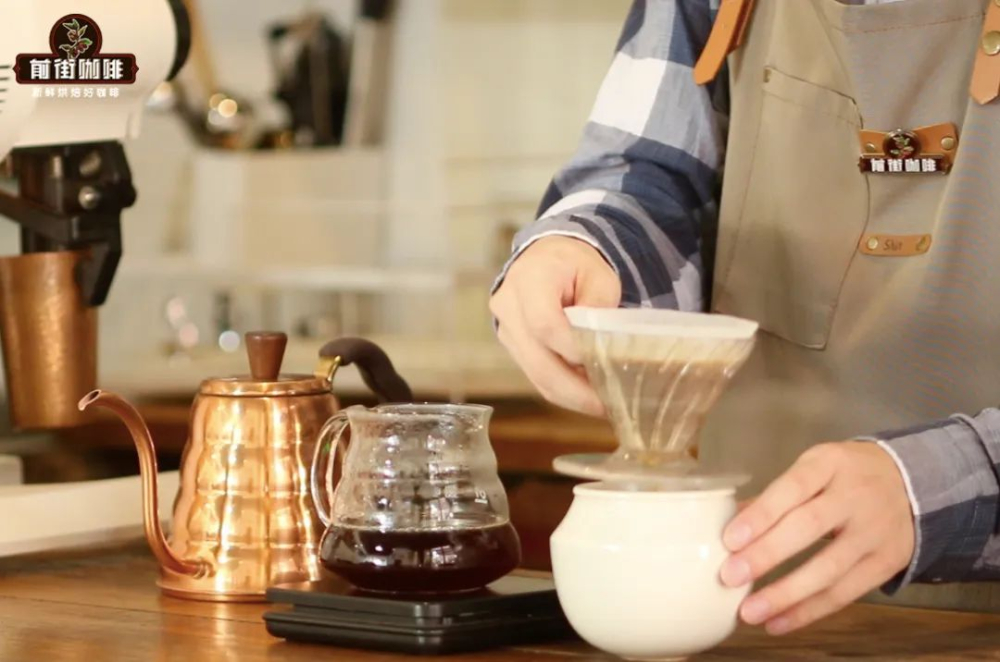
Front Street believes that the factors affecting pour-over coffee are coffee beans, grind size, coffee-to-water ratio, water temperature, time, and the human hand (technique). These parameters are interconnected and influence each other, ultimately brewing the flavor of the coffee. Among these factors, coffee beans, coffee-to-water ratio, and water temperature are the easiest to control, followed by grind size and time, and finally technique.Good coffee beans are the most basic requirement. "Good" here does not specifically mean expensive coffee beans, but beans without major defects and within their最佳赏味期. This is not difficult to achieve. (Don't underestimate the date—some friends ask Front Street why this bean brews poorly, and after asking around, it's because the beans weren't rested properly or were left too long, and the flavors have escaped. Generally, coffee beans are at their best flavor state around 4-30 days.)
The coffee-to-water ratio and water temperature are the easiest factors to control because they are concrete numbers that can be precisely judged using an electronic scale and thermometer, making significant deviations unlikely in practice. As long as you correctly understand these two parameters, there will basically be no mistakes. "Front Street won't repeat them here; for details, click coffee-to-water ratio, water temperature."
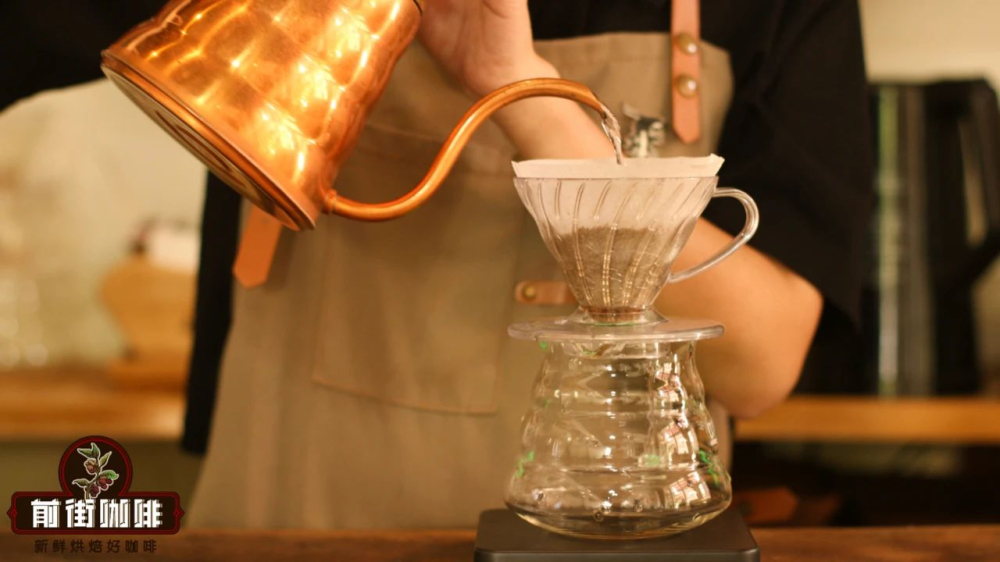
What is harder to grasp about grind size is not our understanding of it. In terms of grind coarseness requirements, Front Street recommends using a No. 20 sieve for calibration. Medium-light roasted coffee beans use a coarseness with a 75-80% passing rate, and medium-dark roasted coffee beans use a coarseness with a 70-75% passing rate.
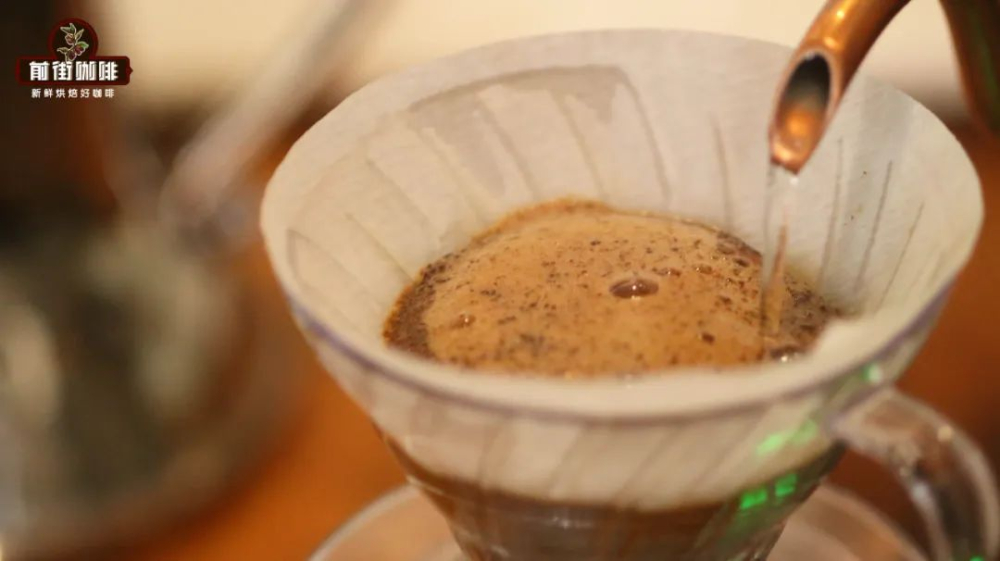
 But the difficulty in grinding lies in the quality of the grinder's hardware. Some friends use grinders with poor grinding quality, producing many fine particles and many coarse particles, and the particle size difference between fine and coarse is also large. In this case, if you brew with a coarseness of 80% passing rate, it is very easy to cause over-extraction due to excessively long extraction time. So, when brewing coffee, you must learn to judge the cause of the problem and solve them one by one. Like this problem, there are two solutions: first, sift out the fine particles to reduce the particle size difference; second, adjust the grind coarser to avoid excessively long immersion time.In pour-over coffee, the human hand is the most unstable factor. All other factors can be set to reasonable parameters through adjustment, but the human hand is hard to guarantee to pour identically every time. Therefore, using the simplest brewing method reduces human error, which is why Front Street always recommends the three-stage brewing method.
And why the brewed coffee tastes the way it does—everything can be traced back to these factors. For example: Why is this coffee sour? Because the coffee beans used for brewing are light-roasted.
Why does the coffee have a bitter taste at the tail end, and should it be removed? Because the parameters you used are incorrect, such as grinding too fine or too many fine particles, water temperature too high, too much water poured, or stirring too vigorously when pouring in circles. If you use the correct parameters, the problem of bitterness at the tail end will not occur. Removing the tail end is just a remedial method.
The above content is compiled by CoffeeHunters, a coffee news website.