








For more information on coffee origins and coffee knowledge, please followCoffeeHuntersToutiao account
Those who have read Front Street's popular science articles may notice that Front Street rarely specifies an exact extraction time the way it does when explaining pour-over coffee. This is because espresso extraction is not just about the freshness and grind size of the coffee beans; the brand and model of the espresso machine, the extraction pressure, and the stability of the water temperature also vary greatly. So even the same blend of coffee beans extracted by different people will taste different. So how should we determine the parameters suitable for the blend of coffee beans we have on hand?
How do we customize espresso extraction parameters suitable for the blend of coffee beans we have on hand?
Coffee powder dose
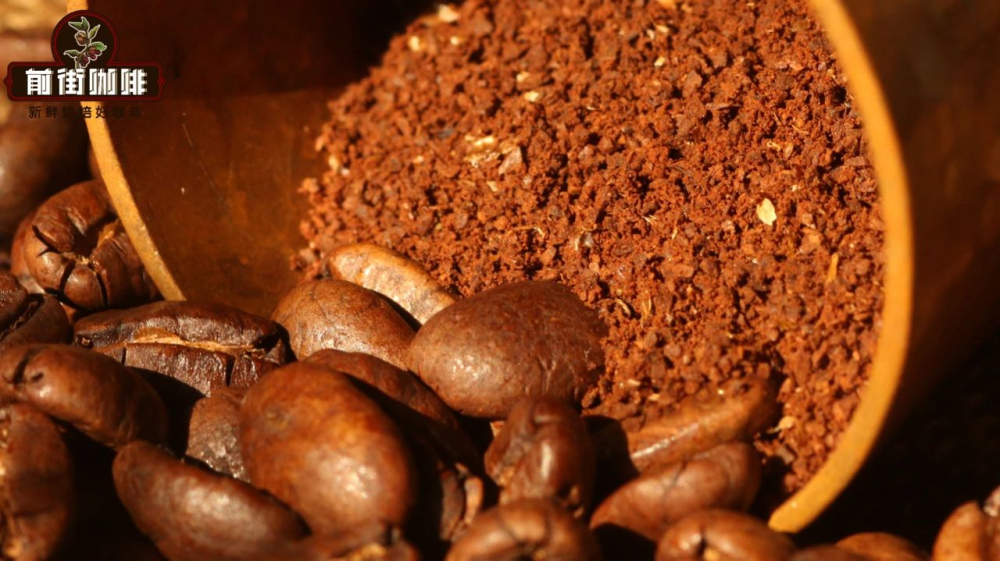
The dose is roughly determined by the size of the filter basket. It is not recommended to use a dose much smaller or much larger than the basket size. The dose affects the density of the puck. Under the same tamping force, too small a dose will be looser, causing a faster flow rate and thus under-extraction; conversely, it will be denser, with a slower flow rate or even difficulty extracting coffee liquid. The dose used by Front Street Coffee (FrontStreet Coffee) is: 7-9g for a single espresso, 18-20g for a double espresso. The dose will be adjusted according to the daily condition of the coffee beans.
Espresso coffee-to-water ratio
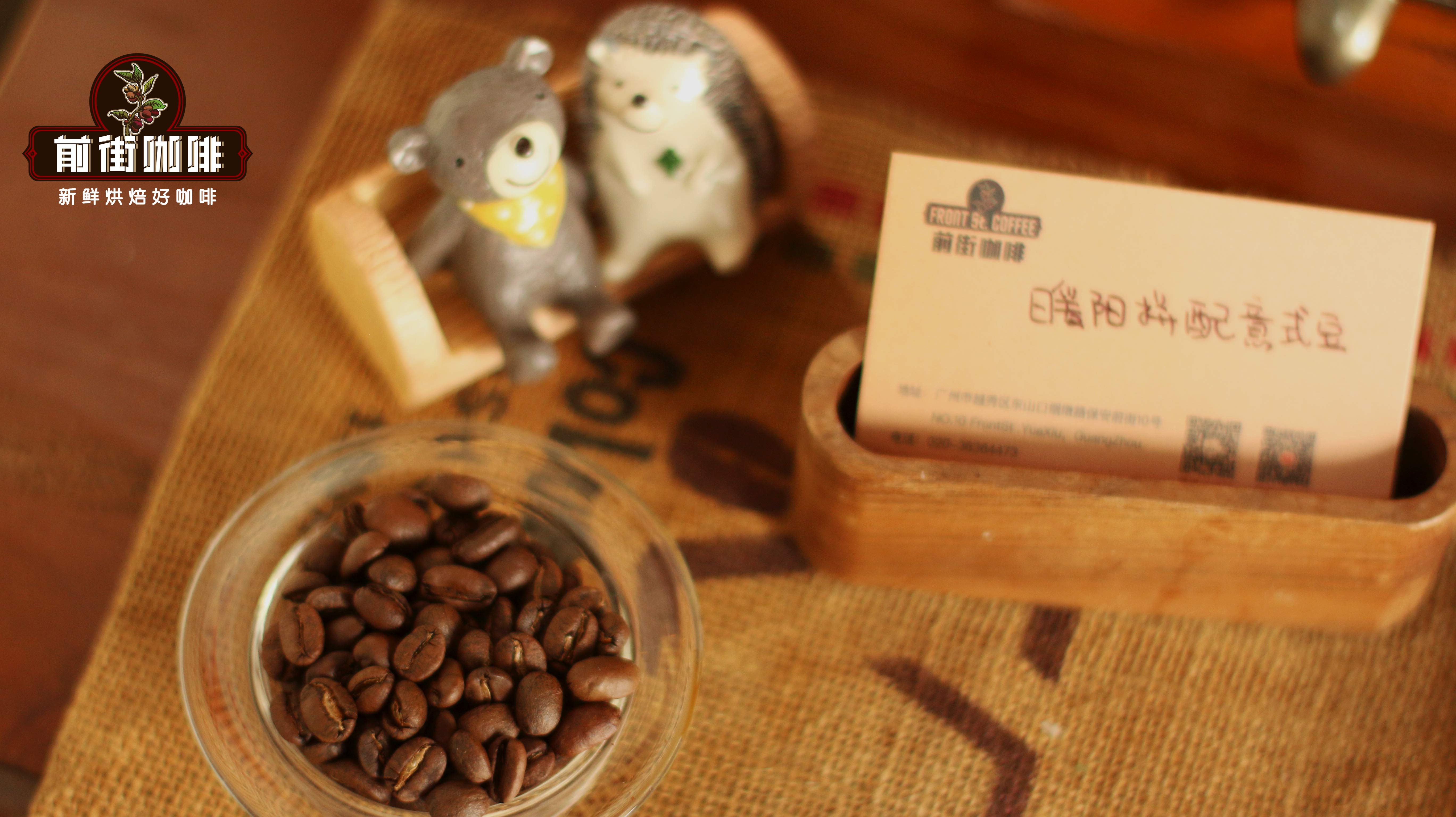
The ratio here refers to the ratio of coffee powder dose to coffee liquid yield, generally between 1:1.5 and 1:2.5, with 1:2 being more commonly used, such as extracting 34g of coffee liquid from 17g of coffee powder. The ratio is affected by two factors: one is the dose, and the other is the water amount. Too low a ratio will make the coffee taste very rich and heavy, and it is prone to the bitter taste brought by over-extraction. Conversely, too high a ratio will taste bland and insipid, as well as the sharp acidity brought by under-extraction. The Warm Sun blend coffee beans used by Front Street Coffee (FrontStreet Coffee) use sun-dried Yirgacheffe coffee beans blended with Honduras Sherry barrel coffee beans. Because they want to highlight the whisky aroma, the coffee-to-water ratio generally uses 1:1.9-1:2.
Extraction time
Time refers to the entire extraction time from locking in the portafilter and pressing the extraction button to the end of extraction. The factors affecting extraction time are, one, the grind size, and the other, the ratio. The ratio is easier to understand: with a higher ratio, more water is needed for extraction, so the time will naturally be longer. Grind size affects the coarseness of the coffee powder, and the coarseness directly affects the density of the coffee puck. The finer the coffee powder, the denser the puck after tamping, making it difficult for water to pass through, which lengthens the time and easily leads to over-extraction.
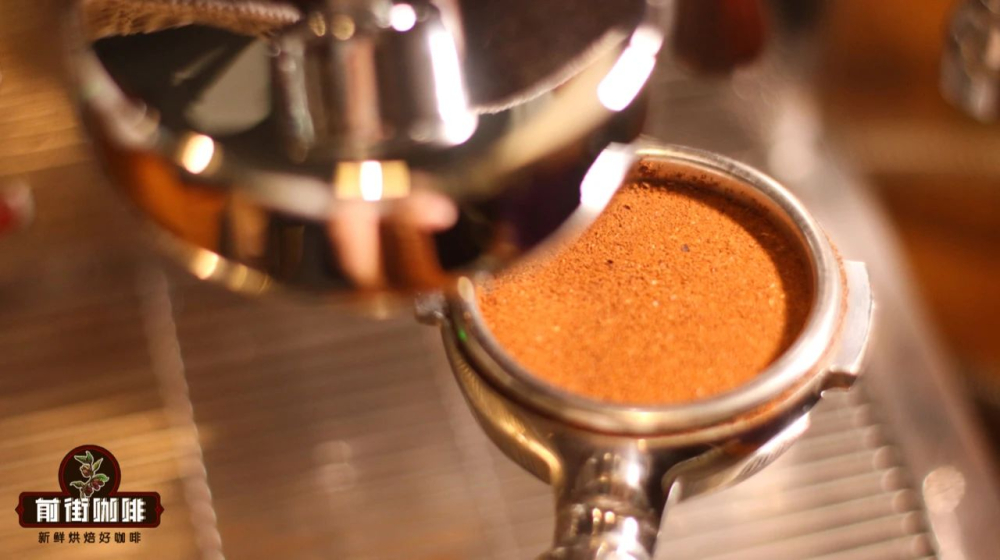
The freshness of the coffee beans also affects extraction time. Coffee beans that are too fresh will, because they have gathered too much carbon dioxide, undergo an emulsification reaction between the coffee oils and carbon dioxide under high-pressure extraction, so the extraction time will also become longer, and rich yellow foam will be released. If the coffee beans are not fresh, the beans' own water absorption will weaken, so the speed at which water passes through accelerates, and the extraction time also becomes shorter. The espresso produced usually does not have much crema.
Flow rate
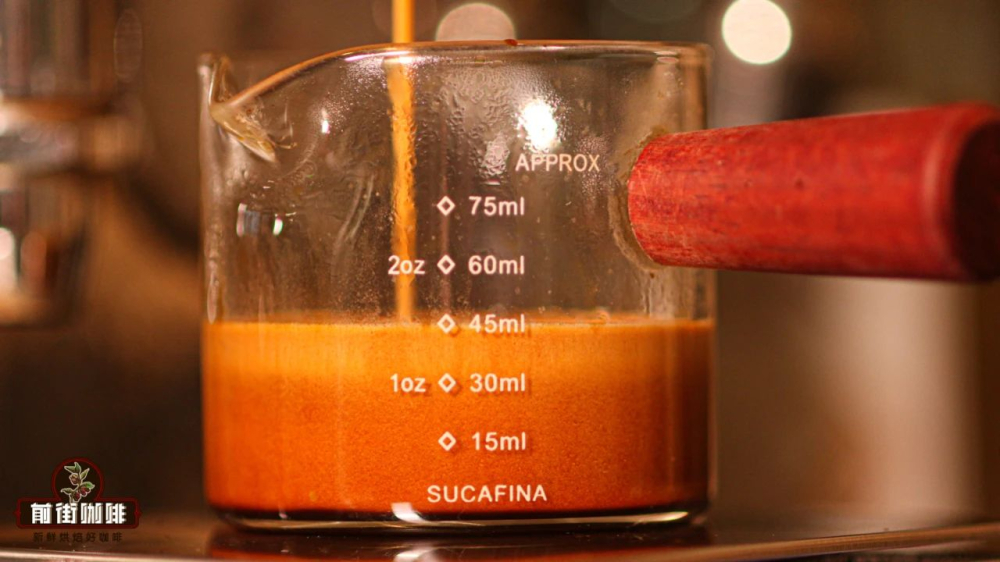
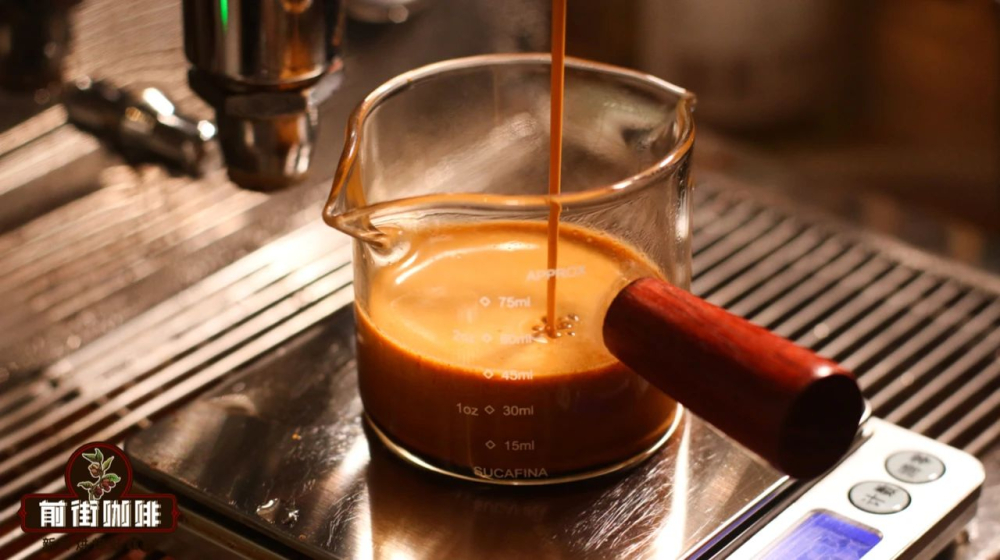
Flow rate is the speed at which the coffee liquid flows down. The ultimate goal of our extraction parameters is actually a flow-rate result. Our espresso needs to begin dripping its first drop of coffee liquid at the fifth second after pressing the extraction button, and then immediately flow out evenly to extract the coffee. In half of the cases, Front Street uses 18-20g of powder to extract 35-40ml of coffee liquid, and the extraction time is generally between 27-30s. The speed of the flow rate directly reflects whether the grind size and ratio are appropriate.
Pressure
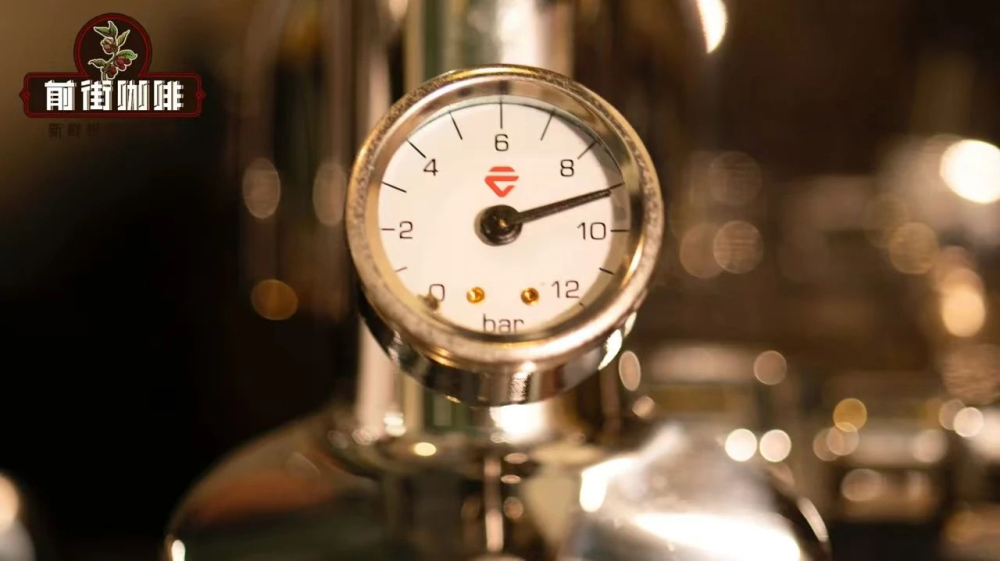
The extraction pressure used by espresso machines averages around 9 bar. This is determined by the performance of the espresso machine. Insufficient pressure leads to low extraction efficiency, while excessive pressure easily causes over-extraction. So when buying an espresso machine, remember to compare the parameters. It is not the case that the more expensive, the better~
Water temperature
When the coffee flow rate is too fast/too slow, how should we adjust?
The flow rate of espresso depends on several factors: the grind level, the tamping force, and the condition of the coffee beans. Grind coarseness is one of the key factors affecting flow rate. The coarser the grind level, the faster the flow rate; conversely, the slower the flow rate. A fast flow rate may also be caused by insufficient tamping force. The condition of the coffee beans is also a factor affecting espresso flow rate, including the roast level of the coffee beans and the freshness of the coffee beans (degassing state).
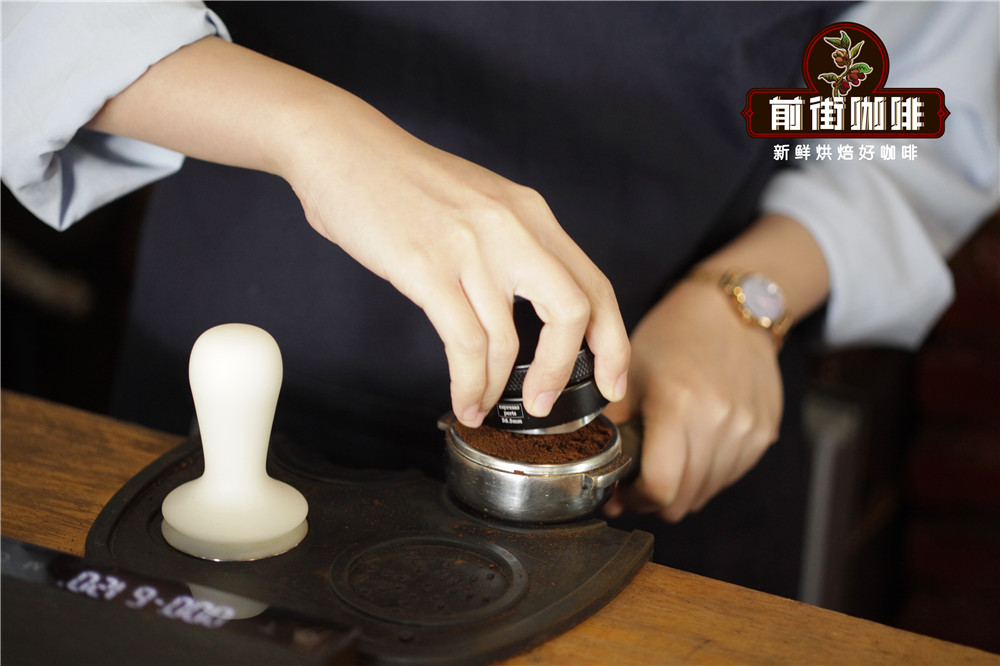
So when the espresso flow rate is too fast/too slow, it is worth checking one by one and adjusting the extraction parameters as soon as possible. First check the condition of the coffee beans, because it is easier to check. Next, check whether the extraction parameters are accurate, whether the powder dose, liquid yield, and tamping force are accurate. You can first adjust the coffee-to-water ratio, by increasing or decreasing the powder dose to adjust the flow rate, so as to achieve the fastest adjustment efficiency. Only after all factors have been ruled out should you adjust the grind level.
How do you calculate whether the espresso's strength is within the suitable extraction yield range?
Strength indicates the proportion of "extracted coffee substances" in the total coffee liquid in a cup of coffee. The coffee strength is between 8% and 12%. Extraction yield indicates the proportion of "extracted coffee substances" in the total weight of the coffee beans. The extraction yield is between 18% and 22%.
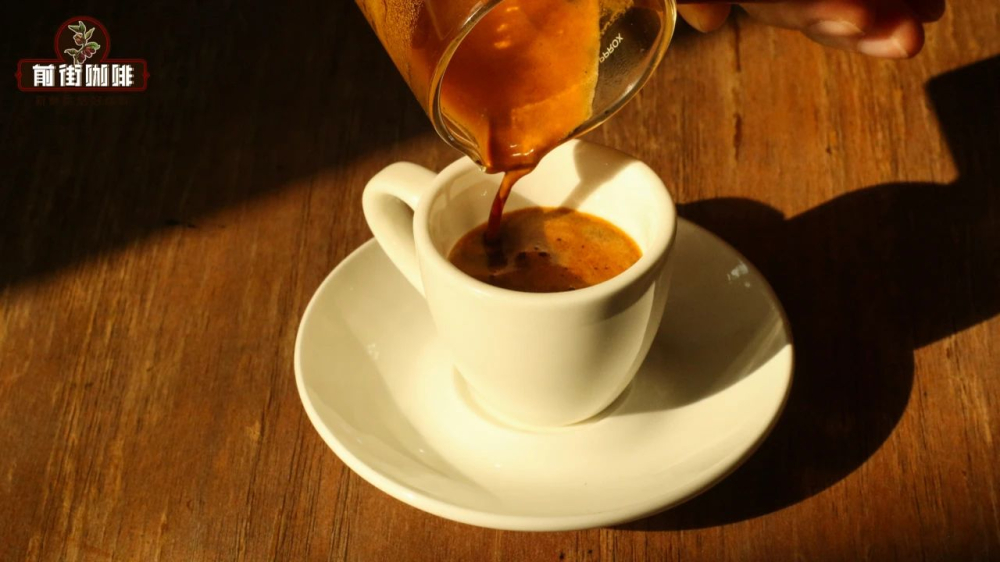
| How do you measure espresso strength?
First, calibrate the concentration tester, using pure water to zero the standard. Then stir the completed espresso extraction, and use a titration test tube to extract the coffee liquid from the center, place it into the coffee concentration tester, press the measure key, and try measuring the value multiple times until the value stabilizes.
| How do you calculate espresso extraction yield?
Extraction yield = strength + coffee liquid weight) = coffee bean weight.
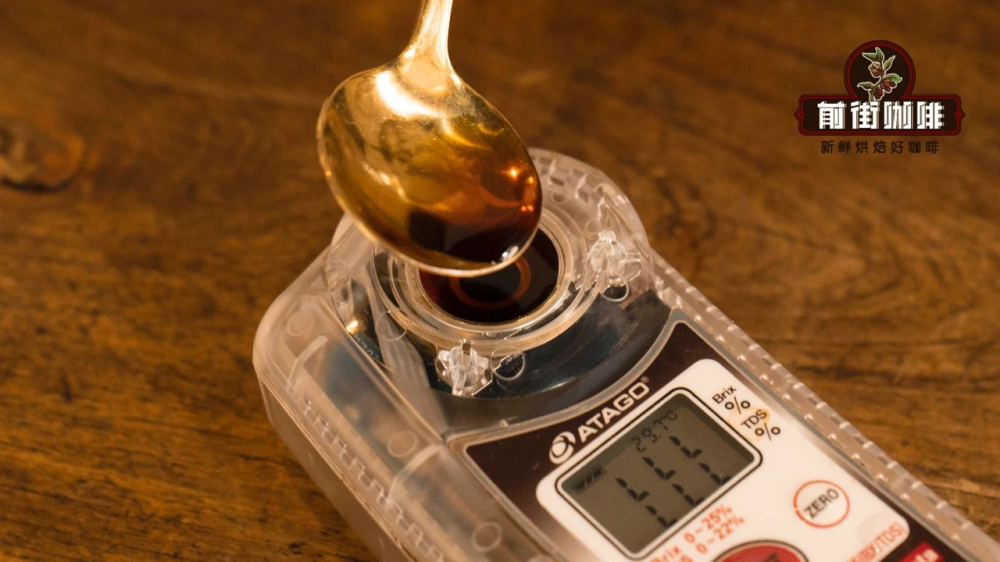
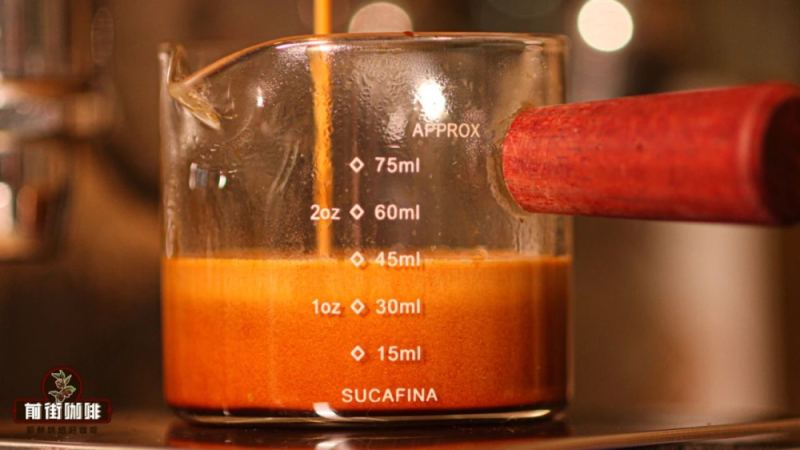
Front Street uses a blend of sun-dried Yirgacheffe blended with Honduras Sherry, using 19g of powder to extract 40ml of coffee liquid in 28 seconds. The coffee strength measured with a coffee concentration meter is 8.97%. Then the extraction yield is (8.97 divided by 37) = 18~18.44%. So this espresso extracted by Front Street this time, with a strength of 8.97% and an extraction yield of 18.44%, is an espresso within the golden cup range.
Is coffee that is within the golden cup range necessarily delicious?
Of course, coffee within the golden cup range is not necessarily a delicious cup of coffee. Coffee is a very personal and subjective beverage. Constantly trying and constantly searching for the coffee you like is the right thing to do. The golden cup is only a reference system that provides us with a way to adjust coffee.
The above content is compiled by CoffeeHunters, a coffee news website.


