







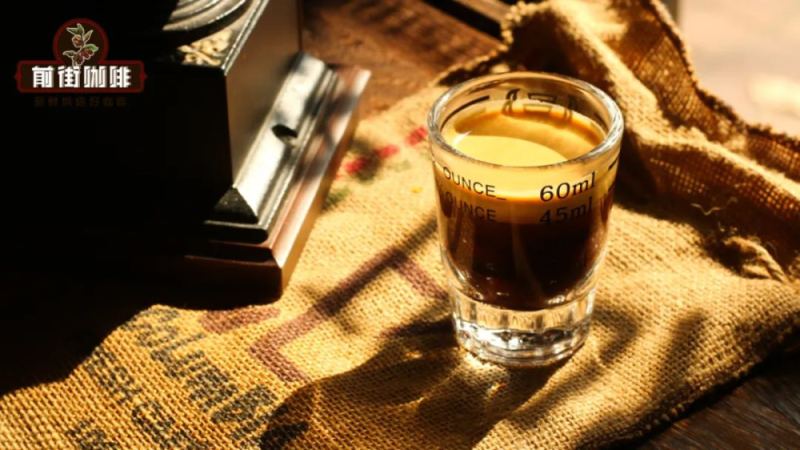
In the extraction process of espresso, the richness of the crema is often one of the key concerns for coffee enthusiasts. Some people need it for latte art, while others are influenced by commercial advertising, and they often ask Front Street Coffee how to obtain a richer crema. But what exactly is crema? Is more always better? This article will start from the perspective of Front Street Coffee and provide a detailed analysis of the three core factors affecting espresso crema formation—the carbon dioxide content in coffee beans, the degree of roasting and freshness, and the special role of Robusta beans. At the same time, it will also remind everyone that the thickness of the crema does not directly determine whether the taste is good or bad; correct extraction parameters are the foundation. Whether you are pursuing latte art results or simply want to understand the principles, this article can give you clear answers.
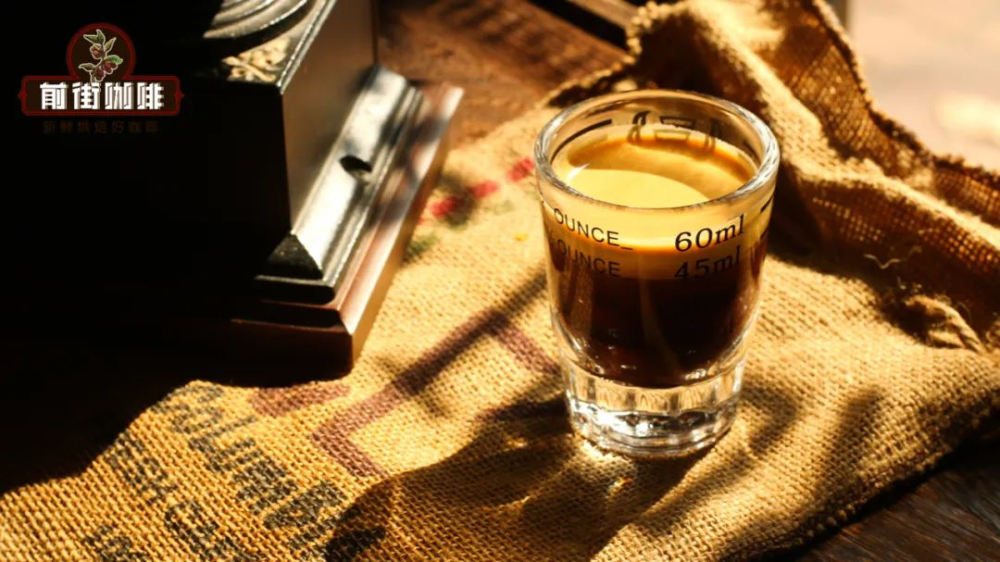
Setting aside the flavor of the coffee itself, the richness of the layer of crema on the surface of espresso is something many people care about especially when extracting espresso. This concern may come from the practical needs of latte art, or it may come from concepts repeatedly emphasized by coffee bean merchants in marketing. Guests and friends often come to ask Front Street Coffee how to extract a thicker crema. Therefore, today Front Street Coffee will carefully explain how to obtain a rich espresso crema.
But before expanding on that, there is one premise that needs to be made clear: espresso crema is not better simply because it is thicker. The reason it is called crema is that it is actually a bubble structure held up by carbon dioxide, that is, Crema. Carbon dioxide itself cannot directly determine whether a cup of coffee tastes good or bad. We often say that crema can bring more aroma and enhance body, but what truly plays a role is the aromatic substances contained in the layer of insoluble oils wrapped around the carbon dioxide bubbles, as well as the extremely fine coffee grounds mixed into the crema.
The core factor determining the thickness of the crema is the amount of carbon dioxide retained inside the coffee beans during extraction; insoluble oils are only a secondary factor. When more carbon dioxide is stored in the beans, under suitable extraction conditions, the espresso will show a richer layer of crema. Therefore, the thickness of the crema cannot directly affect the taste. In other words, as long as you choose coffee beans with sufficient carbon dioxide content to make espresso, you can get a rich crema.
The primary variable affecting the carbon dioxide content of coffee beans is the degree of roasting. The darker the roast, the higher the expansion rate, and the more carbon dioxide generated during roasting can be retained. This can be clearly observed in the blooming stage of pour-over coffee—the swelling of dark-roasted beans is far greater than that of light-roasted beans. In addition, as the degree of roasting deepens, the oils that migrate to the bean surface also increase, which makes the extracted espresso crema more stable and longer lasting. Therefore, the darker the roast level of the coffee beans used, the richer the crema.
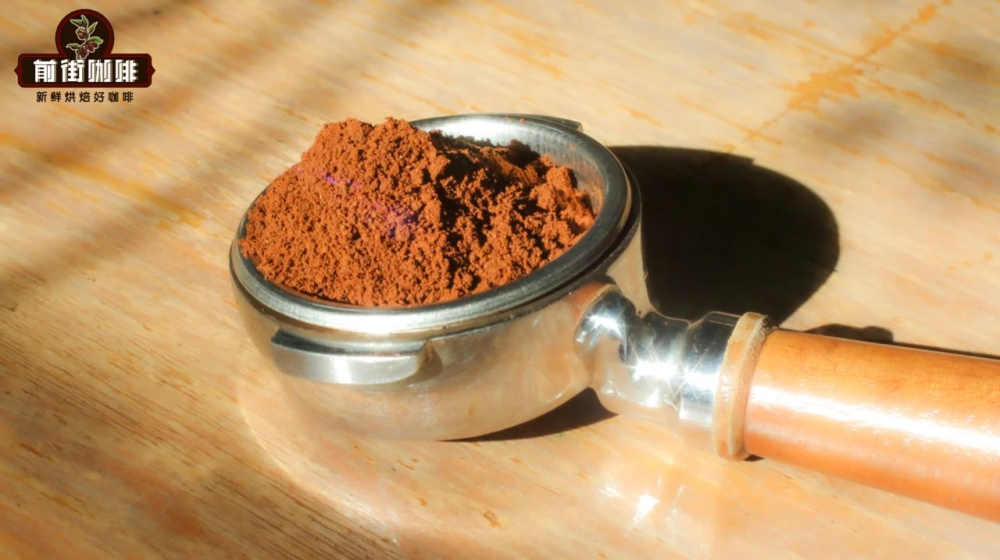
Of course, the freshness of the coffee beans also affects the richness of the crema. This is because from the moment roasting is completed, carbon dioxide and oils are continuously migrating to the bean surface. The closer the coffee beans are to the roast date, the more carbon dioxide they retain, and naturally the richer the crema that can be extracted. The reverse is also true.
However, one point is worth noting: although beans that have just finished roasting can extract a large amount of crema, because the carbon dioxide is too active, the crema is difficult to maintain for a long time, and the bubbles quickly burst and clump together. Therefore, in order to keep the crema stable and also to reduce the interference caused by carbon dioxide during extraction, people usually let espresso beans rest for a period of time for "resting" and degassing. This makes it easier to extract good flavor and also makes the crema more stable.
On this basis, if we want the crema to be even richer, we can also add Robusta beans. This is because the richness of the crema is not only affected by carbon dioxide content, but also constrained by the genes of the coffee beans. Under the same roasting conditions, the amount of crema from Robusta far exceeds that of Arabica.
However, because Robusta's taste is somewhat inferior, most merchants choose blending to balance its flavor while retaining only its advantage of rich crema. For example, Front Street Coffee Commercial Espresso Blend and Front Street Coffee Classic Espresso Blend follow exactly this approach. When extracted with an espresso machine, they often have a dense golden crema, and can be said to be excellent for latte art.
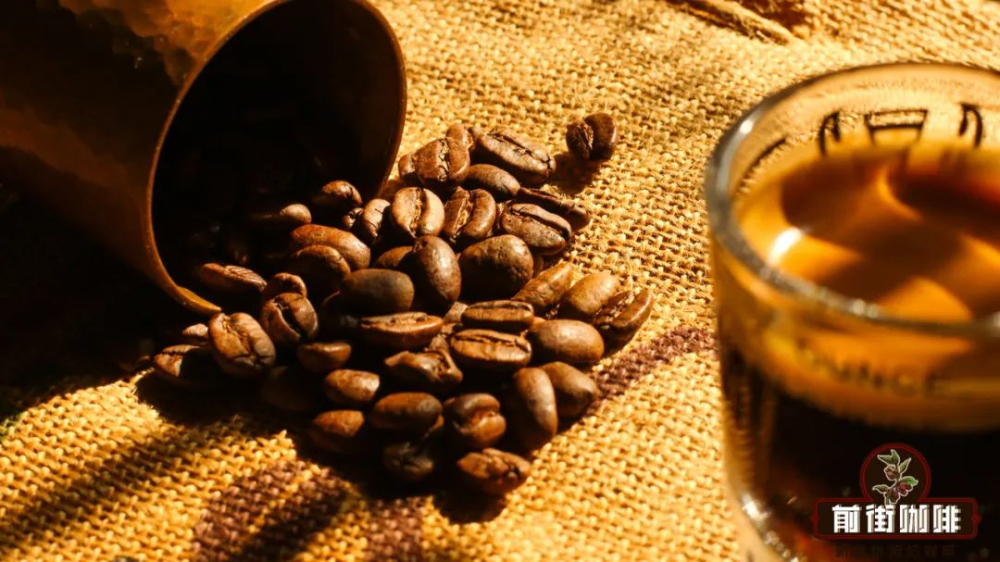
The final point to remind everyone of is that all the above methods are based on conventional and correct espresso extraction. If the grind is too coarse, or the extracted liquid yield is too large, the thickness of the crema will be reduced. So this point also needs attention.
The above content is compiled by CoffeeHunters, a coffee news website.


