







Coffee Particles and Pour-Over Flow Rate
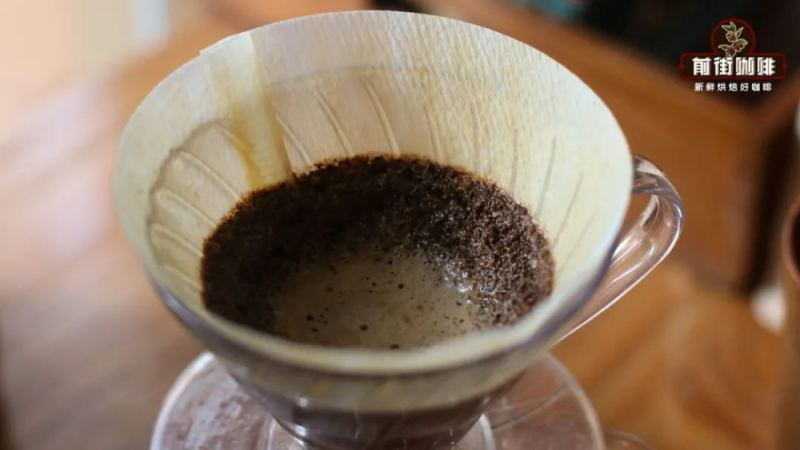
The same 15 grams of coffee can finish dripping in two minutes or in under ninety seconds, and the difference comes from the beans rather than the recipe. Medium-dark roasts and anaerobically processed coffees have looser, more brittle cell structure, so they absorb water and release gas quickly, the bed puffs up during blooming, and water passes through faster.
Coffee particles from light roasts are denser and harder to crush, so grinding takes more effort and the bed resists flow for longer. Roast level, processing method, density and grind setting all shift the pace, which is also why when to grind coffee beans matters: grind close to brewing, and adjust one notch finer or coarser to bring an abnormal flow rate back toward two minutes.
In the process of pour-over coffee brewing, many enthusiasts encounter the same dose of coffee grounds but vastly different extraction times—some finish smoothly in about two minutes, while others finish dripping in less than a minute and a half. What exactly determines this difference in flow rate? What do faster or slower flow rates each signify? This article, drawing on the practical experience of Front Street Coffee, systematically sorts out the key factors affecting pour-over flow rate from dimensions such as roast level, processing method, coffee bean texture and density, and grind setting, and offers adjustment ideas for abnormal flow rates, helping you judge and respond more accurately in your daily brewing.
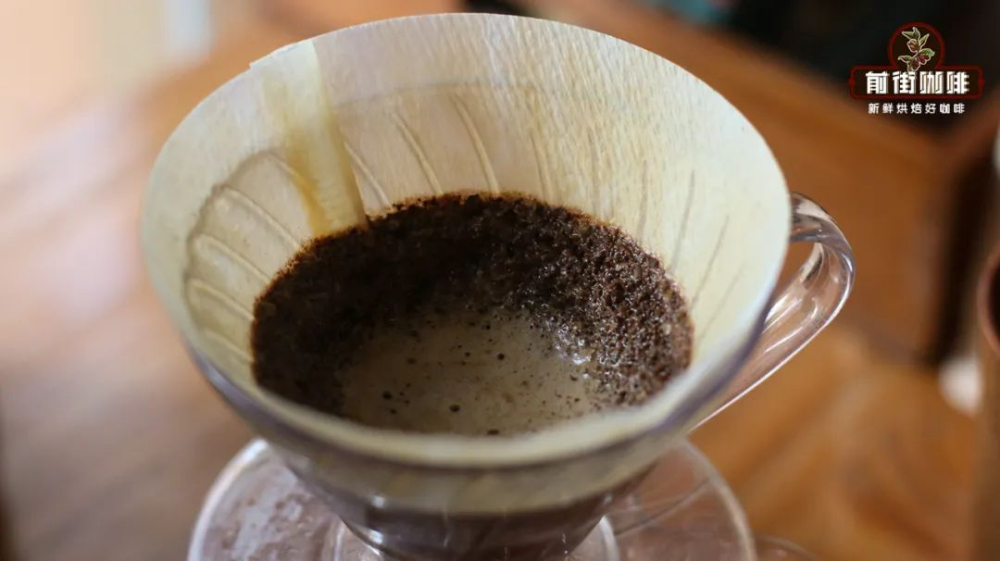
Front Street has previously been asked by many friends about this phenomenon: "Using the same 15 grams of coffee grounds, some beans extract at a very stable pace, finishing in about two minutes, but when switched to other beans, the water flows down especially fast, often finishing dripping in less than a minute and a half."
Cases of faster flow rate are mostly concentrated in medium-dark roasted beans and anaerobically processed beans. Take medium-dark roasting as an example: Front Street. Golden Mandheling (full-bodied taste, rich caramel aroma) and Front Street. Queen Brazil Estate (creamy nuttiness, balanced sweet finish) are representatives of this type; while anaerobically processed coffees mostly use medium-light roasting, such as Front Street. Colombia Sidra (passion fruit, grape) and Front Street. Costa Rica Mozart (raisin, pineapple).
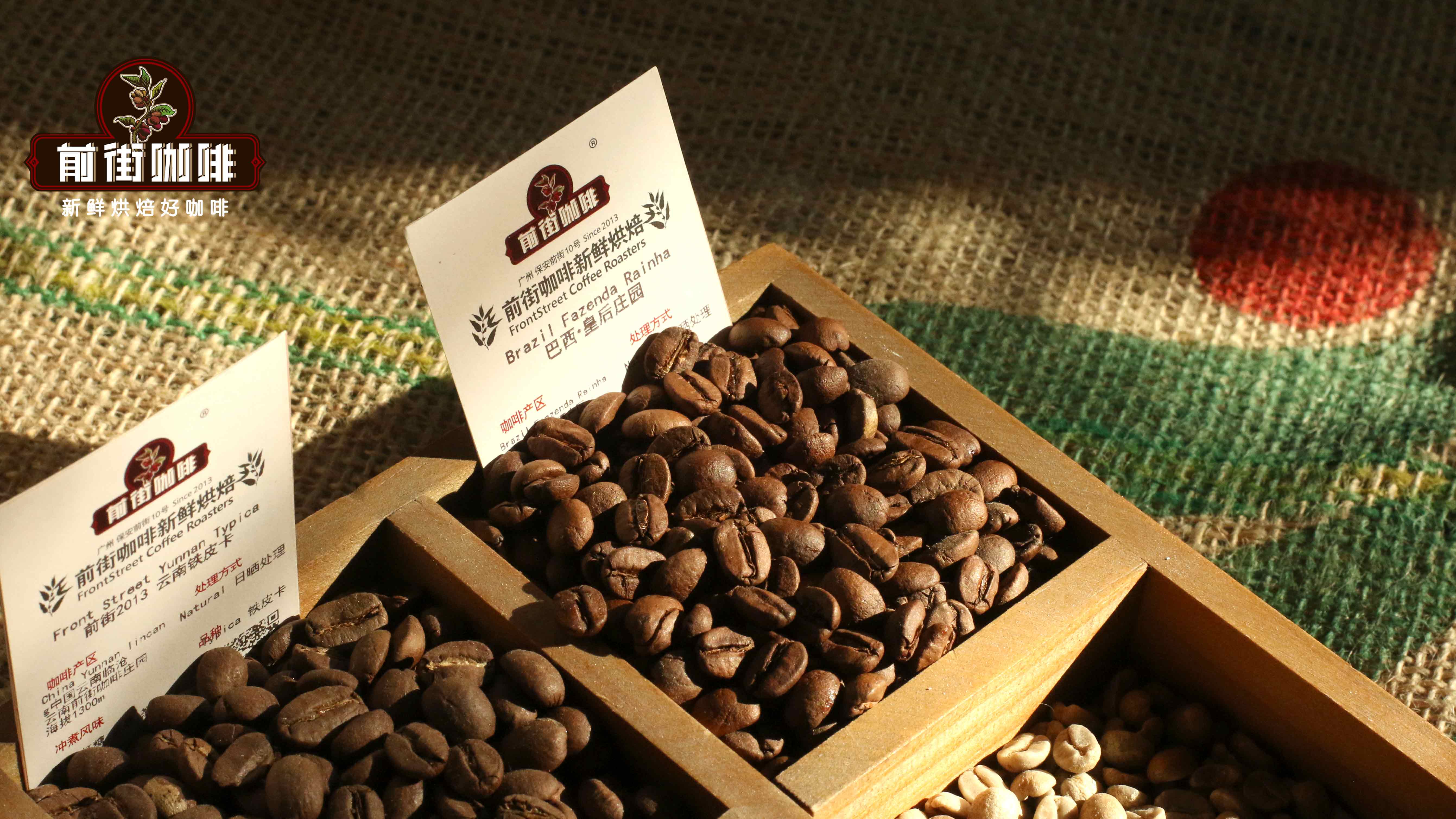
If you usually use a hand grinder, you should have a very intuitive feeling: grinding light-roasted beans like Front Street. Yirgacheffe and Front Street. Huakui is quite laborious, while grinding medium-dark roasted or anaerobic coffee is much easier, almost requiring no effort to crush. This precisely indicates that such beans have a looser texture and greater brittleness, and their water absorption and degassing efficiency are also higher, so during the blooming stage the coffee bed easily puffs up into an obvious "hamburger."
When blooming and degassing are smooth, and the coffee particles are loose with lower density, more foam is generated during brewing, and in the early stages of pouring, the coffee grounds easily float on the surface or cling to the wall of the dripper. The coffee bed's resistance to water flow weakens accordingly, so drainage is naturally smooth. Therefore, anaerobically processed beans rarely experience clogging or water accumulation.
Conversely, if the drainage is abnormally fast when brewing anaerobic beans—while others take about two minutes for extraction, it finishes in less than 1 minute 30 seconds—then the flow rate is unreasonably fast.
The crux often lies in the grind setting. Many people use only two or three settings when brewing coffee: finer for light roast, coarser for dark roast, and a middle value for medium roast.
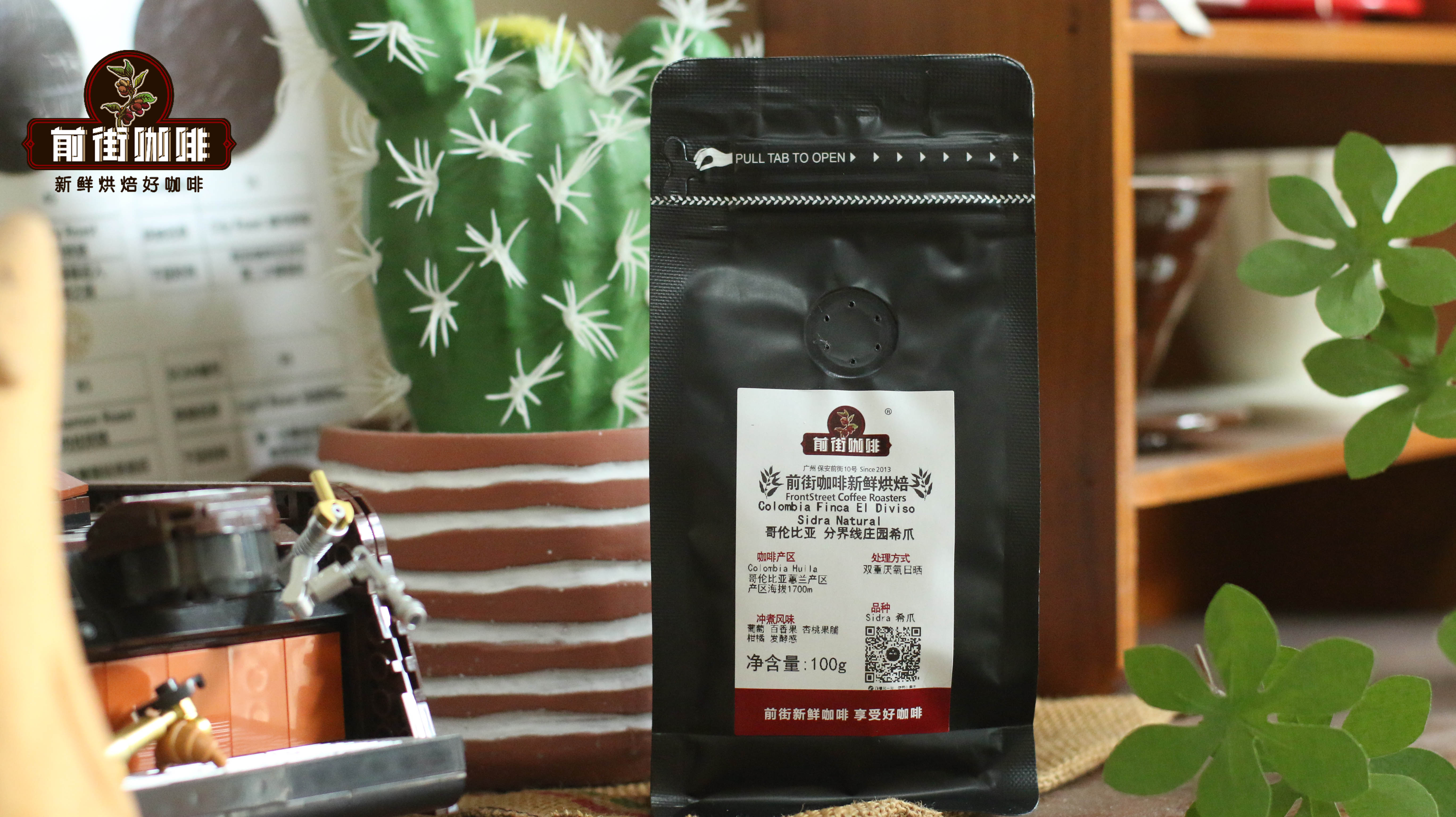
So once you find that the drainage speed is noticeably faster than usual, you should adjust the grinder setting finer. (There is a saying that you should grind finer for anaerobic beans, which is not entirely accurate—what needs to be adjusted finer is the grinder's setting number, and the actual grind coarseness should be consistent with what you use for daily washed and natural beans.)
Of course, if you want the extraction time to be more ample, you can also reduce the water flow when pouring, avoiding raising the coffee bed too high. The coffee brewed this way will have a richer, fuller flavor.
The above content is compiled by CoffeeHunters, a coffee news website.


