







Every independent coffee shop has its own characteristics, and they also choose different coffee beans for making coffee. However, for large chain coffee shops like Starbucks, the espresso bean blends used to make coffee drinks are almost always the same formula, so no matter which Starbucks you visit, you can taste the same coffee flavor.
Starbucks has an extraordinary "iconic" blend that combines Latin American and Indonesian coffees, developed after months of tweaking. The Latin American coffee gives it a soft acidity, while the Indonesian component imparts depth and a certain spiciness. A slightly darker roast adds a caramel sweetness. This is where blended coffee beans differ from single-origin coffee beans—espresso blends use the characteristics of each bean to achieve the desired coffee flavor.
What are espresso blend beans?
Before Front Street explains espresso blend beans, we need to first introduce what single-origin coffee beans are. Single-origin coffee refers to coffee beans from a single origin, such as Yirgacheffe coffee beans, Colombian coffee beans, and so on. So why aren't single-origin coffee beans used to make espresso?
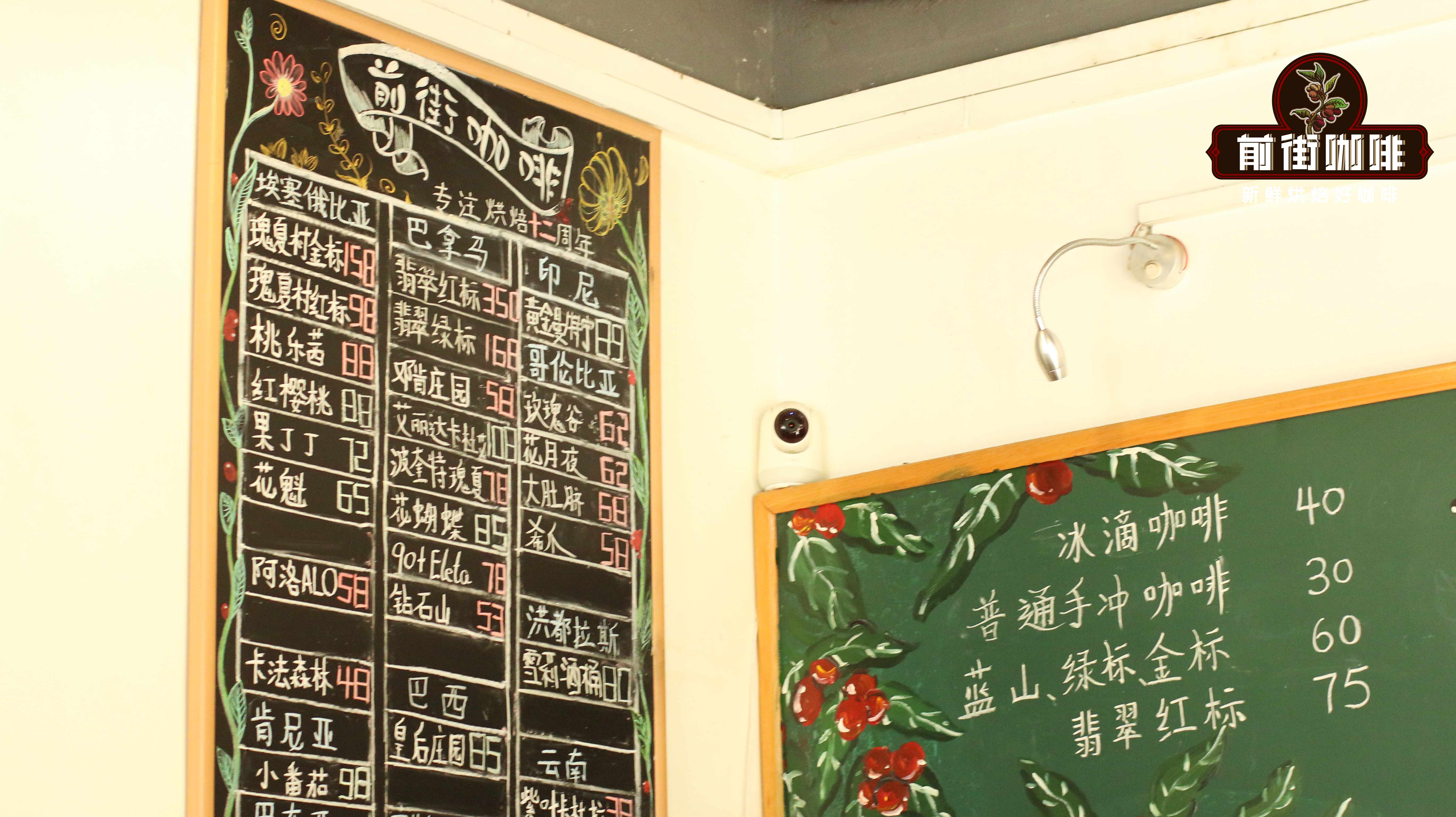
Just like Front Street Coffee (FrontStreet Coffee), which has single-origin coffee beans from at least 50+ producing regions, why not use these beans directly to make espresso instead of spending so much time blending and roasting separate espresso beans? This is because single-origin coffee beans are usually roasted to a lighter level and are often used for pour-over coffee. If you use pour-over coffee beans to make espresso, the flavors get amplified. If a certain coffee bean has a particularly pronounced acidity and very weak bitterness, making it into espresso might make it hard for people to accept. So at this point, we need another coffee bean with weaker acidity and relatively more noticeable bitterness to pair with it, in order to achieve a balance of acidity and bitterness. If both coffee beans lack sweetness, then just add some sweeter coffee beans!
Blended coffee generally refers to coffee made by mixing two or more different varieties of coffee, or the same variety roasted to different degrees, with the purpose of creating a desired new flavor.
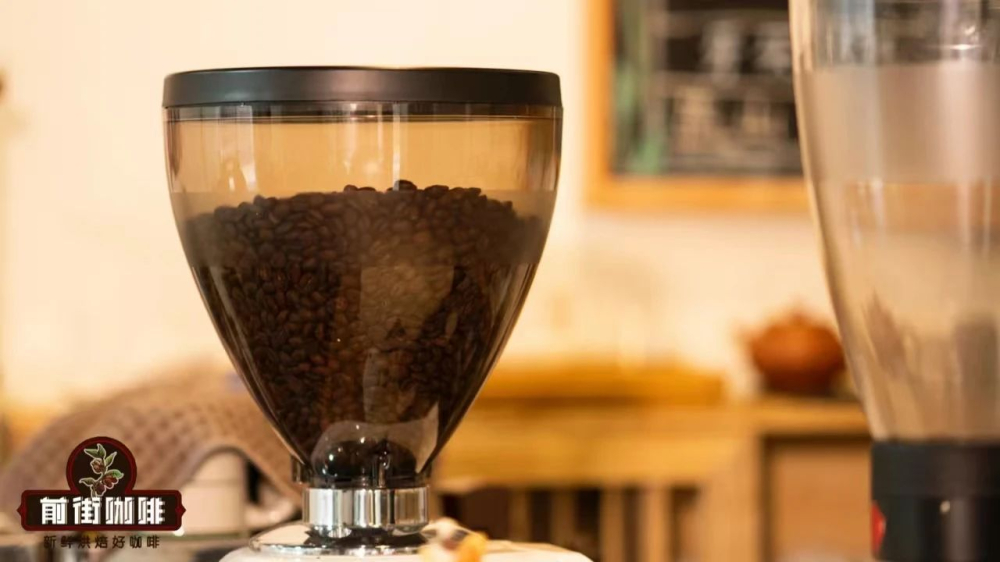
Front Street believes this is the benefit of blending, because a high-quality blend, in addition to balancing acidity, sweetness, and bitterness, can also have better body and avoid or reduce defective flavors. Generally, an espresso blend contains no more than 5 types of coffee beans, because too many beans means considering a great many factors, such as the origin flavor and processing method of each bean, all of which heavily test a barista's professional knowledge. Through the blender's unique understanding of coffee flavors, different coffee beans complement each other's strengths and offset weaknesses, harmonizing into an excellent blended coffee. Just like Front Street Coffee (FrontStreet Coffee), when blending espresso beans, it generally does not use more than 3 types of beans.
What coffee beans are used for espresso?
The reason we blend coffee beans is to extract a delicious shot of espresso. So what coffee beans should be chosen for espresso? Front Street will share its own experience with everyone.
Currently, Front Street Coffee (FrontStreet Coffee) has four espresso blends in total, each using different coffee beans blended together to achieve the coffee flavor Front Street desires.
Take Front Street's Front Street Specialty Blend, for example. It uses Colombian coffee beans paired with Brazilian coffee beans in a 3:7 ratio. The distinctive nutty and chocolate notes of Colombian coffee are blended with the rich peanut and cream coffee flavors of Brazil. This espresso blend is very balanced overall, with rich crema and an extremely smooth entry, fragrant yet with a slight bitterness characteristic of the Americas.
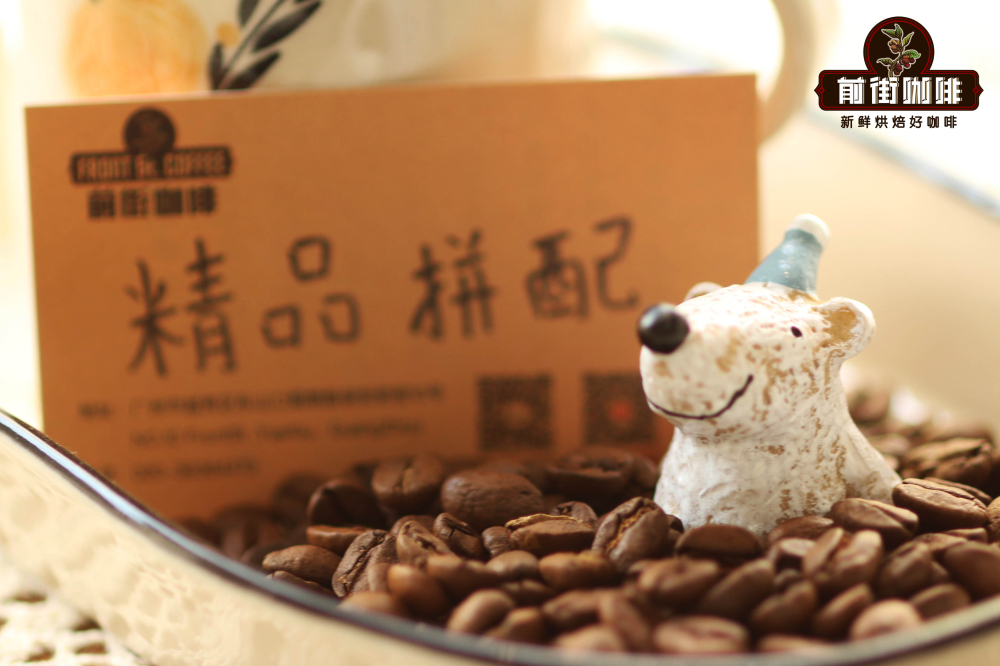
There is also Front Street Commercial Blend espresso beans, with a ratio of Colombian coffee beans : Brazilian coffee beans : Robusta coffee beans at 3:6:1. The flavor has caramel sweetness, notes of nuts, cocoa, and dark chocolate, balanced acidity and sweetness, a slight bittersweetness, and a lasting finish. Generally, baristas use various beans for blending to achieve the coffee flavor they want, and they may also add Robusta coffee beans. Don't assume that adding Robusta coffee beans means you should be biased against this coffee—this kind of blending sometimes sparks something unexpectedly wonderful.
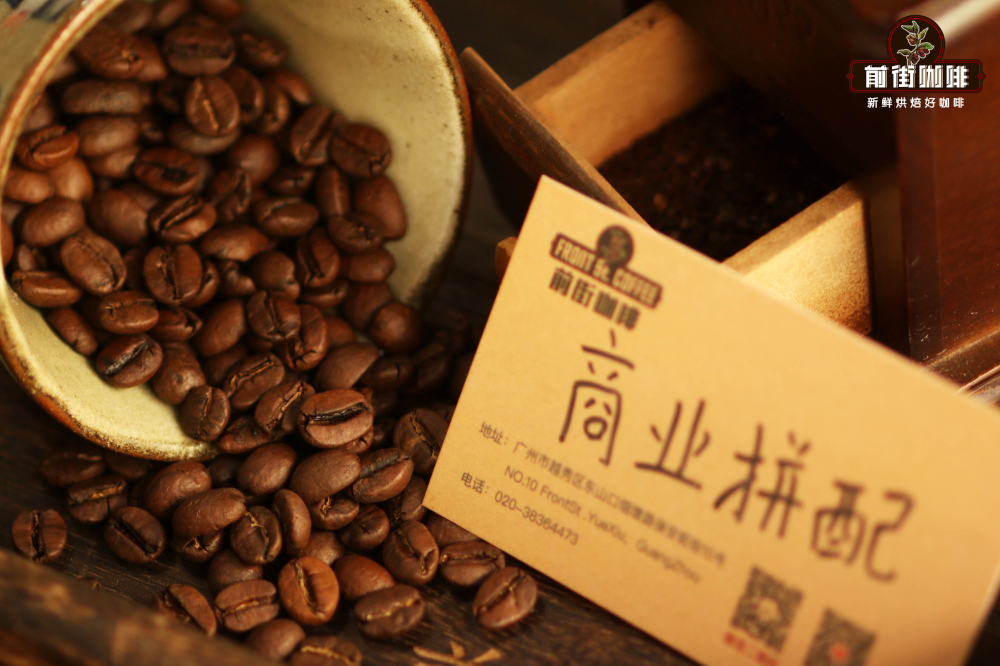
The third one is Front Street Dark Cocoa Blend espresso beans, with a ratio of Yunnan coffee beans : Brazilian coffee beans at 3:7. The extracted espresso has: soft fruity acidity, caramel sweetness, nutty and dark chocolate flavors, smooth and syrupy, but with a relatively light taste.
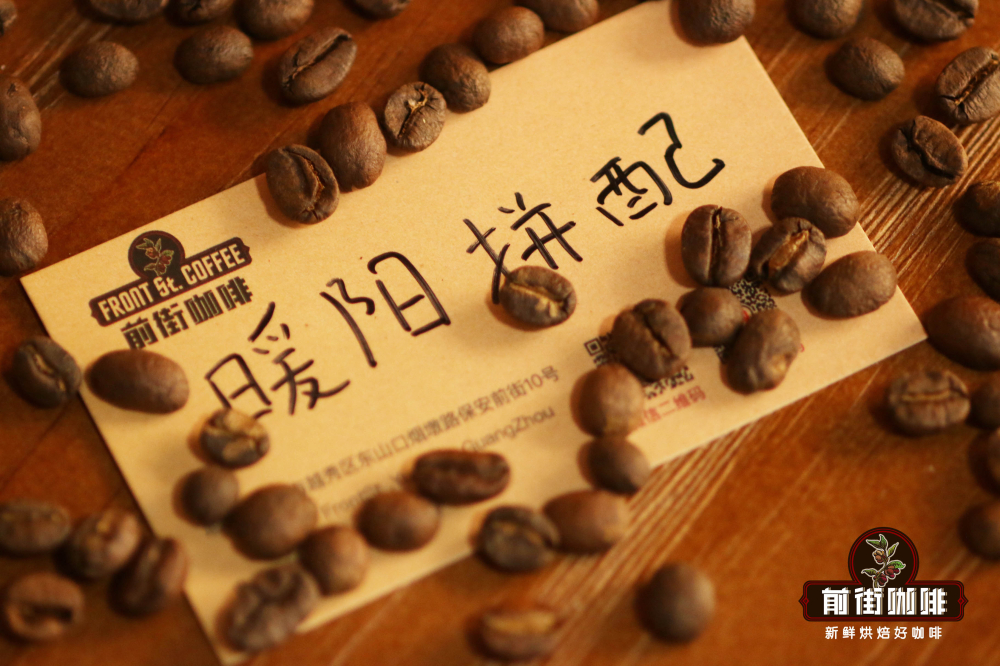
The last one is Sunflower Warm Sun espresso beans, blended with Honduran coffee beans : Yirga Red Cherry coffee beans. This is also one of the coffee beans currently used by Front Street Coffee (FrontStreet Coffee). The extracted espresso has obvious fruity acidity, a faint berry aroma lingering, rich winey and chocolate flavors, and a comfortable sweet aftertaste.
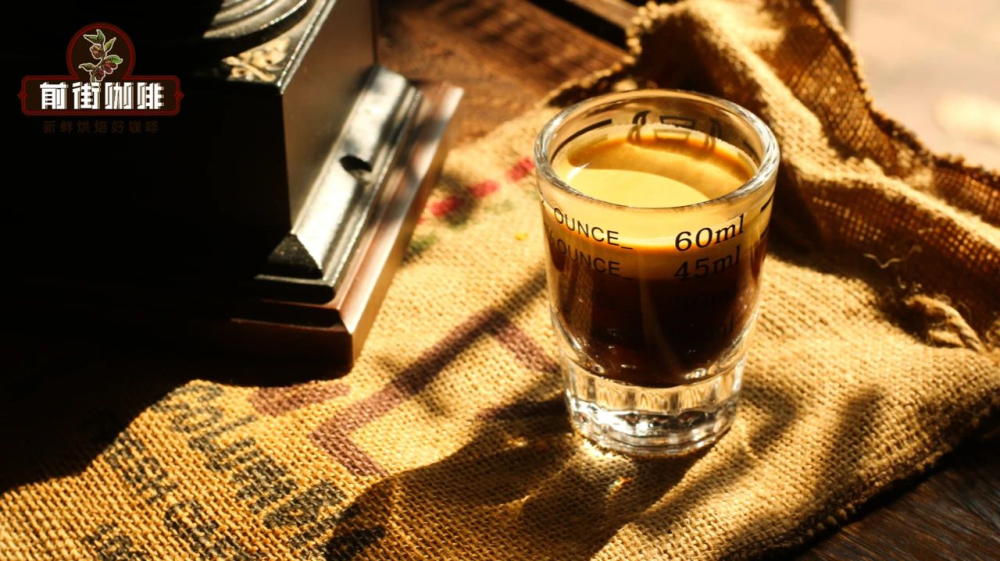
After choosing a suitable espresso blend, you can proceed with the corresponding extraction. Although making espresso with an espresso machine does not involve as many steps as pour-over coffee, Front Street Coffee (FrontStreet Coffee) believes that extracting espresso is also a meticulous task that requires attention to many factors.
What factors affect espresso extraction?
(1) Water pressure. Modern machines use a water pump to control water output and adjustable water pressure. The ideal water pressure for Espresso is generally 9 BAR, which is also widely recognized as the most ideal pressure.
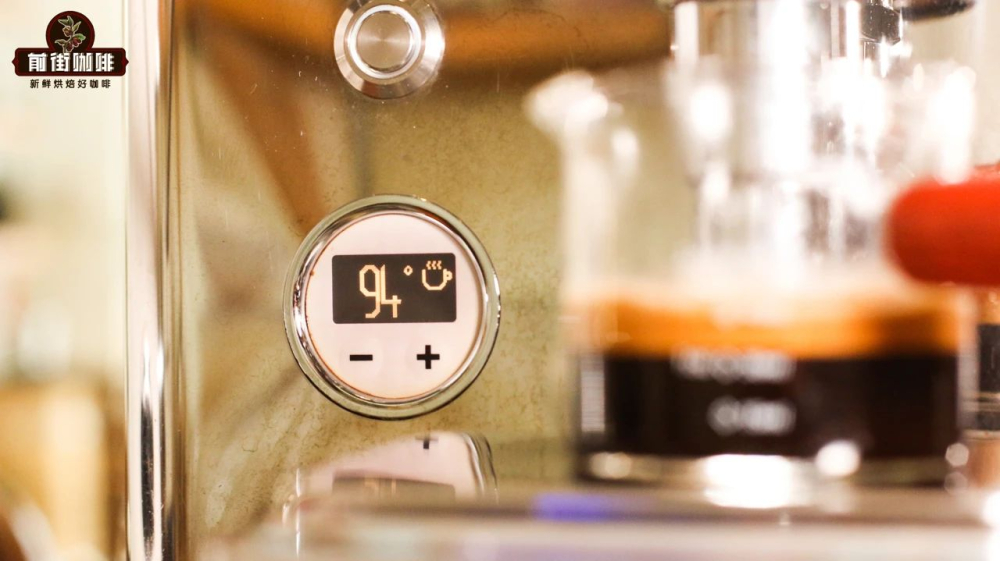
(2) Water temperature
Water temperature needs to be determined according to the requirements of different coffee bean varieties. Based on most baristas' experience, the water temperature is between 90 and 92 degrees Celsius, and each barista can adjust flexibly according to their own understanding and needs.
(3) Espresso bean grind size
Espresso is an extremely fine grind. The finer the grind, the slower the water flows through the coffee bed; the coarser the grind, the faster the water flows through the coffee bed. Adjusting the grind size allows you to flexibly change the extraction time while achieving the target yield. Imagine this situation: using a fixed dose of 20g to extract 40g of Espresso, taking 25 seconds. Everything seems perfect, but upon tasting, you find the body is very thin and sharply sour. Obviously, this Espresso is under-extracted and has low concentration. At this point, grinding the coffee beans finer can solve the problems of under-extraction and low concentration while reducing the sharp sourness and increasing body.

(4) Dose. Front Street Coffee (FrontStreet Coffee) uses 12-14 grams of coffee grounds for a single espresso and 20-22 grams for a double.
(5) Extraction time. The golden rule for extraction time is 25-28 seconds, but extraction time is actually a comprehensive reflection of tamping, dose, and grind size, and needs to be adjusted by the barista based on their understanding.
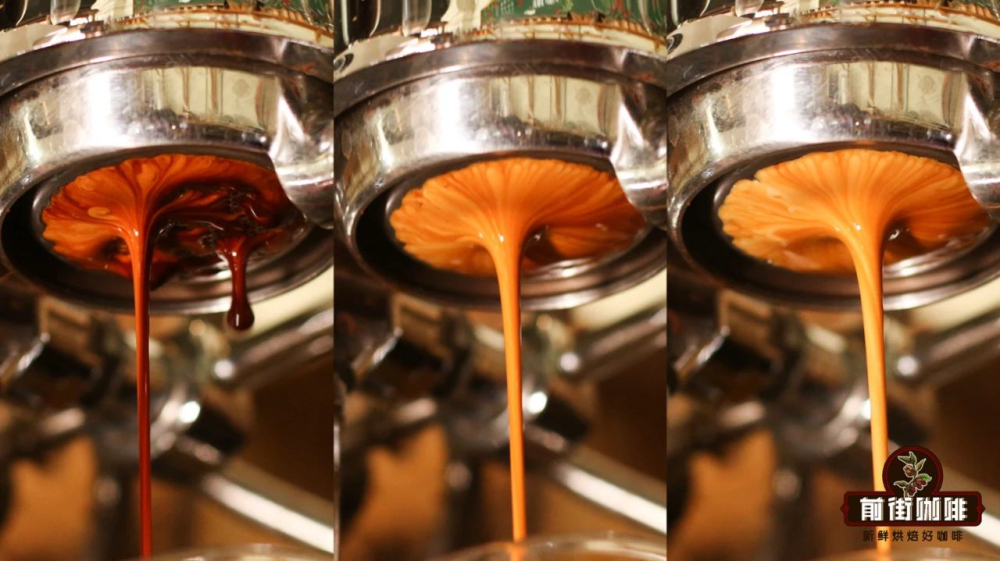
(6) Extraction yield
Front Street Coffee (FrontStreet Coffee) single extraction20-21gliquid, double extraction40gliquid extraction yield. Combined with dose, this is the key to the espresso extraction brew ratio.
Once you have set these parameters according to your needs, you can make a delicious cup of espresso. Of course, if there is anything you still don't understand, you can also follow Front Street Coffee (FrontStreet Coffee) official account to exchange and learn together.
The above content is compiled by CoffeeHunters, a coffee news website.


