







Search Results for: substances
Why Does Pour-Over Coffee Taste Sharply Sour? Analyzing Under-Extraction and How to Balance Sourness, Sweetness, and Bitterness
Many coffee enthusiasts enjoy a well-balanced pour-over in cafés, with its harmonious blend of acidity and sweetness, yet when they brew at home, they often end up with a sharp, jarring sourness that leaves them puzzled. In reality, the flavor of coffee depends on the proportions of three types of substances: acids, sugars, and bitters. Sharp sourness is often a sign of imbalance—it’s not necessarily that there are too many acidic compounds, but rather that not enough sweet and bitter substances have been extracted. Front Street Coffee will take a deep dive into the principles behind sharp sourness and, from three angles—lowering the coffee-to-water ratio, extending the extraction time, and raising the water temperature—provide concrete, actionable adjustments to help you brew a smooth, mellow pour-over at home. [more…]
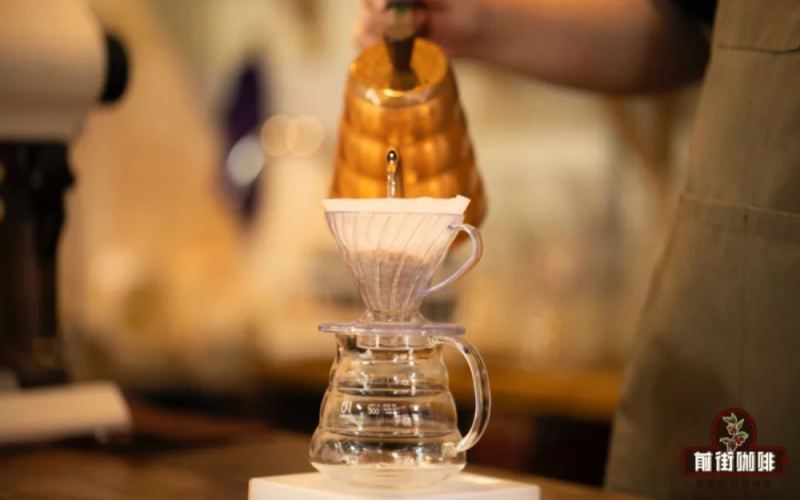
A Complete Analysis of the Pour-Over Coffee Extraction Principle: The Underlying Logic of Grind, Water Temperature, Water Quality, and Coffee-to-Water Ratio
To brew a good pour-over coffee, rather than memorizing various brewing techniques, it's better to first understand the underlying logic behind extraction. All brewing methods are essentially variations of the extraction formula; once you grasp the core principles, even beginners can quickly get the hang of it. This article, from the perspective of Front Street, will guide you through the composition of soluble substances in coffee beans, help you understand the differences in dissolution rates of the sour, sweet, and bitter flavors, clarify the reference significance of the golden cup extraction rate, and break down one by one how the five major variables—water temperature, grind size, coffee-to-water ratio, brewing time, and water flow—interact and jointly determine the final performance of a cup of coffee. [more…]
Coffee Extraction | What Are Over-Extraction and Under-Extraction in Pour-Over Coffee? What Are the Signs of Under-Extraction and Over-Extraction in Pour-Over Coffee?
Front Street Coffee has found that many friends always run into this problem when they first start learning coffee brewing: they find that the coffee they brew doesn't taste good, but they can't quite say exactly what's wrong with it. To be honest, if we want to brew a good cup of coffee, besides learning the underlying logic of brewing and mastering the correct extraction parameters, [more…]
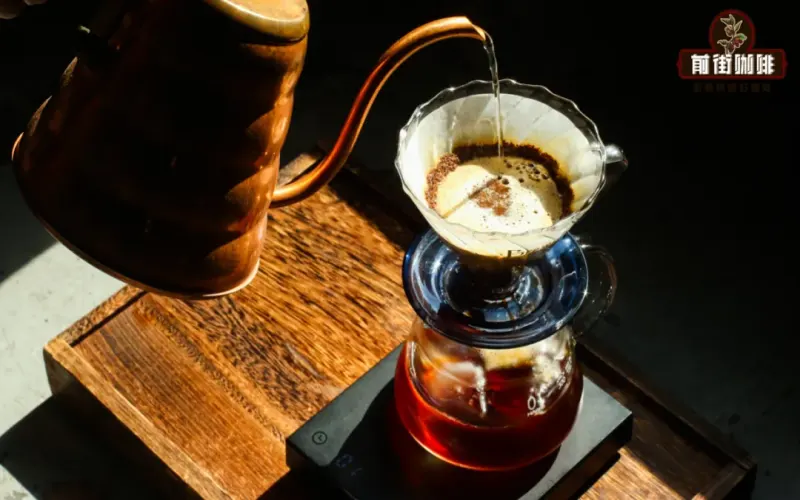
How to Bring Out Sweetness in Pour-Over Coffee? Analyzing Extraction Models and Adjustment Methods for Two Common Problems
The appeal of coffee's sweetness lies in its ability to trigger dopamine release, bringing a pleasurable sensation. But sweetness does not exist in isolation; it is a flavor that stands out after acidity and bitterness have been harmonized with each other. Starting from extraction models, this article explains the release patterns of sweet, sour, and bitter compounds at different stages, and points out that an ideal sweetness should pursue an extraction yield of 18% to 22%. It then addresses two common problems—over-extraction causing bitterness to suppress sweetness, and overly conservative brewing resulting in strong acidity and weak sweetness—and gives specific adjustment suggestions for water temperature, grind size, coffee-to-water ratio, and the number of pouring stages. The article also recommends several Front Street Coffee sweet-tasting bean lists at different roast levels for readers to refer to and choose from. [more…]
Can Coffee Grounds Be Reused for Repeated Extraction? Why Pour-Over and Drip Bag Coffee Shouldn't Be Brewed Multiple Times
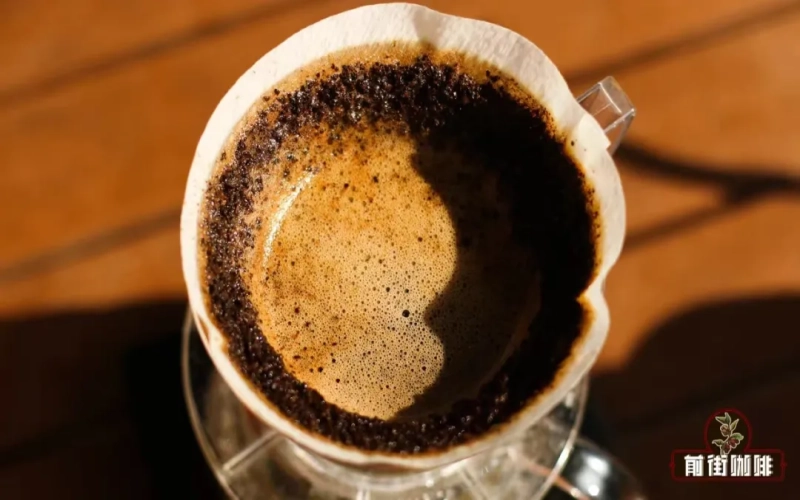
Coffee and tea are both beverages that rely on water to dissolve flavor, so if tea leaves can be steeped repeatedly, can coffee grounds do the same? In terms of composition, about thirty percent of coffee beans is soluble matter, which theoretically does support multiple extractions. In practice, however, the coffee liquid obtained from repeated brewing tends to be thin and carry off-flavors. The reason is that a normal extraction has already released most of the sweet and sour essence, and the remaining substances cannot support good flavor. This article will start from extraction yield and the order in which flavors dissolve to explain why coffee grounds are single-use, and to clarify why pour-over and drip-bag coffee are not recommended for repeated brewing. [more…]

Is the instability of pour-over coffee flavor just mysticism? Analyzing the extraction science of grind, water temperature, time, and ratio
Many coffee enthusiasts have experienced this confusion: why does the same bean taste different every time it's brewed? Occasionally a stunning cup of coffee is brewed, but it's hard to reproduce afterwards, so some people attribute coffee extraction to "metaphysics." But in fact, extraction is a quantifiable, reproducible scientific process. Water acts as a solvent, dissolving the flavor substances from the coffee grounds, while parameters such as grind size, water temperature, time, and coffee-to-water ratio all directly affect extraction efficiency, and thereby determine the final flavor in the cup. Taking Ethiopia Huakui as an example, Front Street uses 15g of grounds, a 1:15 coffee-to-water ratio, caster sugar grind size, and a two-minute three-pour brewing method to consistently obtain a coffee with balanced acidity and sweetness, carrying citrus, strawberry, and creamy floral aromas. This article will systematically explain how to achieve flavor stability and targeted adjustments by recording and controlling parameters, and explain the scientific logic behind the differences in dissolution rates of sourness, sweetness, bitterness, and saltiness. [more…]
How to Judge the Extraction State of Pour-Over and Espresso Coffee Through Flavor: Analyzing the Tastes of Under-Extraction and Over-Extraction
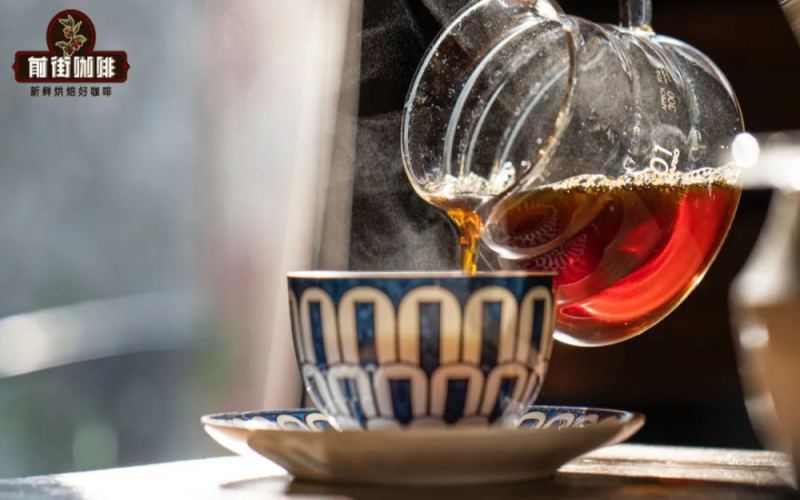
When brewing coffee, under-extraction or over-extraction will both bring unpleasant flavors. Starting from the golden cup extraction standard, this article explains the origin of the 18%–22% extraction yield, and details how to judge whether coffee is under-extracted or over-extracted by tasting sour, sweet, bitter, and other flavor expressions. At the same time, for common extraction problems in home brewing, it provides practical suggestions for adjusting grind size, water temperature, and brewing rhythm, helping coffee lovers easily brew a balanced and tasty cup. [more…]
Gold Cup Extraction Standard Explained: Concentration and Extraction Yield Calculation Methods and SCAA Standard Ranges
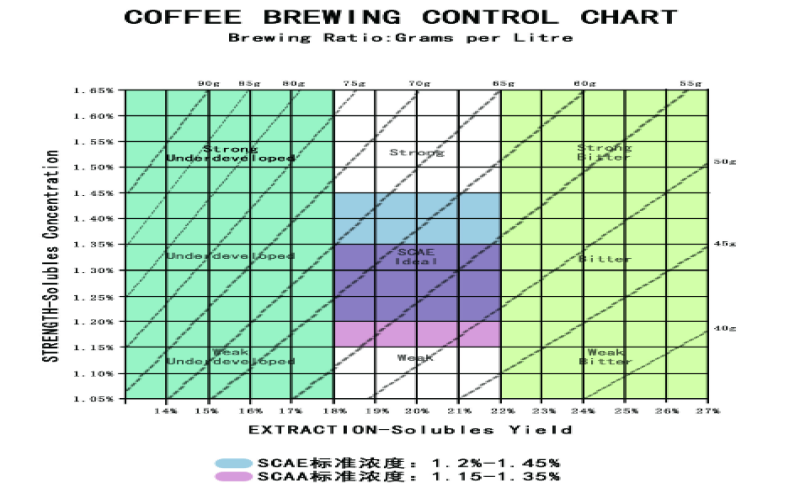
In coffee brewing, how to balance flavor and avoid under-extraction or over-extraction is a concern for every coffee enthusiast. The Golden Cup standard provides a widely recognized reference framework, covering the ideal ranges for extraction yield and concentration. This article will systematically review the origins of the Golden Cup standard and the specific values set by coffee associations in various countries, explain in detail the formulas for calculating concentration and extraction yield, and, using the example of Front Street Coffee's Ethiopia Florque 4.0 pour-over, demonstrate how to measure and calculate extraction yield with an ExtractMoJo refractometer, helping you find the flavor balance point that suits you in your daily brewing. [more…]
Easy for Beginners to Master: Key Parameters for Pour-Over Coffee and a Detailed Guide to the Three-Pour Technique
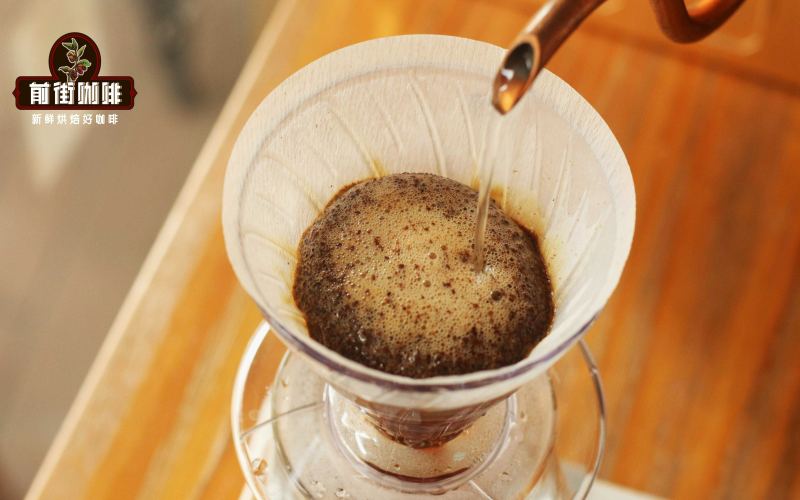
Pour-over coffee may seem to involve quite a few steps, but once you master the core variables, even beginners can brew a consistently good cup. This article focuses on six aspects—coffee bean freshness, grind size, coffee-to-water ratio, water temperature, pouring technique, and extraction time—explaining one by one how they affect the final flavor, and providing Front Street Coffee's recommended parameters and specific brewing demonstrations for everyday pour-over. The article also includes grinding and sieving suggestions for light-roast and medium-dark-roast beans, the classic 1:15 ratio, water temperature ranges for different roast levels, and the complete three-pour process, helping you recreate a layered, balanced, and smooth pour-over coffee at home. [more…]
A Complete Step-by-Step Guide to Pour-Over Coffee for Beginners: Six Key Variables from Bean Freshness to Extraction Time
Pour-over coffee may seem complicated, but every pour is actually full of a soothing sense of ritual. Yet mood swings, pouring rhythm, grind size, water temperature… a deviation in any one of these will make the final flavor vastly different. The six major factors affecting pour-over extraction—coffee bean freshness, grind size, coffee-to-water ratio, brewing water temperature, pouring technique, and extraction time—are all interconnected, and pulling one thread moves the whole system. In this article, Front Street will break down one by one the specific mechanisms by which these six variables affect flavor, and provide grind sifting-rate recommendations for light-roast and medium-dark-roast beans, a coffee-to-water ratio range of 1:14 to 1:18, water temperature references of 90-91°C and 88-89°C, and a complete demonstration of three-pour brewing, to help beginners build a stable, reproducible brewing framework. [more…]
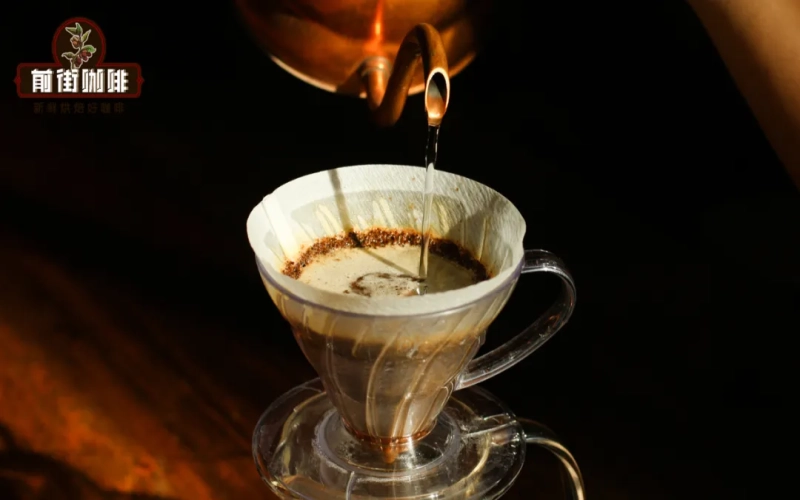
Can coffee grounds be brewed a second time? Analyzing why coffee, unlike tea leaves, cannot be repeatedly re-steeped from the perspective of extraction yield and flavor balance
A friend once asked while buying beans at the Front Street store: can coffee grounds that have already been brewed once be used again for a second cup? Some bloggers online have also demonstrated that a second brew can still yield decent flavor. From a practical standpoint, of course coffee grounds can be brewed again—even a third or fourth time. But "can be brewed" and "tastes good" are two entirely different matters. This article starts from actual tests on Front Street's Sidra, and combines the proportion of soluble matter, extraction yield control, and the differences in dissolution rates of acidity, sweetness, and bitterness to explain why coffee is usually brewed only once, and the fundamental reasons why a second brew tastes thin and lacks layering, before offering a conclusion that better suits the general palate. [more…]
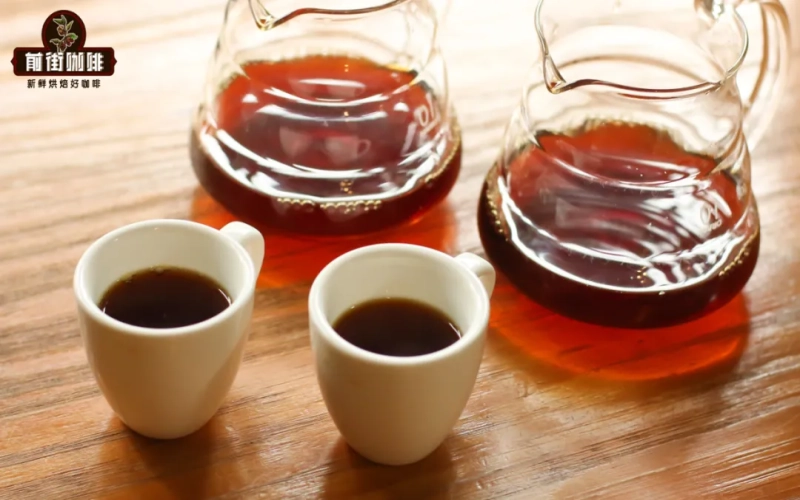
How to tell if coffee is under-extracted or over-extracted? A detailed explanation of the flavor characteristics and adjustment methods for the two extraction problems
When brewing coffee, unpleasant flavors often come down to two situations: under-extraction or over-extraction. Front Street Coffee has found that many beginners can taste that something is off with their coffee but can't pinpoint the problem. This article starts with the definition of the Golden Cup standard, explaining the reference range of an 18%–22% extraction yield, while also pointing out that the Golden Cup is not an absolute standard and that coffee bean quality can affect the results. It then details the three main signs of under-extraction—watery flavor, thin body, and sharp sourness, astringency, and saltiness—as well as the characteristics of over-extraction, such as pronounced bitterness, dryness, and woody off-flavors. Finally, it offers a practical adjustment plan that uses grind size as the variable while keeping water temperature, time, and water amount fixed, helping everyone quickly find the parameters that suit them. [more…]
Starting from Flavor and Mouthfeel: How to Judge Whether Pour-Over Extraction Is Proper and Adjust Brewing Parameters
Extraction is the most central yet most easily misunderstood part of coffee brewing. Starting from flavor and mouthfeel, this article systematically sorts out the typical signals of under-extraction and over-extraction, helping you quickly judge the state of a cup of pour-over coffee and adjust parameters accordingly. Under-extraction often shows up as sharp acidity, a lack of sweetness, a salty sensation, and a short finish; over-extraction brings bitterness, dryness, and a hollow feel. Once you understand these clues, you can correct grind, time, and ratio with more direction, bringing the coffee back to a balanced, delicious place. The article also retains product recommendation information related to Front Street Coffee, making it convenient for everyday practice and comparison. [more…]

How Many Times Can You Actually Rebrew Drip Bag Coffee? Explaining the Fundamental Difference Between Coffee and Tea in Extraction Cycles
Drip bag coffee, with its convenience and high cost-effectiveness, is attracting more and more beginners to the fold. But many friends who are new to coffee often wonder: how many times can one drip bag actually be brewed? Why can tea leaves be steeped repeatedly, while coffee is usually extracted only once? This article starts with the composition of soluble substances in coffee beans, focuses on analyzing the role of chlorogenic acid in the extraction process, explains why coffee is not suitable for multiple brews, and also touches on why a second pour is not recommended after a regular brew. It also compiles Front Street Coffee's drip bag recommendations for different tastes, for everyone's reference when choosing. [more…]
Over-extracted Coffee | Why Does Brewed Coffee Taste Bitter? How Can Coffee Beginners Avoid Over-Extraction When Making Pour-Over Coffee?
Many friends just starting out always face the trouble of over-extraction! So-called "over-extraction" refers to excessive extraction. In a coffee bean, the substances that can be dissolved out by water make up about 30% of the total. Although there is only this much, we cannot dissolve everything out. Because inside, besides [more…]
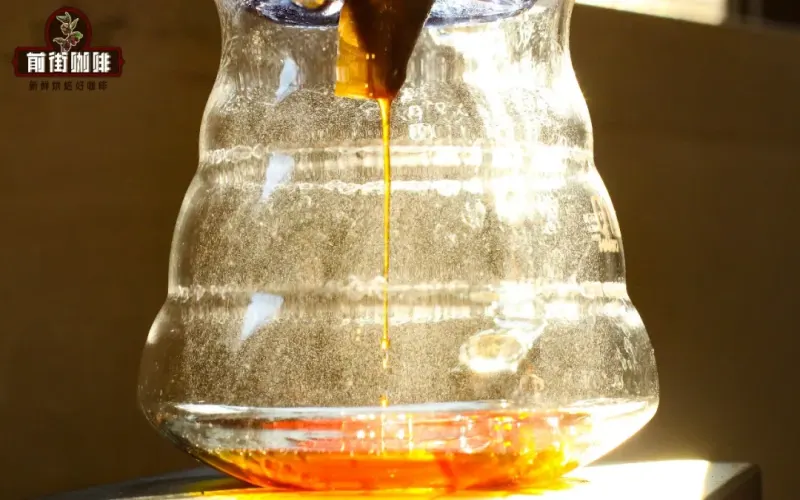
Judging Espresso Extraction by Color Observation: Is It Reliable? Tips for Identifying Under-Extraction and Over-Extraction
During coffee extraction, many enthusiasts try to judge the extraction state by observing changes in the color of the coffee liquid—the so-called "reading the color" method. Does this method have any scientific basis? Can it accurately distinguish between under-extraction and over-extraction? Front Street Coffee, based on practical testing, found that the color of the coffee liquid does indeed become lighter as extraction progresses, because the acidic and sweet substances among the solubles have smaller molecules and dissolve more quickly, while the bitter substances have larger molecules and dissolve more slowly. Once the acidic and sweet substances have largely dissolved, the bitter substances are still being released, and the coffee liquid begins to take on a whitish hue, which is usually regarded as a signal of approaching over-extraction. However, this method is greatly affected by factors such as flow rate and roast level, and is only suitable as an emergency reference; stable output still needs to rely on measuring tools such as an electronic scale. [more…]
Pour-over Coffee Basics | What Is the Standard Coffee Ground Size for Pour-over? How Do You Determine the Grind Size for Single-Origin Pour-over Beans?
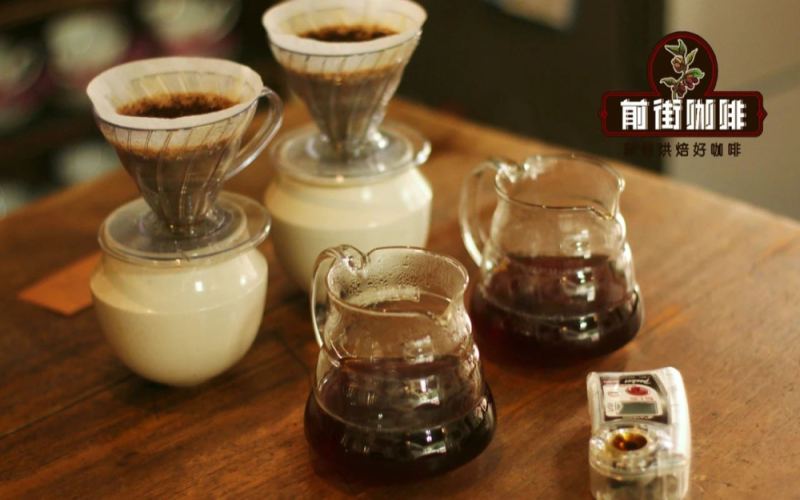
Beginners in pour-over coffee often come to FrontStreet Coffee and ask how to determine the grind size for each coffee bean, what effect grind size has on coffee extraction, how to tell the coarseness of coffee grounds at home, and so on. In this article, Front Street will talk about [more…]
Analyzing the Causes of Acidity in Ethiopian Sidamo Natural-Process Pour-Over and a Three-Stage Brewing Adjustment Strategy
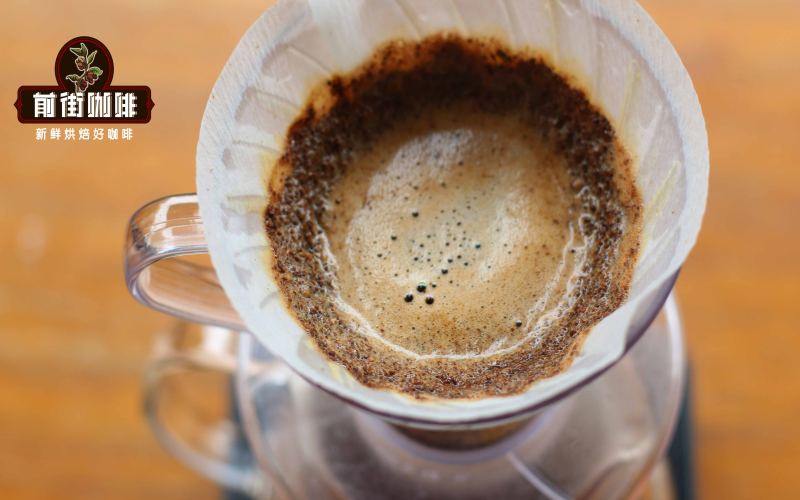
Many coffee enthusiasts who brew pour-over at home often run into the problem of coffee turning out either too sour or too bitter, making it hard to achieve the balanced, smooth result you get from a café. This article uses Front Street sun-dried Sidamo as an example to break down the specific operating parameters of three-stage pouring in detail, including coffee dose, coffee-to-water ratio, water temperature, and grind size, and explains that the different dissolution rates of sour, sweet, and bitter compounds in coffee are the fundamental reason why sourness stands out. The article further offers three practical adjustment approaches: increasing the amount of water poured, extending the extraction time, and raising the water temperature, helping readers flexibly revise their brewing plans based on the intensity of sourness and the level of concentration, so that sun-dried Sidamo can reveal softer, sweeter flavor layers. [more…]
Coffee Bean Grinding | Which Coffee Grind Is Finest on a Grinder Scale from 1 to 10? How Do You Adjust the Grind Size for Pour-Over Coffee? Reference Guide to Coffee Grind Size Standards
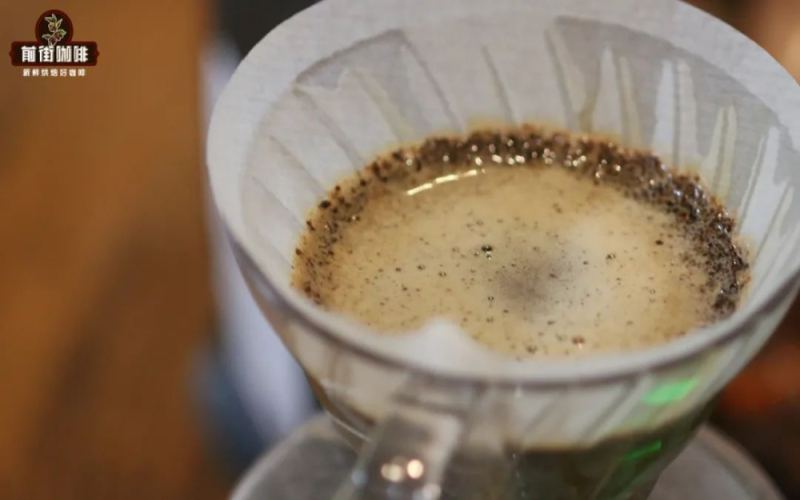
Which grind size from 1 to 10 is the finest for coffee beans? In most cases, the smaller the number, the finer the grounds. The grind size of coffee beans plays an important role in extracting a cup of coffee. For example, if the coffee grounds are too fine and used for pour-over coffee, it will result in over-extraction, while if they are too coarse, it will result in under-extraction. Secondly, factors such as the beans from each producing region [more…]
A Complete Guide to Bypass Brewing in Pour-Over Coffee: The Difference Between Coffee-to-Water Ratio and Coffee-to-Beverage Ratio, and When to Use Bypass Correctly
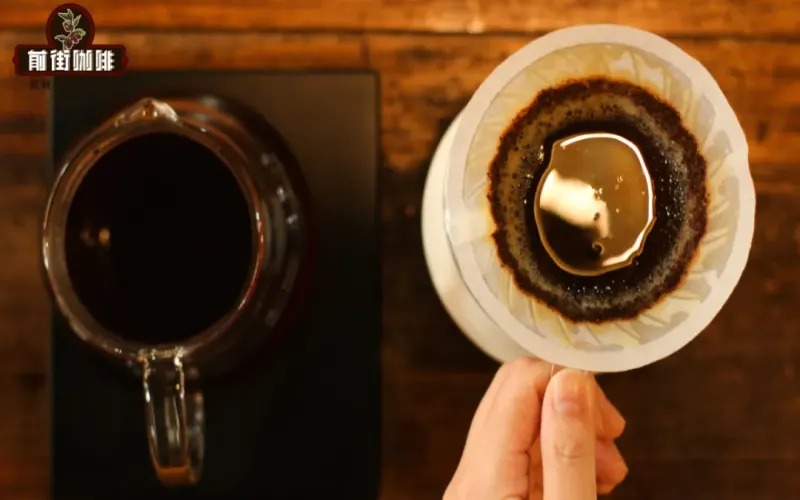
In the practice of pour-over coffee, "cutting off" the brew is a technique that is often mentioned. Many enthusiasts believe that the tail-end coffee liquid carries bitterness, and so habitually remove this portion at the end of brewing. However, cutting off the brew is not a universal key—improper use can instead destroy the coffee's complete flavor. From the perspective of Front Street, this article takes a deep dive into the dissolution patterns of bitter substances, explains why the tail end does not produce negative flavors under reasonable parameters, and distinguishes in detail between the two concepts of coffee-to-water ratio and coffee-to-liquid ratio, while also sorting out the two scenarios in which cutting off the brew truly applies—actively incorporating the cutoff into the brewing framework, and being forced to cut off due to clogging. By understanding these principles, coffee enthusiasts can use the cutoff more scientifically and improve their brewing quality. [more…]