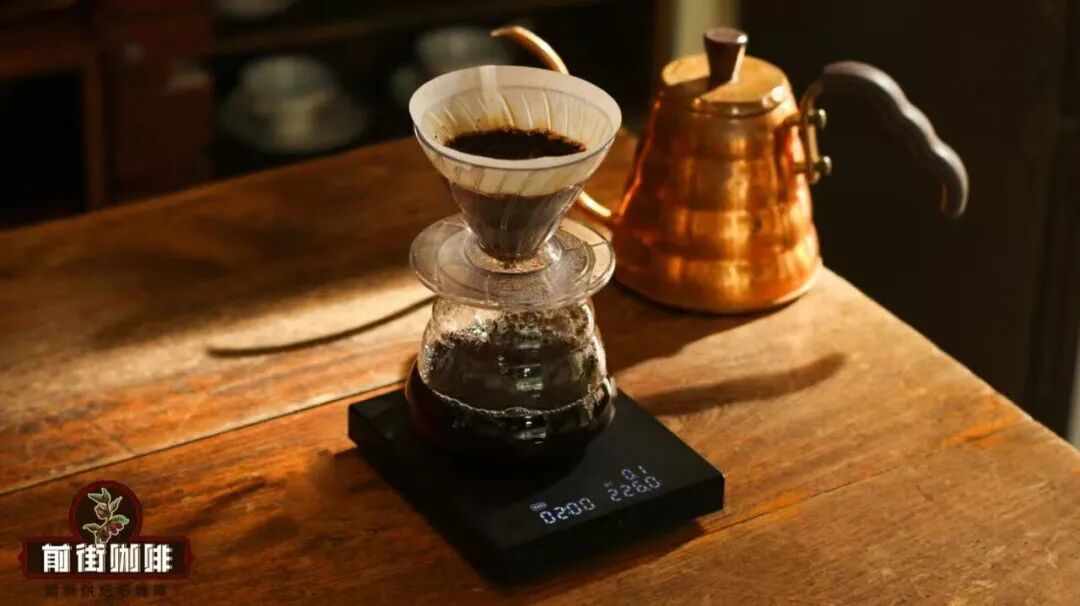
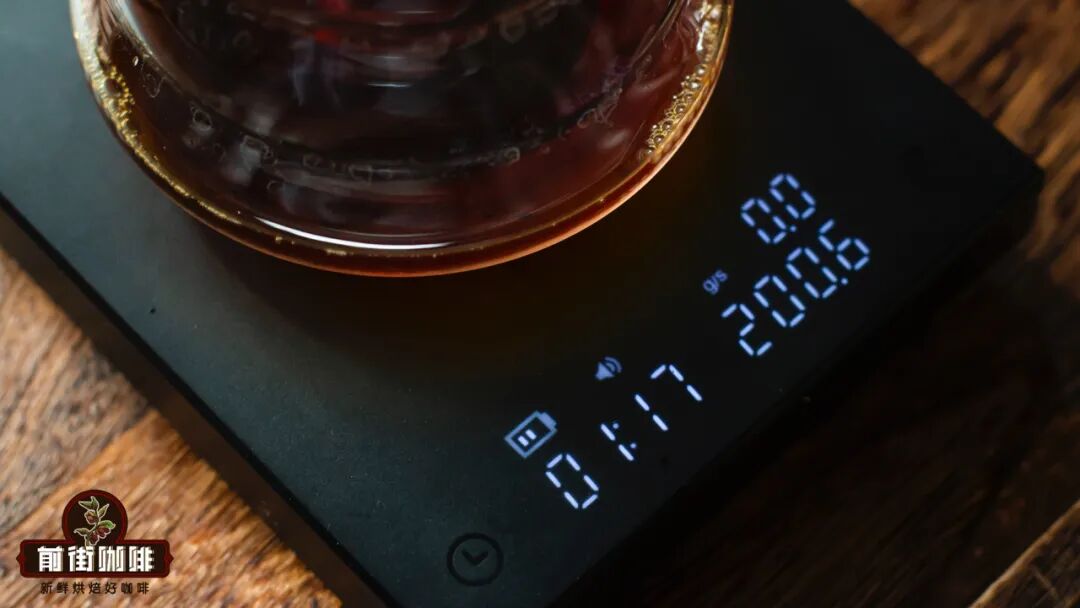
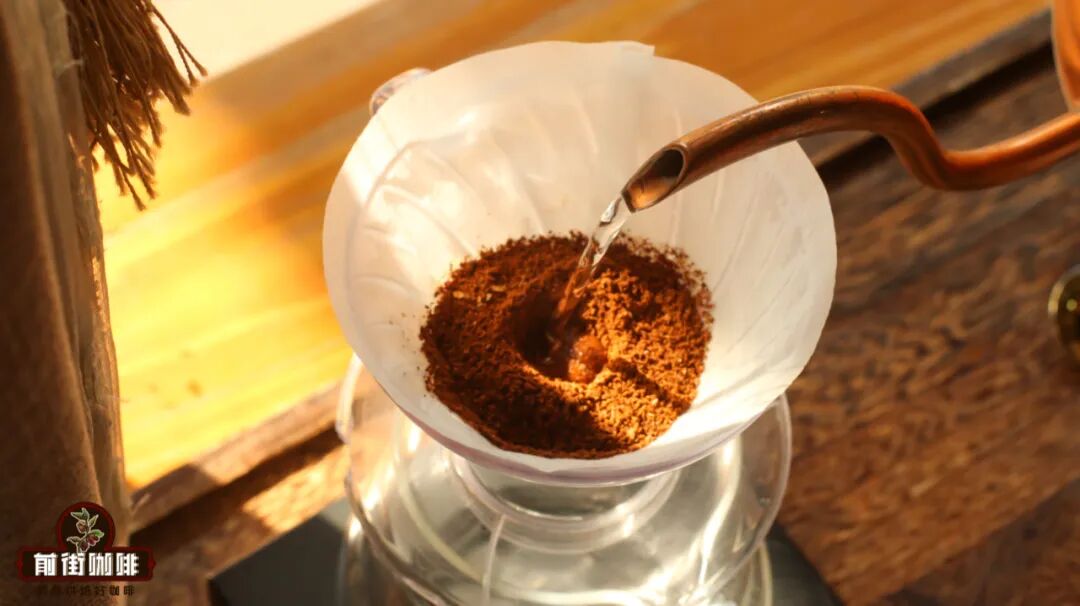
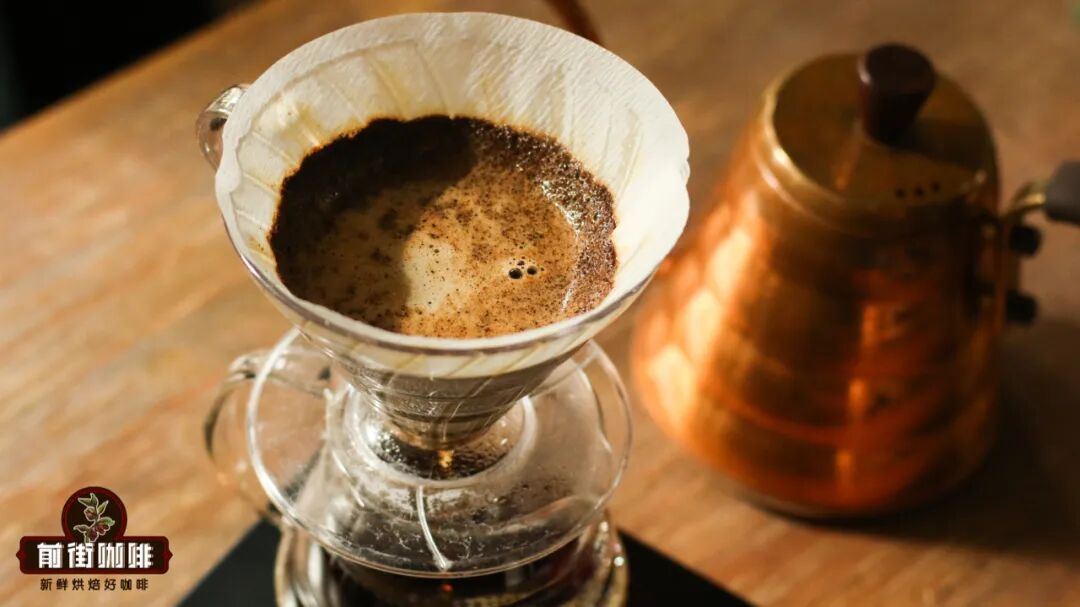
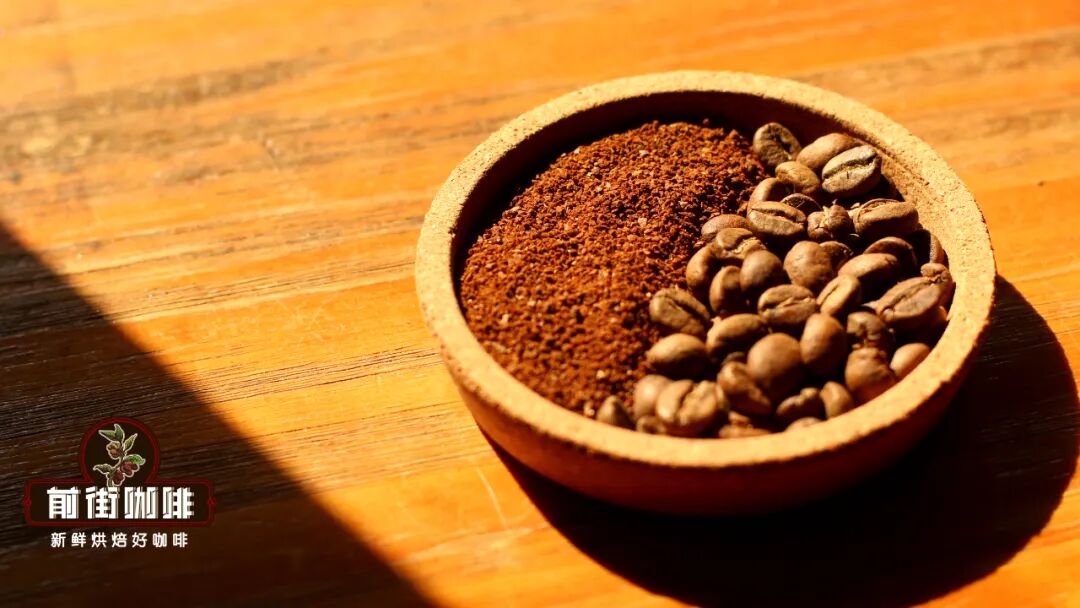
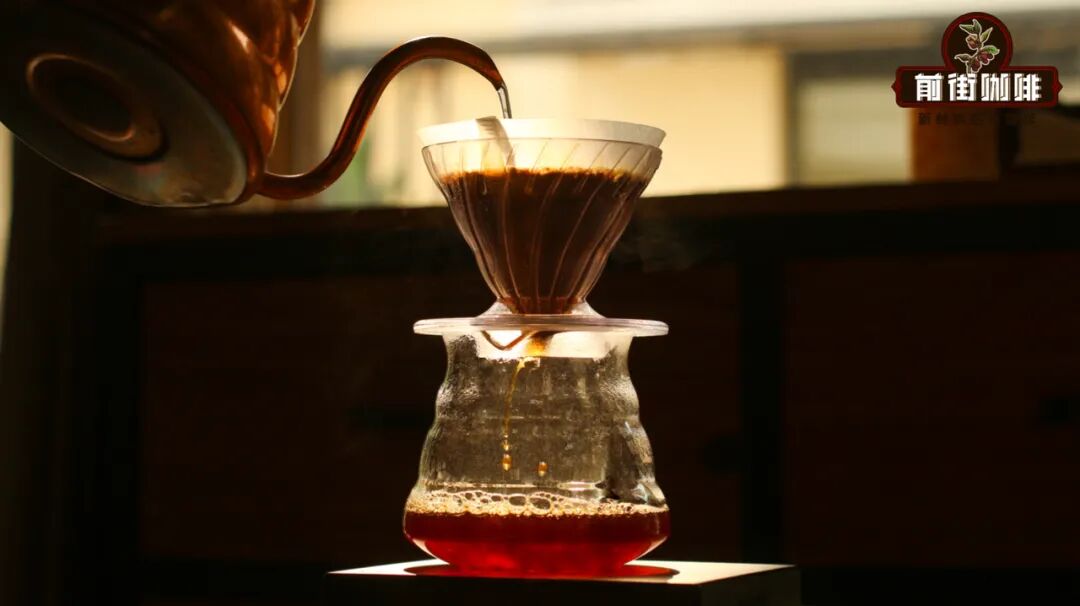
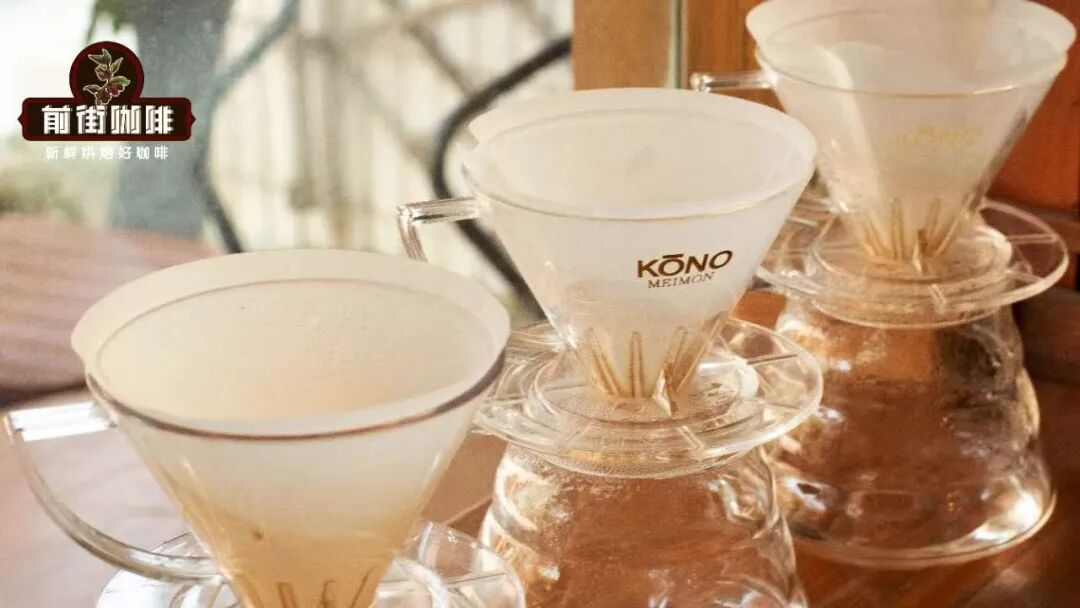
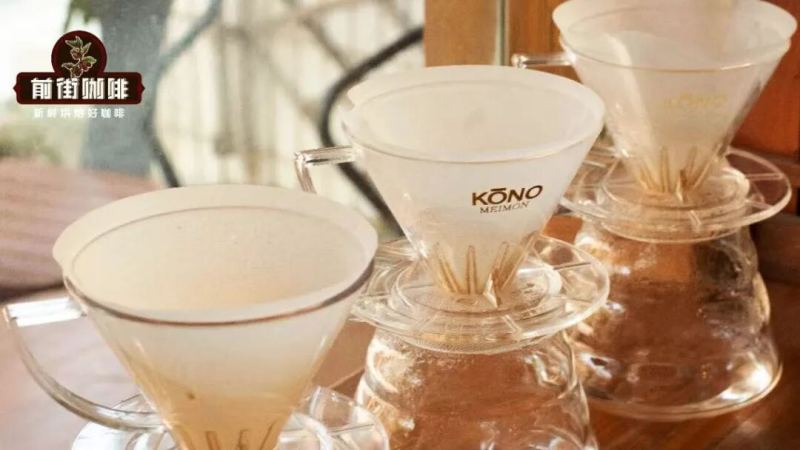
When brewing the vast majority of coffees, we always casually press the timer function that comes with the scale to start counting time—this is something the old masters have emphasized since day one.But this habit is incomprehensible to some friends, because they believe that recording time has no effect on coffee; even without timing, "blind brewing" can still produce a delicious cup.Undeniably! Even without timing, we can still brew a tasty pot of coffee, but that doesn't mean recording time is unimportant. When brewing experience is insufficient, having a time record allows us to brew delicious coffee more easily and more consistently. At the same time, after brewing we can review the recorded time to identify and correct the culprit behind brewing problems.So today Front Street Coffee will share with you why we need to record time during the coffee brewing process. And also how to use time to discover or improve problems that occur during brewing!Why do we need to time when brewing coffee?First, you need to know that the time we record during brewing mainly refers to the contact time between water and coffee grounds, i.e.,extraction time. It starts counting from the moment water contacts the coffee grounds and ends when the target water amount has completely passed through the coffee grounds.With other parameters unchanged, the longer the extraction time, the longer the contact time between water and coffee grounds, and the more flavor compounds are dissolved. Conversely, the shorter the contact time, the fewer flavor compounds are dissolved. In other words, by controlling extraction time, we can determine the amount of dissolved substances and influence the coffee's extraction yield.But... time is a passive parameter. Unlike actively controlling water temperature, grind size, water amount, and other parameters, we cannot directly control its length; it can only be influenced by adjusting other parameters or factors.But precisely because of this, time can also serve as an indicator of whether other parameters are correct. When we find that the coffee's extraction time is too fast or too slow, it means other parameters may be too "conservative" or too "extreme." At this point, we need to combine the coffee's taste to judge whether these parameters need adjustment.Alright! No-prize quiz: in pour-over coffee, what factors affect the extraction time during brewing?1. Coffee grounds' grind size and amount: For drip extraction, the coarseness and amount of coffee grounds are factors affecting extraction time. Because the coarser the coffee grounds, the larger the gaps between particles, and the same amount of water will flow through coarser grinds faster, resulting in a shorter extraction time;Conversely, the finer the coffee grounds, the smaller the gaps, and the relatively slower the flow rate, resulting in a longer extraction time. Especially in espresso extraction, we can very clearly see the difference between the two.(The same logic applies to the amount of grounds, so Front Street Coffee won't elaborate further.)At this point, time can serve as an indicator of whether the grind size is appropriate! What does that mean? For example, we can set a target extraction time for a coffee; say, when Front Street Coffee brews pour-over with 15g of coffee beans, the target time is 2 minutes.With other parameters and pouring technique unchanged, if the extraction time exceeds 2 minutes, it means the grind may be too fine; if it's under 2 minutes, it may be too coarse. But it doesn't matter if it's too coarse or too fine, because some coffee beans may need exactly that fine/coarse a grind for extraction, so we need to combine it with the actual brewed taste to judge whether the grind for this cup is appropriate. That's one major use of time!2. Coffee brewing technique: Brewing technique is also a factor affecting extraction time! In the article《Pouring Water in Pour-Over Coffee》, Front Street Coffee explained in detail that the flow rate and the number of pours directly affect the flow speed and extraction time. A slow flow and more pour segments can extend the coffee's extraction time, while a fast flow and fewer pour segments will reduce it.Once we are familiar with how flow rate and number of pours affect time, we can directly adjust the coffee's extraction during brewing based on time/flow speed, without needing to wait until afterward.For example, we use a commonly used formula to brew an unfamiliar coffee bean. But during brewing, we find that the flow speed is much faster than usual; if we continue at this pace, the coffee is very likely to be under-extracted!In such a case, we can switch to a slower flow and multi-segment pouring to promptly slow the flow speed and extend extraction time, helping the coffee avoid under-extraction.3. Coffee equipment: Besides human-controlled factors like grind, dose, and pouring method, the tools we choose also affect extraction time/flow speed.For example, with the same conical dripper, under unchanged extraction parameters,V60because it has many flow-guiding ribs and a larger bottom hole, brewing with it results in a faster flow speed and shorter extraction time; while Kono, with fewer guiding ribs and a smaller bottom hole, gives a slower flow speed and longer extraction time.There's also filter paper. In the article《The Differences Between Filter Papers》, Front Street Coffee shared that different filter papers have different flow speeds, influenced by factors such as thickness, material, and manufacturing process. The same applies in espresso: the size and density of the portafilter basket holes directly affect flow speed and extraction time. So, besides grind and technique, changing the filter device used for brewing is also a good way to adjust time!
The above content is compiled by CoffeeHunters, a coffee news website.