







Why are coffee beans roasted, and how does it change flow?
Pour-over flow rate reflects extraction quality: too fast risks under-extraction and a weak cup, too slow risks over-extraction and bitterness. Seven factors control it: dripper and filter paper, bean density and processing, roast level, grind size, pouring technique, and the water level in the dripper. Roast level is one of them.
Why are coffee beans roasted relates directly to flow, because roasting changes bean density and gas content. A lightly roasted bean is denser and holds more carbon dioxide, slowing drainage, while darker roasts are more porous and drain faster. A V60 with wide bottom openings runs quicker; wedge drippers, KONO, and Ice Eye designs run slower.
When brewing pour-over coffee, the drip rate of the coffee liquid often reflects the quality of the extraction. If the flow is too fast, it may lead to under-extraction and a weak flavor; if the flow is too slow, it is prone to over-extraction and bitter, off-flavors. So, what factors are actually controlling the flow rate of the coffee? Front Street Coffee will break down the key links affecting the flow rate one by one from seven aspects: the combination of dripper and filter paper, the density and processing method of the coffee beans, the roast level, the grind size, the pouring technique, and the water level in the dripper. Understanding the relationships among these variables will help you quickly identify the root cause the next time you encounter an abnormal flow rate and make targeted adjustments, bringing every cup of coffee closer to the ideal flavor.
When brewing coffee, have you ever stared at the coffee liquid slowly dripping down, feeling anxious but not knowing where to start? Your first reaction might be that the grind is too fine, but after coarsening it, the flow rate is still not ideal... Does that mean this cup of coffee is hopeless? Don’t panic. Today, Front Street Coffee will sort out exactly what factors are controlling the flow rate of a pour-over.
| Dripper & Filter Paper
There is no doubt that the dripper is the number one factor determining the flow rate. Drippers of different shapes perform differently in flow rate, and the final coffee flavor will also vary as a result.
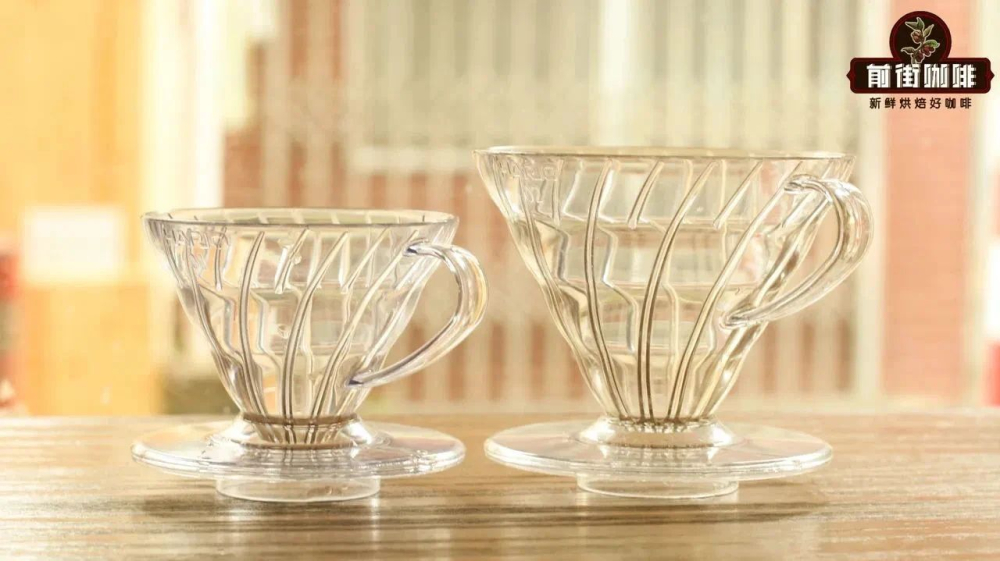
The reason a dripper can affect the flow rate lies mainly in the size of the bottom hole and the arrangement of the ribs on the body. For example, the bottom drip opening of a wedge-shaped or cake-style dripper is relatively small, so water meets greater resistance when passing through and naturally slows down; while conical drippers such as V60 have a wider bottom opening, so the flow rate is noticeably faster.
Even among conical drippers, differences in rib layout can lead to different performance. Take the KONO dripper as an example: its opening is relatively small and its ribs are short, leaving little space for air exhaust inside the dripper, making the overall process closer to immersion extraction; the same is true for the Ice Eye dripper, whose ribs are arranged vertically in steps, but the top is closed. During brewing, if the water flow is too strong and the water level rises above the guide grooves, the exhaust channel becomes blocked and the water level will drop slowly.
Do not underestimate the thin filter paper that holds back the grounds. When it comes to filter paper, most people only care about whether it is bleached, but that is not the only difference between filter papers. The quality of the filter paper affects both the cleanliness of the equipment and directly influences the filtration speed. The thickness of the paper is an important variable controlling how quickly the coffee liquid passes through.
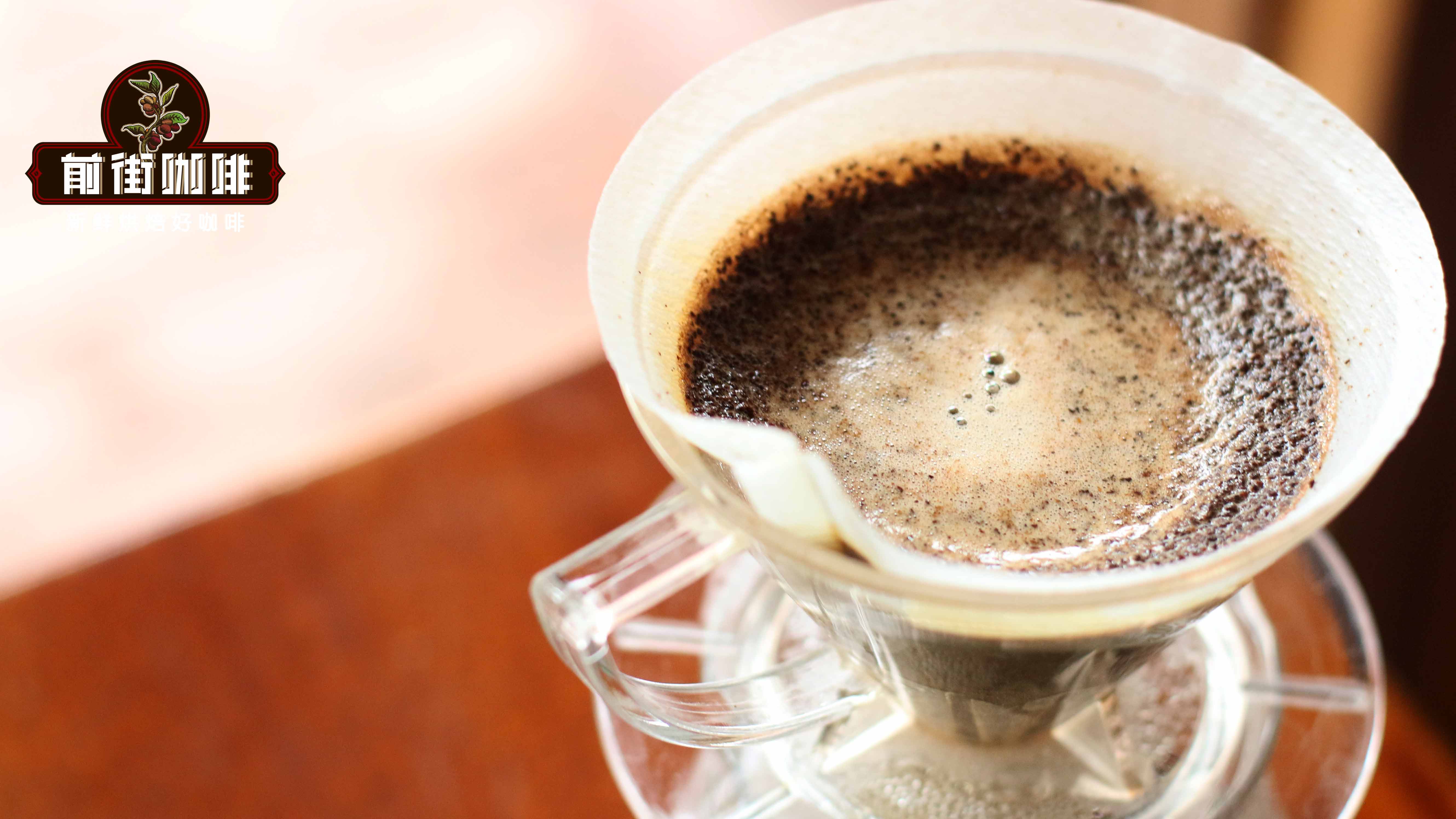
The degree of fit between the filter paper and the dripper also changes the flow rate. If the filter paper clings tightly to the bottom hole, the water flow is obstructed, the extraction time is prolonged, and the coffee easily becomes bitter. Therefore, Front Street Coffee recommends choosing a combination with a moderate fit rather than a completely snug fit.
| Coffee Beans
This point is often overlooked, but the bean quality of the coffee beans themselves can indeed affect the flow rate.
Based on long-term brewing experience, fermented beans often show unique flow rate behavior. Comparing washed Front Street Coffee. Fruit Ding Ding and sun-dried Front Street Coffee. Flower Queen with anaerobically fermented Front Street Coffee. Colombia Pink Bourbon, even if the altitude and roast level are similar, Front Street Coffee. Pink Bourbon flows noticeably faster during brewing. If the parameters are not adjusted, too short contact time between water and grounds will lead to under-extraction. To address this, you can grind finer, add more pours, or reduce the water flow to extend the overall extraction time.
| Roast Level
Lightly roasted beans have a denser texture and mostly come from high-altitude producing regions, making them harder. Light-roast beans degas less, and after degassing during brewing, the coffee bed tends to sink and press down on the filter holes, so the flow rate slows down.
Darkly roasted beans are the opposite: loose in texture, highly absorbent, and vigorous in degassing. The coffee bed easily expands and bubbles when it meets water, and the coffee grounds float on the surface, so water passes through naturally faster. Under the same parameters, when brewing medium-dark roasted beans such as Front Street Coffee PWN Golden Mandheling, Front Street Coffee. Queen’s Estate, and Front Street Coffee. Colombia Huila, the flow rate will be faster than with lightly roasted Front Street Coffee. Yirgacheffe and Front Street Coffee. Panama Geisha, so the water flow needs to be adjusted appropriately.
| Grind Size
Front Street Coffee believes everyone should have an intuitive sense of how grind size affects flow rate.
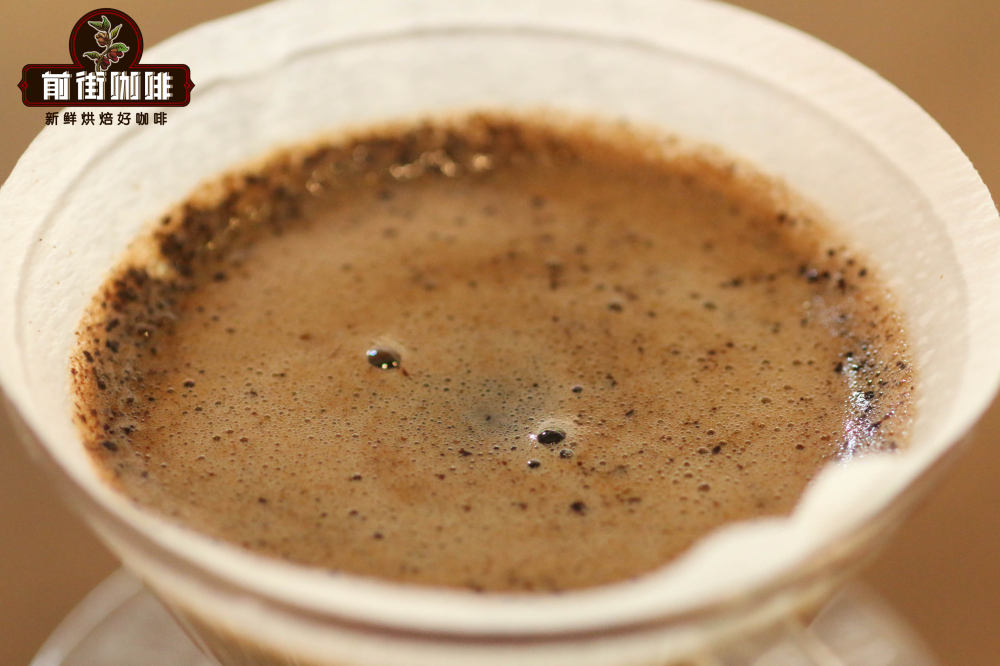
The finer the grind, the more easily the coffee grounds accumulate on the filter paper, increasing extraction resistance, slowing the flow rate, prolonging the time, and raising the extraction yield, making the coffee taste stronger; the coarser the grind, the larger the gaps in the coffee bed, the less coffee grounds the hot water contacts, the lower the resistance, the faster the drip rate, the lower the extraction yield, and the lighter the flavor.
When the grinder is of poor quality, it tends to produce a large amount of fines. These fines accumulate at the bottom and clog the filter paper, making it difficult for water to pass downward. Too many substances are extracted from the coffee grounds, resulting in obvious burnt bitterness, off-flavors, and astringency, ultimately producing a cup of over-extracted coffee.
| Water Flow
The size of the water flow and the pouring speed during brewing also affect the flow rate of the coffee.
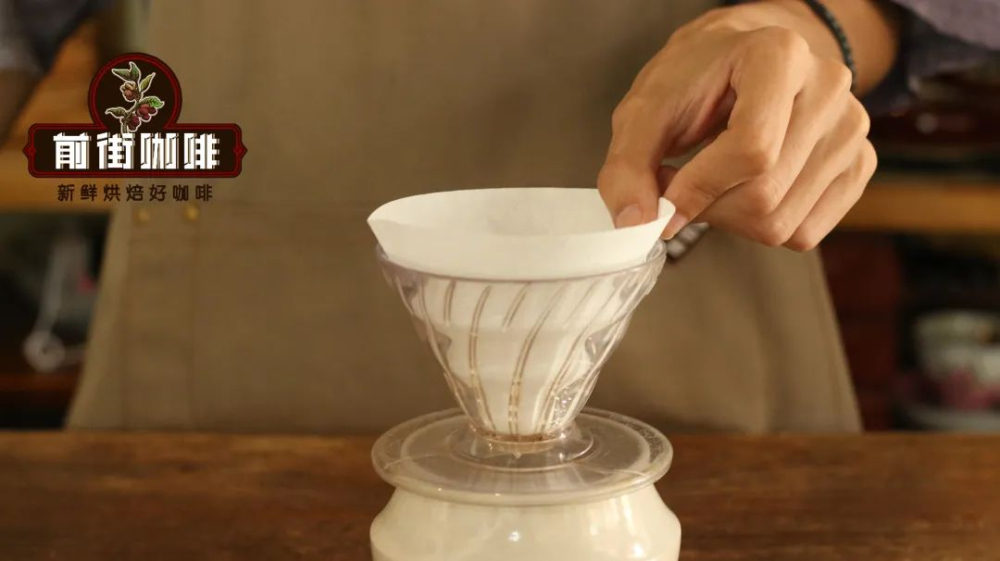
Making pour-over coffee requires a water stream with penetrating force, roughly thicker at the top and thinner at the bottom, meaning the spout outlet is wider and the tail end tapers to a sharp point. If the water is poured too gently, the stream lacks penetrating force, and the water repeatedly stays in the same layer, accelerating over-extraction on the surface of the particles in that layer, so the coffee liquid becomes full of bitterness.
A water stream with good penetrating force can avoid repeatedly soaking the same area. After the water enters the coffee bed, it quickly spreads from the inside outward, greatly reducing the probability of repeated soaking and improving the uniformity with which the coffee grounds absorb water.
| Water Level
The water level in the dripper also affects the flow rate, especially in a V60 dripper. Because the ribs cover the entire dripper, when too much water is poured and the water level is too high, water will flow directly out from the edge of the dripper.
When making pour-over coffee, there are still many factors that can slow the flow rate. The next time you encounter a similar problem, you might as well check them one by one from the aspects above to see what exactly is causing it.
The above content is compiled by CoffeeHunters, a coffee news website.


