







Which Hidden Factors Make Coffee Extraction Unstable?
With the same beans and machine, espresso flow can shift within hours or even minutes. Beyond the properties of coffee beans, several overlooked factors drive the change: leftover grounds in the grinder chute, hot water temperature swings, pump pressure condition, and shifts in room temperature, humidity, and air pressure.
Residual grounds in the chute are a common cause. Grounds left after each grind, roughly 1 to 4 grams, lose their structure, gain surface area, and release gas quickly, which disturbs the next shot. Checking temperature stability, pump pressure, and hopper pressure helps limit useless adjustments and keeps output more consistent.
Many coffee enthusiasts will notice that with the same beans and the same machine, the flow rate of espresso changes every few hours or even every few dozen minutes, sometimes fast and sometimes slow. Besides the aging characteristics of the coffee beans themselves, there are actually quite a few easily overlooked hidden factors influencing the extraction results, including residual grounds in the grinder's chute, temperature fluctuations in the espresso machine's hot water, the state of the pump pressure, changes in ambient temperature, humidity and air pressure, and whether the hopper pressure of the grinder is stable in a cafe setting. Front Street will analyze the mechanisms by which these factors affect espresso extraction one by one, and provide corresponding improvement solutions to help everyone reduce useless adjustments and make the output more consistent.
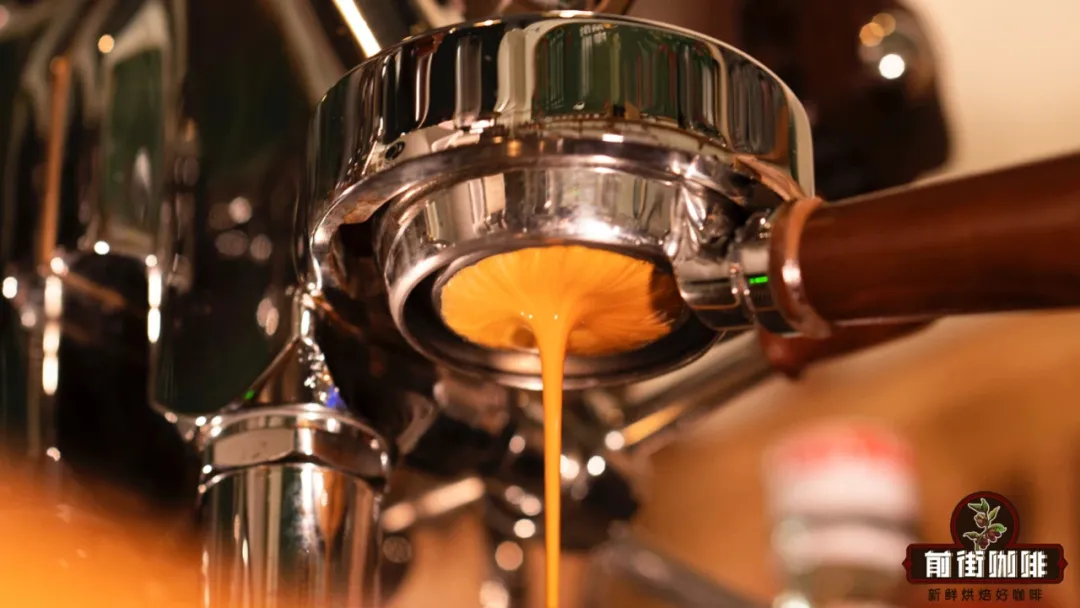
Besides the influence brought by the coffee beans' own properties, there are also many hard-to-detect hidden variables that can likewise interfere with the coffee's extraction effect. Therefore, it is not only over a long span like an entire night that we can observe changes in the espresso's flow state or flow rate; sometimes after just a few hours or even a few dozen minutes, we can find that the espresso's output performance has changed, with the flow rate possibly being too fast or too slow. It's just that the impact of these factors on the final flavor is usually not that significant.
However, it is still very necessary to understand them, because only by figuring out the cause can we make adjustments more effectively and avoid doing useless work. Next, Front Street will talk about what other hidden factors can influence espresso extraction, and what the corresponding improvement methods are.
I. Residual grounds in the grinder
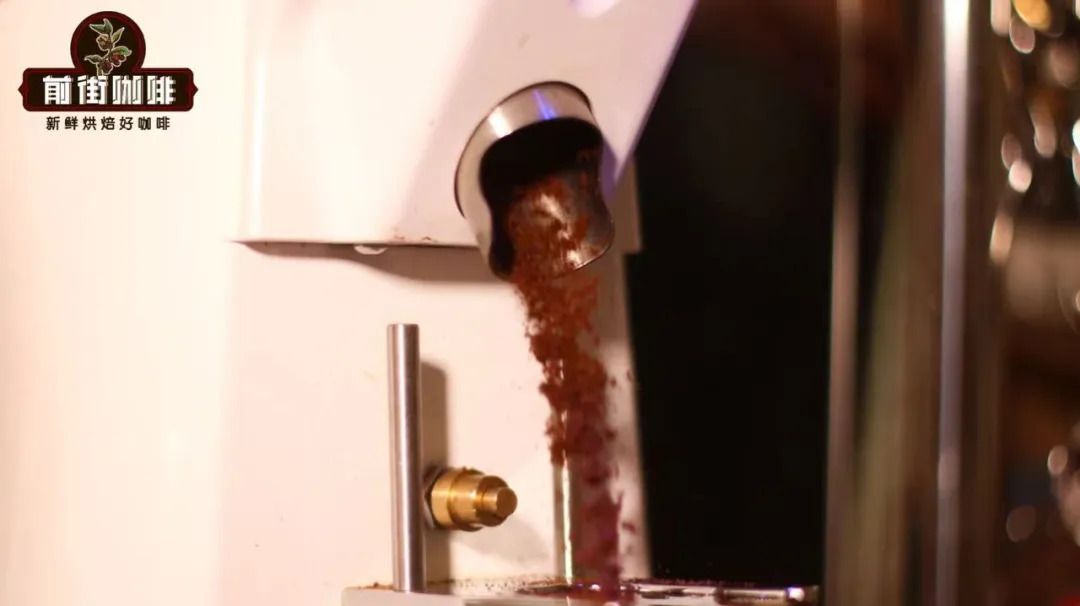
Whether it is a timed or a quantitative grinder, after each grinding session, some coffee grounds will always remain in the internal chute due to static electricity or the machine's structure. Front Street once specifically measured this, and the amount of residual grounds is roughly between 1 and 4 grams.

Once coffee beans are ground into powder, their originally intact structure is destroyed, the total surface area increases greatly, and the rate of gas volatilization rises exponentially. If we do not continue grinding within a short time and do not use this portion of grounds, then as time passes, the carbon dioxide and aromatic substances contained in the coffee grounds remaining in the chute will gradually dissipate completely.
If these grounds are used after the gas has completely volatilized, it will not only reduce the aromatic substances extracted overall, but also change the extraction flow rate due to the lack of carbon dioxide, causing the final extraction result to deviate.
Therefore, when the interval between two grinding sessions is long, it is best to first clean out the "old grounds" remaining in the chute, and then use the "new grounds" ground afterward to make coffee. Only in this way can we avoid residual grounds interfering with extraction and flavor performance.
II. The espresso machine's water temperature
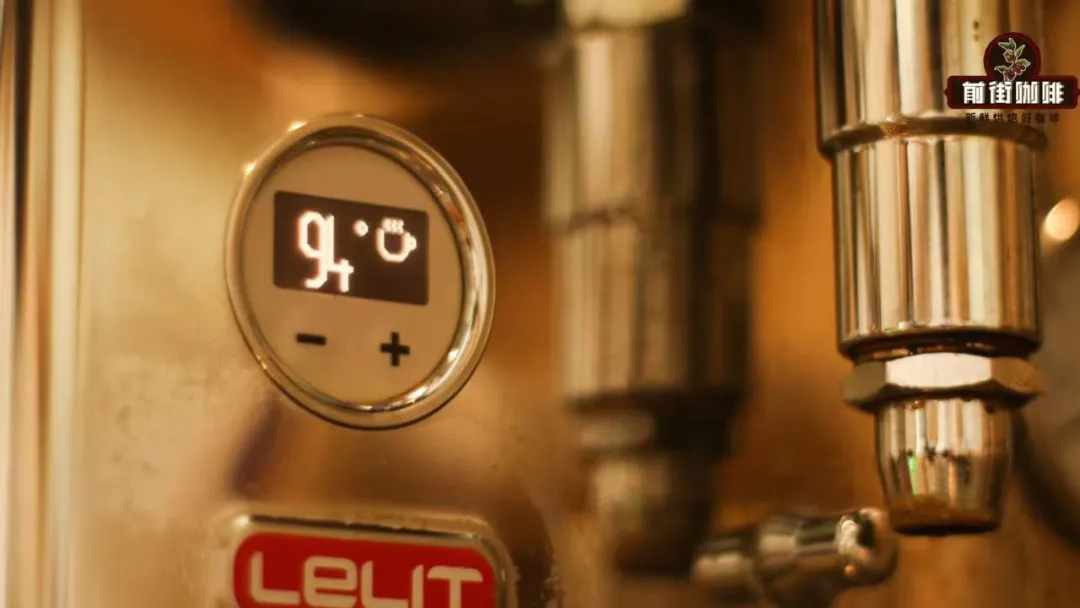
Similar to the grinder, when the espresso machine has not performed extraction for a long time, some small conditions that affect extraction may also arise, such as the temperature of the hot water.
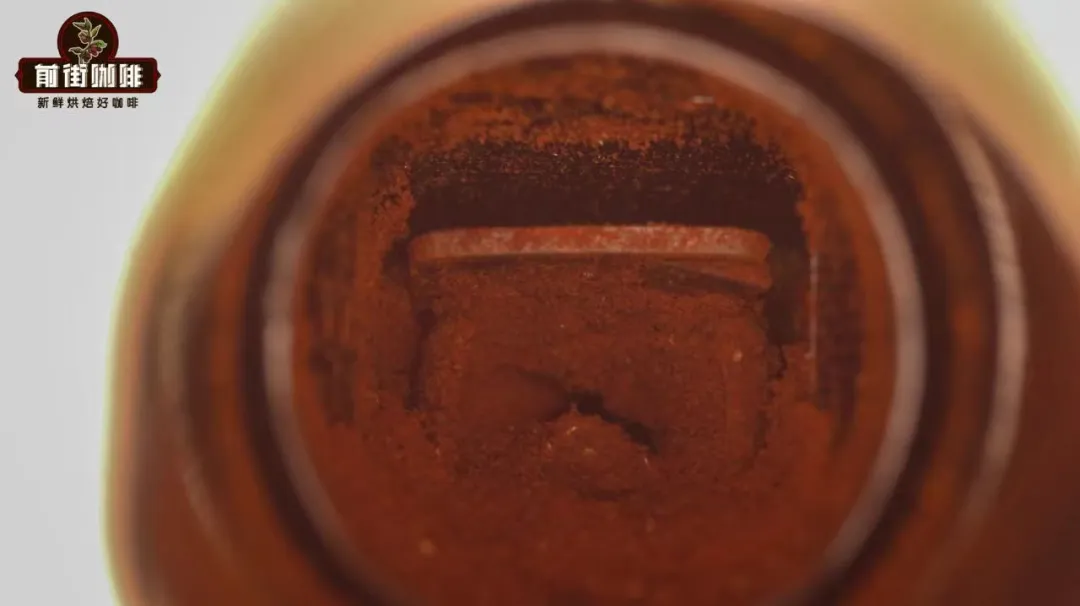
Front Street mentioned in a previous article that the level of hot water temperature directly affects the efficiency of coffee extraction. The efficiency here includes both the dissolution rate of flavor substances and the release rate of carbon dioxide. The higher the water temperature, the more carbon dioxide is released in the same amount of time; the lower the water temperature, the less is released. And the amount of carbon dioxide in turn affects the speed at which the espresso machine builds pressure, so the amount of carbon dioxide released also acts on the extraction result of espresso.
When the interval between extractions is too long, the temperature of the hot water in the pipes will change, thereby affecting coffee extraction. So Front Street strongly recommends that before each espresso extraction, everyone first flush hot water once. This not only makes extraction more stable, but also conveniently rinses away coffee residue attached to the brew head.
III. The espresso machine's pressure
Besides water temperature, the espresso machine's pressure can also deviate because the extraction interval is too long. Pressure is one of the key parameters of espresso extraction, and its fluctuation can likewise change the coffee's output state.
When we have not extracted espresso for more than 30 minutes, we can clearly feel that the first cup's flow rate differs greatly from before. Even if "new grounds" are used and hot water has been released in advance, the flow rate will still change noticeably. This is actually caused by the water pump having just "woken up" and still being in an unstable state.
Generally speaking, the second espresso extraction will return to normal, but many friends often use the first cup's extraction time and taste as the baseline for adjustments. As a result, after adjusting several versions, they discover that the coffee extracted with the original set of parameters still tastes the best (Design: I know this trick all too well) .
When encountering this situation, we can first use a blind basket to "wake up" the espresso machine's pump in advance, and then perform espresso extraction. This can reduce the error brought by the first cup and let us more accurately judge whether the taste and parameters need adjustment.
IV. Changes in the environment
In Front Street's posts there is a topic with an extremely high duplication rate, namely: why espresso is always hard to dial in on rainy days. The article wrote that the extraction stability of espresso is affected by environmental factors, including ambient temperature, humidity, air pressure, and so on. Because there is a detailed introduction in the blue link, Front Street will briefly summarize it here.
Let's take ambient humidity as an example first. When ambient humidity is high, the ground coffee powder will have stronger "stickiness" and more easily clump together. If the clumped coffee grounds are directly tamped into the portafilter without being broken up, the puck will be more prone to "channeling" because of the clumps, greatly increasing the probability of uneven extraction.
Now let's talk about air pressure. On rainy days, atmospheric pressure is usually low, while the espresso machine needs to rely on pressure to assist extraction when extracting espresso. This pressure is generated by the pump and is a pressure difference relative to atmospheric pressure. But on rainy days atmospheric pressure is lower, and the decrease in external pressure causes the actual extraction pressure generated by the pump to drop. This makes it harder for us to stably extract delicious espresso.
There are many similar effects, and they do not necessarily appear only in high-humidity environments or on rainy days. Because the effects brought by environmental changes are difficult to control manually, we can only correct them in time when extraction problems occur (or treat the symptoms according to the method in the link) . Generally speaking, Front Street recommends calibrating the taste of espresso once every four hours, so as to ensure consistently stable output.
V. The grinder's hopper pressure
For cafe output, maintaining the grinder's hopper pressure is a very important matter. Friends who often read Front Street articles should know that hopper pressure has a significant impact on extraction. The so-called hopper pressure refers to the downward pressure formed by the accumulation of coffee beans in the hopper.
When coffee beans are ground, the presence of a certain hopper pressure improves grinding quality and makes the ground particles more uniform. If the coffee beans are not pressed down by weight during grinding, they can easily bounce up because of being squeezed, which greatly reduces grinding uniformity and causes quality to decline accordingly.
If a cafe wants to maintain stable output, it is best to keep the capacity in the hopper above half. Alternatively, other heavy objects (such as books) can be used, placed on top of the coffee beans after sealing them in dust-proof packaging.
- END -
The above content is compiled by CoffeeHunters, a coffee news website.


