







Search Results for: wet processing
Coffee Processing Methods | What Is Wet Hulling? How Does It Differ from Traditional Washed Processing? How Does Wet Hulling Affect Coffee Flavor?
After guests come to Front Street and order a cup of Golden Mandheling coffee, they will ask out of curiosity. Why do most Indonesian coffee beans use the wet-hulled process rather than the washed process or the natural process? In this article, Front Street will explain what the wet-hulled process is. What is the wet-hulled process? Wet-hulling, also [more…]
What Is Indonesia's Wet-Hulling Process? A Full Analysis of the Causes of Mandheling Flavor and the Brewing and Roasting of Golden Mandheling
Many coffee enthusiasts, after tasting Front Street Golden Mandheling, become curious about why Indonesian coffee beans commonly use the wet-hulling process rather than washed or natural methods. Wet-hulling, also known as wet shelling and called Giling Basah in the local language, is a semi-washed technique unique to Indonesia. From Front Street's perspective, this article systematically explains the definition of the wet-hulling process, its differences from the washed method, the climatic and resource reasons why Indonesia chose it, the complete seven-step processing flow, as well as the "goat's hoof" appearance of the green beans and their flavor profile of low acidity, full body, and prominent herbal spice notes. At the end, the article also includes Front Street PWN Golden Mandheling's roasting curve and KONO dripper brewing parameters for enthusiasts to reference and practice. [more…]
How much does Indonesian Golden Mandheling coffee cost? A detailed explanation of its flavor and mouthfeel, the story of wet-hulling processing, and the correct brewing method
Mandheling is the representative of Indonesian coffee, and Golden Mandheling is the finest among them. After tasting Front Street Coffee's PWN Golden Mandheling, many coffee lovers become curious: how much does this coffee bean cost? Why does it have a unique herbal and full-bodied flavor? How exactly is Indonesia's unique wet-hulling process carried out? This article will systematically organize the knowledge related to Golden Mandheling, from producing region information, the origin and steps of the wet-hulling process, to the appearance characteristics of green beans and flavor performance, and share the correct brewing approach to help readers understand this classic coffee more comprehensively. [more…]
An In-Depth Look at Indonesia's Wet-Hulling Method: From Process Principles to Peaberry Beans, Unlocking the Semi-Washed Secret Behind Mandheling Flavor
The rich, deep, low-toned flavor of Mandheling comes not only from the genetic contribution of Robusta beans, but also from a unique post-harvest processing technique local to Indonesia—wet hulling. How exactly does this process, jokingly called "semi-washed," remove the parchment layer early, before the green coffee beans are fully dried? Why did Indonesian producing regions invent this processing method to suit local conditions? What details are hidden in each step of the entire process, from flotation, fermentation, drying, hulling, to final drying? Are the "sheep's hoof beans" produced by wet hulling truly the creators of Mandheling's flavor? In this article, Front Street will guide you through the operational logic of wet hulling, clarify common misunderstandings, and restore the true face of this processing method. [more…]
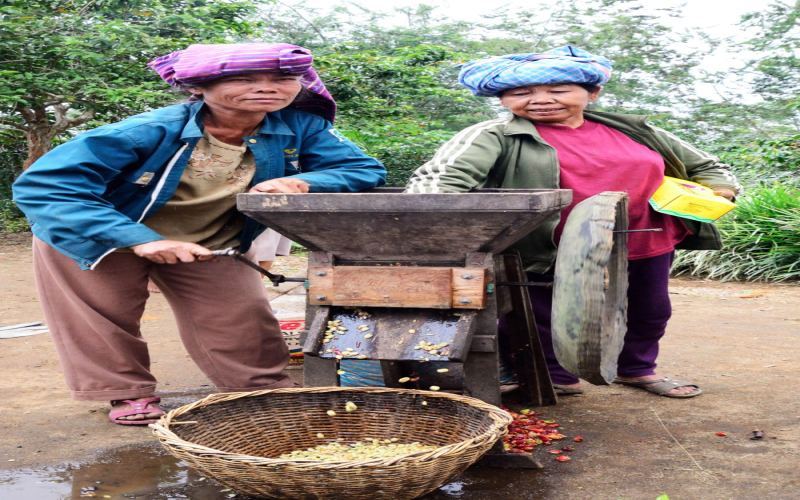
A Complete Guide to Indonesia's Wet-Hulling Method: The Unique Flavor of Golden Mandheling and the Full Processing Steps
Wet Hulling is a green coffee processing method unique to the Indonesian region, known locally as Giling Basah and often classified as a semi-washed method. Its biggest difference from the washed method is this: the washed method keeps the parchment for sun-drying, whereas wet hulling removes the parchment by machine after partial drying, then completes the final drying. This processing method gives Mandheling a low-acid, thick, herb-and-spice-forward flavor, and also creates the green beans' distinctive "sheep's hoof" appearance. Front Street Coffee will use PWN Golden Mandheling as an example to break down the seven steps of wet hulling in detail, along with practical roasting and brewing records, to help you fully understand the ins and outs of this Indonesian classic coffee. [more…]
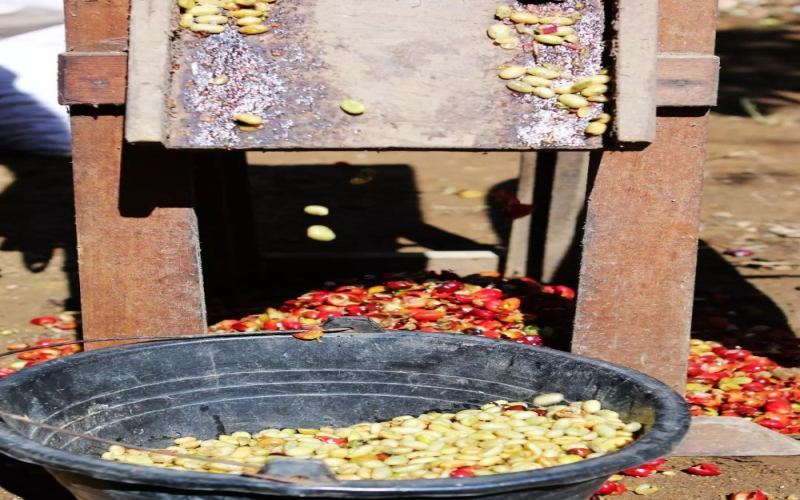
A Complete Guide to Indonesia Mandheling Wet-Hulled Processing: From the Origin of the Method to the Causes of Peaberry Beans and Three Classic Front Street Coffee Bean Recommendations
The reason Indonesian Mandheling stands out in the global coffee market is inseparable from its unique wet-hulling process. This technique gives the beans their distinctive earthy and spicy aroma, and also creates their signature horseshoe-like appearance. From the perspective of Front Street, this article systematically reviews the historical origins and operational steps of the wet-hulling process, explains the reasons behind the挤压 cracks and chips in the beans, and clarifies the differences between secondary and tertiary hand sorting at Indonesian processing plants. Finally, the article introduces three Mandheling beans from FrontStreet Coffee that use the wet-hulling method—Golden Mandheling, Tiger Mandheling, and Lintong Mandheling—listing their regions, altitudes, varieties, and flavors one by one for coffee lovers to reference when purchasing. [more…]
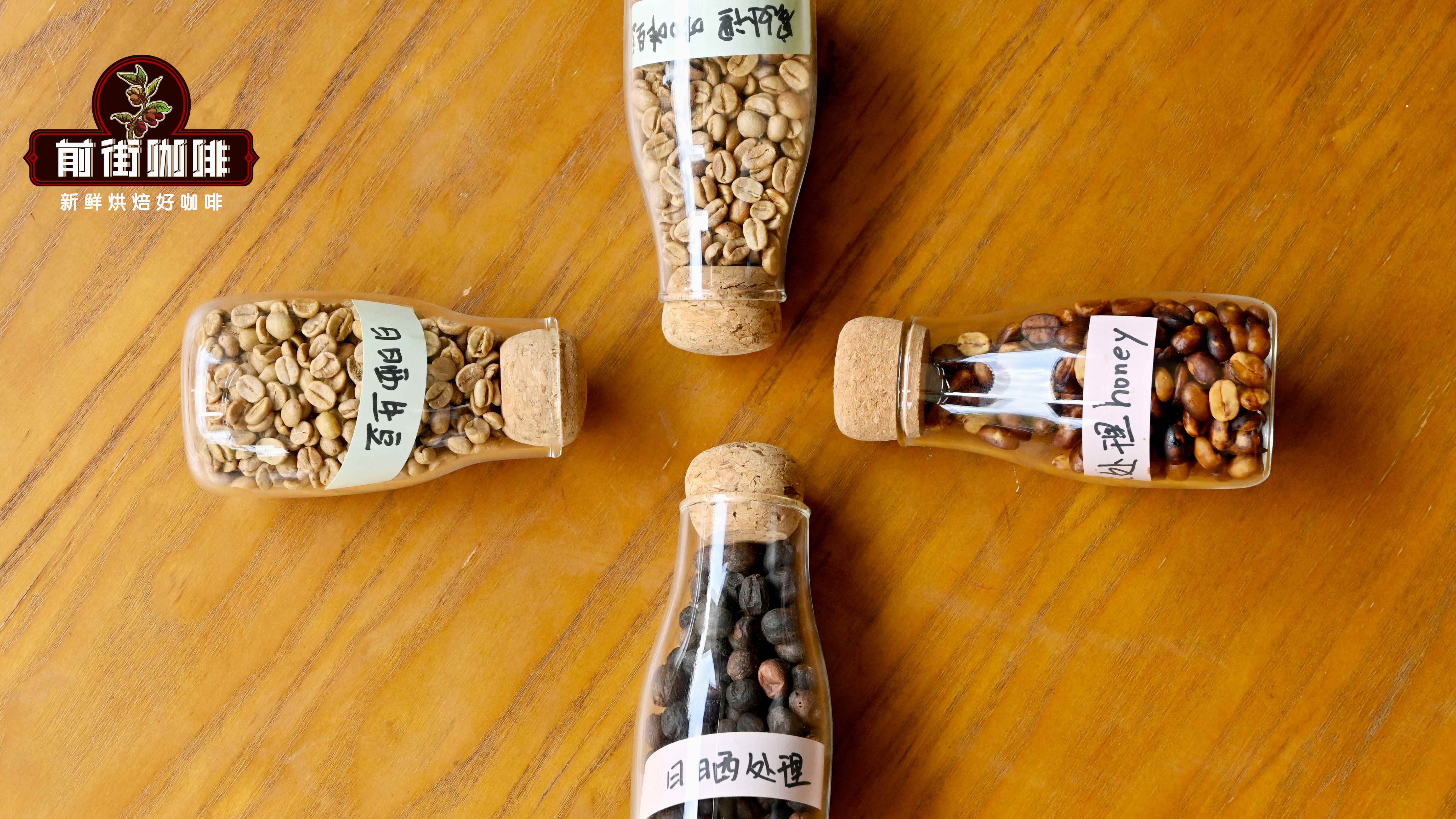
Analysis of the Wet-Hulled Process for Indonesian Mandheling: From Processing Flow to Signature Flavor and Sheep's Hoof Bean Characteristics
The coffee processing method determines the final flavor direction of green beans, and Indonesia's Sumatra island, due to its unique climatic conditions, developed the wet-hulling method that is completely different from natural and washed processing. In this article, Front Street Coffee systematically sorts out the complete process of wet-hulling, from depulping and pulping, short soaking, staged drying, to wet-hulling and hulling, breaking down the impact of each stage on flavor one by one. The article will also explain the cause of the iconic "goat hoof" appearance of wet-hulled Mandheling green beans, and share the brewing parameters and actual taste performance of Front Street Golden Mandheling, helping coffee lovers fully understand the uniqueness of this classic Indonesian coffee. [more…]
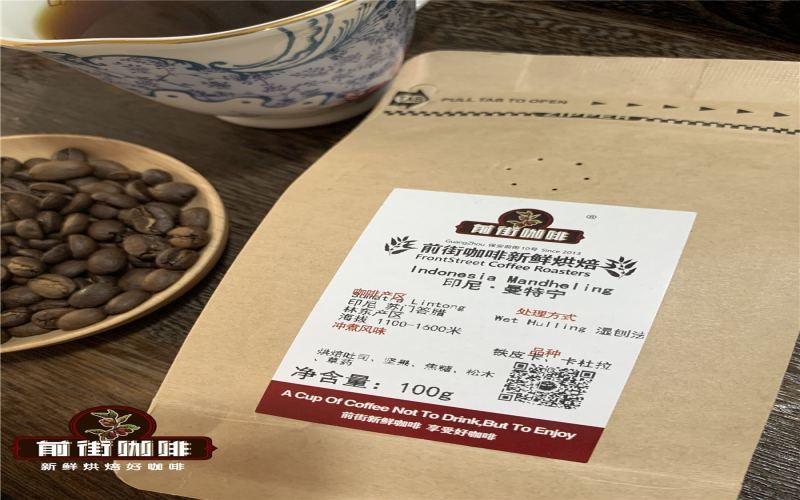
Analysis of Mandheling Wet-Hulled Flavor: Processing Flow, Differences from Wet-Processing, and Indonesian Coffee Grading
Mandheling coffee is well known for its herbal aroma, full body, and smoky notes, and the root of this distinctive flavor lies in the wet-hulling method used locally in Indonesia. What exactly makes wet-hulling so special? How does it differ from the conventional washed process? Why did Indonesia develop this processing method? This article will walk through the complete wet-hulling process, analyze the causes of Mandheling's signature flavor, and explain the grading system for Indonesian green coffee beans. At the same time, it retains information on two Mandheling products regularly sold by Front Street Coffee, including a daily-drinker bean from the Lintong region and PWN Golden Mandheling from the Aceh region, for coffee lovers' reference. [more…]
A Complete Guide to Indonesia's Wet-Hulled Process: From Mandheling Flavor Profiles to Roasting and Brewing in Practice
Wet Hulling is a green coffee processing method unique to Indonesian origins. In the local language it is called Giling Basah, and it is often regarded as a semi-washed method. It arose from Indonesia's humid, rainy environment, where sun-drying was difficult to sustain—coffee beans have their parchment removed early while still semi-dry, which not only creates the iconic "goat hoof" bean appearance but also gives rise to the distinctive flavor of Mandheling: low acidity, thick body, and a deep, muted aroma. In this article, Front Street Coffee will sort out the core differences between wet hulling and the washed method, break down the complete steps of depulping, soaking, two-stage drying, and wet-hull demucilaging, and, using PWN Golden Mandheling as an example, share a roasting curve and KONO dripper brewing parameters to give you a comprehensive understanding of the unique charm of Indonesian coffee. [more…]
Why Is Indonesian Coffee Processed Using the Wet-Hulling Method? Analyzing the Origins of Mandheling's Unique Flavor and Key Brewing Points
Indonesian Mandheling stands out in the coffee world with its steady, full-bodied flavor, and the key to this regional characteristic lies not only in its Robusta genetic foundation but also in the local specialty wet-hulling process. Why do Indonesian coffee farmers choose this method, jokingly called "semi-washed"? How exactly is wet-hulling performed, and what flavor imprint does it leave on the coffee beans? From the perspective of Front Street Coffee, this article provides a complete overview of the definition, origins, processing flow, and impact of wet-hulling on Mandheling flavor, along with Front Street's recommended brewing parameters for medium-dark roasted Mandheling, helping coffee enthusiasts gain a more comprehensive understanding of this classic Indonesian coffee. [more…]
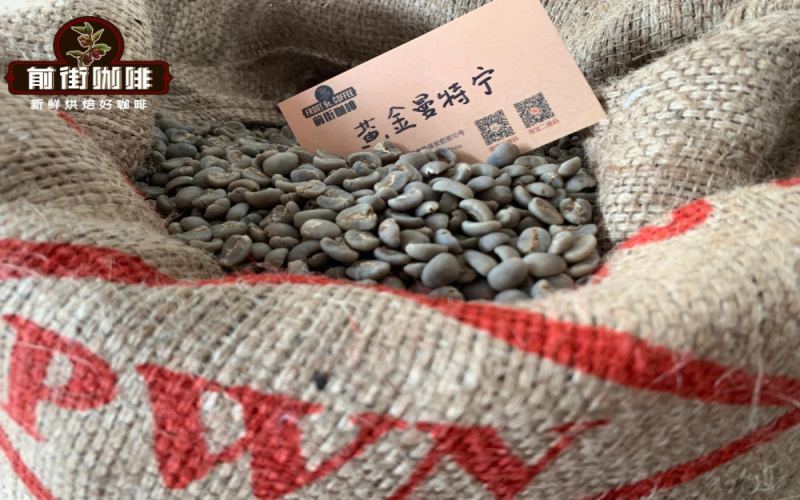
Indonesian Mandheling Pour-Over Guide: Flavor Characteristics of Wet-Hulled Processing and Brewing Parameter Analysis
Mandheling sits at the lowest end of the acidity spectrum in specialty coffee, and this distinctive mouthfeel is largely owed to Indonesia's unique wet-hulling process. Starting from Front Street's Mandheling pour-over method, this article systematically walks through the seven steps of wet hulling and their impact on flavor, and provides a detailed introduction to the growing region information, brewing parameters, and specific techniques for Front Street Indonesia·Golden Mandheling coffee beans. Whether you are a beginner just getting into pour-over or a coffee enthusiast eager to understand the intricacies of wet hulling, you will find practical references and inspiration here. [more…]
An Analysis of the Wet-Hulling Process of Indonesian Golden Mandheling: From Semi-Washed Processing to the Signature Goat-Hoof Bean Feature
The coffee processing method determines the flavor direction of green beans. Among the three major categories of natural, washed, and semi-washed, the Indonesian island of Sumatra, due to its year-round humid climate, developed a unique wet-hulling method—removing the parchment layer while the bean's moisture content is still as high as 30% to 35%, leaving the green beans exposed to continue drying. This locally adapted craft shortens the fermentation period and reduces acidity, yet enhances body, and gives Mandheling its "taste of place" woven with herbal, woody, and caramel notes. Front Street Golden Mandheling is precisely made using this method, undergoing three hand-sortings and one machine-sorting, resulting in an extremely low defect rate and a clean, pure taste. This article will detail the seven steps of the wet-hulling method and explain why the distinctive "sheep-hoof" appearance of wet-hulled beans should not be considered a defect. [more…]
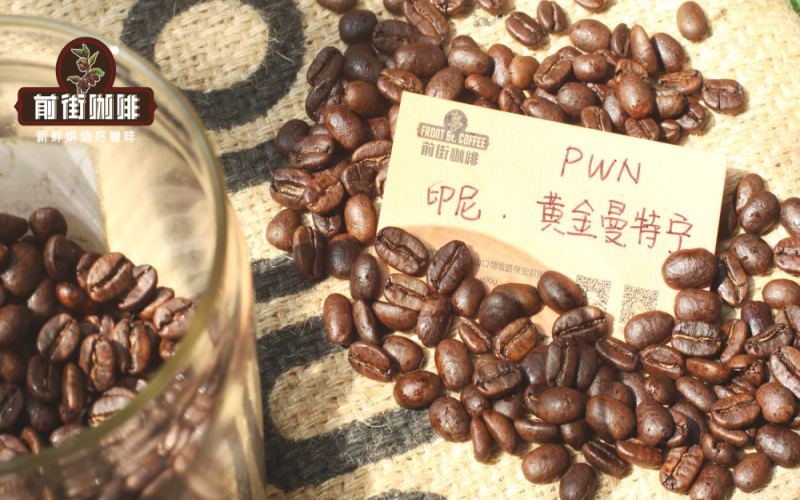
A Complete Guide to Mandheling Pour-Over: Wet-Hulled Processing, Flavor Characteristics, and How to Choose Golden Mandheling
Mandheling is the most iconic coffee of Sumatra, Indonesia, capturing the hearts of countless coffee lovers with its rich, intense flavor that is low in acidity and free of astringency. How exactly does its unique wet-hulling process work? Why do Indonesians use this special method to process coffee beans? Where do the earthy, smoky, and chocolate notes of wet-hulled Mandheling come from? Additionally, what exactly is the "Golden Mandheling" often mentioned on the market, and how does it differ from regular Mandheling? This article will systematically organize the complete knowledge of Mandheling coffee, from its origin and processing techniques to flavor characteristics and purchasing tips, while interspersing a product comparison between Front Street Mandheling and Front Street Golden Mandheling to help you fully understand this classic coffee. [more…]
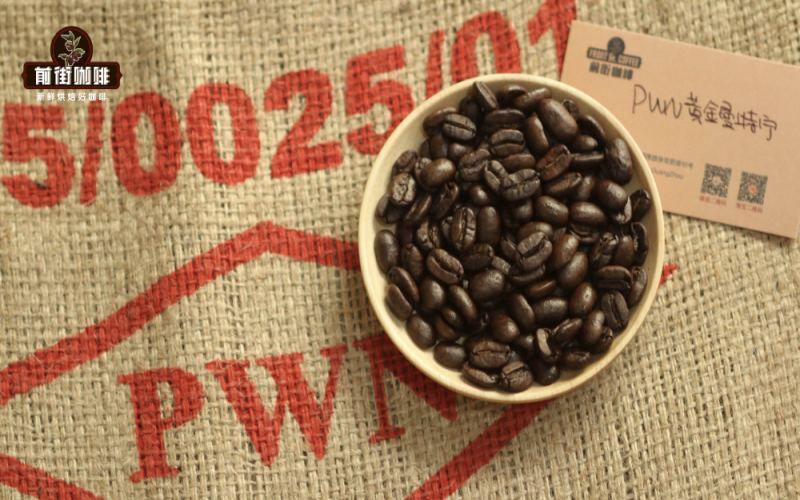
How Does Wet-Hulling Differ from Washed Processing? Where Does the Unique Flavor of Mandheling Coffee Come From?
The signature herbal, medicinal aroma and full-bodied mouthfeel of Indonesian Mandheling coffee are inseparable from its unique wet-hulling processing method. Why did wet-hulling become the choice of the Indonesian producing regions? What exactly are the differences between it and the washed method and semi-dry (pulped natural) method in terms of process flow and flavor presentation? Drawing on Front Street Coffee's years of experience in listing Mandheling, this article sorts out the specific operational steps of wet-hulling, its flavor characteristics, and the causes of common defects, while comparing the processing logic of the washed method and Brazil's semi-dry method, to help readers understand how processing methods shape the final appearance of a cup of coffee. At the end of the article, Front Street's recommended Mandheling bean selection suggestions and pour-over extraction parameters are also included, for coffee lovers at different stages to refer to. [more…]
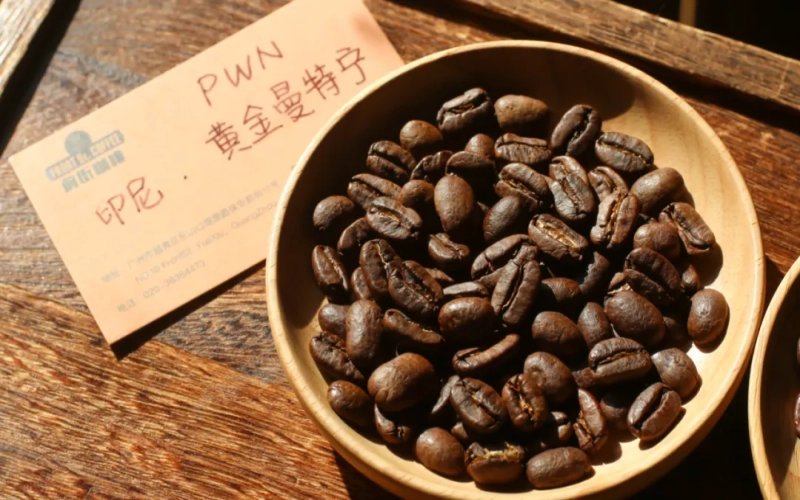
An Analysis of the Flavor Characteristics of Indonesian PWN Golden Mandheling: How the Wet-Hulling Process and Five-Time Strict Selection Shape a Classic Taste
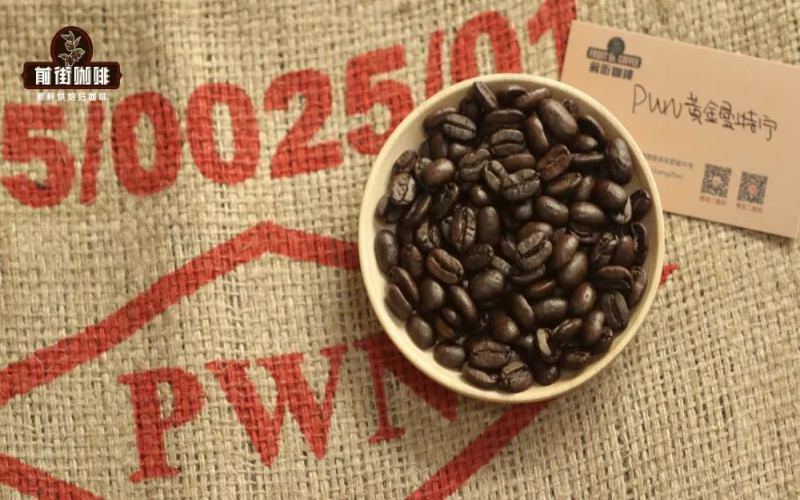
Mandheling coffee is the representative of Indonesian coffee, and PWN Golden Mandheling is the benchmark among them. Starting from the specific information of Front Street PWN Golden Mandheling, this article will analyze the sweet herbal, cinnamon spice, orange-grapefruit peel, creamy walnut chocolate and other flavors brought by its producing region, bean variety, altitude, processing method and roast level, and take an in-depth look at the origin, steps and aged wet-hulling method of the Sumatran wet-hulling process. At the same time, we will also reveal how PWN achieves the cleanliness and uniform appearance of Golden Mandheling through one density and color sorting screening and four rounds of manual hand-picking, as well as the interesting misunderstanding behind the name Mandheling. [more…]
Why Is Wet-Hulling Used for Mandheling? A Detailed Explanation of the Process Characteristics and Flavor Origins of Indonesia's Wet-Hulling Method
As the darkest single-origin roast on Front Street Coffee's bean list, Mandheling is known for its solid, mellow body, low acidity, and distinctive musty aroma. Why is it that among beans of the same medium-dark roast level, only Mandheling carries this intriguing flavor? The answer lies in the wet-hulled processing method of Sumatra, Indonesia. Local humidity stays between 70 and 90 percent year-round, with annual rainfall exceeding 2000mm, and this harsh climate forced people to develop a unique semi-washed method—wet hulling. This article will break down the operational flow of wet hulling, how it differs from traditional washing, and how it shapes Mandheling's signature herbal notes, aged-wood flavor, and sense of place. [more…]
Analysis of the Wet-Hulled Processing Method: The Origins of Indonesian Mandheling Coffee's Unique Flavor and a Pour-Over Guide
Wet Hulling is a green coffee processing method unique to Indonesia, known locally as Giling Basah. This processing method gives Mandheling coffee its bold, full-bodied character along with regional flavors of wood, herbs, and spices. This article will start with the specific operational process of wet hulling, explain why Indonesian coffee farmers choose this technique under humid and rainy climatic conditions, and analyze the impact of this processing method on the defect rate and flavor of green beans. At the same time, the article will also introduce Front Street Coffee Golden Mandheling's selection standards and roasting approach, and share in detail the grind size, water temperature, coffee-to-water ratio, and three-stage pouring scheme for pour-over Front Street Mandheling, helping coffee enthusiasts recreate a cup of Mandheling with both richness and sweetness at home. [more…]
A Complete Guide to Mandheling Wet-Hulled Coffee: Origin Story and Flavor Characteristics of Giling Basah-Processed Beans
Indonesia lies in a tropical rainforest climate zone, with high temperatures and high humidity year-round, which makes drying coffee cherries a challenge. Yet it is precisely this environment that gave rise to the world's only wet hulling method (Wet Hulling), also known as wet shelling. The reason Sumatra Mandheling coffee has a full-bodied mouthfeel and herbal spice aroma is not only due to variety and terroir factors—wet hulling is equally key. This article will introduce in detail the origins and background of wet hulling and the complete operational process, analyze how this processing method shapes the iconic blue appearance and unique flavor of Mandheling coffee beans, and also point out the flavor differentiation brought about by quality differences. [more…]

How Does Indonesia's Wet-Hulled Process Differ from Washed Processing? A Detailed Explanation of the Unique Processing Method and Flavor Formation of Mandheling Coffee
Indonesian wet-hulling is a method of processing green coffee beans that differs from traditional washed processing. Its core feature is that the parchment (endocarp) is removed before the coffee beans are fully dried, thereby greatly shortening the drying period. The birth of this process is closely related to Indonesia's climate conditions of year-round high temperatures and humidity and insufficient sunlight. This article will systematically outline the complete wet-hulling process, compare its differences with washed processing, and analyze the reasons behind the formation of Mandheling coffee's signature full body, caramel aroma, and "sheep-hoof bean" appearance, helping coffee enthusiasts gain a deeper understanding of the value and flavor expression of this unique processing method. [more…]
An In-Depth Guide to Indonesia's Wet-Hulling Process: The Origins of Mandheling Coffee Flavor and a Full Breakdown of Pour-Over Parameters
Wet Hulling is a unique green coffee processing method distinctive to Indonesia, known locally as Giling Basah. In this process, the parchment layer is removed by mechanical friction while the green beans still have a high moisture content, after which they are dried directly in the open, creating the signature full body and herbal, woody, and spicy notes of Mandheling coffee. Both Front Street Golden Mandheling and Front Street Lintong Mandheling are processed using this method. This article provides a complete overview of the wet hulling workflow and the origins of its flavor profile, along with brewing recommendations from Front Street Coffee's roasters and baristas for medium-dark roasted Mandheling, including grind size, water temperature, and a three-stage pouring technique. [more…]